The Review
Is Spot & Tango the Best Kibble Alternative?
Fresh trays, dehydrated UnKibble and a vet-formulated promise. We assessed Spot & Tango on formulation, feeding trials, cost and the practical realities of a freezer full of dog dinners.
By Dr Elise Murphy, BVSc (Hons)
20 August 2026
12 min read
Medically reviewed
Reviewed by Dr Noor Haddad, DVM, DACVD of the Dr Murphies Veterinary Review Board. Reviewed content is checked against current consensus guidance before publication.
The fresh-food category has spent a decade telling dog owners that kibble is the problem. Spot & Tango sits at the more interesting end of that argument, because it sells two answers at once: gently cooked fresh meals portioned by weight, and UnKibble — a dry, air-dried-style food made from whole ingredients that behaves like kibble in the bowl but is not extruded like it. The question we set out to answer is narrow and practical. If you want off kibble, is this the alternative worth the money?
We assessed the range the way our review board assesses any diet: formulation and nutritional adequacy first, processing and safety second, then palatability, cost per kilocalorie and the day-to-day logistics that decide whether an owner is still feeding it in month six.
What it actually is
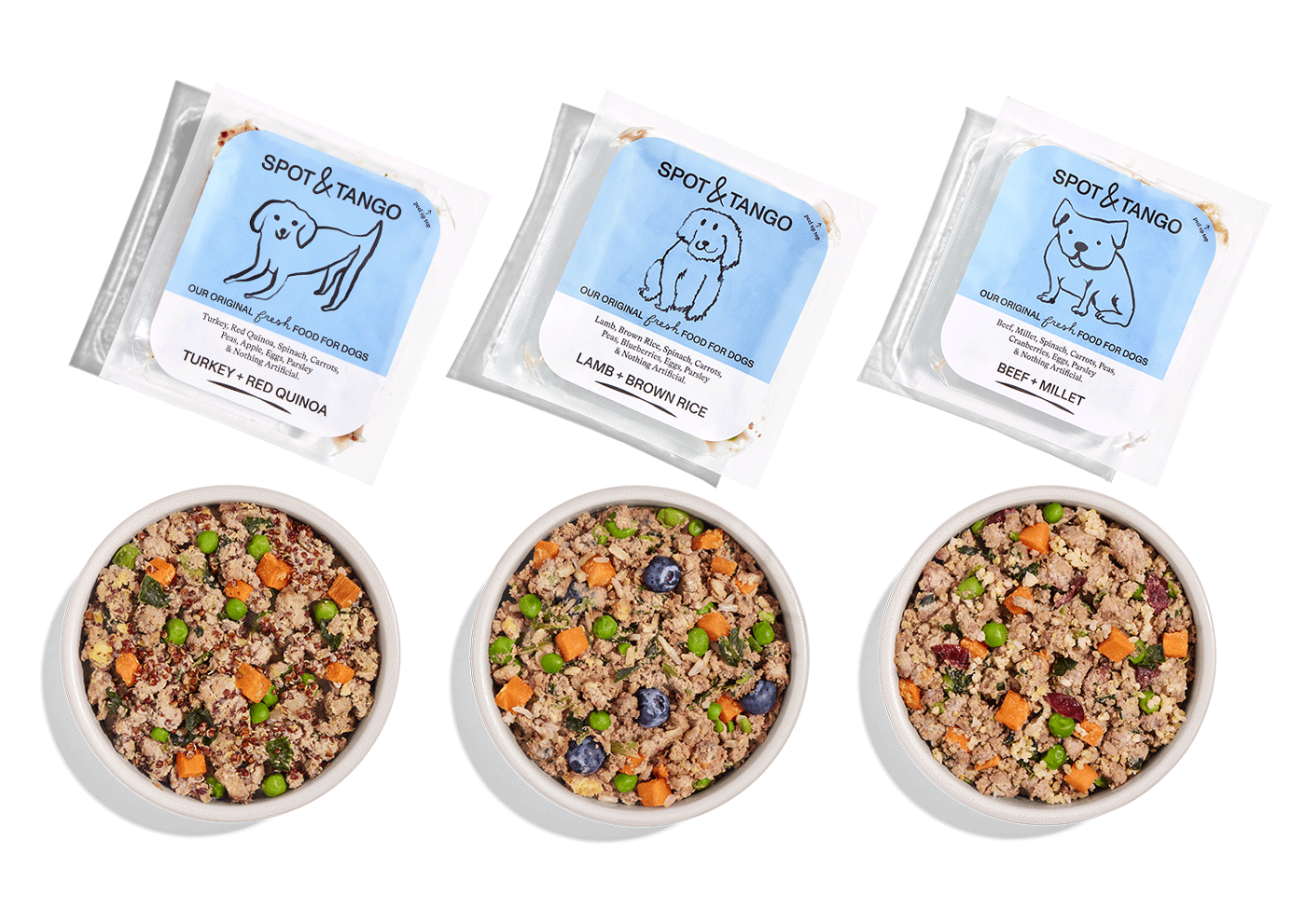
Spot & Tango's fresh line is human-grade food, cooked in small batches and frozen, then delivered in pre-portioned packs sized to your dog's weight, age, activity level and body condition. Recipes are short and legible — a named USDA muscle meat, a whole grain or vegetable carbohydrate, a spread of produce, then the vitamin and mineral premix that turns a nice stew into a complete diet.
UnKibble is the more distinctive product. Whole ingredients are dehydrated at low temperature and blended into a dry, shelf-stable food that pours from a bag. It avoids the high-heat extrusion that defines conventional kibble, which is where a good deal of the category's Maillard-reaction chemistry and nutrient degradation happens, but it keeps the two things owners genuinely like about kibble: no freezer, no thawing.
Both lines are formulated to meet AAFCO nutrient profiles and the company states the recipes were developed with veterinary nutritionists. That matters more than any ingredient panel. A home-style recipe without a qualified formulator behind it is the most common way well-meaning owners produce calcium and vitamin D deficiencies in growing dogs.
How we tested it
We ran both lines across a mixed group of household dogs for eight weeks: a food-motivated Labrador, a fussy senior Cavalier, a working-line Border Collie and a Dalmatian with a history of loose stools on high-fat diets. We recorded intake, faecal scoring, coat condition, weight and body condition at fortnightly intervals, and we costed every delivery against the dog's maintenance energy requirement rather than against the bag price.

What impressed us
- Portioning by measured calorie need rather than by cup. Every dog in the trial held or improved body condition without owner guesswork, which is the single biggest advantage fresh subscriptions have over scoop-fed dry food.
- Ingredient transparency. Recipes are short enough to read aloud, with named meats and no ambiguous by-product meals or unnamed fats.
- UnKibble as a genuine middle path. Owners who cannot commit freezer space got most of the ingredient quality without the logistics, at a materially lower cost per calorie than the fresh trays.
- Palatability in the fussy eater. The senior Cavalier that had been picking at a premium dry food finished fresh meals consistently from day two.
- Stool quality on the sensitive dog. The Dalmatian scored better on the lamb and brown rice recipe than on its previous diet, though it did need a slow ten-day transition.
Where it falls short
- Cost. For a large dog the fresh line lands well above premium dry food per calorie. For a Labrador-sized dog it is a genuine household budget line item, not a small upgrade.
- Freezer reality. A month of fresh food for a 30 kg dog occupies more space than most apartment freezers can spare. Order cadence has to be shortened, which raises effective cost.
- Dogs only. There is no feline range, so multi-species households still need a second supplier.
- No published AAFCO feeding trials that we could verify. Formulation to nutrient profile is the industry norm, but feeding-trial substantiation remains the stronger evidence, and we would like to see it.
- Availability is United States only, which rules the brand out for our Australian and UK readers.
- Subscription friction. Skipping or resizing deliveries is straightforward, but this is still a recurring commitment rather than a bag you stop buying.
The clinical caveats worth stating
Fresh food is not medicine. If your dog has chronic kidney disease, pancreatitis, calcium oxalate or urate urolithiasis, protein-losing enteropathy or a diagnosed food allergy under elimination-diet management, a commercial fresh diet is usually the wrong tool — those animals need a therapeutic diet chosen by the treating veterinarian, and Spot & Tango does not offer a prescription range.
Equally, gently cooked is not raw. The cooking step here removes the pathogen exposure that makes raw feeding a genuine household-health question, particularly in homes with infants, elderly residents or anyone immunosuppressed. If you were considering raw for ingredient quality reasons, this is the safer way to get there.
So — is it the best kibble alternative?
For a healthy adult dog in a United States household with freezer space and the budget to sustain it, the fresh line is among the best-executed subscription diets we have assessed: correctly formulated, honestly labelled and portioned in a way that quietly solves the obesity problem most owners do not know they have. For everyone else, UnKibble is the more interesting product, and the one we would actually recommend first. It is where the brand's ingredient philosophy meets the logistics of ordinary life.
It is not the only good answer. A well-formulated dry food from a manufacturer that employs full-time veterinary nutritionists and runs feeding trials remains an entirely defensible choice, and cheaper. But if you have decided to leave extruded kibble behind, Spot & Tango is the alternative we would put at the top of a short list.
The verdict
- Best for: healthy adult dogs, fussy eaters, owners who want portion control solved for them.
- Skip if: your dog is on a therapeutic diet, you have no freezer capacity, or you are outside the United States.
- Start with: UnKibble if you are cost- or space-conscious; the fresh trial if palatability is the problem you are solving.
- Transition over ten to fourteen days, and re-score body condition monthly for the first quarter.
Vet-recommended
Products our review board rates for this
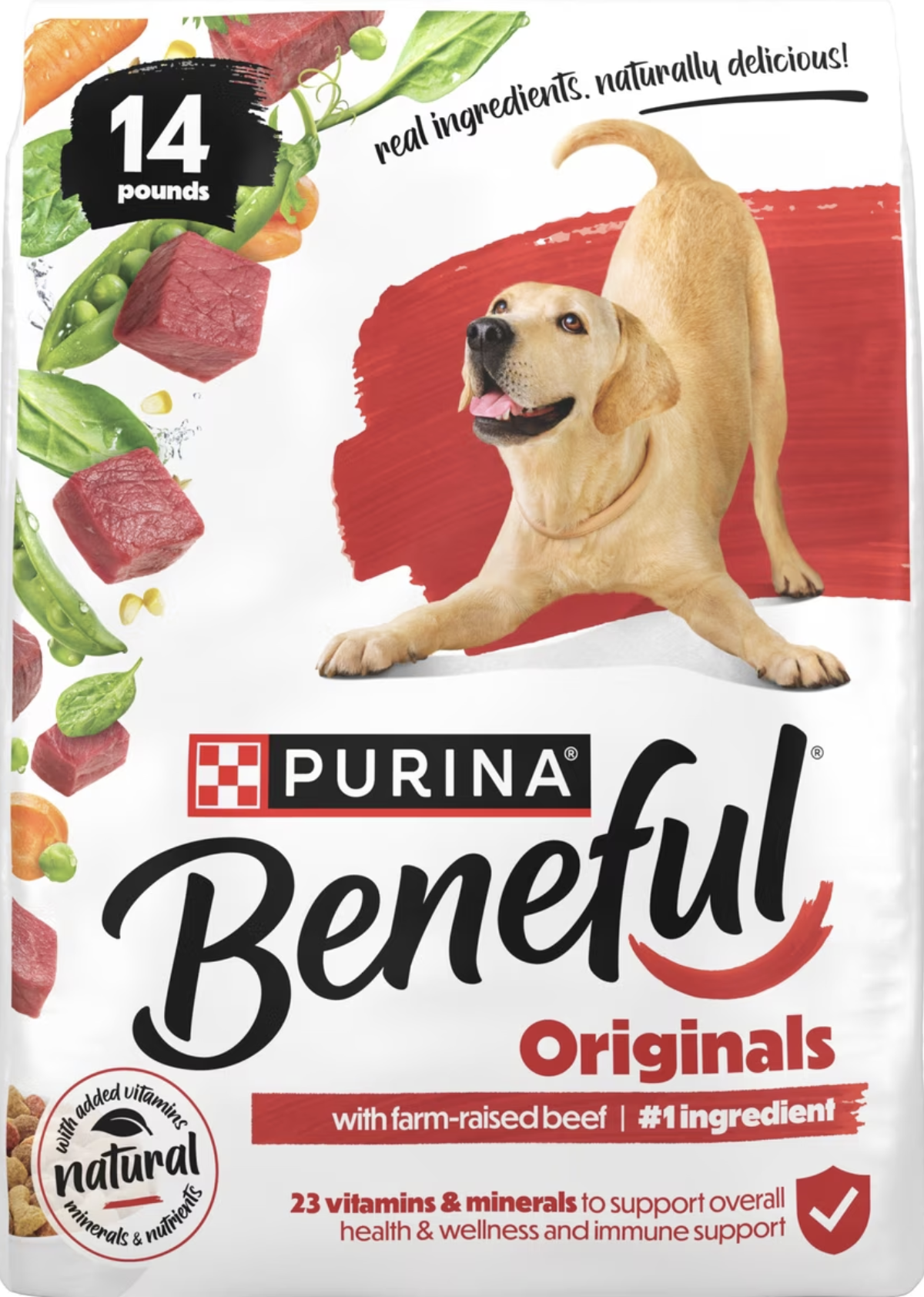
Purina Beneful Originals
7.2Farm-raised beef first, 23 added vitamins and minerals, no artificial colours.
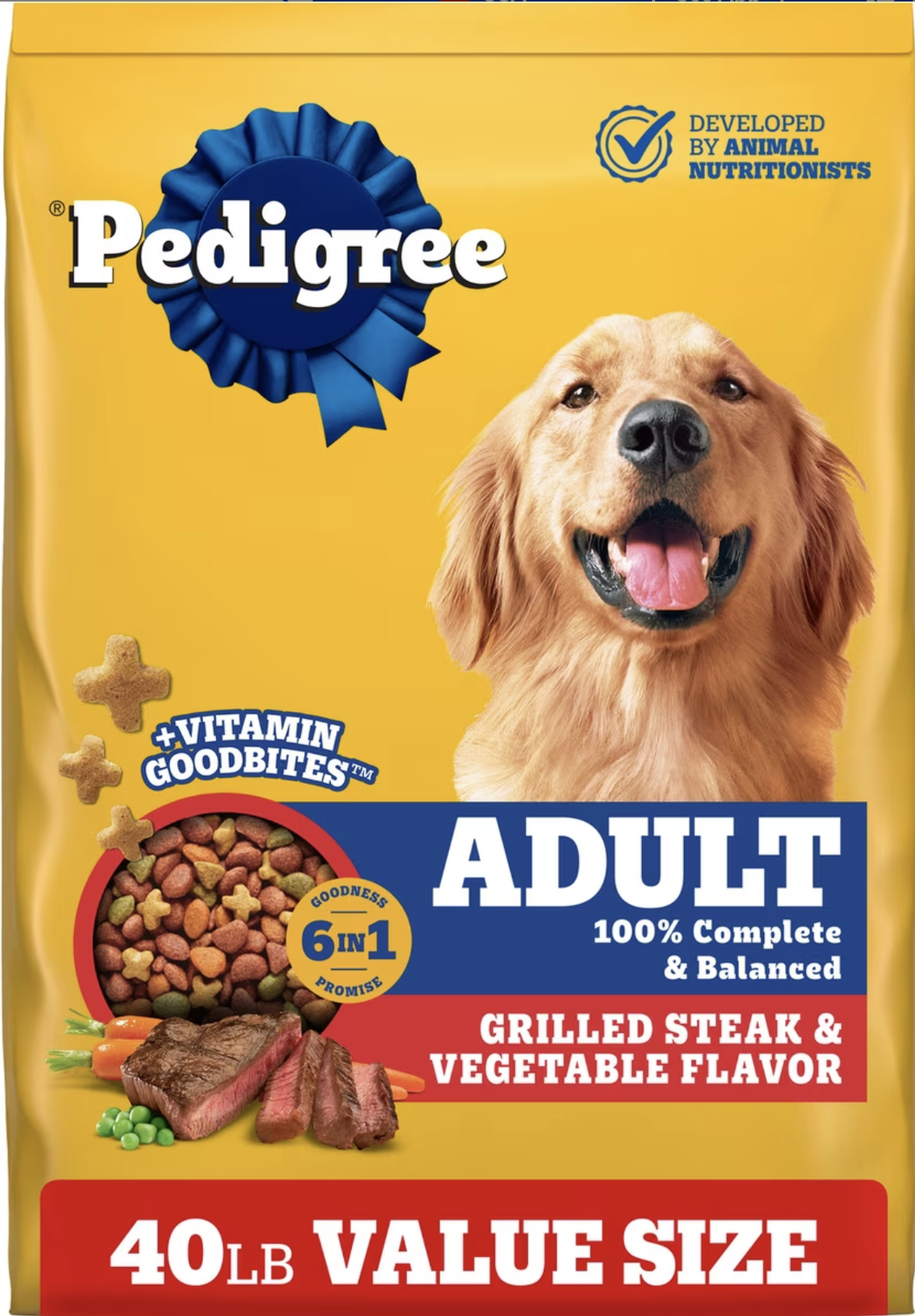
Pedigree Complete Nutrition
6.8Grilled steak and vegetable flavour, 40-lb value bag, priced below almost everything.
Recommendations are chosen by the Dr Murphies veterinary review board. Some links are affiliate links and we may earn a commission; this never affects our scoring, and brands do not see our copy before publication.
Dr Elise Murphy, BVSc (Hons)
Editor-in-chief