Reptiles
Bearded Dragon Husbandry and UVB Failure
Bearded dragons are among the most commonly kept pet reptiles, yet a large share of the health problems seen in practice trace back to a single husbandry failure: inadequate or degraded UVB lighting.
By Dr Thomas Nakamura, DVM
24 October 2025
4 min read

Medically reviewed
Reviewed by Dr Eleanor Murphy, BVSc of the Dr Murphies Veterinary Review Board. Reviewed content is checked against current consensus guidance before publication.
Bearded dragons are among the most commonly kept pet reptiles, yet a large share of the health problems seen in practice trace back to a single husbandry failure: inadequate or degraded UVB lighting. Because UVB output declines well before a bulb visibly dims or fails, many owners unknowingly keep their dragon under an insufficient light for months.
Why UVB Is Non-Negotiable for This Species
Bearded dragons are diurnal, heliothermic lizards that in the wild bask directly under intense equatorial sun, and this UVB exposure drives cutaneous synthesis of vitamin D3 needed for calcium absorption, as covered in the wider discussion of metabolic bone disease. Captive dragons depend entirely on artificial UVB sources to replicate this, since window glass filters out UVB wavelengths almost completely.
Linear fluorescent and compact UVB bulbs degrade in output over time even while continuing to emit visible light, typically losing much of their effective UVB within six to twelve months depending on the brand and usage pattern, which is why manufacturers recommend routine replacement on a schedule rather than waiting for visible signs of failure.
How Bulbs Fail Silently Long Before Burning Out
- Soft or bowed limbs and a rubbery lower jaw
- Reduced basking behaviour or unusually dark, stressed colouration
- Poor appetite and lethargy without an obvious infectious cause
- Tremors or twitching, particularly in the limbs and tail
- Slow growth or failure to gain weight appropriately in juveniles
Many of these signs overlap with early metabolic bone disease because that is precisely what chronic UVB inadequacy causes; a dragon showing any combination of these signs should have both its health and its lighting setup reviewed together, not separately.
Signs That Point Back to a Lighting Problem
A UV index meter used at the actual basking distance is the only reliable way to assess whether a bulb is still providing adequate UVB, since visible brightness is not a valid proxy; appropriate UVI targets vary by species and enclosure zone, with bearded dragons generally needing a basking-zone UVI in the range recommended for desert baskers.
Where clinical signs suggest metabolic bone disease has already developed, radiographs and, where possible, ionised calcium levels should be checked in parallel with the lighting audit, since correcting the bulb alone will not reverse existing skeletal damage without concurrent calcium supplementation.
Assessing an Enclosure's UV Index Properly
Correcting husbandry is central to treatment here in a way that is less true for infectious disease, since even perfect medical management will fail if the underlying lighting problem persists.
- Replacement of UVB bulbs on a fixed schedule of every 6-12 months regardless of appearance
- Repositioning the basking site to the manufacturer's recommended UVB distance
- Calcium and vitamin D3 supplementation dosed according to existing UVB exposure
- Correction of the thermal gradient alongside lighting to support normal behaviour
Correcting Lighting, Basking Zones and Diet Together
A properly set up enclosure needs both a measured basking-zone UVI and a documented replacement date for the UVB bulb, ideally tracked with a reminder, since visible light output persisting after UVB has waned is the single most common reason owners are caught out.
Regular weighing, photographing limb conformation over time, and periodic UV index rechecks after any change to bulb brand, distance or mesh covering the enclosure all help catch a developing problem before it becomes clinical disease.
When to seek help urgently
- Sudden inability to bear weight on the limbs
- Visible tremors or seizure-like activity
- Jaw too soft to close normally or bowing visibly under its own weight
- Marked, rapid lethargy alongside reduced or absent appetite
Correct UVB output depends on bulb type, distance, mesh and enclosure specifics unique to each setup, so verify your particular arrangement and your dragon's health with your own vet.
Vet-recommended
Products our review board rates for this
Dial A Vet
9.0A global team of 250+ vets and vet techs on Zoom in under fifteen minutes, flat fee.

Lemonade Pet Insurance
9.4The lowest premiums in the category, with claims paid in minutes rather than weeks.
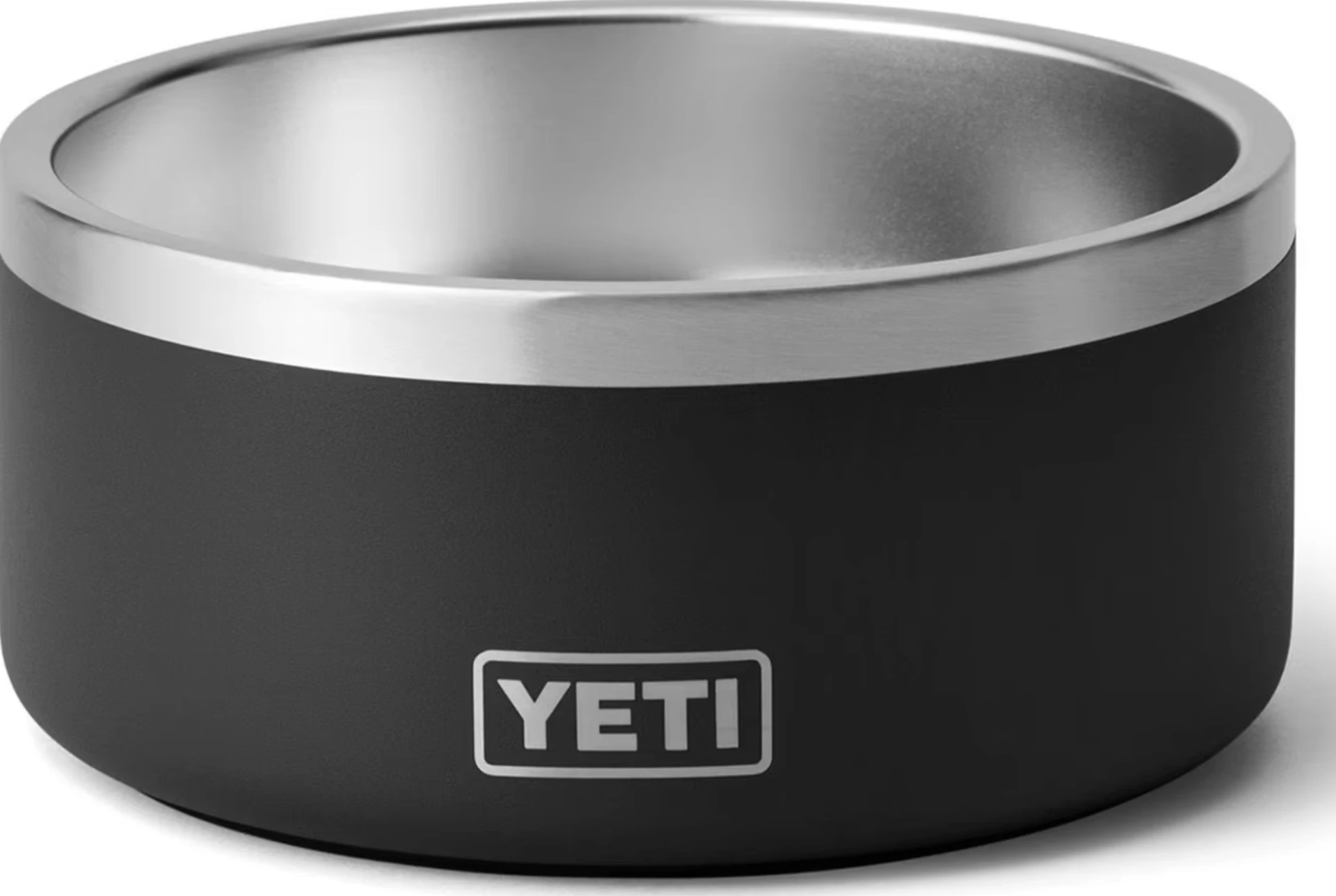
YETI Boomer 4 Dog Bowl
8.518/8 stainless, non-slip ring, dishwasher-safe — the last bowl you buy.
Recommendations are chosen by the Dr Murphies veterinary review board. Some links are affiliate links and we may earn a commission; this never affects our scoring, and brands do not see our copy before publication.
Dr Thomas Nakamura, DVM
Exotic and avian medicine