Guinea Pigs
Guinea Pig Vitamin C Requirements
Guinea pigs, like humans, lack the liver enzyme L-gulonolactone oxidase and cannot synthesise their own vitamin C, making dietary intake essential rather than optional.
By Dr Rowan Kelly, BVSc, MVS
29 March 2026
4 min read
Medically reviewed
Reviewed by Dr Noor Haddad, DVM, DACVD of the Dr Murphies Veterinary Review Board. Reviewed content is checked against current consensus guidance before publication.
Guinea pigs, like humans, lack the liver enzyme L-gulonolactone oxidase and cannot synthesise their own vitamin C, making dietary intake essential rather than optional. Scurvy from deficiency is still one of the more common preventable illnesses seen in pet guinea pigs, often mistaken initially for arthritis or general lethargy.
Why Guinea Pigs Cannot Make Their Own Vitamin C
Vitamin C, or ascorbic acid, is a cofactor for collagen synthesis via prolyl and lysyl hydroxylase enzymes, meaning it is essential for maintaining connective tissue, blood vessel walls and bone matrix. Without adequate intake, newly synthesised collagen is structurally weak, and tissues under mechanical stress such as joints, gums and blood vessel walls fail first.
Guinea pigs need roughly 10-30 mg of vitamin C daily for maintenance, rising to 30-50 mg during pregnancy, illness or growth, an amount they cannot obtain reliably from pelleted food alone because vitamin C degrades quickly with heat, light and storage time, often losing most of its potency within 90 days of milling.
Daily Requirements and Dietary Sources
- Reluctance to move and a stiff, painful gait suggesting joint pain
- Swollen, painful joints, particularly the costochondral rib junctions
- Petechial haemorrhages or bruising visible on the skin and gums
- Poor wound healing or gums that bleed easily when eating
- Reduced appetite progressing to weight loss over one to two weeks
Early scurvy is easy to mistake for a general decline or 'just getting old', since the guinea pig may simply seem less active and slightly stiff; the joint pain and gum changes are the clues that distinguish it from other causes of lethargy.
Recognising Scurvy Before It Becomes Severe
Diagnosis is largely clinical, based on a careful diet history revealing over-reliance on ageing pellets without regular fresh vegetables, combined with the pattern of joint pain, poor coat condition and gum changes described by the owner and found on exam.
There is no reliable point-of-care blood test for vitamin C status in general practice, so vets typically diagnose presumptively and confirm by response to supplementation, alongside radiographs where joint swelling needs to be distinguished from septic arthritis or trauma.
Diagnosing a Deficiency
Treatment is straightforward once suspected: correct the acute deficiency with direct supplementation while addressing the underlying diet so the problem does not recur.
- Oral vitamin C tablets formulated for guinea pigs, typically 25-50 mg daily during treatment
- Fresh vitamin C-rich vegetables such as red capsicum, parsley and kale daily
- Analgesia such as meloxicam for joint pain during the acute painful phase
- Avoiding vitamin drops added to water, which degrade fast and reduce water intake
Supplementation and Correcting the Diet
Prevention relies on fresh food rather than relying solely on fortified pellets: a piece of red capsicum, a handful of parsley or a small serving of broccoli daily reliably covers requirements, and pellets should be bought in small bags and used within eight to ten weeks of milling to limit degradation.
Guinea pigs under additional physiological stress, including pregnant sows, growing juveniles and any animal recovering from illness or surgery, benefit from a higher supplemented intake during that period, since demand for collagen synthesis rises with tissue repair and growth.
When to seek help urgently
- Sudden reluctance to bear weight or move at all
- Visible bruising, bleeding gums or blood in urine
- Rapid weight loss alongside joint swelling
- Signs of a swollen, painful joint that is hot to touch
This is general nutritional guidance rather than a prescription for your particular guinea pig, so discuss appropriate dosing and diet with your own vet, especially if scurvy is already suspected.
Vet-recommended
Products our review board rates for this
Dial A Vet
9.0A global team of 250+ vets and vet techs on Zoom in under fifteen minutes, flat fee.

Lemonade Pet Insurance
9.4The lowest premiums in the category, with claims paid in minutes rather than weeks.
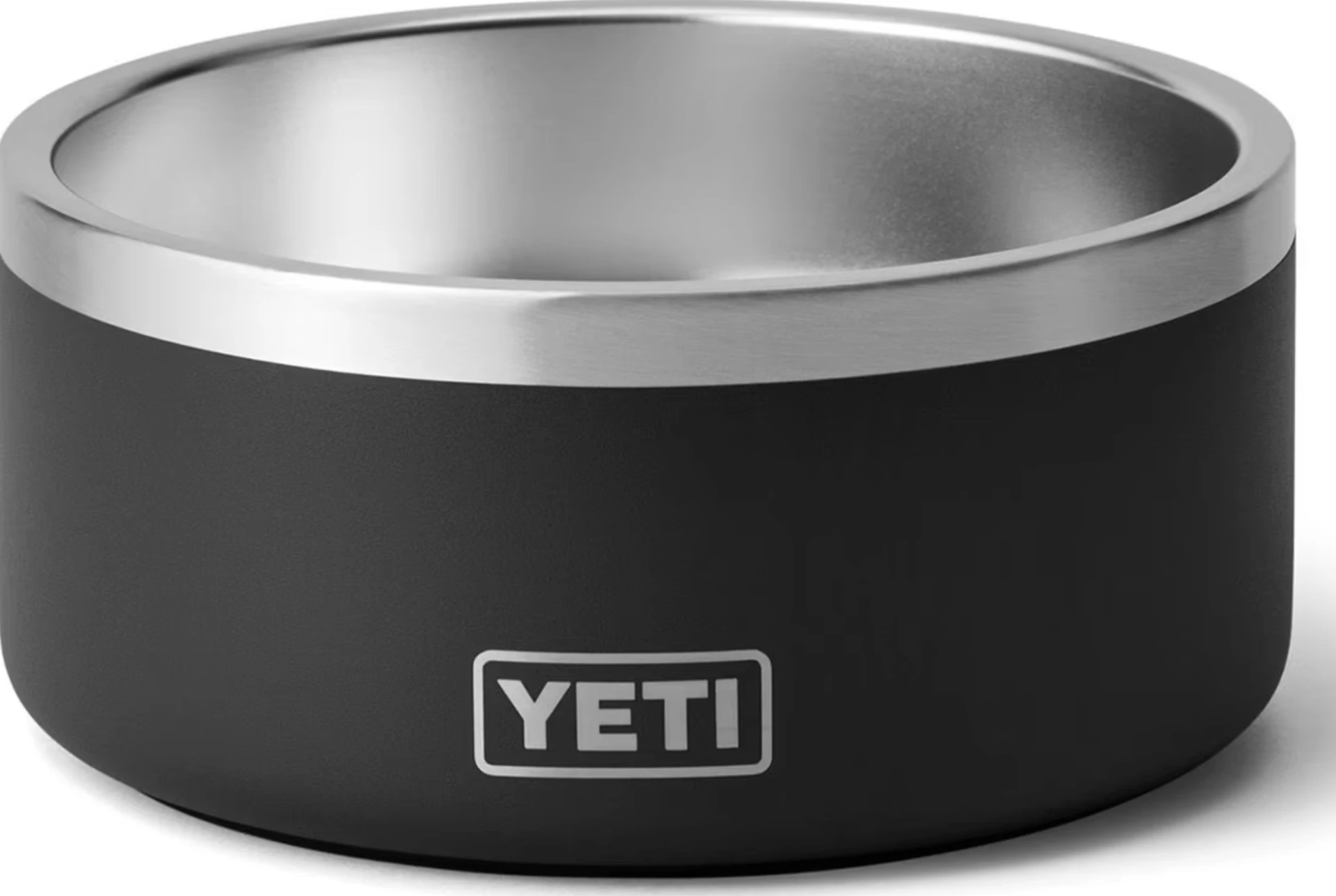
YETI Boomer 4 Dog Bowl
8.518/8 stainless, non-slip ring, dishwasher-safe — the last bowl you buy.
Recommendations are chosen by the Dr Murphies veterinary review board. Some links are affiliate links and we may earn a commission; this never affects our scoring, and brands do not see our copy before publication.
Dr Rowan Kelly, BVSc, MVS
Surgery and rehabilitation