Critical Care
Choking and Airway Obstruction
Airway obstruction in dogs and cats is a rapid emergency, with irreversible brain injury possible within four to six minutes of complete blockage.
By Dr Priya Raghunathan, BVMS
1 May 2026
4 min read

Medically reviewed
Reviewed by Dr Mariana Oliveira, DVM, DACVN of the Dr Murphies Veterinary Review Board. Reviewed content is checked against current consensus guidance before publication.
Airway obstruction in dogs and cats is a rapid emergency, with irreversible brain injury possible within four to six minutes of complete blockage. Common culprits include balls, bones, toys and rawhide chews lodged in the pharynx or larynx, particularly in exuberant eaters and small dogs.
Recognising True Obstruction Versus Gagging
A foreign object lodged across the larynx or pharynx physically blocks airflow, and the resulting hypoxia rapidly affects the brain, which has minimal oxygen reserve. Panic responses in the animal often worsen the obstruction as frantic pawing and thrashing wedge the object further.
Partial obstructions can still cause significant distress through laryngeal spasm and swelling, where the tissue reaction to the foreign body narrows the airway further even if the object itself is dislodged, prolonging respiratory difficulty after the initial event.
The Canine Heimlich Manoeuvre
- Frantic pawing at the mouth or face
- Silent, exaggerated chest movements with no air sound moving
- Blue or grey gums and tongue from lack of oxygen
- Collapse or loss of consciousness within minutes
- Retching or gagging that does not resolve on its own
True obstruction is distinguished from simple gagging by the absence of any air movement or vocalisation despite obvious effort to breathe, which signals a complete blockage requiring immediate physical intervention rather than a wait-and-see approach.
When Manual Removal Is Too Risky
Diagnosis in a conscious, distressed animal is clinical and immediate, based on visible effort without airflow; there is no time for imaging before intervention. Once an obstruction is cleared or if it is only partial, vets will examine the pharynx and larynx directly, sometimes under light sedation, to check for remaining fragments or tissue trauma.
Chest X-rays are often taken afterward to rule out aspiration of material into the lower airway or early aspiration pneumonia, particularly if the object was food-related or the animal vomited during the episode.
Veterinary Airway Management
For a genuinely obstructed airway, physical removal or dislodgement takes priority over any transport delay, followed promptly by veterinary evaluation.
- Careful finger sweep only if the object is visible and easily grasped
- Abdominal thrusts (canine Heimlich) for dogs too large to lift by the hindquarters
- Sedation and laryngoscopy at the clinic to remove deeper or hooked objects
- Emergency tracheostomy in rare cases of severe laryngeal swelling
Preventing Repeat Choking Episodes
Animals who are successfully cleared quickly typically recover without lasting effects, though hoarse breathing or a mild cough can persist for a day or two from airway irritation. Those who suffered a period of hypoxia need neurological monitoring for 24 to 48 hours.
Prevention includes supervising chew toys and bones sized appropriately for the animal, avoiding cooked bones that splinter, and discouraging competitive multi-dog feeding that encourages gulping.
When to seek help urgently
- Silent, exaggerated breathing effort with no sound or airflow
- Blue or grey gums, tongue or lips
- Collapse or loss of consciousness after a choking episode
- Persistent gagging, drooling or pawing at the mouth after eating
Attempt removal only if you can see and safely reach the object, use abdominal thrusts if not, and head to a veterinarian immediately afterward even if breathing seems to return to normal, as your own vet can check for airway trauma or aspiration.
Vet-recommended
Products our review board rates for this
Dial A Vet
9.0A global team of 250+ vets and vet techs on Zoom in under fifteen minutes, flat fee.

Lemonade Pet Insurance
9.4The lowest premiums in the category, with claims paid in minutes rather than weeks.
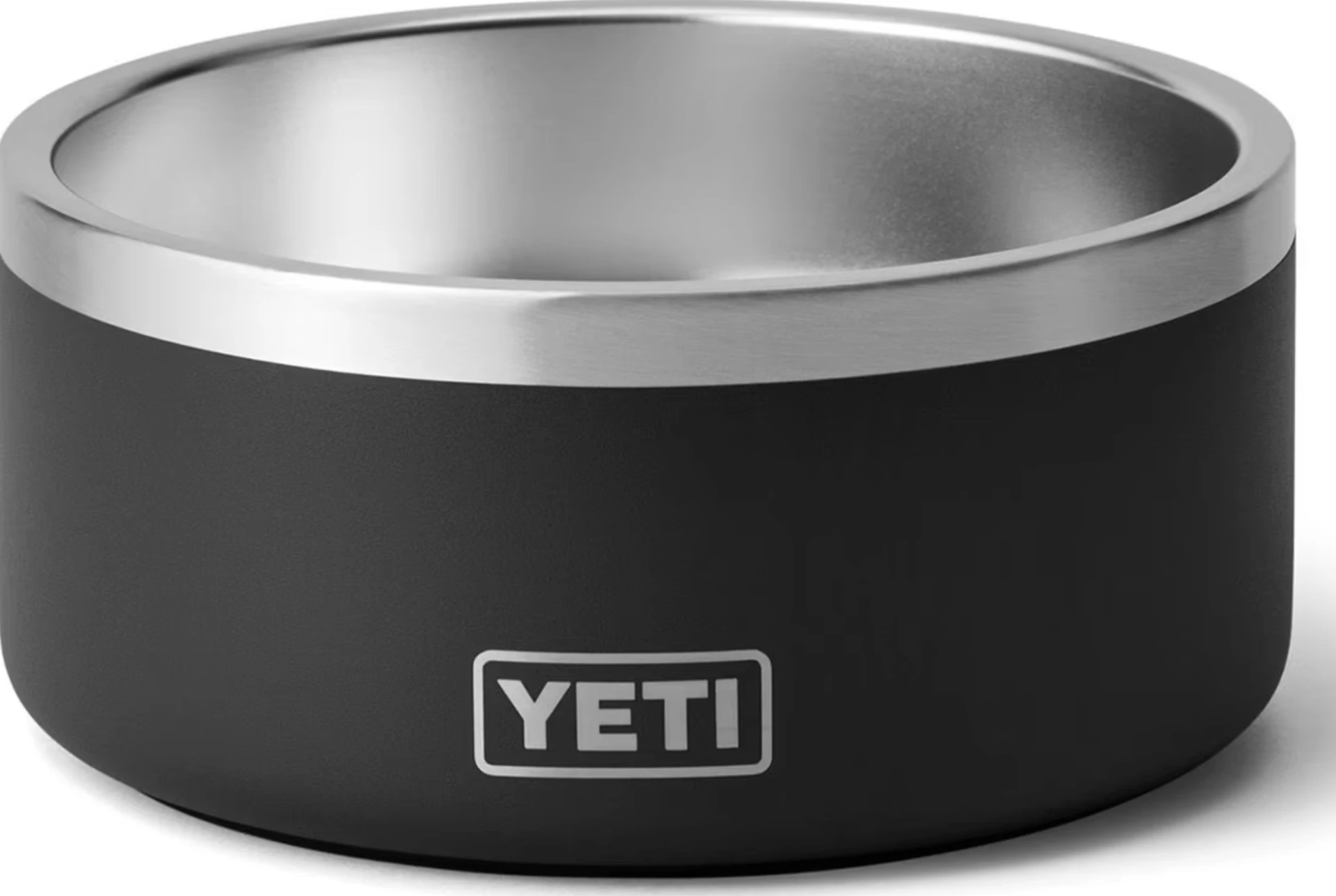
YETI Boomer 4 Dog Bowl
8.518/8 stainless, non-slip ring, dishwasher-safe — the last bowl you buy.
Recommendations are chosen by the Dr Murphies veterinary review board. Some links are affiliate links and we may earn a commission; this never affects our scoring, and brands do not see our copy before publication.
Dr Priya Raghunathan, BVMS
Emergency and critical care clinician