Toxicology
Xylitol: The Sweetener That Kills Dogs
Xylitol is harmless to humans but catastrophic for dogs, capable of causing life-threatening hypoglycaemia within thirty minutes of ingestion.
By Dr Ingrid Sorensen, BVSc, DipACVB
18 January 2026
4 min read
Medically reviewed
Reviewed by Dr Mariana Oliveira, DVM, DACVN of the Dr Murphies Veterinary Review Board. Reviewed content is checked against current consensus guidance before publication.
Xylitol is harmless to humans but catastrophic for dogs, capable of causing life-threatening hypoglycaemia within thirty minutes of ingestion. It hides in sugar-free gum, peanut butter, baked goods, toothpaste and some medications, making accidental exposure common and often underestimated by owners.
Why Xylitol Is Uniquely Dangerous to Dogs
In dogs, xylitol is a potent stimulator of pancreatic insulin release, unlike in humans where it has negligible effect. A dose as low as 0.1 grams per kilogram can trigger a surge of insulin that drives blood glucose down rapidly, producing profound hypoglycaemia often within 30 to 60 minutes.
At higher doses, typically above 0.5 grams per kilogram, xylitol causes acute hepatocellular injury through a mechanism that is not fully understood but may involve depletion of hepatic ATP. This can progress to fulminant liver failure and coagulopathy over 24 to 72 hours, sometimes without the dog ever showing severe hypoglycaemia first.
The Two-Phase Danger: Sugar Crash and Liver Failure
- Sudden weakness, wobbliness or collapse from low blood sugar
- Vomiting shortly after ingesting the sweetened product
- Lethargy progressing to disorientation or seizures
- Jaundice or a yellow tinge to the gums days after exposure
- Bruising or spontaneous bleeding indicating liver-related coagulopathy
Because gum and mints often list only 'natural sweeteners' rather than xylitol by name, owners should assume any sugar-free product is a risk and bring packaging to the clinic so the vet can calculate the dose ingested.
Recognising an Exposure
Diagnosis relies heavily on history, since blood xylitol assays are not clinically available; vets estimate exposure from the product's xylitol content and the dog's weight. Blood glucose is checked immediately and repeated frequently, as hypoglycaemia can recur even after initial stabilisation.
Liver enzymes, bilirubin and clotting times (PT and aPTT) are monitored for at least 48 to 72 hours even in dogs that seem well initially, because hepatotoxicity can lag behind the hypoglycaemic phase.
Emergency Treatment Priorities
Speed matters more with xylitol than almost any other common toxin, and treatment addresses both the immediate glucose crash and the delayed liver risk.
- Intravenous dextrose supplementation to correct and stabilise blood glucose
- Hospitalisation with glucose monitoring every one to two hours initially
- Liver-protectant medications such as SAMe or N-acetylcysteine for higher doses
- Vitamin K1 and plasma transfusion if coagulopathy from liver damage develops
Reading Labels and Preventing Repeat Exposure
Dogs with mild hypoglycaemic exposure who are treated quickly usually recover without complication within a day. Those who develop hepatotoxicity face a more guarded outlook, with recovery, if it occurs, taking one to two weeks and requiring repeat liver panels to confirm resolution.
Prevention is largely about label literacy: check ingredient lists on peanut butter, chewable vitamins, breath mints and baked goods for xylitol, birch sugar or 'E967', and store these products in closed cupboards a determined dog cannot access.
When to seek help urgently
- Any known or suspected ingestion of xylitol-containing gum or food
- Sudden collapse, wobbliness or unresponsiveness in a dog with access to sweets
- Vomiting followed by lethargy in the hours after finding chewed packaging
- Yellowing of gums or eyes appearing days after a known exposure
Because the margin between a trivial nibble and a fatal dose can be small, treat any suspected xylitol exposure as an emergency and speak with your veterinarian immediately rather than waiting for symptoms to confirm your fears.
Vet-recommended
Products our review board rates for this
Dial A Vet
9.0A global team of 250+ vets and vet techs on Zoom in under fifteen minutes, flat fee.
Lemonade Pet Insurance
9.4The lowest premiums in the category, with claims paid in minutes rather than weeks.
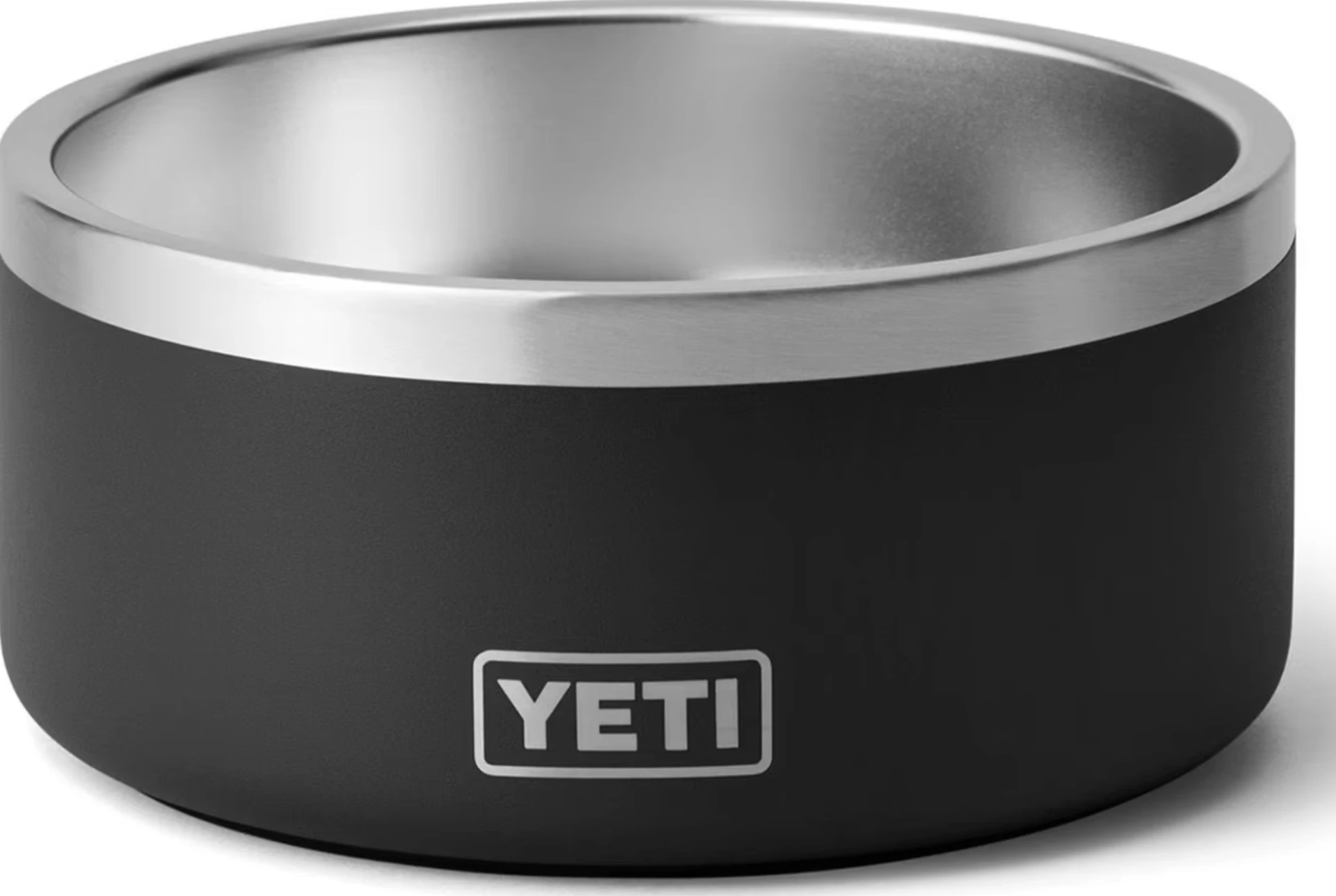
YETI Boomer 4 Dog Bowl
8.518/8 stainless, non-slip ring, dishwasher-safe — the last bowl you buy.
Recommendations are chosen by the Dr Murphies veterinary review board. Some links are affiliate links and we may earn a commission; this never affects our scoring, and brands do not see our copy before publication.
Dr Ingrid Sorensen, BVSc, DipACVB
Veterinary behaviourist