The Review
DreamBone Twists Wrapped With Chicken Review: Is a Rawhide-Free Chew Actually Safer?
Thirty-six chicken-wrapped sticks marketed as the healthy alternative to rawhide. We read the ingredient panel, the digestibility claim and the dental promise without the marketing gloss.
By Dr Elise Murphy, BVSc (Hons)
20 August 2026
8 min read
Medically reviewed
Reviewed by Dr Noor Haddad, DVM, DACVD of the Dr Murphies Veterinary Review Board. Reviewed content is checked against current consensus guidance before publication.
Rawhide has a deserved reputation problem. It is a by-product of the leather industry, it softens into a slippery mass that dogs swallow in lumps, and gastrointestinal obstruction from a partially chewed knot is a surgery we perform more often than anyone would like. So a rawhide-free chew is a reasonable thing to want. Whether it is meaningfully safer depends entirely on what replaced the hide.
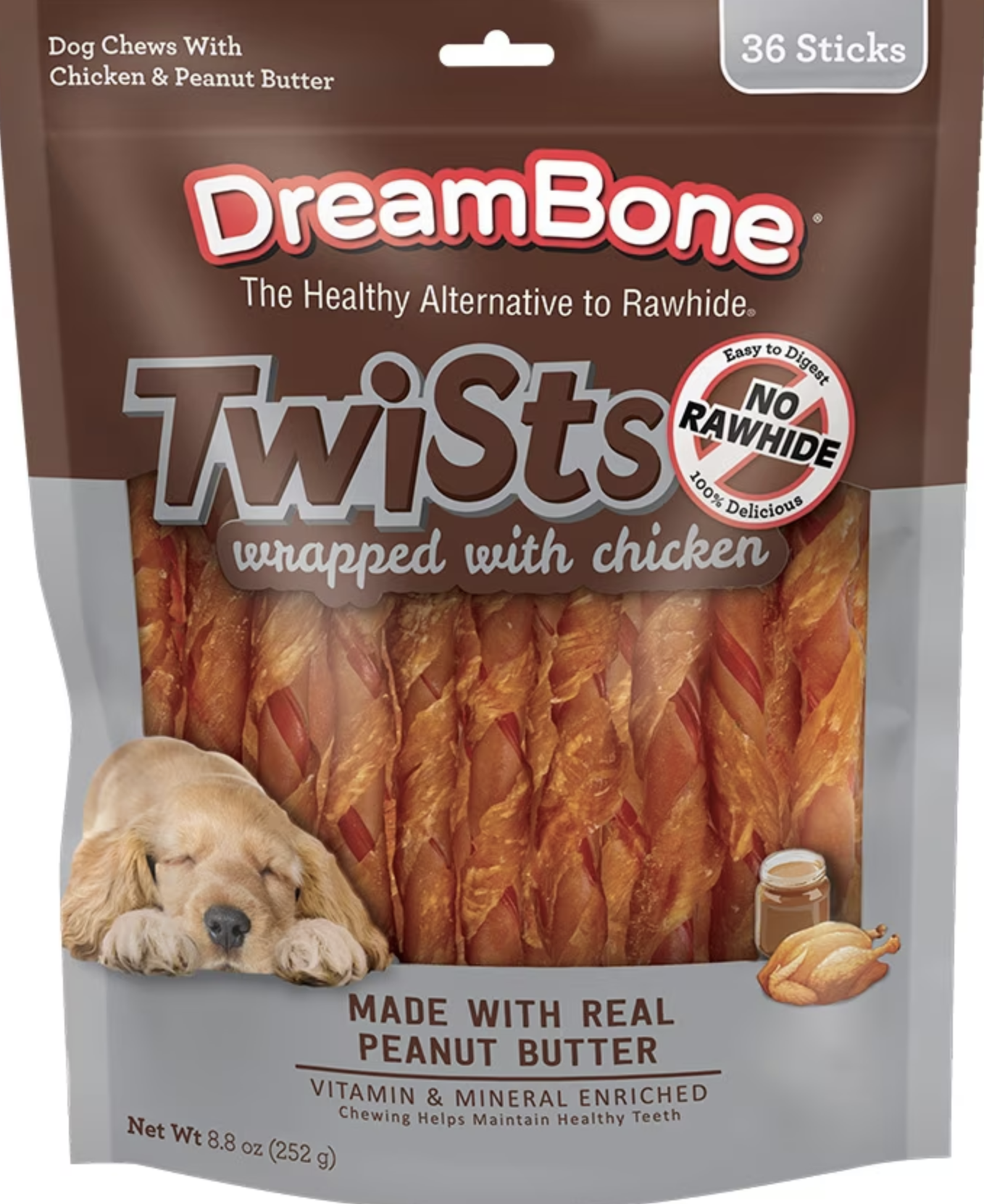
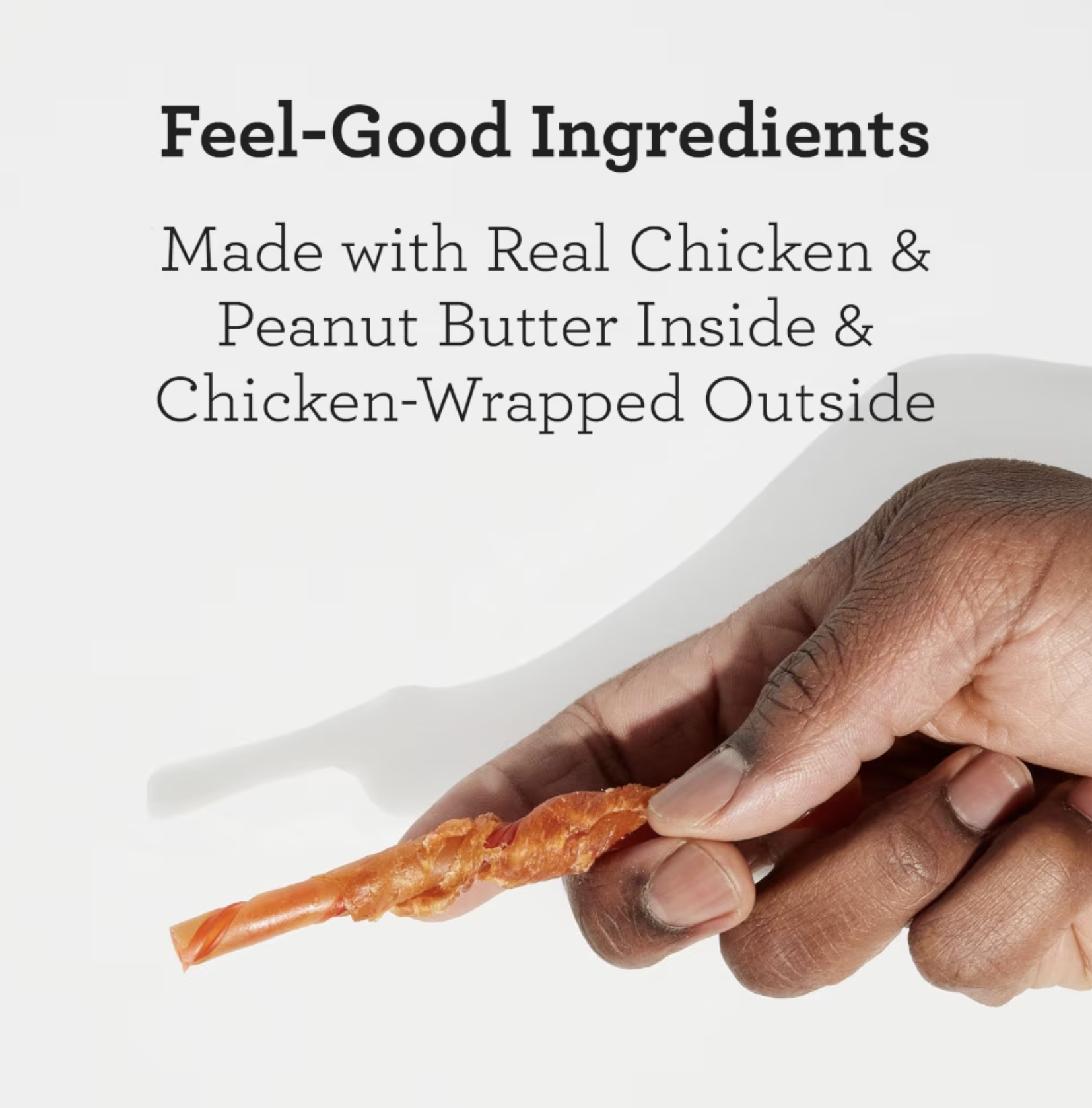
DreamBone Twists Wrapped With Chicken are sold in a 36-count, 8.8 oz bag. Each stick is a cornstarch-and-vegetable-based extruded core made with real chicken and peanut butter, then wrapped in more chicken on the outside. The brand line — 'The Healthy Alternative to Rawhide' — is the whole pitch.
What it is
- 36 twisted chew sticks, 8.8 oz (252 g) total; 2,950 kcal/kg, approximately 21 kcal per chew.
- Cornstarch-based core with chicken, peanut butter, glycerin, sorbitol and vegetable inclusions.
- Wrapped in real chicken on the outside; 100% rawhide free.
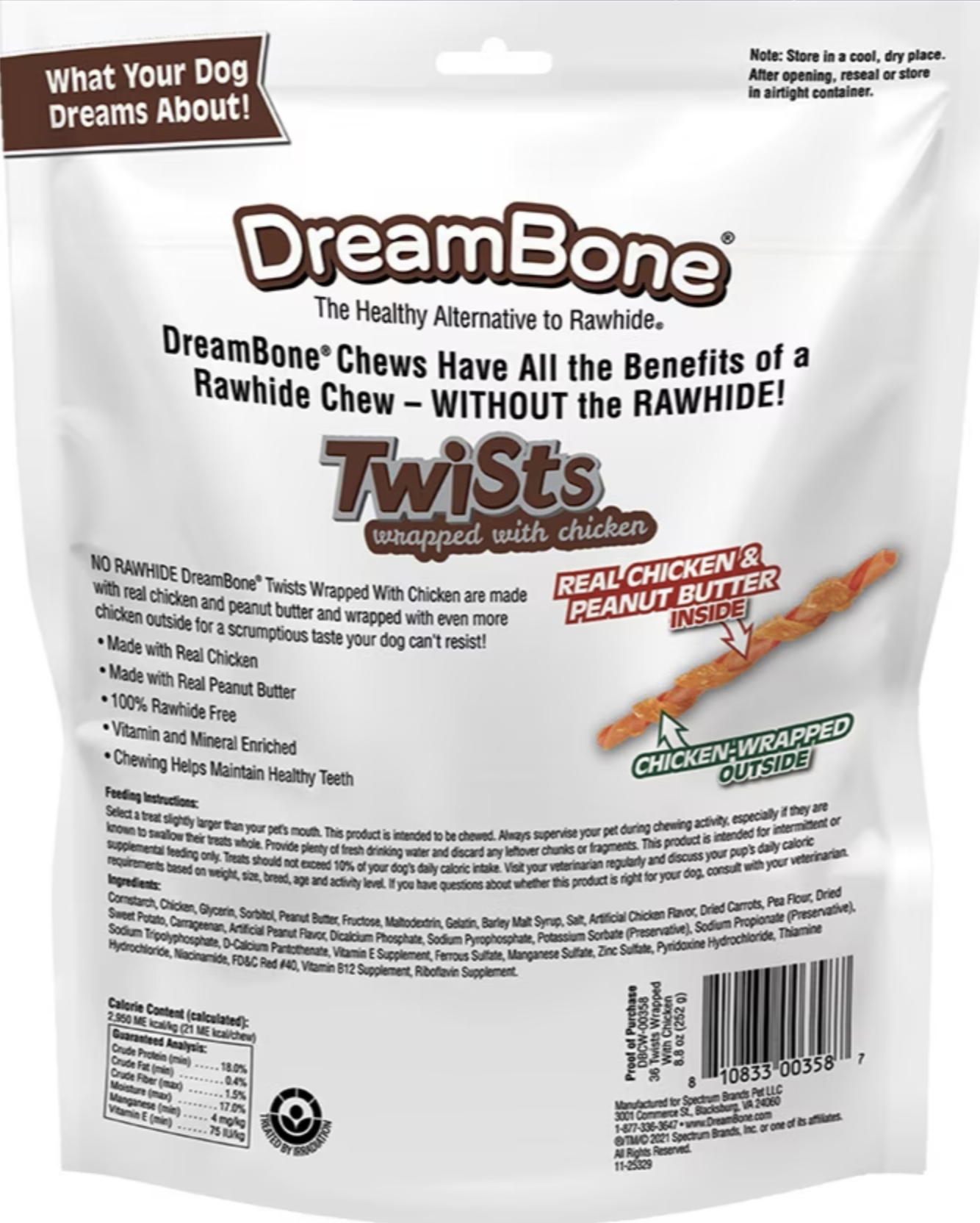
- Guaranteed analysis: 18% crude protein (min), 0.4% crude fat (min), 1.5% crude fiber (max), 17% moisture (max).
- Vitamin and mineral enriched; contains added vitamin E, B vitamins and trace minerals.
- Intended for intermittent or supplemental feeding only — not a meal replacement.
The digestibility claim, honestly
The core advantage over rawhide is real and it is structural. Rawhide is collagen; dogs digest it slowly and unpredictably, which is why a swallowed piece can sit in the stomach or lodge in the small intestine. A starch-based extruded chew breaks down far more readily in gastric acid, so a fragment that goes down whole is much less likely to become an obstruction. That is a genuine safety improvement, not marketing.
What 'easy to digest' does not mean is 'safe to swallow'. Any chew large enough to be interesting is large enough to obstruct if a determined gulper takes the last third in one go. The label's own instruction is the important one: choose a treat slightly larger than the dog's mouth, supervise chewing, and remove the end piece before it becomes a swallowable stub. We have never seen a chew of any material that survives contact with an unsupervised Labrador.
Reading the ingredient panel
Cornstarch is the first ingredient, followed by chicken, glycerin, sorbitol and peanut butter. That order tells you this is a carbohydrate-matrix chew flavoured and wrapped with meat, not a meat chew. It is not a criticism in itself — the starch matrix is precisely what makes it digestible — but it should temper any impression of a high-protein, meat-based product. The 18% crude protein minimum is respectable for a chew; the 0.4% fat minimum is low, which is useful for dogs on fat-restricted diets.
Glycerin and sorbitol are humectants that keep the stick pliable. Sorbitol is a sugar alcohol and, in quantity, an osmotic laxative — one plausible explanation for the loose stools some dogs develop when they get through several chews in a day. It is not xylitol and carries none of xylitol's toxicity, a distinction worth being clear about because owners frequently conflate the two.
FD&C Red #40 appears near the end of the list. It is an approved colourant with no established safety concern at these levels, but it exists solely to make the chew look meatier to the person buying it. Owners who avoid synthetic dyes on principle should know it is there. Carrageenan is also present; the evidence for gastrointestinal effects at food-additive levels in dogs is weak, though sensitive individuals are anecdotally reported.
The dental claim
The pack says chewing helps maintain healthy teeth. That is a soft claim, and it is broadly true in the trivial sense that mechanical abrasion removes some plaque. This product carries no VOHC Seal of Acceptance, so there is no independent evidence of clinically meaningful tartar or plaque reduction. Treat any dental benefit as incidental. Brushing, or a VOHC-accepted dental product, remains the intervention that changes periodontal outcomes.
In its favour, a pliable chew is far kinder to teeth than the hard alternatives many owners reach for. Antlers, hooves, nylon bones and weight-bearing marrow bones cause slab fractures of the upper fourth premolar — one of the most common dental fractures we extract. A chew you can dent with a thumbnail will not break a tooth. On that axis this product is the safer choice by some distance.
Calories and portioning
At roughly 21 kcal per stick, these are modest, but 36 in a bag invites casual over-handing. The standing rule is that treats should not exceed ten per cent of daily calories. A 10 kg dog eating around 500 kcal a day has a 50 kcal treat budget — two of these, and nothing else. A 5 kg dog has room for one. Dogs presenting to us at nine or ten out of nine body condition rarely get there through their dinner bowl; they get there through chews nobody counted.
Who should skip it
- Dogs with chicken or peanut allergies — both are principal ingredients.
- Dogs on a strict elimination diet for suspected food-responsive dermatitis or enteropathy.
- Aggressive gulpers who reduce any chew to swallowable fragments within seconds.
- Dogs with a history of dietary indiscretion, pancreatitis flares or foreign-body surgery.
- Owners who avoid synthetic colourants; FD&C Red #40 is on the panel.
- Puppies under supervision thresholds, and any dog left unattended with a chew.
The verdict
As a rawhide replacement, this does the one thing it needs to do: it substitutes a slow-digesting collagen mass for a starch matrix that breaks down predictably in the stomach. For a light-to-moderate chewer, in a household that counts treats and supervises chewing, it is a sensible, inexpensive and low-fat option that will not fracture a tooth.
It is not a dental product, not a protein source, and not a solution for a power chewer who will simply eat it. Read it for what it is — a safer-format recreational chew with a modest ingredient list and a marketing name that promises slightly more than the panel delivers.
Vet-recommended
Products our review board rates for this
Spot & Tango
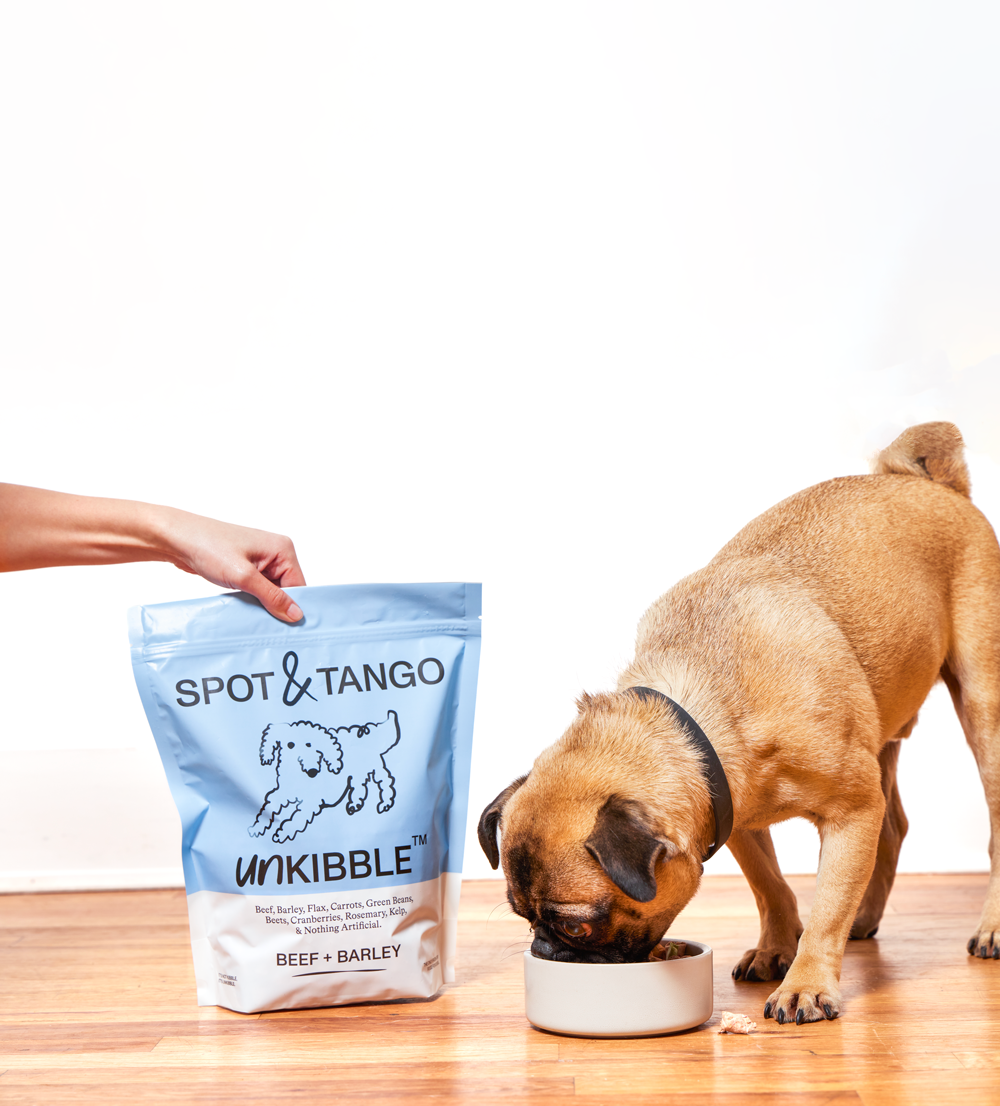
9.1Vet-formulated fresh trays and dehydrated UnKibble, portioned to the individual dog.
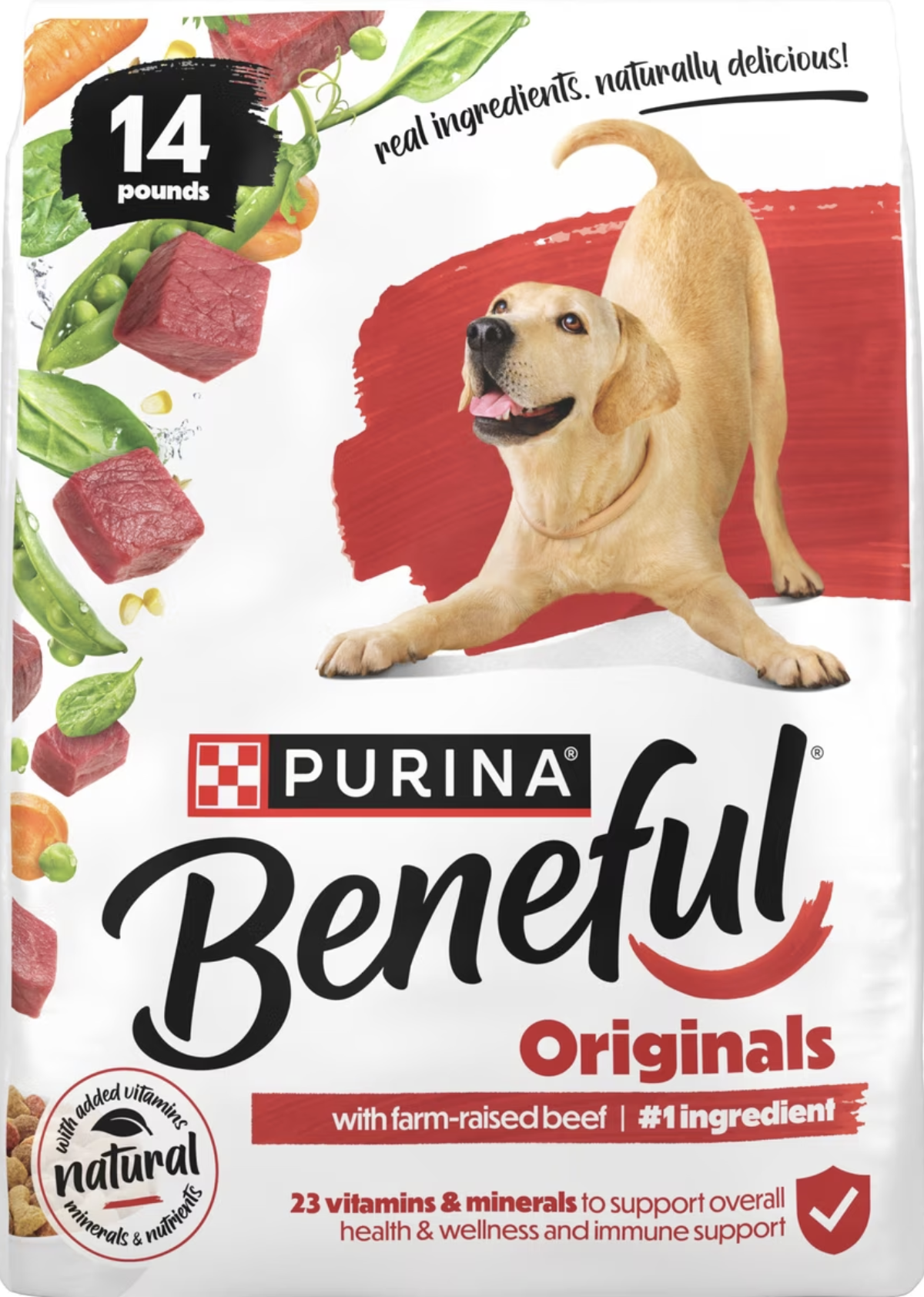
Purina Beneful Originals
7.2Farm-raised beef first, 23 added vitamins and minerals, no artificial colours.
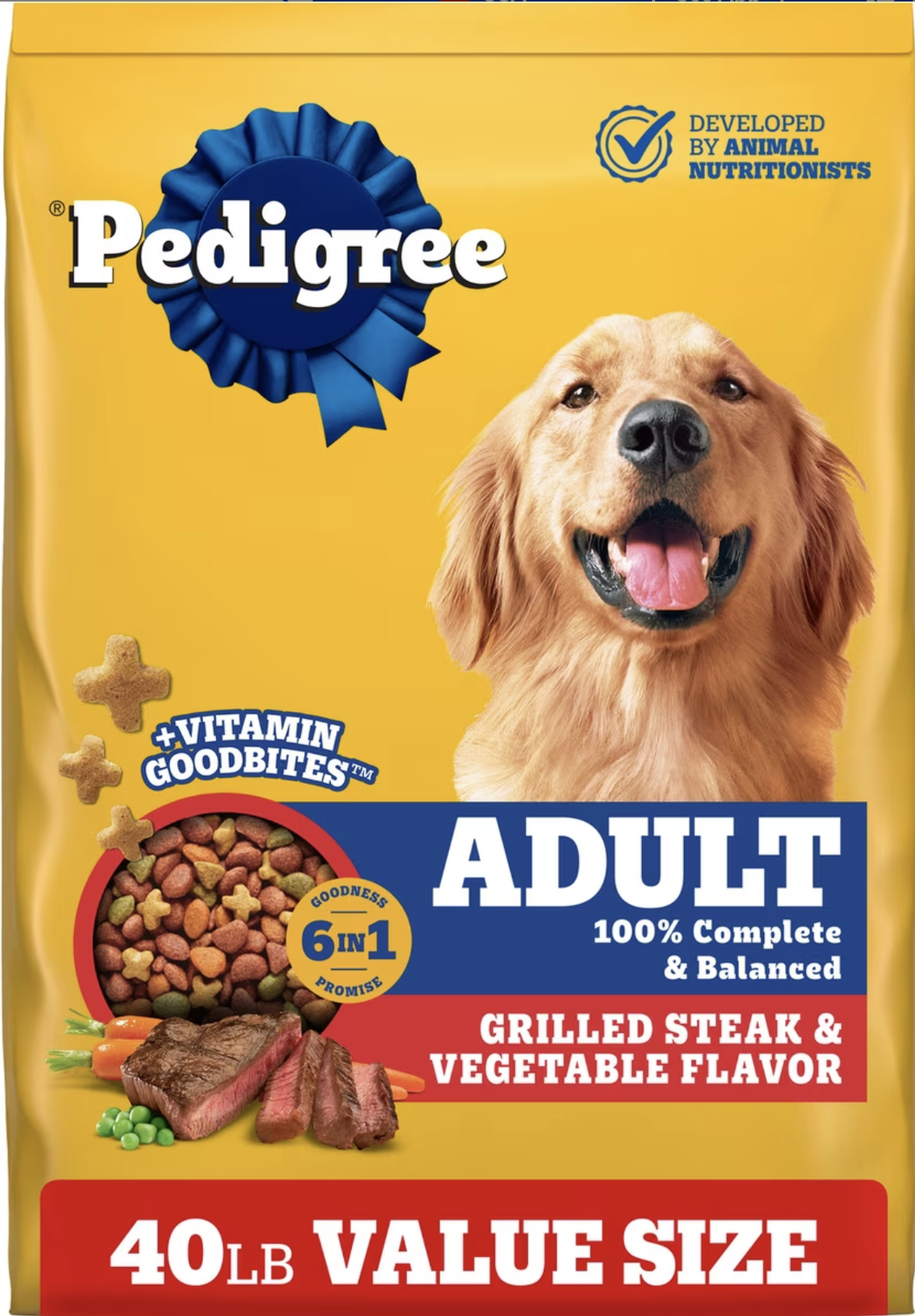
Pedigree Complete Nutrition
6.8Grilled steak and vegetable flavour, 40-lb value bag, priced below almost everything.
Recommendations are chosen by the Dr Murphies veterinary review board. Some links are affiliate links and we may earn a commission; this never affects our scoring, and brands do not see our copy before publication.
Dr Elise Murphy, BVSc (Hons)
Editor-in-chief