Life Stage
Feeding the Senior Pet: Protein Is Not the Enemy
For decades, senior pet foods were formulated with reduced protein based on an outdated assumption that lower protein protects ageing kidneys, but current evidence shows the opposite is often true: healthy senior dogs and cats typically need more, not less, high-quality protein to counter age-related muscle loss.
By Dr Mariana Oliveira, DVM, DACVN
24 June 2026
4 min read
Medically reviewed
Reviewed by Dr Mariana Oliveira, DVM, DACVN of the Dr Murphies Veterinary Review Board. Reviewed content is checked against current consensus guidance before publication.
For decades, senior pet foods were formulated with reduced protein based on an outdated assumption that lower protein protects ageing kidneys, but current evidence shows the opposite is often true: healthy senior dogs and cats typically need more, not less, high-quality protein to counter age-related muscle loss.
Sarcopenia and the Ageing Pet's Changing Protein Needs
Sarcopenia, the progressive loss of skeletal muscle mass with age, occurs even in healthy senior dogs and cats independent of any kidney disease, driven by reduced anabolic response to dietary protein and generally lower activity levels. Higher protein intake, distributed across meals, helps counter this by providing sufficient amino acids to stimulate what muscle protein synthesis capacity remains.
The low-protein senior diet convention traces back to studies in already kidney-diseased animals, where protein restriction reduces uraemic toxin production, but this population-specific finding was incorrectly generalised to all ageing pets regardless of renal status, a distinction only more recent research has properly corrected.
Where the Low-Protein Myth Originated
- Visible loss of muscle mass over the spine, shoulders and hindquarters
- Reduced strength getting up from lying down or climbing stairs
- Weight loss that is disproportionately muscle rather than fat
- General frailty or reduced resilience following illness or surgery
- Slower recovery from minor injuries compared to earlier in life
Muscle condition scoring, a hands-on assessment distinct from body fat scoring, should be part of every senior wellness check, because a senior pet can carry normal or even excess body fat while still losing significant lean muscle mass underneath.
When Protein Restriction Is Actually Appropriate
Routine senior bloodwork including creatinine, SDMA, urinalysis and blood pressure establishes whether kidney function is genuinely compromised before protein restriction is ever considered, since restricting protein in a senior pet with normal renal function offers no benefit and actively worsens sarcopenia.
Muscle condition scoring performed by the vet at each visit, combined with tracking bodyweight trends over time, distinguishes healthy ageing from concerning muscle wasting that may warrant increased dietary protein or investigation for underlying disease.
Digestibility Versus Percentage on the Label
Feeding an ageing pet well means matching protein and calorie intake to actual health status rather than age alone.
- Choose a senior diet with adequate, highly digestible protein unless kidney disease is confirmed
- Distribute protein intake across two or more meals rather than one
- Adjust total calories downward if activity has genuinely decreased with age
- Switch to a therapeutic renal diet only once kidney disease is actually diagnosed
Balancing Calorie Needs Against Protein Requirements in Seniors
Combining adequate protein intake with regular gentle resistance-style activity, such as controlled walks on varied terrain or swimming where suitable, helps preserve muscle mass more effectively than diet changes alone in ageing pets.
Dental health becomes increasingly important in seniors, since painful teeth can reduce food intake and protein consumption independent of appetite, making a full dental assessment part of any senior nutrition conversation.
When to seek help urgently
- Rapid, unexplained muscle loss over a period of weeks rather than months
- Sudden reluctance or inability to rise, suggesting acute pain or weakness
- Weight loss accompanying increased thirst and urination in an older pet
- Loss of appetite lasting more than a day or two in a senior animal
The right protein level for an individual senior pet depends on their actual kidney function and body composition, so have this assessed by your vet rather than defaulting to a generic senior formula.
Vet-recommended
Products our review board rates for this
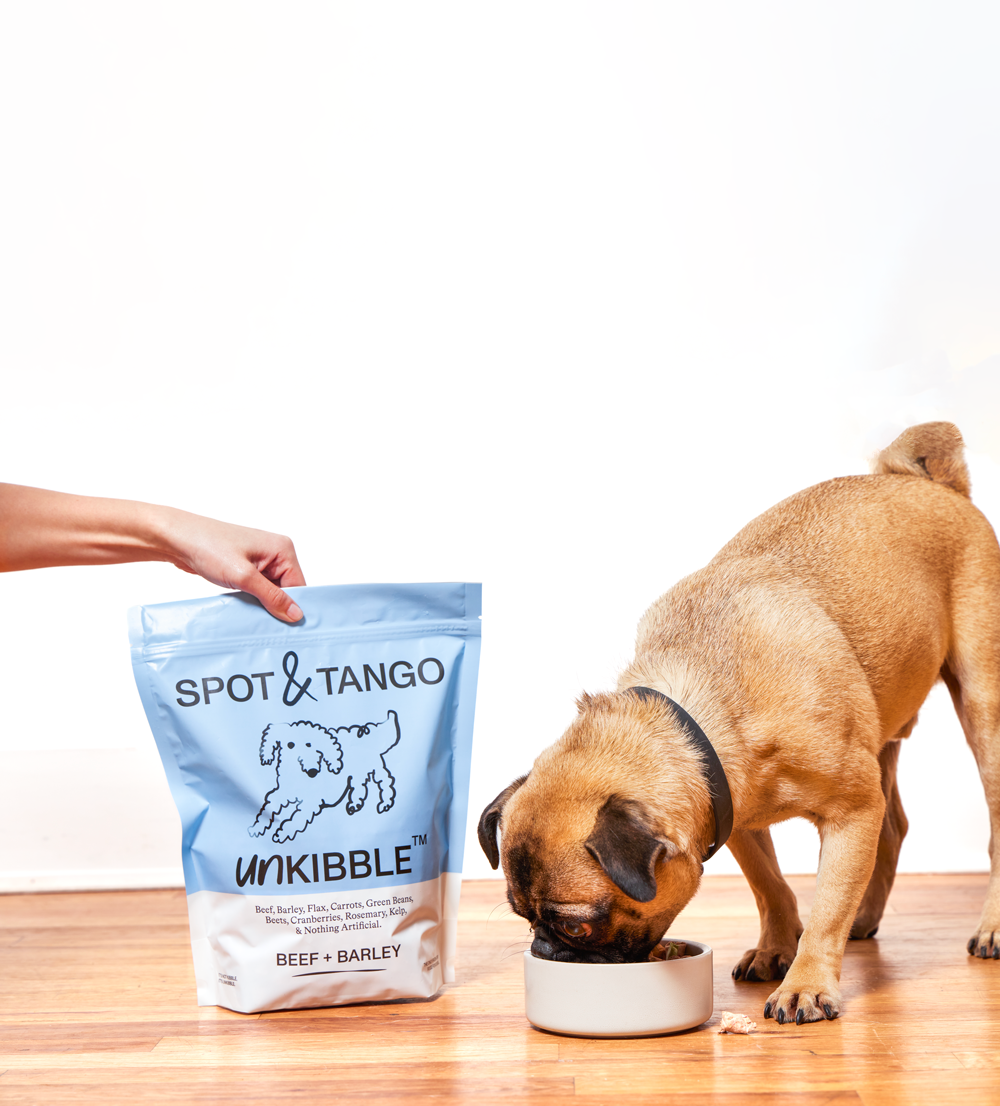
Spot & Tango
9.1Vet-formulated fresh trays and dehydrated UnKibble, portioned to the individual dog.
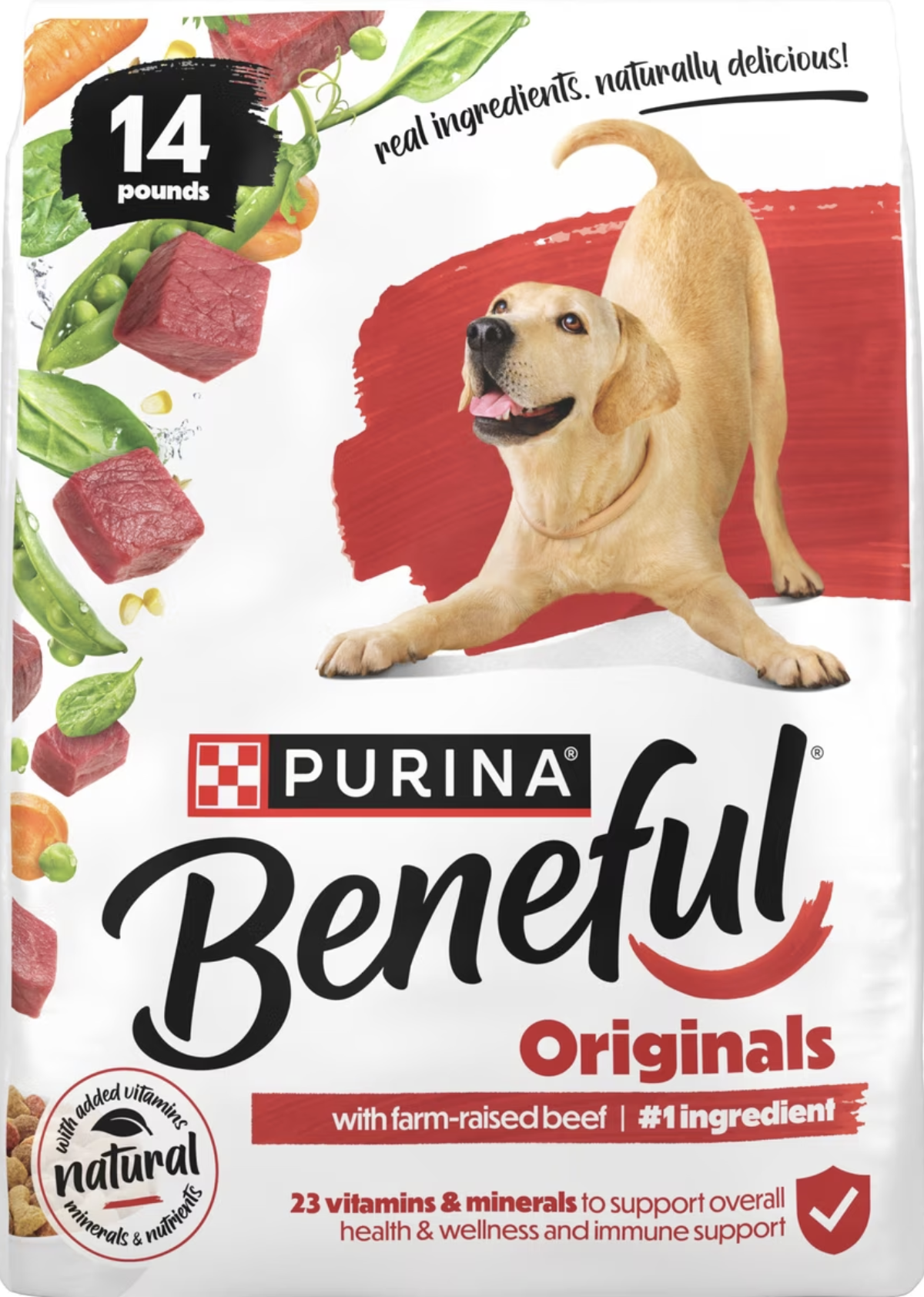
Purina Beneful Originals
7.2Farm-raised beef first, 23 added vitamins and minerals, no artificial colours.
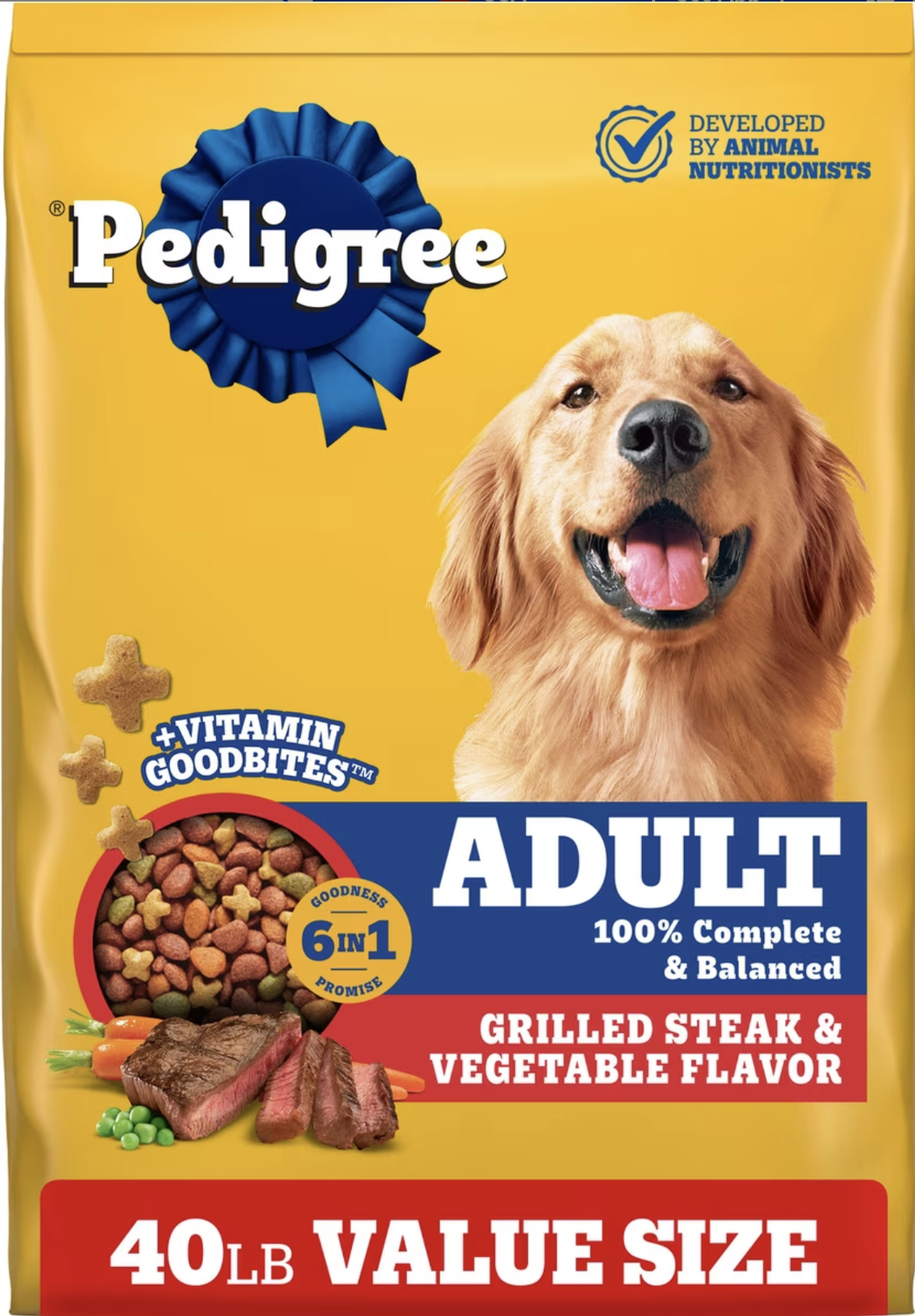
Pedigree Complete Nutrition
6.8Grilled steak and vegetable flavour, 40-lb value bag, priced below almost everything.
Recommendations are chosen by the Dr Murphies veterinary review board. Some links are affiliate links and we may earn a commission; this never affects our scoring, and brands do not see our copy before publication.
Dr Mariana Oliveira, DVM, DACVN
Veterinary nutritionist