Ferrets
Ferret Adrenal Disease
Adrenal disease is one of the most commonly diagnosed conditions in middle-aged and older pet ferrets, driven by hyperplasia or tumours of the adrenal cortex that oversecrete sex hormones rather than cortisol.
By Dr Priya Raghunathan, BVMS
3 November 2025
4 min read
Medically reviewed
Reviewed by Dr Noor Haddad, DVM, DACVD of the Dr Murphies Veterinary Review Board. Reviewed content is checked against current consensus guidance before publication.
Adrenal disease is one of the most commonly diagnosed conditions in middle-aged and older pet ferrets, driven by hyperplasia or tumours of the adrenal cortex that oversecrete sex hormones rather than cortisol. The result is a distinctive pattern of hair loss, itching and, in females, vulval swelling that owners often mistake for a skin problem.
An Unusual Hormonal Disease Pattern
Unlike adrenal disease in dogs and cats, ferret adrenal tumours or hyperplastic nodules typically secrete oestradiol, androstenedione and other sex steroids rather than excess cortisol, because the enzyme pathway in ferret adrenal tissue favours sex hormone production once regulatory feedback from the gonads is removed. This drives classic signs of hyperandrogenism and hyperoestrogenism despite the adrenal, not the ovary or testis, being the source.
The strong association with early-age desexing, historically common in ferrets from large-scale breeders, relates to the chronically elevated gonadotrophin-releasing hormone and luteinising hormone that follows loss of gonadal negative feedback; adrenal cortical cells carry LH receptors and respond to this persistent stimulation by proliferating over years, eventually forming nodules or tumours.
Why Early Neutering Is Linked to Adrenal Disease
- Progressive, symmetrical hair loss starting at the tail base and rump
- Return of sexual behaviour or aggression in a previously neutered ferret
- Vulval swelling in spayed females, mimicking being in season
- Difficulty urinating in males from prostatic enlargement or cysts
- Intense itching (pruritus) without evidence of parasites or infection
The hair loss pattern typically begins seasonally in spring and autumn before becoming persistent year-round as disease progresses, and any spayed female ferret with vulval swelling should be assessed for adrenal disease rather than an ovarian remnant alone.
The Classic Signs Owners First Notice
Abdominal ultrasound by an experienced exotics sonographer is the primary imaging tool, used to identify adrenal enlargement or a discrete mass and to determine which of the two adrenal glands, left or right, is affected, which matters because the right adrenal sits close to the vena cava and is surgically more difficult.
A ferret adrenal hormone panel measuring oestradiol, androstenedione and 17-hydroxyprogesterone is useful when ultrasound is equivocal or when both glands appear affected, since cortisol itself is usually normal and would mislead if used as the sole marker of adrenal activity.
Ultrasound, Hormone Panels and Locating the Tumour
Management depends on which gland is affected, the ferret's age and anaesthetic risk, and owner preference between surgical cure and ongoing medical suppression.
- Surgical adrenalectomy, curative for unilateral disease, especially of the left gland
- Deslorelin implants to suppress LH-driven hormone secretion medically
- Melatonin implants or supplements to help manage seasonal hair loss
- Management of concurrent prostatic disease in males with urinary signs
Surgical and Medical Management Options
Ferrets managed medically with deslorelin implants typically need replacement every 12-18 months as effectiveness wanes, and owners should watch for the return of hair loss or behavioural signs as a cue that a repeat implant is due rather than waiting for full-blown symptoms to return.
Ferrets that undergo successful unilateral adrenalectomy generally have a good long-term prognosis, though the remaining adrenal gland should be monitored via periodic ultrasound, since bilateral or sequential adrenal disease is a recognised long-term risk in this species.
When to seek help urgently
- Male ferret straining to urinate or producing no urine
- Sudden collapse or severe lethargy in a ferret with known adrenal disease
- Marked, rapidly worsening hair loss over just a few weeks
- Vulval swelling with discharge, suggesting possible complication
Adrenal disease presentation and best treatment path vary a great deal between individual ferrets, so use this only as background and rely on your own vet for diagnosis and a tailored plan.
Vet-recommended
Products our review board rates for this
Dial A Vet
9.0A global team of 250+ vets and vet techs on Zoom in under fifteen minutes, flat fee.

Lemonade Pet Insurance
9.4The lowest premiums in the category, with claims paid in minutes rather than weeks.
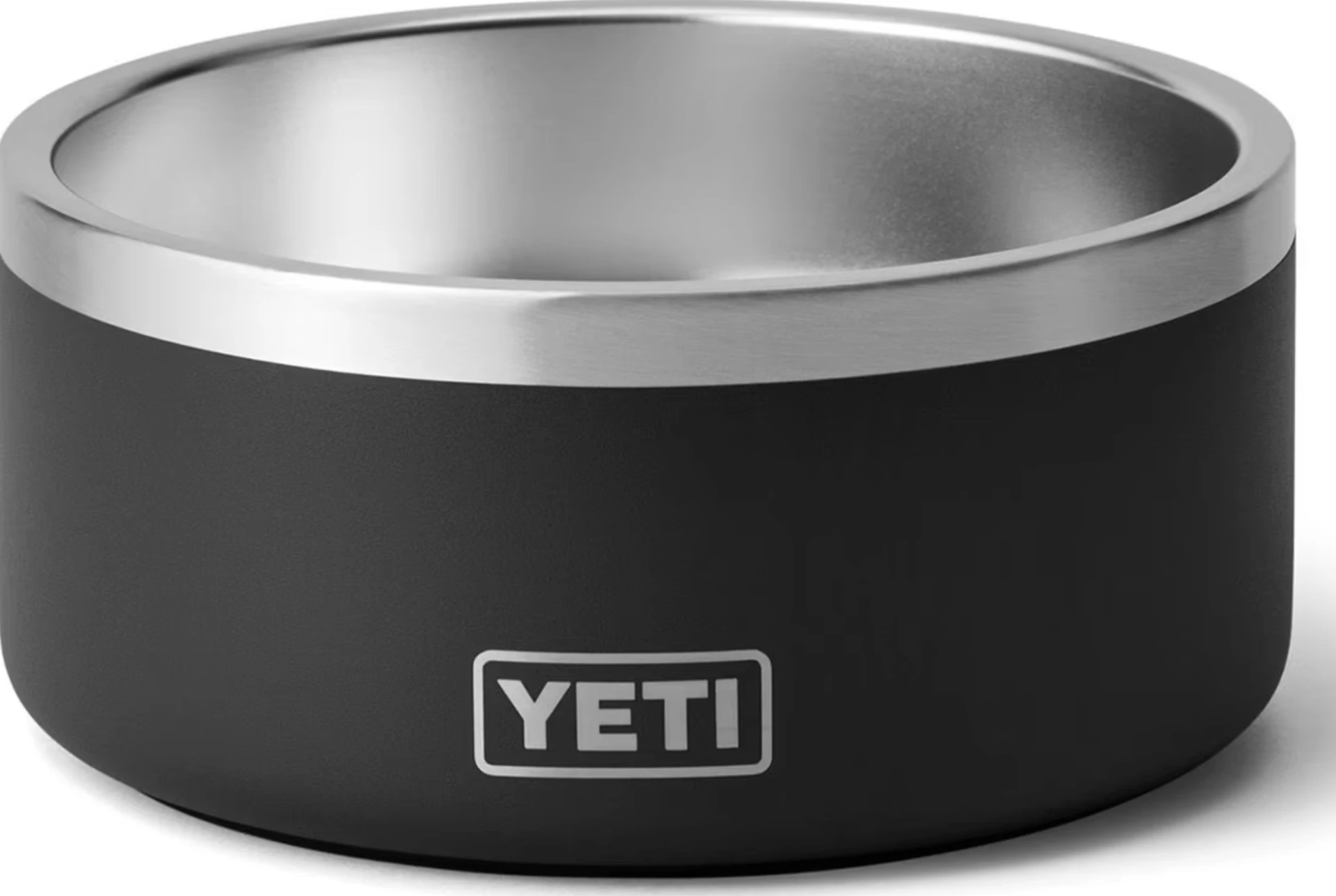
YETI Boomer 4 Dog Bowl
8.518/8 stainless, non-slip ring, dishwasher-safe — the last bowl you buy.
Recommendations are chosen by the Dr Murphies veterinary review board. Some links are affiliate links and we may earn a commission; this never affects our scoring, and brands do not see our copy before publication.
Dr Priya Raghunathan, BVMS
Emergency and critical care clinician