Fundamentals
Fibre: The Most Underrated Nutrient in the Bowl
Fibre is often treated as filler on pet food labels, yet different fibre types perform genuinely distinct physiological roles, from feeding colonic bacteria to slowing gastric emptying to bulking stool, and matching fibre type to the clinical problem at hand produces measurably better outcomes than a generic high-fibre diet.
By Dr Mariana Oliveira, DVM, DACVN
20 April 2026
4 min read

Medically reviewed
Reviewed by Dr Mariana Oliveira, DVM, DACVN of the Dr Murphies Veterinary Review Board. Reviewed content is checked against current consensus guidance before publication.
Fibre is often treated as filler on pet food labels, yet different fibre types perform genuinely distinct physiological roles, from feeding colonic bacteria to slowing gastric emptying to bulking stool, and matching fibre type to the clinical problem at hand produces measurably better outcomes than a generic high-fibre diet.
Soluble Versus Insoluble Fibre: Different Jobs Entirely
Soluble fibres such as psyllium and beet pulp absorb water to form a gel, slowing gastric emptying and moderating post-meal blood glucose rises, while also being fermented by colonic bacteria into short-chain fatty acids like butyrate that serve as the primary energy source for colonocytes and support gut barrier integrity.
Insoluble fibres such as cellulose add bulk to stool and stimulate colonic motility through mechanical distension without being significantly fermented, which is why insoluble fibre is preferred for straightforward constipation and stool bulking, while soluble and moderately fermentable fibres are favoured for diabetic and colonic health applications where fermentation byproducts matter.
Fermentable Fibre and Colonic Bacterial Health
- Loose or excessively soft stool suggesting inadequate fibre or fermentation imbalance
- Straining or infrequent, hard stool suggesting insufficient insoluble bulk
- Recurrent anal gland impaction linked to inadequately firm stool consistency
- Poor blood glucose control in a diabetic pet despite appropriate insulin dosing
- Excessive begging behaviour during a calorie-restricted weight loss programme
Stool consistency is a useful day-to-day indicator of whether fibre type and amount are appropriate, and a persistent shift toward either extreme, watery or pellet-hard, usually means the current fibre profile needs adjustment rather than being an unrelated issue.
Fibre's Role in Diabetic Glycaemic Control
For chronic gastrointestinal signs, faecal analysis and dietary trial with a specific fibre-modified diet, alongside ruling out parasites and inflammatory disease, determines whether a fibre adjustment alone resolves the problem or whether further investigation is warranted.
In diabetic pets showing poor glycaemic control, reviewing the current diet's fibre content and type alongside blood glucose curves helps determine whether switching to a higher soluble fibre therapeutic diabetic diet would improve control alongside the existing insulin protocol.
Fibre for Constipation, Anal Gland Issues and Weight Management
Choosing the right fibre intervention depends on precisely matching fibre type to the clinical goal.
- Use psyllium or a moderate soluble fibre diet for diabetic glycaemic support
- Add insoluble fibre such as wheat bran for simple constipation or anal gland issues
- Choose a fermentable prebiotic fibre blend to support colonic bacterial balance
- Increase total dietary fibre gradually within a weight loss diet to improve satiety
Getting the Fibre Type Wrong Can Backfire
Introducing any new fibre source gradually over seven to ten days minimises the flatulence and transient loose stool that can occur when colonic bacteria adjust to a new fermentation substrate, and this transition period should be planned rather than rushed.
Fresh vegetables like canned pumpkin or steamed green beans can supplement fibre intake in some pets, but they should be viewed as an addition to, not a replacement for, a properly formulated complete diet, since they do not address the full range of nutrients a therapeutic fibre diet provides.
When to seek help urgently
- Complete inability to pass stool for more than 48 hours
- Sudden severe diarrhoea unresponsive to dietary fibre adjustment
- Signs of intestinal obstruction including vomiting and abdominal pain
- Rapid, unexplained weight loss despite an apparently adequate fibre-rich diet
Fibre choice is more nuanced than simply adding more or less to the bowl, so ask your vet which specific fibre type suits your pet's particular gastrointestinal or metabolic issue.
Vet-recommended
Products our review board rates for this
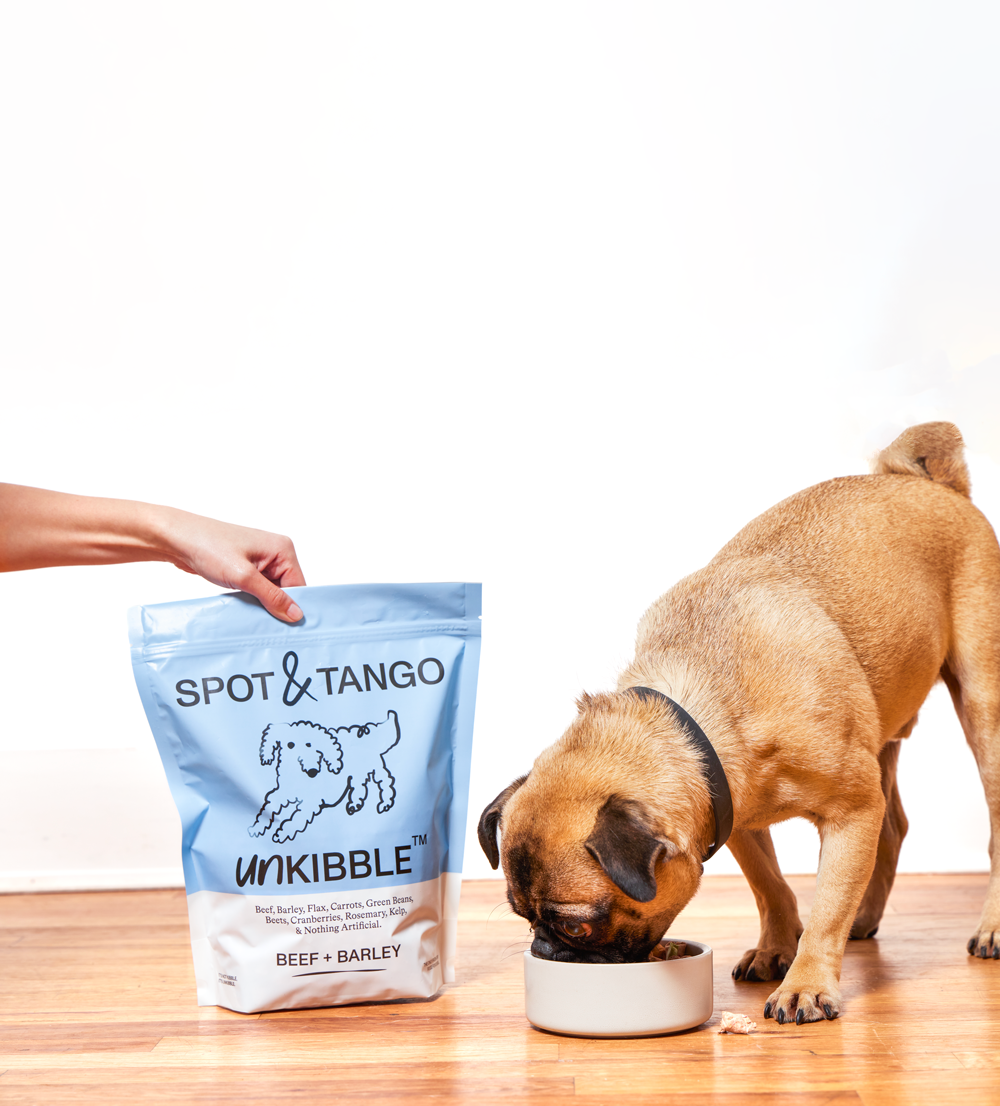
Spot & Tango
9.1Vet-formulated fresh trays and dehydrated UnKibble, portioned to the individual dog.
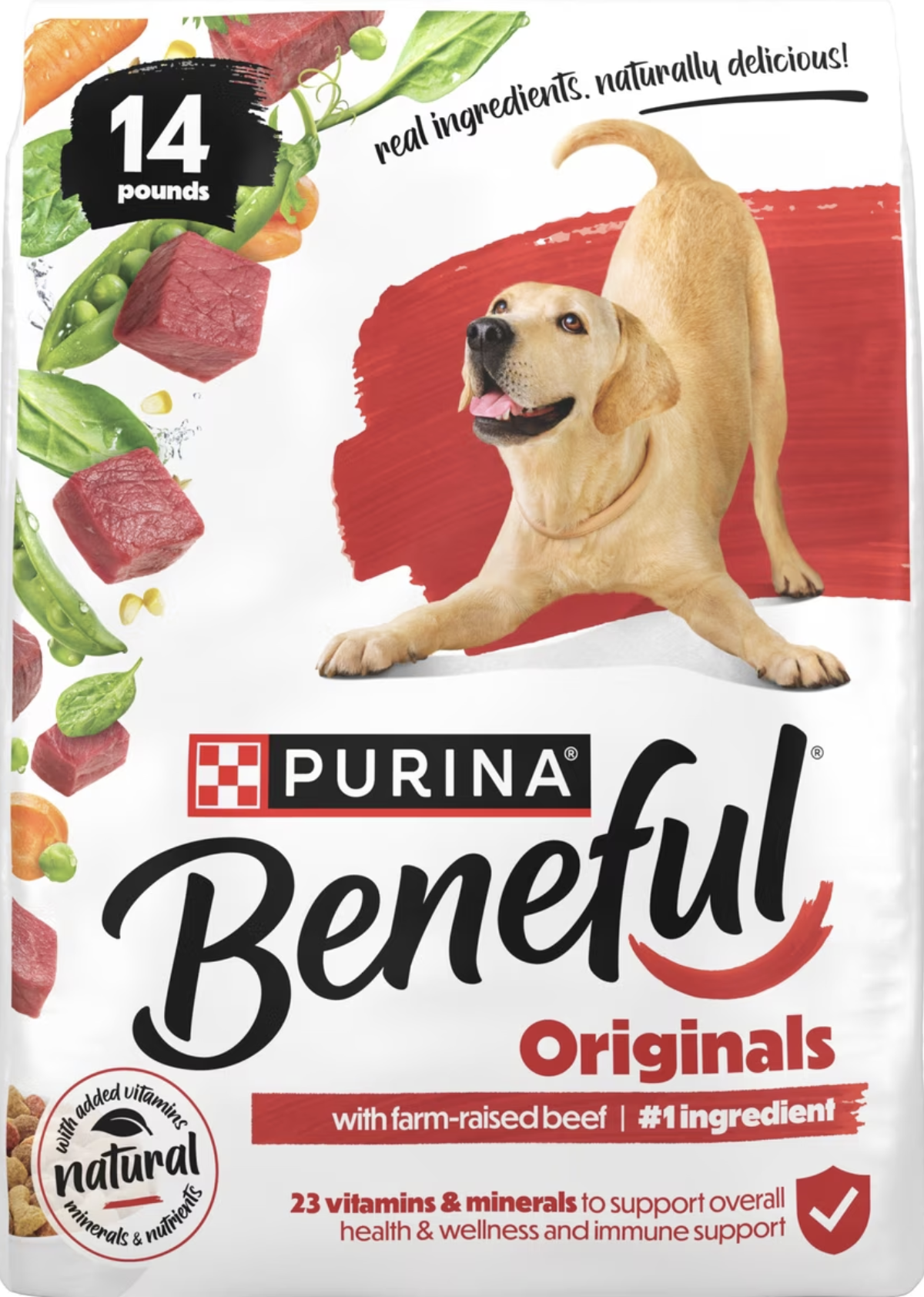
Purina Beneful Originals
7.2Farm-raised beef first, 23 added vitamins and minerals, no artificial colours.
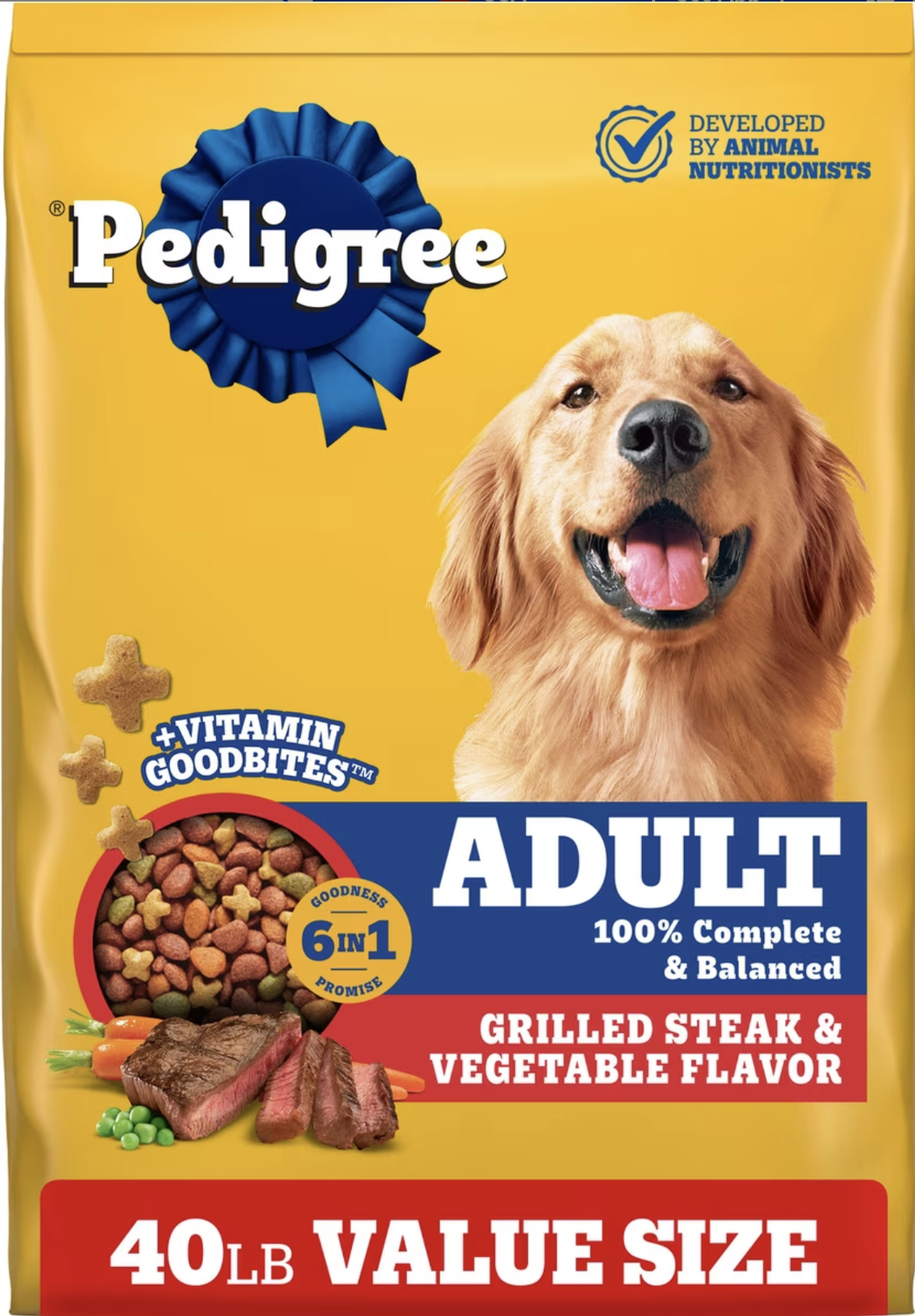
Pedigree Complete Nutrition
6.8Grilled steak and vegetable flavour, 40-lb value bag, priced below almost everything.
Recommendations are chosen by the Dr Murphies veterinary review board. Some links are affiliate links and we may earn a commission; this never affects our scoring, and brands do not see our copy before publication.
Dr Mariana Oliveira, DVM, DACVN
Veterinary nutritionist