Fish
Fin Rot and Water Quality in Aquariums
Fin rot, the progressive erosion and fraying of a fish's fins, is almost never a primary disease in its own right but a secondary bacterial or fungal infection that takes hold once water quality or stress has compromised the fish's protective mucus layer and immune defences.
By Dr Noor Haddad, DVM, DACVD
21 March 2026
4 min read
Medically reviewed
Reviewed by Dr Noor Haddad, DVM, DACVD of the Dr Murphies Veterinary Review Board. Reviewed content is checked against current consensus guidance before publication.
Fin rot, the progressive erosion and fraying of a fish's fins, is almost never a primary disease in its own right but a secondary bacterial or fungal infection that takes hold once water quality or stress has compromised the fish's protective mucus layer and immune defences. Treating the visible fin damage without correcting the underlying water chemistry reliably leads to relapse.
The Bacteria Behind Fin Rot and Why They Succeed
Fin rot is typically caused by opportunistic Gram-negative bacteria such as Aeromonas or Pseudomonas species, or occasionally secondary fungal invaders, which colonise fin tissue once it is damaged or once the fish's immune competence is reduced by poor water conditions. These organisms produce enzymes that break down fin tissue progressively from the edges inward.
Elevated ammonia and nitrite from an immature or overloaded biological filter are chemically damaging to gill and fin epithelium even at low concentrations, directly predisposing to infection, while an uncycled 'new tank syndrome' scenario is one of the most common underlying triggers seen alongside overstocking, overfeeding and infrequent water changes.
Ammonia, Nitrite and the Nitrogen Cycle Connection
- Fraying, ragged edges to the fins, often with a whitish margin
- Fin tissue progressively receding toward the body over days
- Reddened, inflamed tissue at the base of affected fins
- Clamped fins held close to the body rather than extended
- Lethargy or reduced appetite in more advanced, systemic cases
Early fin rot with only slight fraying and no redness is far easier to reverse through water quality correction alone than advanced cases where infection has reached the fin base and body, so prompt water testing at the first sign of fraying is worthwhile.
Recognising Fin Rot at Different Stages
Water testing for ammonia, nitrite, nitrate and pH is the essential first diagnostic step, since these parameters usually reveal an underlying husbandry problem; ammonia and nitrite should both read zero in an established, properly cycled tank, with any detectable level indicating a filtration or overstocking issue.
Visual assessment of the extent and progression of fin damage, ideally tracked with photographs, guides whether topical or systemic antibacterial treatment is warranted, and a check for concurrent parasites or fungal growth helps rule out mixed infections that would need broader treatment.
Water Testing as the Core Diagnostic Tool
Effective treatment addresses the infection directly while simultaneously correcting whatever water quality issue allowed it to establish, since the two must be tackled together for lasting resolution.
- Water changes of 25-50 percent to immediately dilute ammonia and nitrite
- Antibacterial aquarium medication targeted at Gram-negative fin infections
- Reduced feeding and stocking density while the tank recovers
- Aquarium salt baths for freshwater species tolerant of mild salinity
Treating the Infection and Fixing the Tank
Preventing recurrence means establishing a consistent maintenance routine: weekly partial water changes of around 10-20 percent, regular testing of ammonia and nitrite, and avoiding sudden increases in stocking density that outpace the biological filter's capacity.
New tanks should be fully cycled, with a stable population of nitrifying bacteria established, before fish are introduced or before stocking is increased, since fin rot outbreaks cluster heavily around newly set up aquariums where this step was rushed.
When to seek help urgently
- Fin damage progressing rapidly toward the fish's body over a day or two
- Fish gasping at the surface, suggesting concurrent poor water oxygenation
- Widespread redness or ulceration beyond just the fin margins
- Multiple fish in the same tank showing signs simultaneously
Aquatic species and tank setups vary enormously, so this is general guidance only; consult an aquatic veterinarian or experienced aquatics specialist for a plan specific to your tank.
Vet-recommended
Products our review board rates for this
Dial A Vet
9.0A global team of 250+ vets and vet techs on Zoom in under fifteen minutes, flat fee.

Lemonade Pet Insurance
9.4The lowest premiums in the category, with claims paid in minutes rather than weeks.
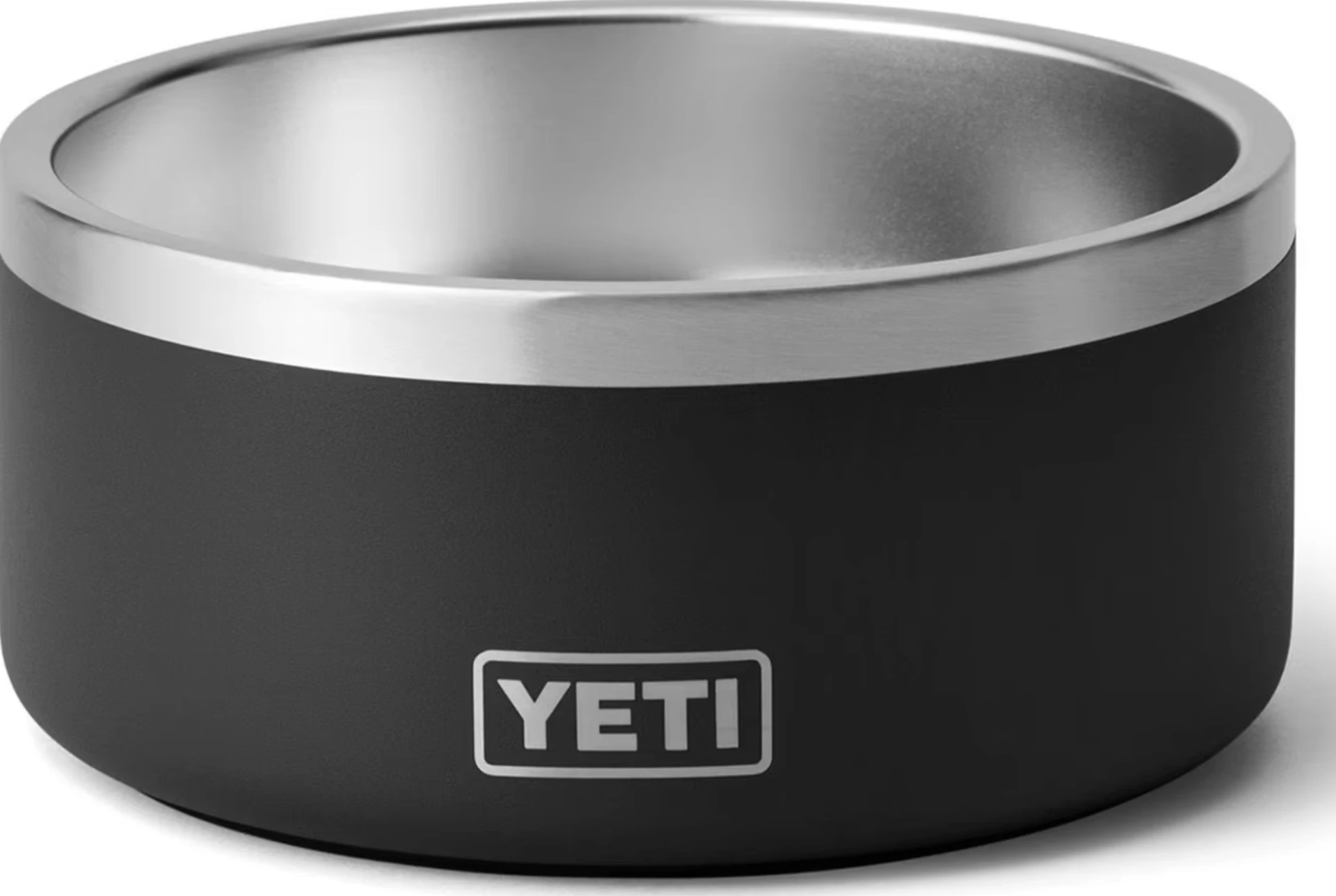
YETI Boomer 4 Dog Bowl
8.518/8 stainless, non-slip ring, dishwasher-safe — the last bowl you buy.
Recommendations are chosen by the Dr Murphies veterinary review board. Some links are affiliate links and we may earn a commission; this never affects our scoring, and brands do not see our copy before publication.
Dr Noor Haddad, DVM, DACVD
Veterinary dermatologist