Evidence Review
Grain-Free Diets and DCM: Where the Evidence Stands
Since 2018 the FDA has investigated a cluster of dilated cardiomyopathy cases in dog breeds not typically predisposed to the disease, many of them eating grain-free, legume-rich diets.
By Dr Priya Raghunathan, BVMS
18 May 2026
4 min read

Medically reviewed
Reviewed by Dr Samuel Adeyemi, DVM, DACVIM of the Dr Murphies Veterinary Review Board. Reviewed content is checked against current consensus guidance before publication.
Since 2018 the FDA has investigated a cluster of dilated cardiomyopathy cases in dog breeds not typically predisposed to the disease, many of them eating grain-free, legume-rich diets. The exact mechanism remains unproven, but enough circumstantial evidence has accumulated that cardiologists now ask about diet history in every atypical DCM presentation.
What Dilated Cardiomyopathy Actually Does to the Heart
Dilated cardiomyopathy causes the heart's ventricular walls to thin and stretch, reducing the muscle's ability to contract forcefully and eventually leading to congestive heart failure and arrhythmias. Breeds like Doberman Pinschers and Great Danes have a known genetic predisposition, which is why cases appearing in Golden Retrievers, Labradors and mixed breeds prompted investigation.
The leading hypothesis is that legume-heavy, potato-heavy grain-free formulations interfere with taurine synthesis or bioavailability, possibly through reduced digestibility of sulphur amino acid precursors like methionine and cysteine, or through compounds in pulses that bind bile acids and disrupt taurine's enterohepatic recycling. No single ingredient has been confirmed as causal.
The Grain-Free Correlation and Its Limits
- Exercise intolerance and unusually rapid tiring during normal walks
- Coughing, especially at night or after lying down for a while
- Laboured or rapid breathing at rest, not just after exertion
- Episodes of collapse, weakness or fainting during exercise
- Distended abdomen from fluid accumulation in advanced heart failure
These signs overlap with many other cardiac and respiratory conditions, so a diet history spanning several years, not just current food, should be given to the vet, since taurine-related myocardial changes can take a long time to become clinically apparent.
Taurine, Pulses and Possible Mechanisms
Diagnosis relies on echocardiography to measure ventricular chamber size and contractility, alongside blood taurine levels drawn appropriately relative to feeding time, since whole blood and plasma taurine can both be checked. NT-proBNP blood testing helps flag dogs needing cardiac referral before owners notice obvious signs.
A thorough diet history covering brand, formulation changes and treat habits over the preceding two to three years is taken alongside these tests, because the FDA's reports found many affected dogs had been eating the implicated diets for extended periods before symptoms emerged.
Which Breeds and Diets Raised Concern
Management combines standard heart failure medicine with a deliberate diet change back towards a more conventional formulation.
- Switch away from boutique grain-free legume-heavy diets under veterinary guidance
- Supplement taurine and carnitine if blood levels confirm deficiency
- Start pimobendan, ACE inhibitors and diuretics as cardiology dictates
- Recheck echocardiogram and taurine levels three to six months after switching
Where the Science Currently Sits
Some dogs show measurable improvement in cardiac function after diet correction and taurine supplementation, particularly if caught before severe myocardial remodelling has occurred, which makes early recognition genuinely worthwhile rather than academic.
Owners who prefer grain-free diets for genuine allergy reasons can be guided toward formulations from manufacturers with board-certified nutritionists and long-term feeding trial data, rather than avoiding grain-free diets as a category outright.
When to seek help urgently
- New coughing or breathing difficulty in a dog on a grain-free diet
- Collapse or fainting episodes during play or exercise
- Sudden lethargy combined with a swollen or fluid-filled abdomen
- Blue or pale gums indicating inadequate oxygen delivery
This remains an active area of veterinary cardiology research rather than a settled question, so any diet change or supplementation decision should be made with your own vet, ideally alongside a cardiologist if DCM is suspected.
Vet-recommended
Products our review board rates for this

Spot & Tango
9.1Vet-formulated fresh trays and dehydrated UnKibble, portioned to the individual dog.
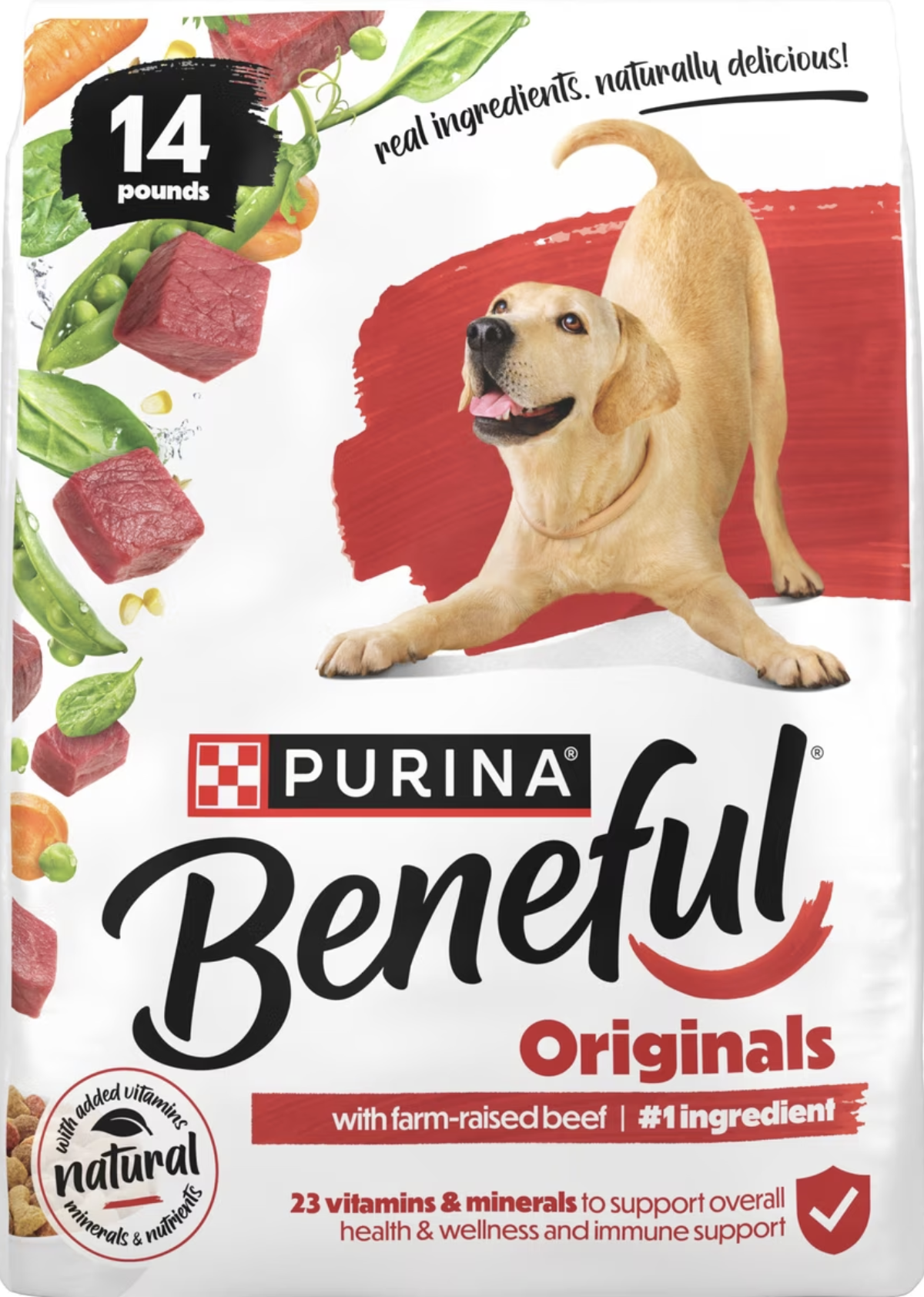
Purina Beneful Originals
7.2Farm-raised beef first, 23 added vitamins and minerals, no artificial colours.
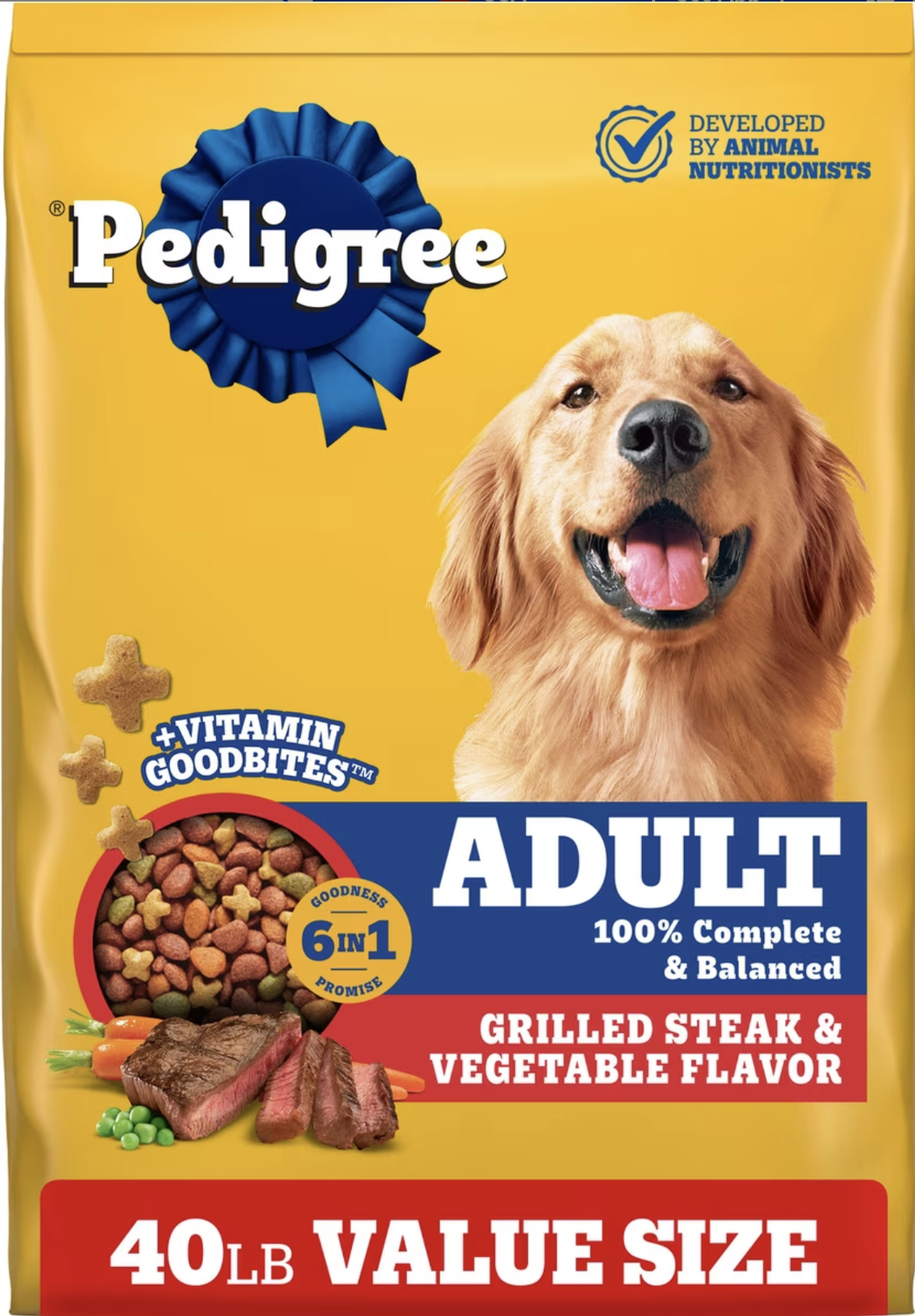
Pedigree Complete Nutrition
6.8Grilled steak and vegetable flavour, 40-lb value bag, priced below almost everything.
Recommendations are chosen by the Dr Murphies veterinary review board. Some links are affiliate links and we may earn a commission; this never affects our scoring, and brands do not see our copy before publication.
Dr Priya Raghunathan, BVMS
Emergency and critical care clinician