Hamsters
Wet Tail in Hamsters
Wet tail is the common name for proliferative ileitis, an acute and often fatal diarrhoeal disease of hamsters, most commonly linked to infection with Lawsonia intracellularis and worsened by stress at the point of weaning or rehoming.
By Dr Noor Haddad, DVM, DACVD
5 November 2025
4 min read
Medically reviewed
Reviewed by Dr Samuel Adeyemi, DVM, DACVIM of the Dr Murphies Veterinary Review Board. Reviewed content is checked against current consensus guidance before publication.
Wet tail is the common name for proliferative ileitis, an acute and often fatal diarrhoeal disease of hamsters, most commonly linked to infection with Lawsonia intracellularis and worsened by stress at the point of weaning or rehoming. It progresses fast, sometimes killing a young hamster within 24-48 hours of the first soiled tail being noticed.
The Bacterium Behind Wet Tail
Lawsonia intracellularis is an obligate intracellular bacterium that invades the crypt cells of the ileum, causing them to proliferate abnormally, a lesion pattern shared with proliferative enteropathy in pigs. This thickens the intestinal wall, impairs absorption and triggers severe secretory diarrhoea, and secondary bacterial overgrowth with organisms such as Clostridium or E. coli commonly compounds the damage.
Weaning stress, overcrowding, abrupt diet change and transport suppress gut immunity in young hamsters aged three to ten weeks, the group most frequently affected, which is why outbreaks cluster around pet shop stock and recent rehoming. The resulting fluid loss and endotoxaemia can cause death from dehydration and shock within a day or two of onset.
Why Young, Recently Rehomed Hamsters Are Most at Risk
- Wet, matted fur around the tail and hindquarters from watery diarrhoea
- Sudden lethargy and a hunched, ruffled-coat appearance
- Complete loss of appetite and refusal of usual treats
- Rectal prolapse in severe or prolonged cases
- Rapid dehydration with sunken eyes and tented skin
Because wet tail can kill within a day of the first visible sign, any hamster with wet, soiled fur around the tail combined with lethargy or reduced appetite needs same-day veterinary attention rather than a wait-and-see approach.
Recognising the Rapid Onset of Signs
Diagnosis is largely clinical given the animal's small size and the speed of the disease, based on age, recent history of rehoming or stress, and the characteristic diarrhoea, and treatment is often started on suspicion before laboratory confirmation is available.
Where diagnostics are pursued, PCR testing of faeces can confirm Lawsonia intracellularis, and a basic assessment of hydration status and body condition guides how aggressively fluid therapy needs to be given; blood sampling is rarely practical in such a small, fragile patient.
Diagnostic Challenges in Such a Small Patient
Because deterioration is so fast, treatment is started urgently and focuses on rehydration and antimicrobial therapy targeted at the likely organism.
- Subcutaneous fluids given repeatedly through the day to counter dehydration
- Antibiotics such as enrofloxacin or a tetracycline effective against Lawsonia
- Syringe feeding of a recovery diet to maintain calorie intake
- Keeping the hamster warm, since small body mass makes hypothermia rapid
Emergency Treatment and Its Limits
Hamsters that survive the acute phase usually recover fully within a week or two, but the intestinal lining needs time to heal, so a bland, easily digestible diet should be reintroduced gradually alongside their normal food over several days.
Reducing stress during the vulnerable early weeks after acquisition, avoiding overcrowded housing, quarantining new hamsters, and introducing dietary changes gradually rather than abruptly all reduce the risk of triggering an episode in susceptible young animals.
When to seek help urgently
- Watery diarrhoea combined with sudden lethargy in a young hamster
- Visible dehydration such as sunken eyes or skin that stays tented
- Rectal prolapse or straining with diarrhoea
- Any hamster under ten weeks old showing wet, soiled hindquarters
Given how quickly this disease progresses, this article should not delay a same-day visit to your own vet if wet tail is suspected in your hamster.
Vet-recommended
Products our review board rates for this
Dial A Vet
9.0A global team of 250+ vets and vet techs on Zoom in under fifteen minutes, flat fee.

Lemonade Pet Insurance
9.4The lowest premiums in the category, with claims paid in minutes rather than weeks.
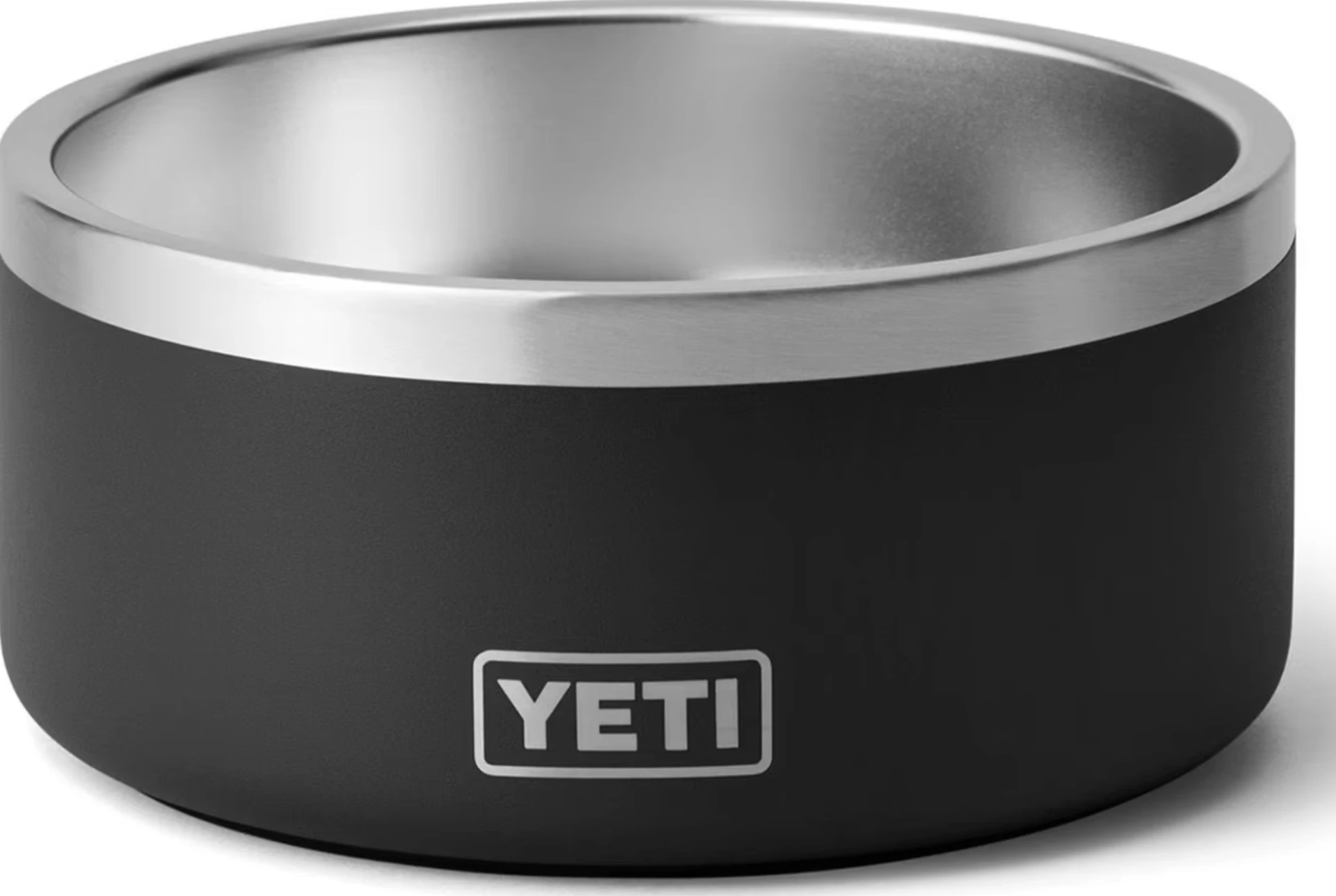
YETI Boomer 4 Dog Bowl
8.518/8 stainless, non-slip ring, dishwasher-safe — the last bowl you buy.
Recommendations are chosen by the Dr Murphies veterinary review board. Some links are affiliate links and we may earn a commission; this never affects our scoring, and brands do not see our copy before publication.
Dr Noor Haddad, DVM, DACVD
Veterinary dermatologist