Fundamentals
Homemade Diets: The Nutrient Gaps Nobody Mentions
Studies analysing owner-formulated homemade diets, including recipes sourced from books and websites marketed as complete, have repeatedly found the overwhelming majority deficient in at least one essential nutrient, most commonly calcium, zinc, copper or specific vitamins.
By Dr Aisha Bello, BVetMed
26 June 2026
4 min read

Medically reviewed
Reviewed by Dr Eleanor Murphy, BVSc of the Dr Murphies Veterinary Review Board. Reviewed content is checked against current consensus guidance before publication.
Studies analysing owner-formulated homemade diets, including recipes sourced from books and websites marketed as complete, have repeatedly found the overwhelming majority deficient in at least one essential nutrient, most commonly calcium, zinc, copper or specific vitamins. Good intentions and fresh ingredients do not automatically equal nutritional completeness.
Why Meat-Based Recipes Are Almost Always Calcium Deficient
Meat, even including organ meat, is naturally calcium-poor relative to phosphorus, so a homemade diet built around muscle meat without a deliberate calcium source such as ground bone, bone meal or a calcium carbonate supplement produces a severely inverted calcium-to-phosphorus ratio. Over months this drives secondary nutritional hyperparathyroidism, pulling calcium from bone to maintain blood levels and eventually causing pathological fractures, particularly in growing puppies and kittens.
Trace minerals like zinc and copper are required in tiny absolute amounts but are frequently underestimated in home recipes because they are not intuitively associated with any particular ingredient, and analysis of published homemade diet recipes has found the majority fail to meet minimum requirements for one or more of these micronutrients even when calorie and macronutrient content appear reasonable.
Trace Mineral Gaps: Zinc, Copper and Manganese
- Lameness or reluctance to bear weight in a growing puppy or kitten
- Poor coat quality, hair loss or slow wound healing over time
- Skeletal deformity or bowing of the long bones during growth
- Lethargy and poor muscle development despite adequate calorie intake
- Dental abnormalities or delayed eruption in young growing animals
Deficiency signs typically take months to appear because the body draws on its own reserves first, particularly bone calcium, which means an apparently healthy-looking pet on an unbalanced homemade diet may already be accumulating a significant nutritional deficit.
Vitamin D and E Shortfalls in Unsupplemented Recipes
A full recipe analysis against NRC or FEDIAF nutrient profiles, ideally performed by a board-certified veterinary nutritionist using dedicated formulation software, is the only reliable way to confirm whether a homemade diet meets requirements, since generic online calculators rarely account for bioavailability differences between ingredients.
For pets already showing signs of deficiency, blood calcium, phosphorus, and where clinically indicated zinc and copper levels, alongside radiographs assessing bone density in growing animals, confirm the extent of nutritional impact and guide correction.
The Difference Between a Recipe and a Formulated Diet
Correcting an unbalanced homemade diet requires professional reformulation rather than simply adding a multivitamin.
- Obtain a formal recipe analysis and correction from a veterinary nutritionist
- Add a properly dosed calcium source calculated for the specific recipe
- Supplement identified trace mineral and vitamin deficiencies precisely
- Recheck relevant bloodwork after several months on the corrected recipe
Working With a Veterinary Nutritionist on Home Cooking
Home cooking can be done safely and even offers advantages for pets with multiple food intolerances, but it requires the same rigour as formulating any commercial diet, including recalculating the recipe whenever ingredients, quantities or the pet's life stage change.
Services such as balanceit.com or a referral to a veterinary nutrition service allow owners to generate genuinely complete recipes tailored to ingredients they can reliably source, which removes much of the guesswork from long-term home feeding.
When to seek help urgently
- Sudden lameness or fracture in a young dog on an unsupplemented homemade diet
- Seizures potentially linked to severe calcium or thiamine deficiency
- Failure to grow or thrive in a puppy or kitten despite apparent good appetite
- Severe skin or coat deterioration alongside other systemic signs
Homemade feeding can absolutely work, but only when the recipe has been properly balanced by someone qualified to do so, so involve your vet or a veterinary nutritionist before committing to it long term.
Vet-recommended
Products our review board rates for this
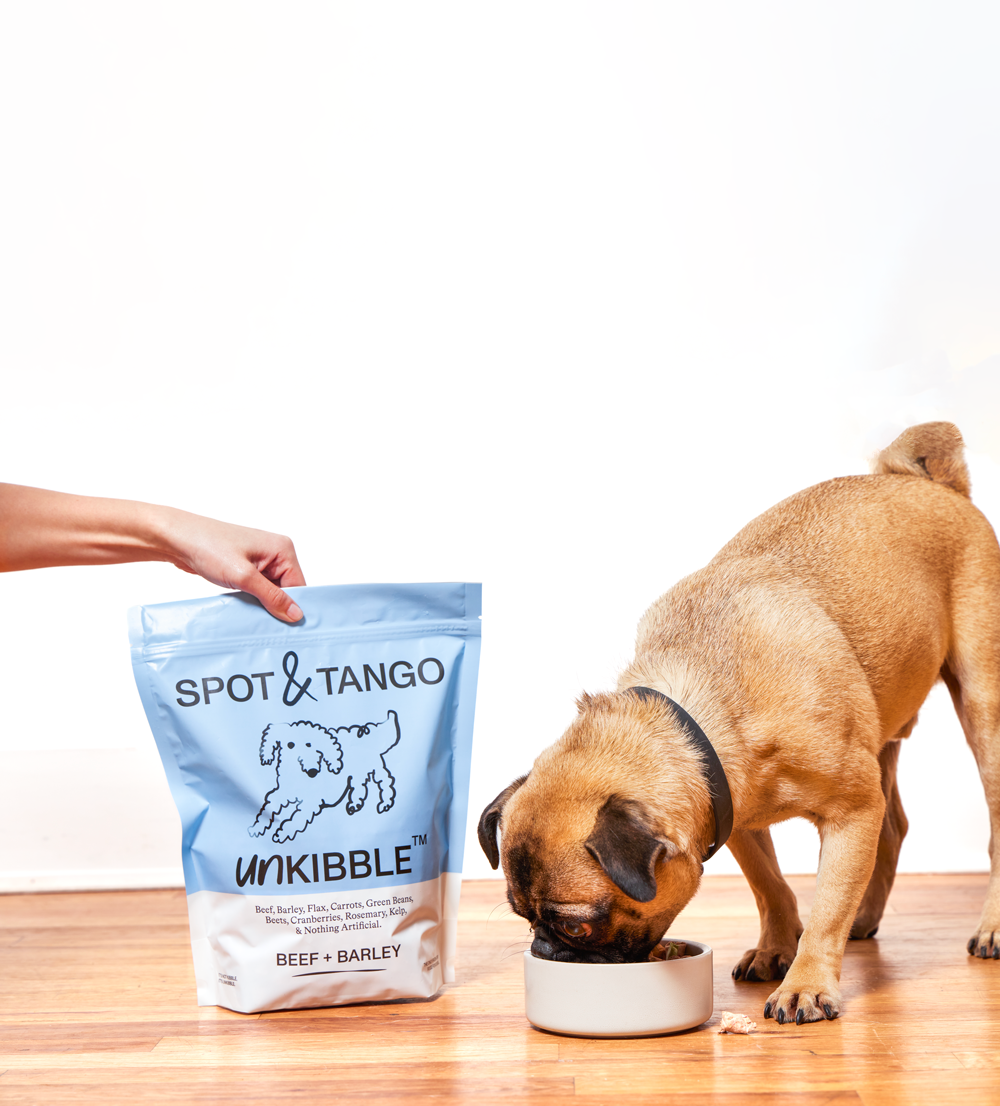
Spot & Tango
9.1Vet-formulated fresh trays and dehydrated UnKibble, portioned to the individual dog.
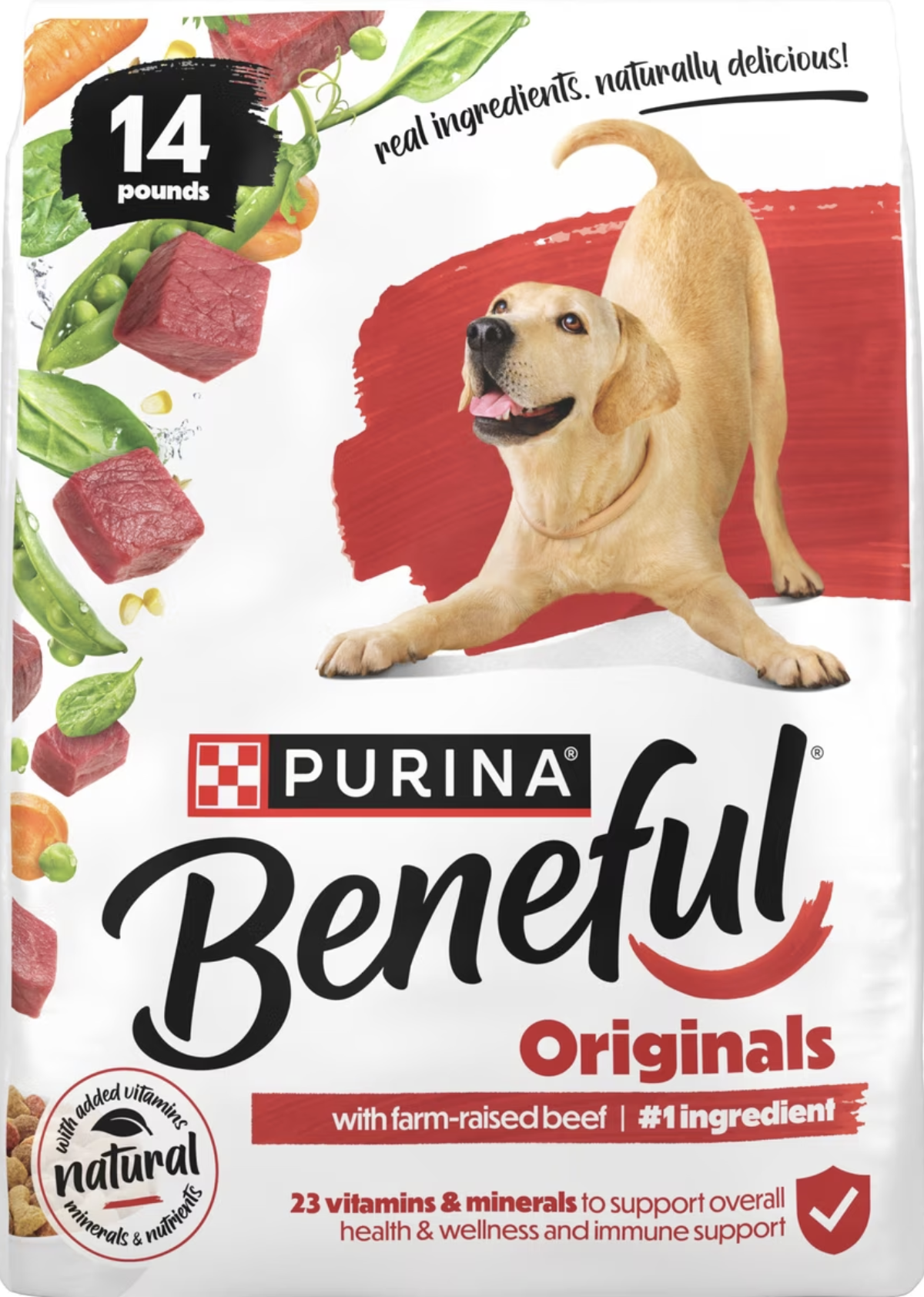
Purina Beneful Originals
7.2Farm-raised beef first, 23 added vitamins and minerals, no artificial colours.
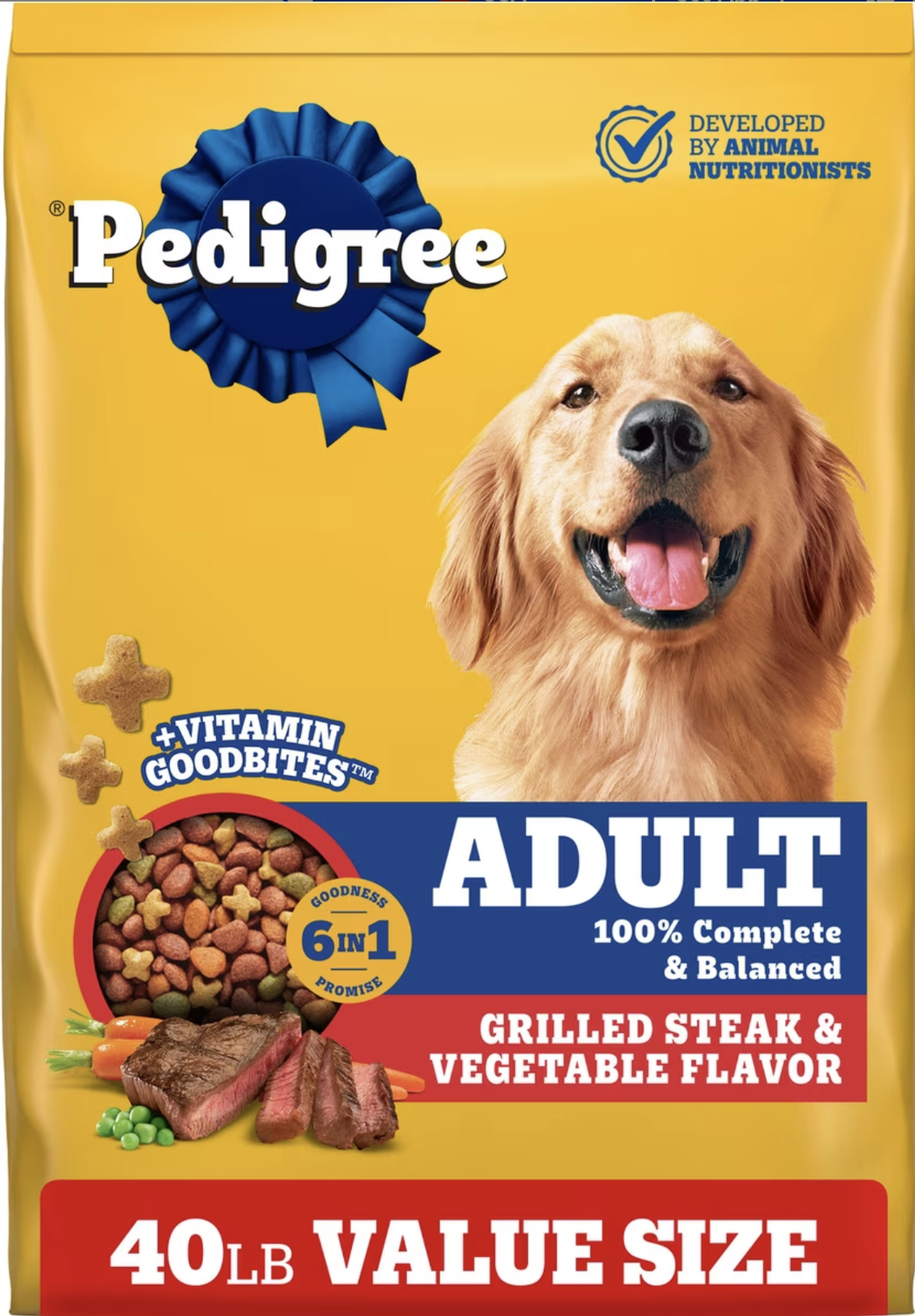
Pedigree Complete Nutrition
6.8Grilled steak and vegetable flavour, 40-lb value bag, priced below almost everything.
Recommendations are chosen by the Dr Murphies veterinary review board. Some links are affiliate links and we may earn a commission; this never affects our scoring, and brands do not see our copy before publication.
Dr Aisha Bello, BVetMed
Preventive care and shelter medicine