Fundamentals
How Much Should You Actually Feed? The Calorie Maths
Most pet obesity begins not with treats but with a feeding guide followed too literally, because printed guides estimate for an average, intact, moderately active animal that rarely matches the pet in front of you.
By Dr Noor Haddad, DVM, DACVD
1 July 2026
4 min read

Medically reviewed
Reviewed by Dr Samuel Adeyemi, DVM, DACVIM of the Dr Murphies Veterinary Review Board. Reviewed content is checked against current consensus guidance before publication.
Most pet obesity begins not with treats but with a feeding guide followed too literally, because printed guides estimate for an average, intact, moderately active animal that rarely matches the pet in front of you. Calculating resting energy requirement and adjusting for individual factors gives a far more accurate starting point.
Resting Energy Requirement as the Starting Formula
Resting energy requirement is calculated as 70 times bodyweight in kilograms raised to the power of 0.75, giving the calories needed for basic metabolic function at rest. This figure is then multiplied by a factor reflecting life stage and activity, ranging from around 1.2 for an inactive neutered adult up to 3 or more for a lactating or heavily working dog.
Neutering reduces metabolic rate by roughly 20 to 30 percent due to hormonal changes affecting fat deposition and appetite regulation, which is why the same feeding amount that maintained a healthy weight before surgery often causes gradual weight gain afterward if left unadjusted.
Life Stage and Activity Multipliers
- Ribs increasingly hard to feel through a thickening fat layer
- Loss of a visible waist when viewed from above
- Reduced stamina or reluctance to complete previously easy walks
- Steady weight gain despite feeding the same bag's suggested amount
- Begging or scavenging behaviour suggesting chronic under-feeding
Body condition score, not the bathroom scale alone, is the most reliable ongoing indicator of whether calorie intake is correct, since an ideal weight for one dog of a given breed can be genuinely overweight for another of the same breed and size.
Why Neutering Changes the Numbers
A veterinary weigh-in combined with a nine-point body condition score assessment establishes the actual starting point, and comparing this against breed-specific ideal weight ranges identifies how much adjustment is needed. Muscle condition scoring is assessed alongside fat scoring, since a thin-looking senior pet may actually be losing muscle rather than fat.
Recalculating calorie targets every few months, particularly after neutering, during growth, in senior years, or after any major activity change, prevents the slow creep of weight gain or loss that owners often fail to notice week to week.
Body Condition Scoring as the Real Feedback Loop
Correcting calorie intake is a matter of precise measurement rather than guesswork.
- Weigh food on digital kitchen scales rather than using volume scoops
- Recalculate resting energy requirement after any weight or life stage change
- Include all treats and table scraps within the total daily calorie budget
- Reweigh and reassess body condition score every four to six weeks
Common Calculation Mistakes Owners Make
Splitting the daily calorie allowance across two or three smaller meals rather than one large feed helps satiety and reduces begging behaviour, particularly in breeds prone to rapid eating and subsequent hunger rebound.
Using a portion of the daily kibble allowance as training treats, rather than adding separate treats on top, keeps total intake accurate while still allowing positive reinforcement training to continue.
When to seek help urgently
- Rapid unexplained weight loss despite normal or increased appetite
- Sudden refusal to eat for more than 24 hours in a dog or cat
- Weight gain accompanied by lethargy suggesting an underlying endocrine cause
- Obvious pain or reluctance to move that limits exercise-based calorie burn
These formulas provide a scientifically grounded starting point, but your vet can factor in breed, medical history and body condition far more precisely than any generic calculator, so use their guidance to fine-tune the final number.
Vet-recommended
Products our review board rates for this
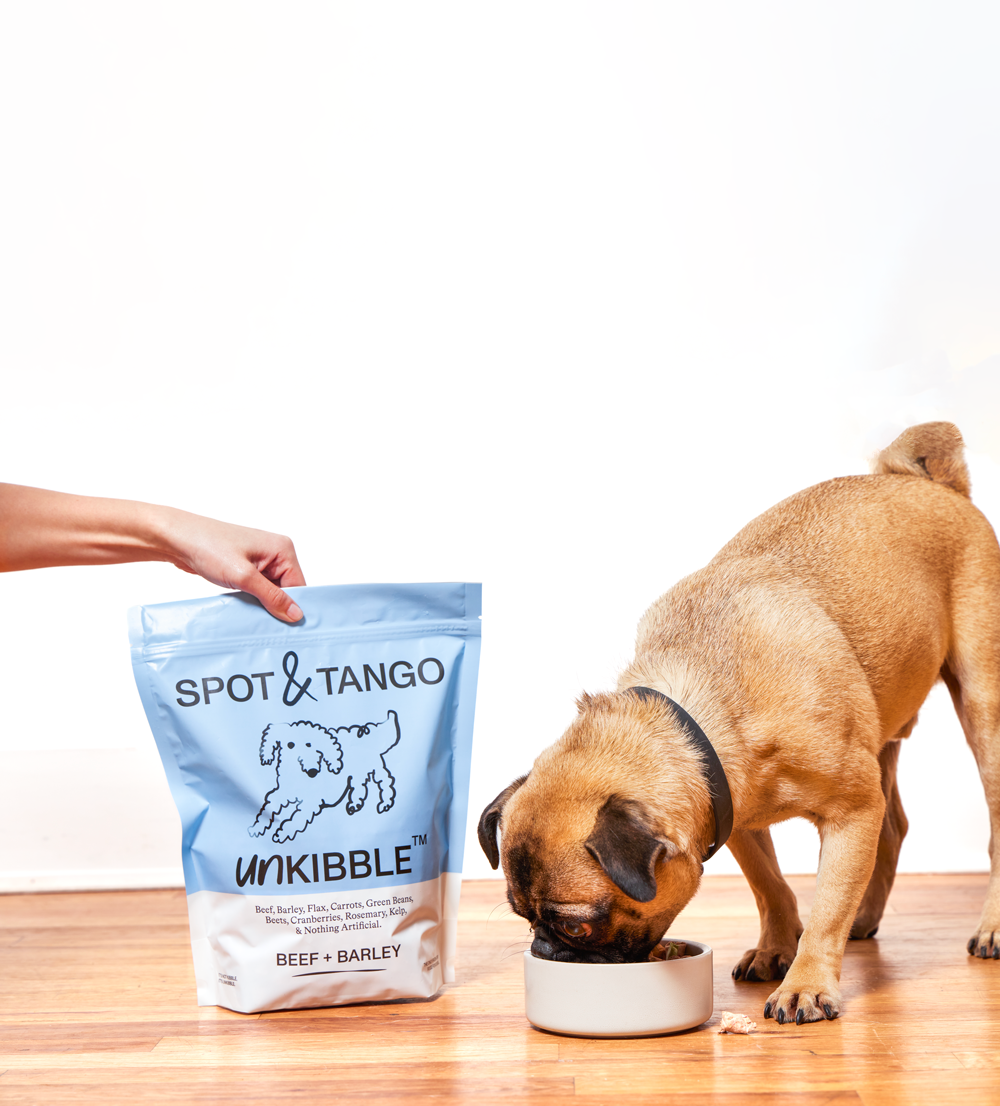
Spot & Tango
9.1Vet-formulated fresh trays and dehydrated UnKibble, portioned to the individual dog.

Purina Beneful Originals
7.2Farm-raised beef first, 23 added vitamins and minerals, no artificial colours.
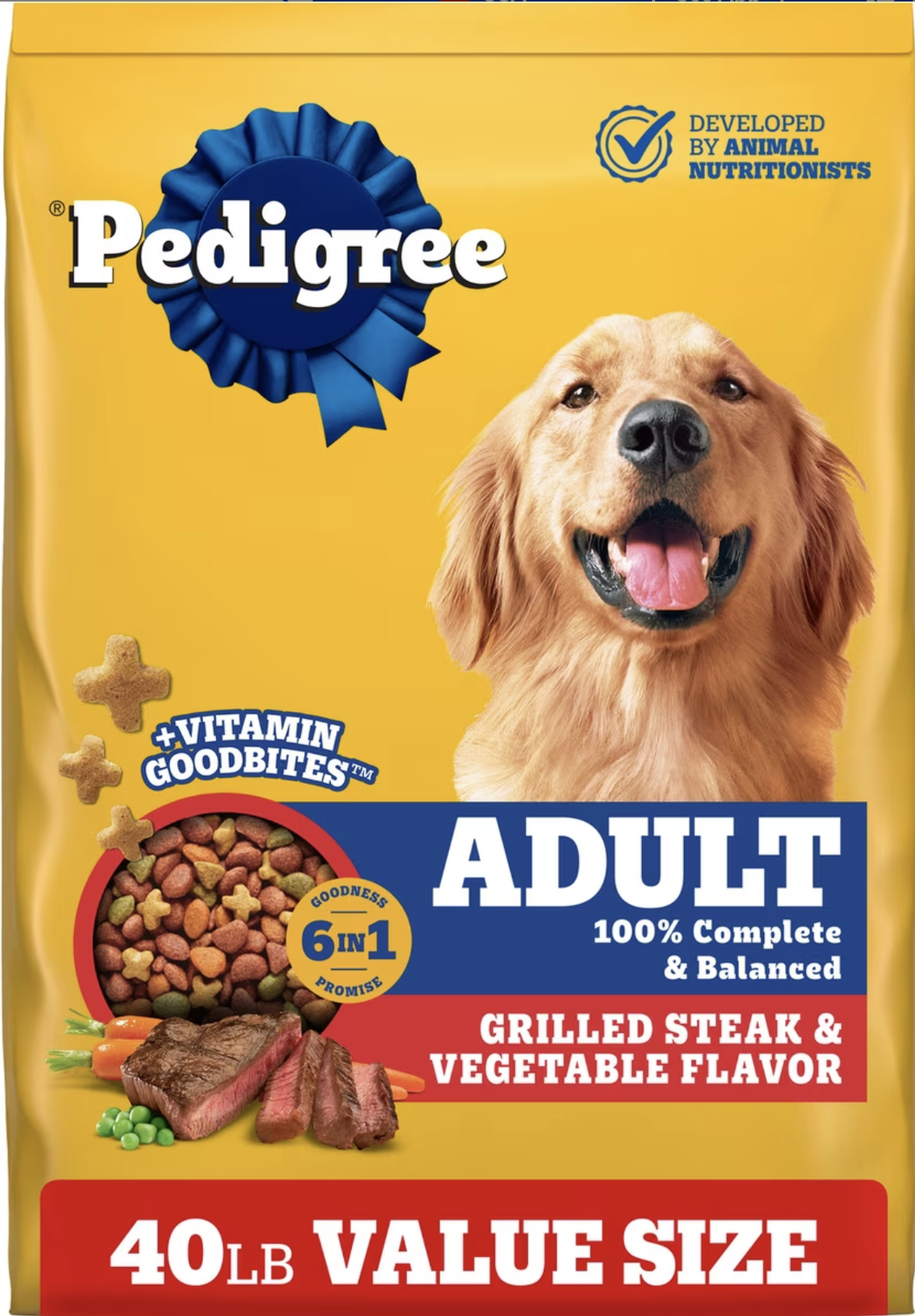
Pedigree Complete Nutrition
6.8Grilled steak and vegetable flavour, 40-lb value bag, priced below almost everything.
Recommendations are chosen by the Dr Murphies veterinary review board. Some links are affiliate links and we may earn a commission; this never affects our scoring, and brands do not see our copy before publication.
Dr Noor Haddad, DVM, DACVD
Veterinary dermatologist