Fundamentals
Hydration Strategies for Cats Who Won't Drink
Cats evolved from desert-dwelling ancestors with a naturally low thirst drive relative to their water needs, obtaining most moisture from prey rather than drinking, and this evolutionary quirk means many modern cats on dry food diets run in a state of mild chronic under-hydration that contributes meaningfully to urinary and kidney disease risk.
By Dr Noor Haddad, DVM, DACVD
18 June 2026
4 min read

Medically reviewed
Reviewed by Dr Samuel Adeyemi, DVM, DACVIM of the Dr Murphies Veterinary Review Board. Reviewed content is checked against current consensus guidance before publication.
Cats evolved from desert-dwelling ancestors with a naturally low thirst drive relative to their water needs, obtaining most moisture from prey rather than drinking, and this evolutionary quirk means many modern cats on dry food diets run in a state of mild chronic under-hydration that contributes meaningfully to urinary and kidney disease risk.
Why Cats Have a Blunted Thirst Response
Domestic cats retain a renal concentrating ability adapted for a desert-dwelling ancestor that obtained nearly all its moisture from prey, meaning cats fed dry food, which contains roughly 8 to 10 percent moisture compared to 70 to 80 percent in wet food, do not reliably compensate by drinking enough extra water to match the moisture a wet-food-fed cat receives passively through meals.
This creates a total daily fluid intake gap that, over years, is thought to contribute to more concentrated urine, a factor implicated in feline lower urinary tract disease and potentially in the progression of chronic kidney disease, even though dry food itself is not inherently harmful in an otherwise well-hydrated cat.
Moisture Content: Wet Food Versus Dry Food Water Contribution
- Persistently very concentrated, dark yellow and strong-smelling urine
- Reduced skin elasticity or delayed skin tent recoil suggesting dehydration
- Straining to urinate or frequent small urination attempts
- Dry-appearing gums or a tacky rather than moist mouth feel
- Reluctance to drink from a static, stagnant-looking water bowl
Mild chronic under-hydration rarely produces dramatic signs and is more often identified through urine concentration testing than through obvious clinical symptoms, which is why proactively increasing moisture intake is a reasonable preventive step even before any problem becomes apparent.
Water Source Preferences and Feline Sensory Behaviour
Urine specific gravity measurement during a routine check gives an objective indication of hydration status and renal concentrating ability, with persistently very high specific gravity in an otherwise healthy cat suggesting inadequate fluid intake worth addressing proactively.
For cats with diagnosed lower urinary tract disease or early chronic kidney disease, monitoring urine specific gravity trends over time helps determine whether hydration strategies implemented at home are having a measurable effect.
Fountain Use and Flow-Based Drinking Instincts
Increasing feline water intake is most effective when several complementary strategies are used together rather than relying on a single change.
- Transition a meaningful proportion of the diet to wet or moisture-rich food
- Provide multiple water sources away from food and litter trays
- Offer a running water fountain, since many cats prefer moving water
- Add a small amount of water or low-sodium broth to wet or dry meals
Recognising Genuine Dehydration Versus Low Baseline Intake
Cats are highly sensitive to water bowl material, cleanliness and placement, so ceramic or stainless steel bowls washed daily, positioned away from busy household traffic and away from the litter tray, often increase voluntary drinking more than owners expect from such a simple change.
For cats that remain reluctant despite these measures, flavoured water additives designed for cats or diluting wet food with extra water at mealtimes provides a reliable moisture boost without depending on the cat choosing to drink more independently.
When to seek help urgently
- Complete inability to urinate, a life-threatening emergency especially in male cats
- Signs of significant dehydration including sunken eyes and marked lethargy
- Repeated vomiting reducing overall fluid intake and worsening dehydration
- Sudden increase in thirst and urination suggesting an underlying metabolic disease
Hydration strategies are a genuinely useful preventive measure, but any sudden change in thirst, urination or urine appearance should be assessed by your vet rather than managed with home strategies alone.
Vet-recommended
Products our review board rates for this
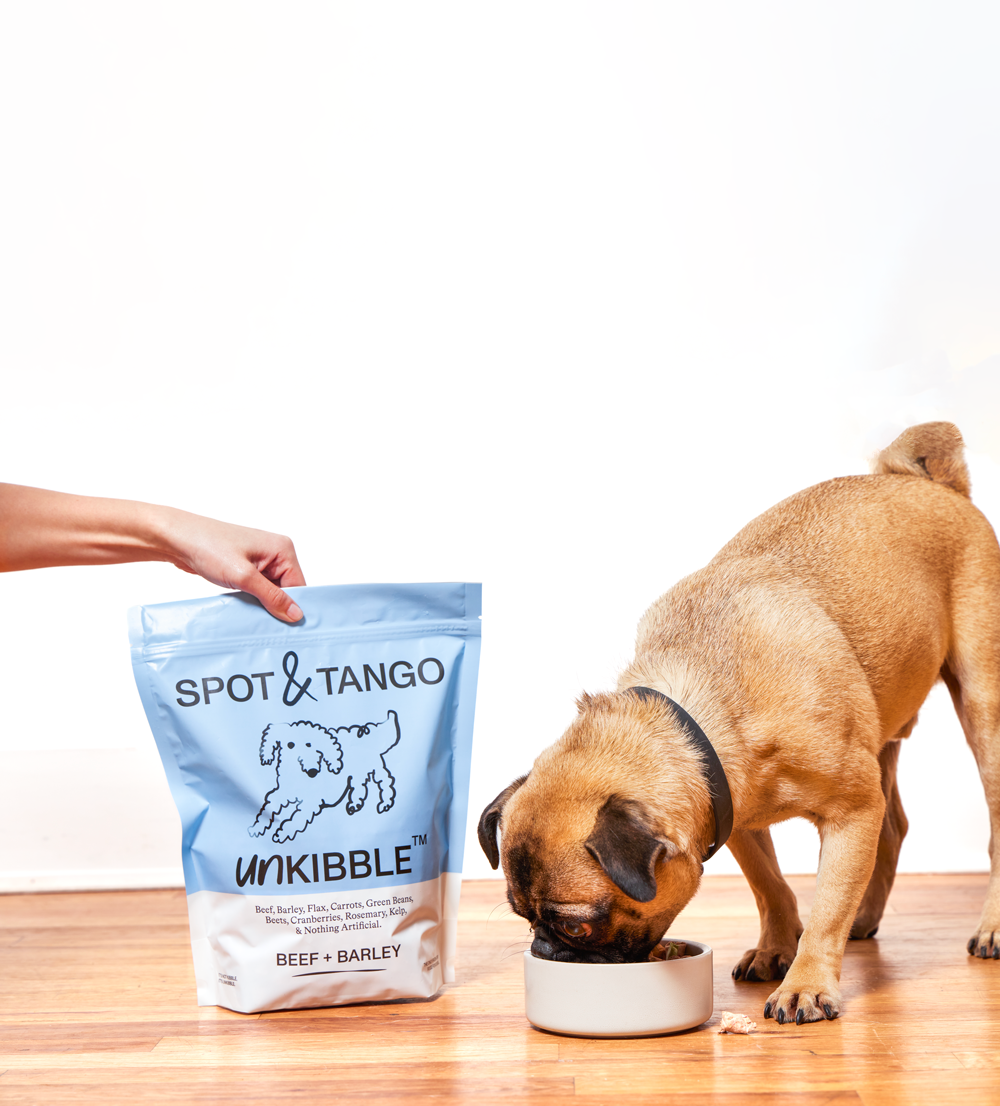
Spot & Tango
9.1Vet-formulated fresh trays and dehydrated UnKibble, portioned to the individual dog.
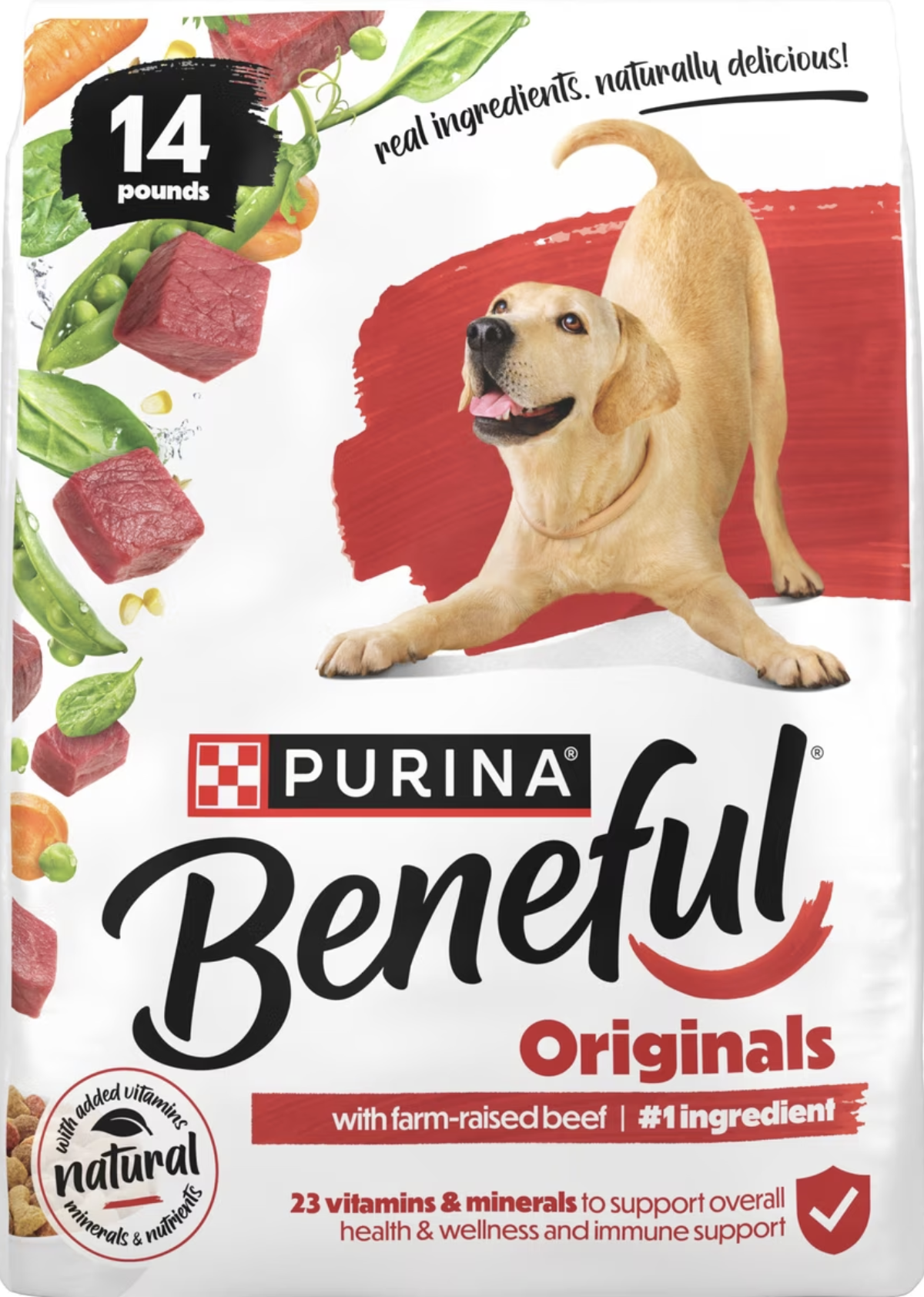
Purina Beneful Originals
7.2Farm-raised beef first, 23 added vitamins and minerals, no artificial colours.
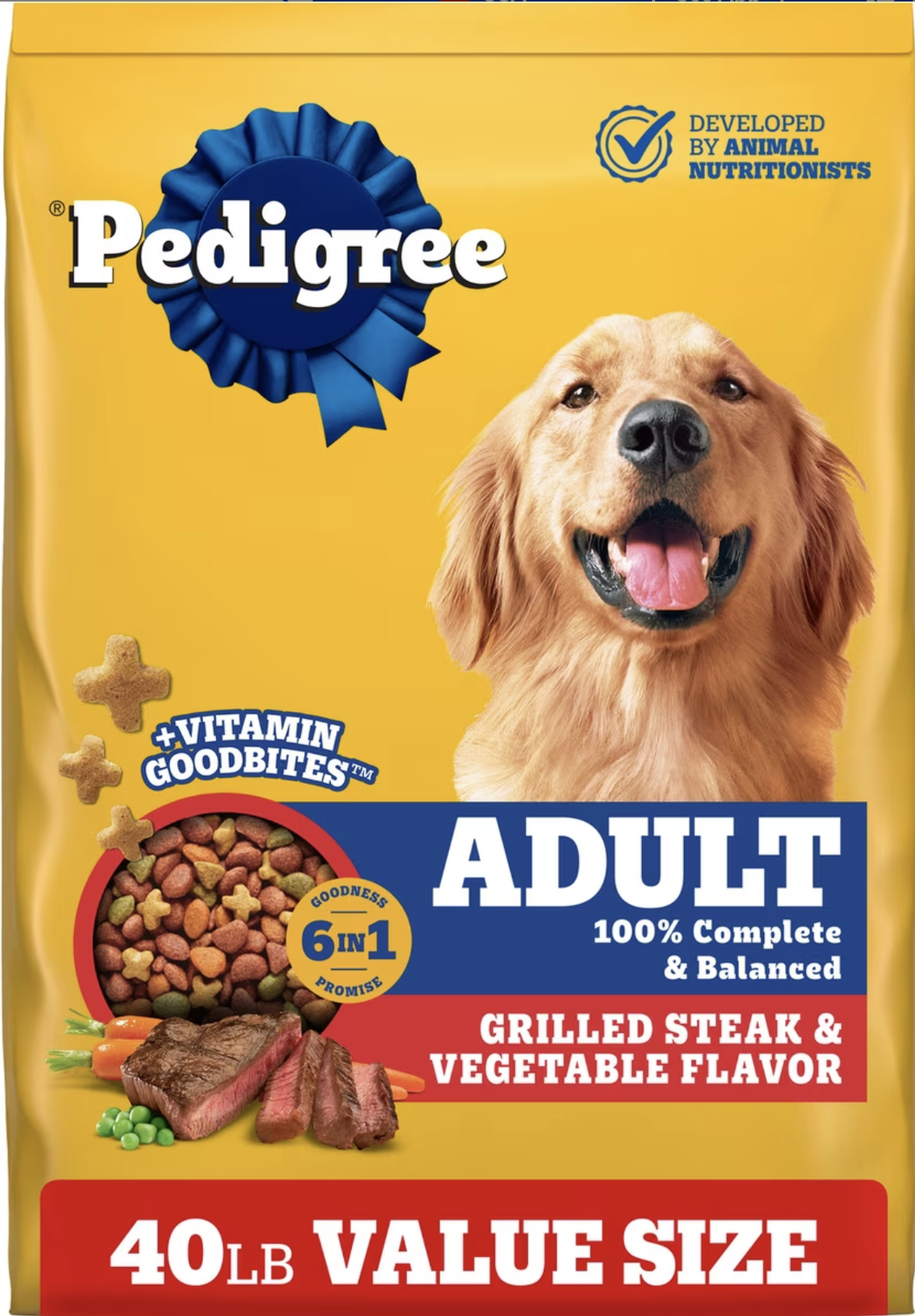
Pedigree Complete Nutrition
6.8Grilled steak and vegetable flavour, 40-lb value bag, priced below almost everything.
Recommendations are chosen by the Dr Murphies veterinary review board. Some links are affiliate links and we may earn a commission; this never affects our scoring, and brands do not see our copy before publication.
Dr Noor Haddad, DVM, DACVD
Veterinary dermatologist