Clinical Diets
Hydrolysed Protein Diets for Food Allergy Trials
Diagnosing a genuine food allergy requires an elimination diet trial, and hydrolysed protein diets have become the gold standard tool for this because they break allergenic proteins down small enough to largely evade immune recognition.
By Dr Eleanor Murphy, BVSc
10 May 2026
4 min read

Medically reviewed
Reviewed by Dr Eleanor Murphy, BVSc of the Dr Murphies Veterinary Review Board. Reviewed content is checked against current consensus guidance before publication.
Diagnosing a genuine food allergy requires an elimination diet trial, and hydrolysed protein diets have become the gold standard tool for this because they break allergenic proteins down small enough to largely evade immune recognition. Understanding how hydrolysis works explains why trial length and strict compliance matter so much.
How Protein Hydrolysis Prevents an Immune Response
Food allergies develop when the immune system's IgE or T-cell mediated pathways recognise a specific protein epitope, usually a sequence of 8 to 20 amino acids within a larger intact protein, as foreign. Enzymatic hydrolysis breaks these proteins into fragments smaller than roughly 10,000 daltons, too small in most cases for antibodies or T-cell receptors to recognise, which prevents the allergic cascade from being triggered.
Novel protein diets work on a different principle, avoiding proteins the pet has never previously eaten, but this depends entirely on an accurate and complete dietary history, and cross-reactivity between related proteins, such as different poultry species, can undermine the approach in ways hydrolysed diets avoid.
Why Novel Protein Diets Are a Weaker Alternative
- Non-seasonal itching concentrated around the face, ears, feet and anus
- Recurrent ear infections that flare independent of environmental allergen season
- Chronic soft stool or increased frequency of bowel movements
- Vomiting unrelated to dietary indiscretion or other identifiable cause
- Skin infections requiring repeated rounds of antibiotics or antifungals
None of these signs distinguish food allergy from environmental atopic dermatitis on their own, which is precisely why a properly conducted elimination trial, rather than a blood or saliva allergy test, remains the only reliable diagnostic method currently available.
The Eight to Twelve Week Trial Protocol
A strict elimination trial lasting a minimum of 8 weeks, extending to 12 weeks for gastrointestinal signs, involves feeding only the hydrolysed diet and water, with absolutely no other food, flavoured chews, flavoured medication or table scraps permitted during the trial period.
If signs resolve, a provocation challenge reintroducing the previous diet or suspect individual ingredients confirms the diagnosis by reproducing signs within days to two weeks, distinguishing a true food allergy from a diet change coinciding with unrelated improvement.
Treats, Flavoured Medications and Trial Sabotage
Once a food allergy is confirmed, long-term management centres on strict avoidance of the trigger.
- Maintain the hydrolysed or confirmed safe diet as the sole long-term food source
- Reintroduce ingredients one at a time to identify the specific trigger protein
- Choose flavoured medications and dental chews compatible with the trial diet
- Educate all household members and pet sitters on strict no-extras compliance
Interpreting a Successful or Failed Trial
Because hydrolysed diets are more expensive than standard commercial food, some owners attempt to shorten the trial or allow occasional treats, but this is the single most common reason elimination trials fail to produce a clear answer, wasting both time and money.
Once the trigger protein is identified through systematic reintroduction, many pets can eventually return to a wider range of commercial diets that simply avoid that one ingredient, rather than remaining on an expensive hydrolysed diet indefinitely.
When to seek help urgently
- Facial swelling or hives suggesting an acute allergic reaction
- Severe vomiting or diarrhoea during a reintroduction challenge
- Signs of anaphylaxis including collapse or difficulty breathing
- Secondary skin infection worsening despite dietary trial compliance
Elimination trials demand real discipline from the whole household, and your vet can help design a realistic protocol and interpret the results accurately, so involve them from the outset rather than trialling a diet alone.
Vet-recommended
Products our review board rates for this
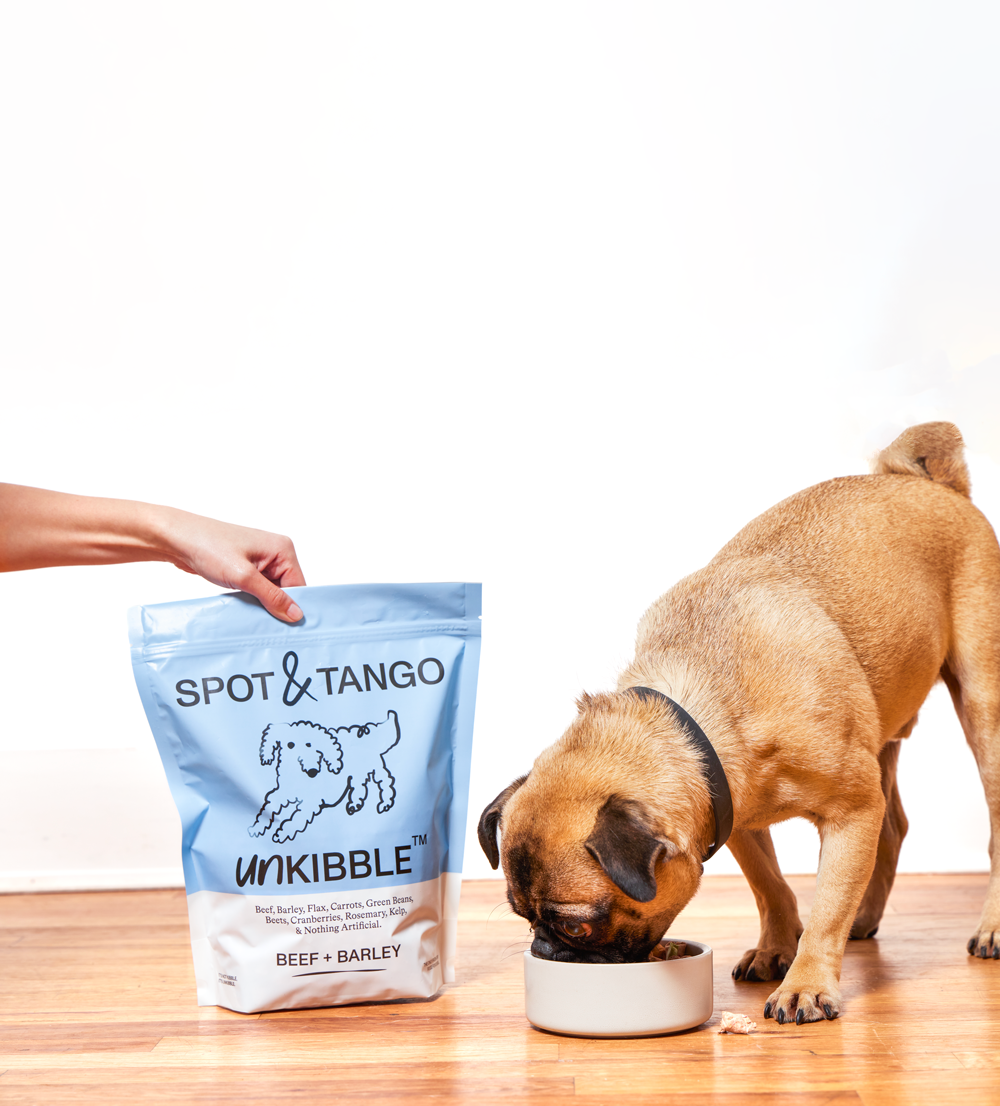
Spot & Tango
9.1Vet-formulated fresh trays and dehydrated UnKibble, portioned to the individual dog.
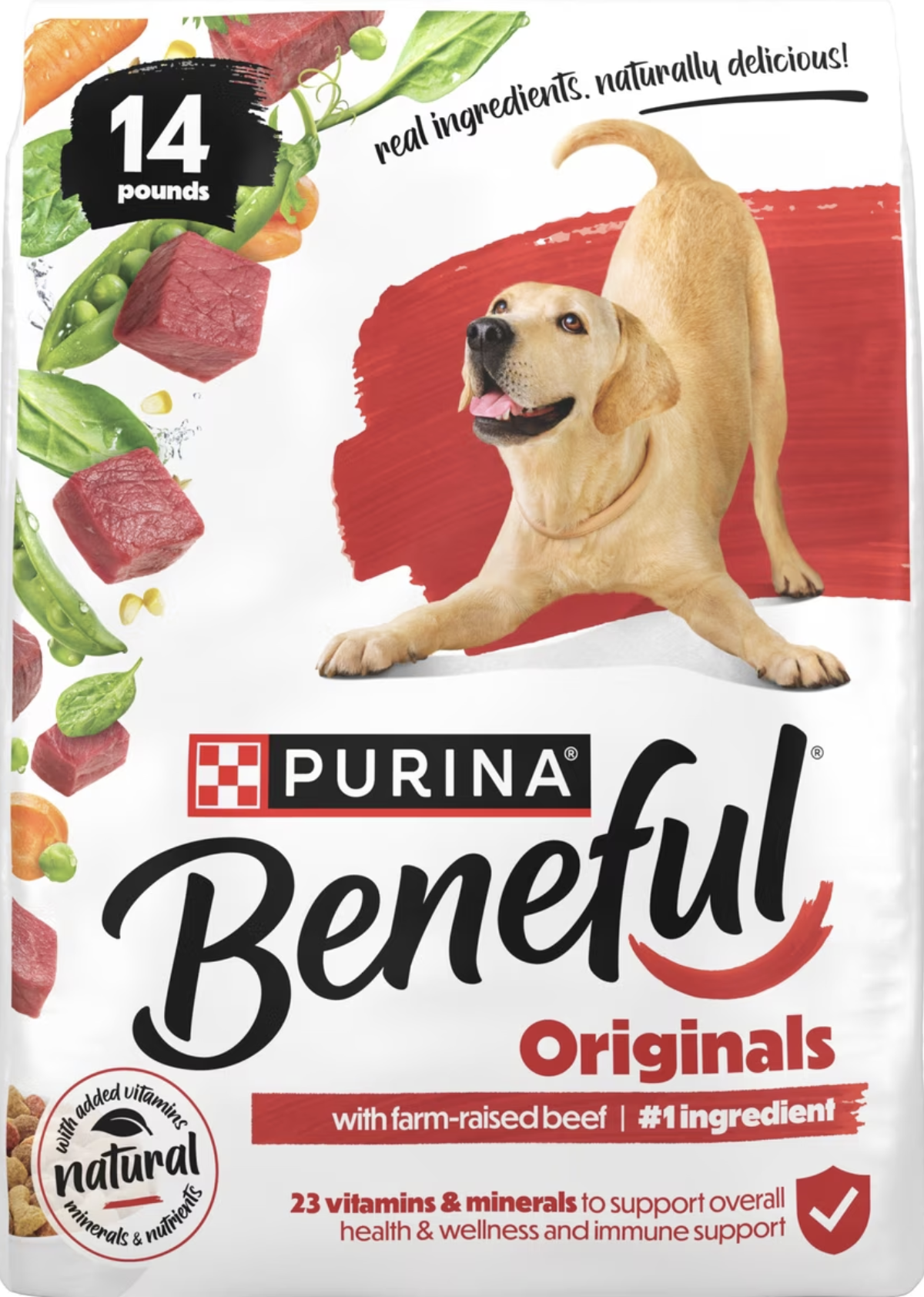
Purina Beneful Originals
7.2Farm-raised beef first, 23 added vitamins and minerals, no artificial colours.
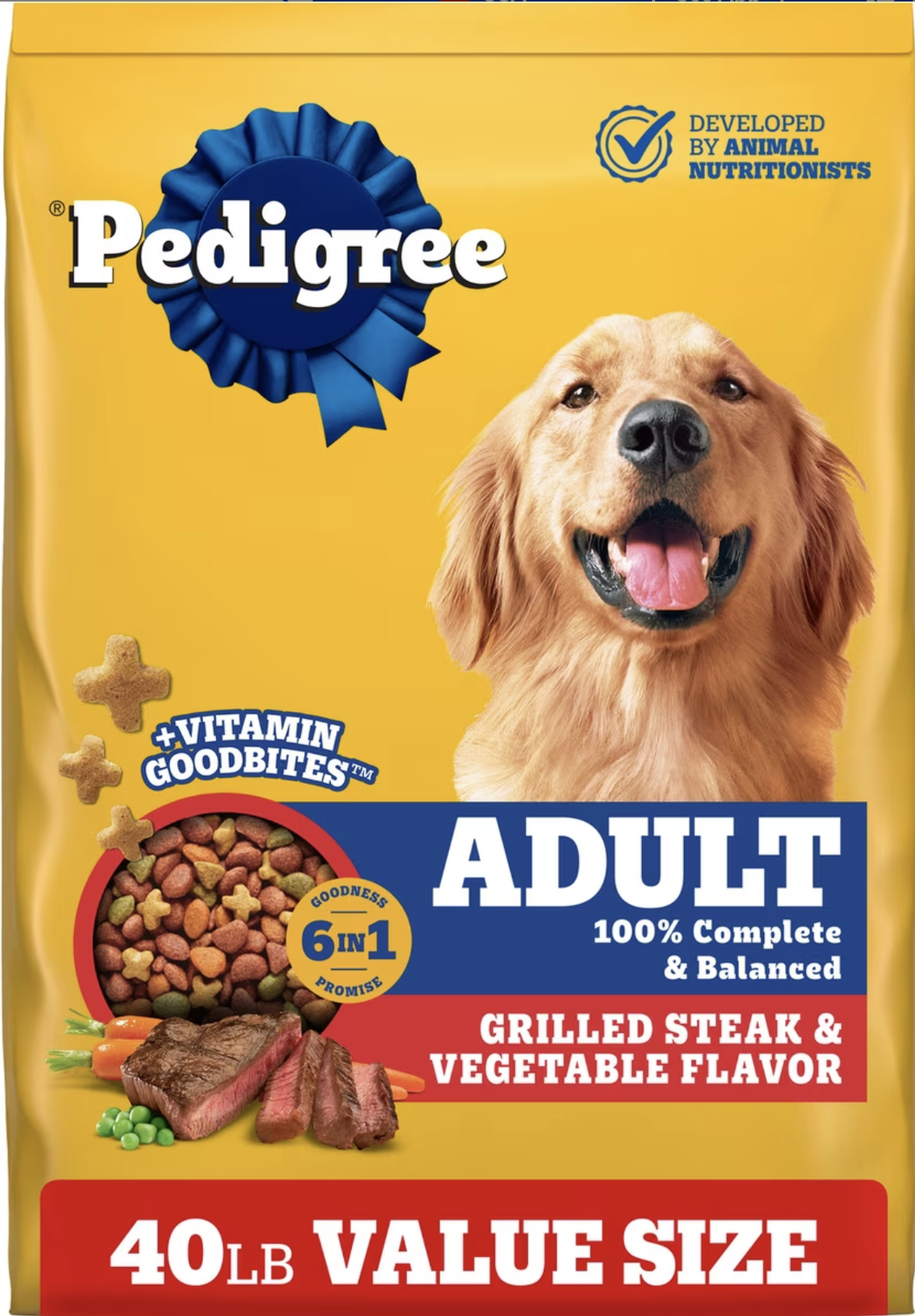
Pedigree Complete Nutrition
6.8Grilled steak and vegetable flavour, 40-lb value bag, priced below almost everything.
Recommendations are chosen by the Dr Murphies veterinary review board. Some links are affiliate links and we may earn a commission; this never affects our scoring, and brands do not see our copy before publication.
Dr Eleanor Murphy, BVSc
Founding editor and small-animal internist