Supplements
Joint Supplements: Glucosamine's Uncomfortable Evidence Base
Glucosamine and chondroitin supplements are among the most widely used products in veterinary practice, yet the clinical trial evidence supporting their efficacy in dogs and cats remains genuinely mixed, with several well-designed studies failing to show a significant benefit over placebo, a fact often left out of product marketing.
By Dr Ingrid Sorensen, BVSc, DipACVB
14 April 2026
4 min read

Medically reviewed
Reviewed by Dr Noor Haddad, DVM, DACVD of the Dr Murphies Veterinary Review Board. Reviewed content is checked against current consensus guidance before publication.
Glucosamine and chondroitin supplements are among the most widely used products in veterinary practice, yet the clinical trial evidence supporting their efficacy in dogs and cats remains genuinely mixed, with several well-designed studies failing to show a significant benefit over placebo, a fact often left out of product marketing.
The Theoretical Mechanism: Cartilage Building Blocks
Glucosamine and chondroitin sulfate are natural components of joint cartilage, and the theoretical rationale for supplementation is that providing these building blocks orally supports cartilage matrix synthesis and may inhibit some cartilage-degrading enzymes, based largely on in vitro cell culture studies rather than whole-animal clinical outcome data.
In practice, oral bioavailability is a significant limiting factor, with studies suggesting only a modest fraction of ingested glucosamine reaches systemic circulation intact after first-pass metabolism, and it remains uncertain whether resulting joint tissue concentrations are sufficient to produce the anti-catabolic effects seen in laboratory conditions.
What Clinical Trials Actually Show
- Persistent stiffness or lameness despite months of glucosamine supplementation
- Gradual worsening of osteoarthritis signs while relying on supplements alone
- Reluctance to exercise that supplement use alone fails to improve
- Continued pain behaviour requiring escalation to prescription analgesics
- Delayed diagnosis when supplements are used instead of proper veterinary assessment
The main practical risk of glucosamine supplements is not direct harm but delay, since owners who rely on an over-the-counter supplement as a sole treatment may postpone a proper osteoarthritis diagnosis and evidence-based multimodal management for months or years.
Absorption and Bioavailability Concerns
Orthopaedic examination and radiographs remain necessary to actually diagnose and stage osteoarthritis, since supplement use without a formal diagnosis risks masking or delaying recognition of progressive joint disease that would benefit from more effective interventions.
When evaluating whether a supplement is genuinely helping an individual pet, objective measures such as validated owner-completed mobility questionnaires or force-plate gait analysis, where available, provide more reliable evidence than subjective owner impression alone, which is prone to placebo-like reporting bias.
Where Evidence Is Stronger: Injectable Polysulfated Glycosaminoglycans
A rational approach to joint supplementation places glucosamine within a broader, evidence-ranked management plan rather than as the primary intervention.
- Use omega-3 fatty acids and weight management as better-evidenced first-line measures
- Reserve NSAIDs or other prescription analgesics for confirmed osteoarthritis pain
- Consider injectable polysulfated glycosaminoglycan therapy where evidence is stronger
- Trial oral glucosamine only as an adjunct, reassessing objectively after eight weeks
Setting Realistic Expectations With Owners
For owners who wish to continue glucosamine supplementation despite mixed evidence, doing so alongside, rather than instead of, weight management, appropriate exercise modification and pain relief ensures the overall plan still addresses osteoarthritis effectively.
Setting a defined trial period with a specific reassessment plan, rather than continuing indefinitely on the assumption of benefit, allows owners to make an informed decision about whether the ongoing cost and effort of a particular supplement is actually justified for their pet.
When to seek help urgently
- Sudden inability to bear weight rather than the pet's usual gradual stiffness
- Signs of gastrointestinal bleeding if NSAIDs are combined without veterinary guidance
- Rapid deterioration in mobility despite consistent supplement and medication use
- Signs of significant pain such as panting, restlessness or reluctance to be touched
Glucosamine is reasonable to try as one part of a broader plan, but it should not replace a proper osteoarthritis diagnosis and evidence-based pain management discussed with your vet.
Vet-recommended
Products our review board rates for this
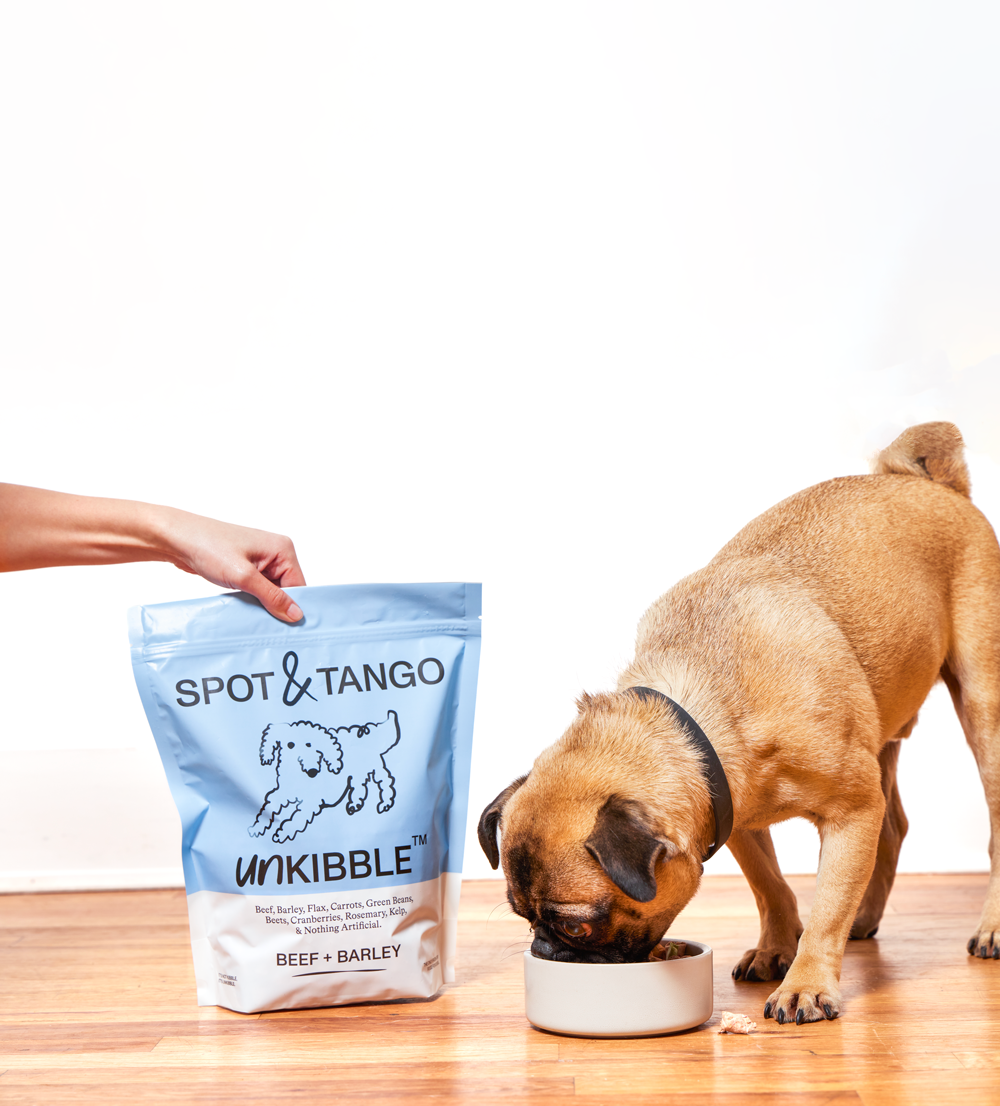
Spot & Tango
9.1Vet-formulated fresh trays and dehydrated UnKibble, portioned to the individual dog.
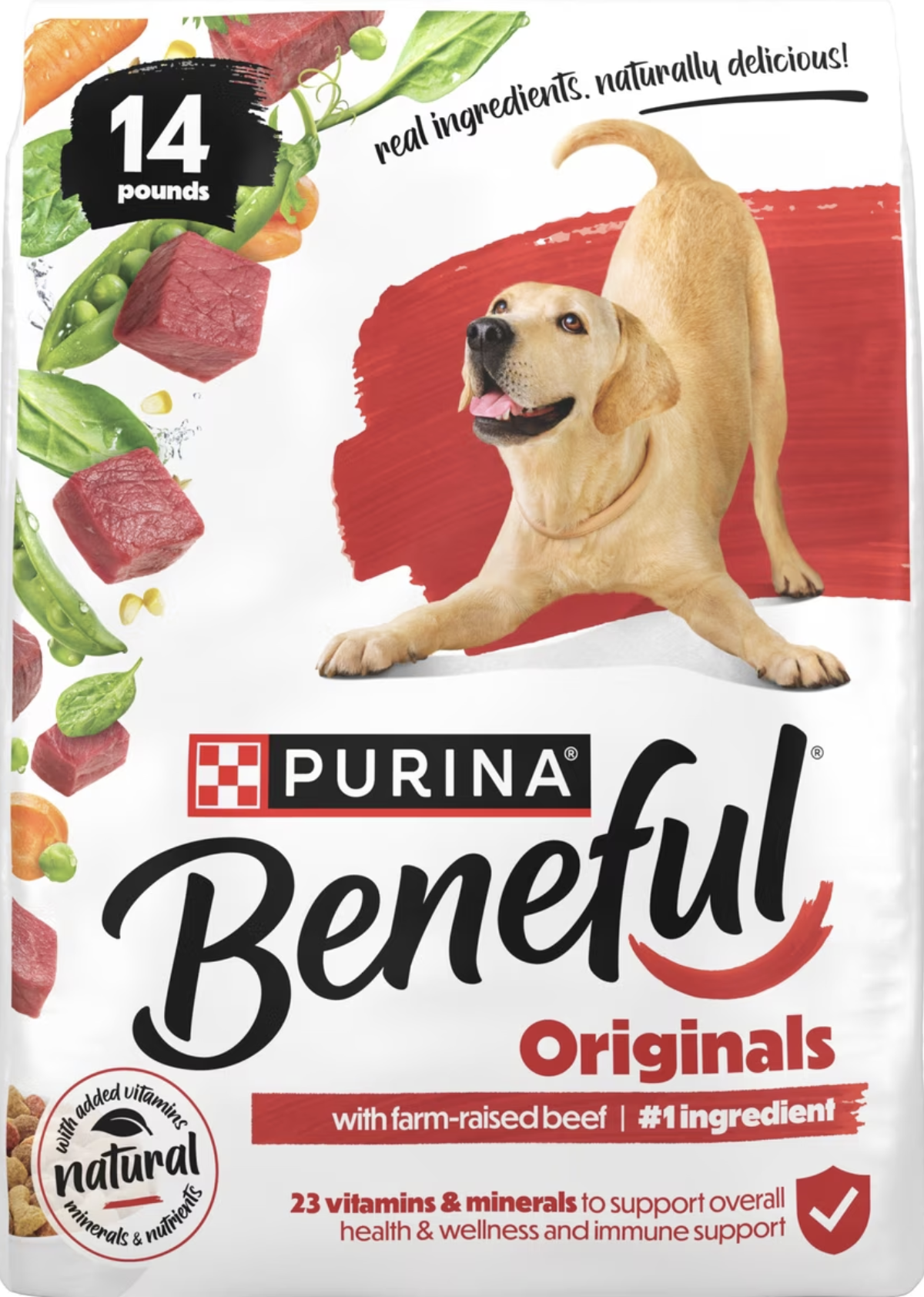
Purina Beneful Originals
7.2Farm-raised beef first, 23 added vitamins and minerals, no artificial colours.
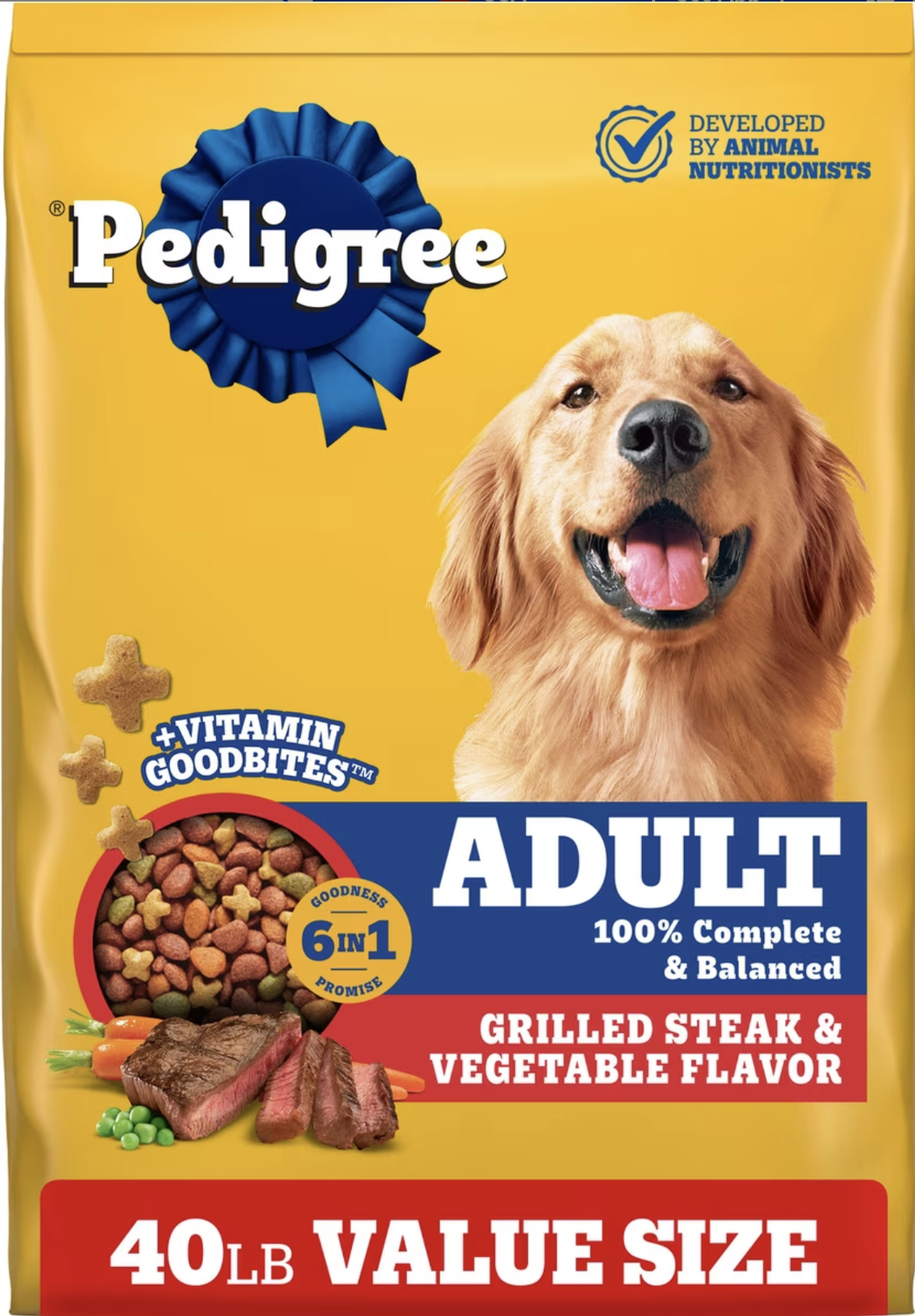
Pedigree Complete Nutrition
6.8Grilled steak and vegetable flavour, 40-lb value bag, priced below almost everything.
Recommendations are chosen by the Dr Murphies veterinary review board. Some links are affiliate links and we may earn a commission; this never affects our scoring, and brands do not see our copy before publication.
Dr Ingrid Sorensen, BVSc, DipACVB
Veterinary behaviourist