Life Stage
Kitten Feeding: Free Choice or Measured Meals?
The debate between free-choice and measured meal feeding in kittens has real consequences that extend well into adulthood, since feeding patterns established in the first year strongly influence later obesity risk and can shape lifelong eating behaviour in a species prone to becoming overweight as adults.
By Dr Eleanor Murphy, BVSc
22 June 2026
4 min read

Medically reviewed
Reviewed by Dr Mariana Oliveira, DVM, DACVN of the Dr Murphies Veterinary Review Board. Reviewed content is checked against current consensus guidance before publication.
The debate between free-choice and measured meal feeding in kittens has real consequences that extend well into adulthood, since feeding patterns established in the first year strongly influence later obesity risk and can shape lifelong eating behaviour in a species prone to becoming overweight as adults.
Kitten Calorie Needs and Growth Trajectory
Kittens require roughly two to three times the calories per kilogram of an adult cat to support rapid growth, and free-choice dry food availability during this period is often defended on the basis that kittens self-regulate intake accurately, which is broadly true during active growth but becomes less reliable as growth slows toward the first birthday.
The transition period around six to twelve months, when growth rate declines but free-choice access habits are already firmly established, is when many cats begin the gradual calorie surplus that leads to adult obesity, since the behavioural pattern of grazing persists even after the physiological need for constant intake has passed.
How Free Feeding Predisposes to Adult Obesity
- Rapid weight gain relative to breed and frame size after six months of age
- Difficulty transitioning a young adult cat onto portioned meals
- Food guarding or competitive eating in multi-cat free-feeding households
- Loss of a defined waist becoming apparent around the first birthday
- One cat in a household consistently eating more than its housemates
Because cats are naturally inclined to eat many small meals throughout the day, the goal is not necessarily to force two large meals but to control total daily calorie intake precisely, whether that is delivered as measured meals or as a calculated daily total across a timed feeder.
Measured Meal Feeding and Portion Calculation
Regular weigh-ins against age-appropriate kitten growth curves, available from most veterinary practices, allow early identification of a kitten trending toward excess weight before it becomes an entrenched adult pattern.
In multi-cat households where feeding competition is suspected, separate feeding stations or microchip-activated feeders allow individual intake to be assessed, which is often the only way to identify that one cat is consistently out-competing another for food.
Multi-Cat Households and Feeding Competition
Establishing good feeding habits in kittens sets the pattern for the rest of the cat's life.
- Feed a calculated calorie amount appropriate to age and weight, not unlimited access
- Transition gradually from frequent kitten meals to two adult meals by twelve months
- Use separate feeding stations or microchip feeders in multi-cat households
- Reweigh monthly during growth and adjust portions against the growth curve
Transitioning From Kitten to Adult Feeding
Puzzle feeders and scattered feeding that mimic natural hunting behaviour can satisfy a cat's instinct to eat frequently while still keeping total daily calories controlled, offering a middle path between rigid meals and unrestricted free access.
Establishing measured feeding early makes later life stage transitions, such as moving to a senior or therapeutic diet, considerably easier, since the cat is already accustomed to eating a defined portion rather than grazing continuously.
When to seek help urgently
- A kitten failing to gain weight consistently along its growth curve
- Sudden loss of appetite in a kitten under six months of age
- One cat in a household losing weight despite apparent access to food
- Repeated vomiting after meals suggesting rapid overeating or competition stress
The right feeding structure varies by household and individual cat, so ask your vet to help calculate an appropriate growth curve and portion plan rather than relying on generic bag instructions alone.
Vet-recommended
Products our review board rates for this
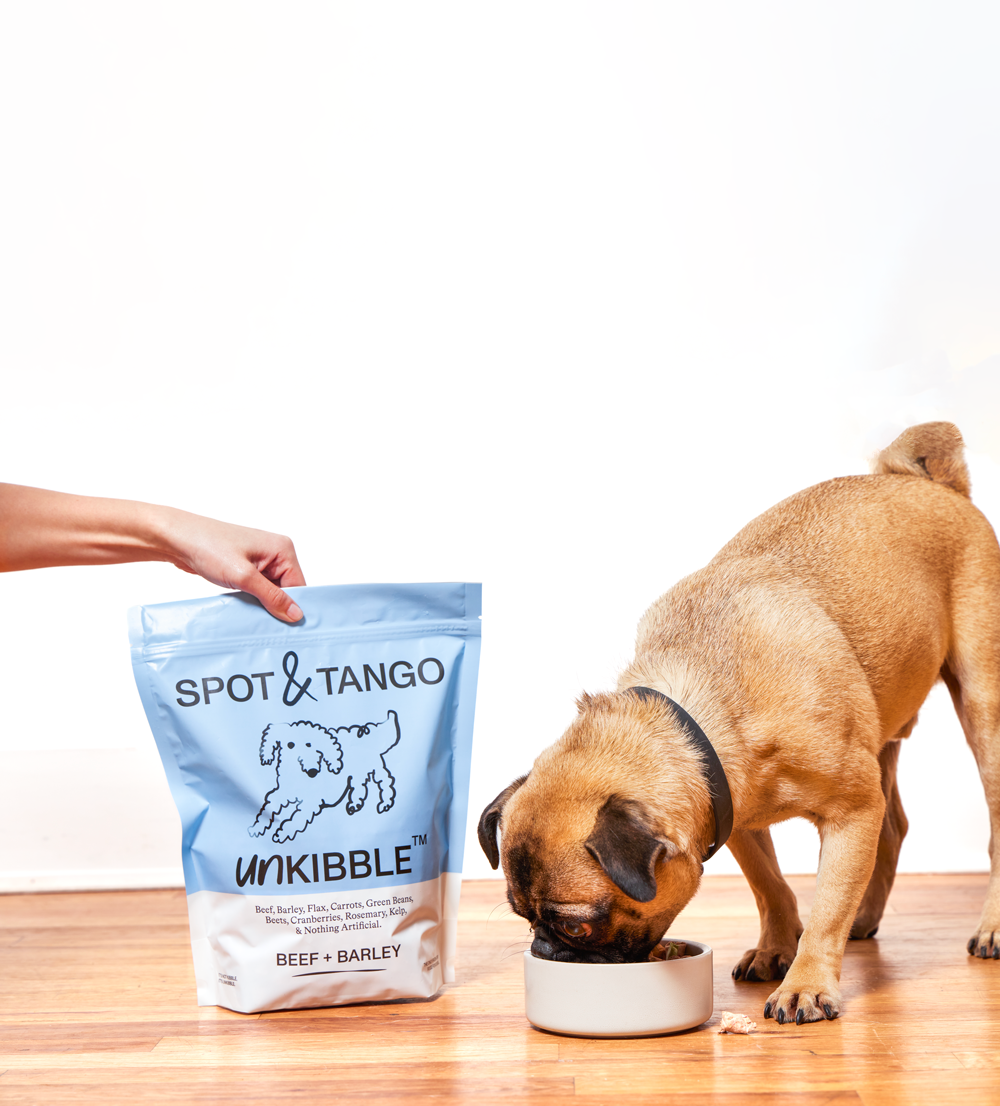
Spot & Tango
9.1Vet-formulated fresh trays and dehydrated UnKibble, portioned to the individual dog.
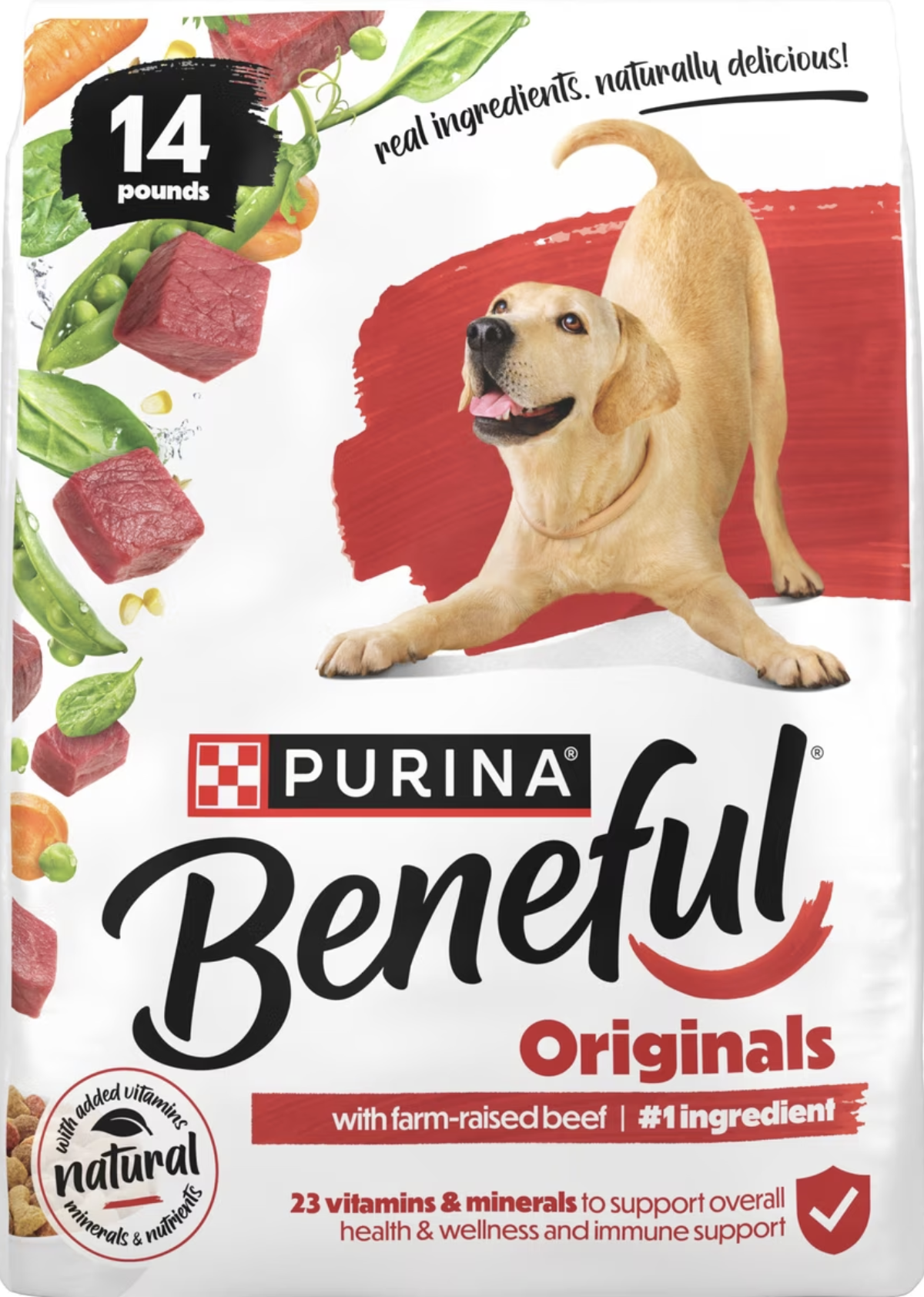
Purina Beneful Originals
7.2Farm-raised beef first, 23 added vitamins and minerals, no artificial colours.
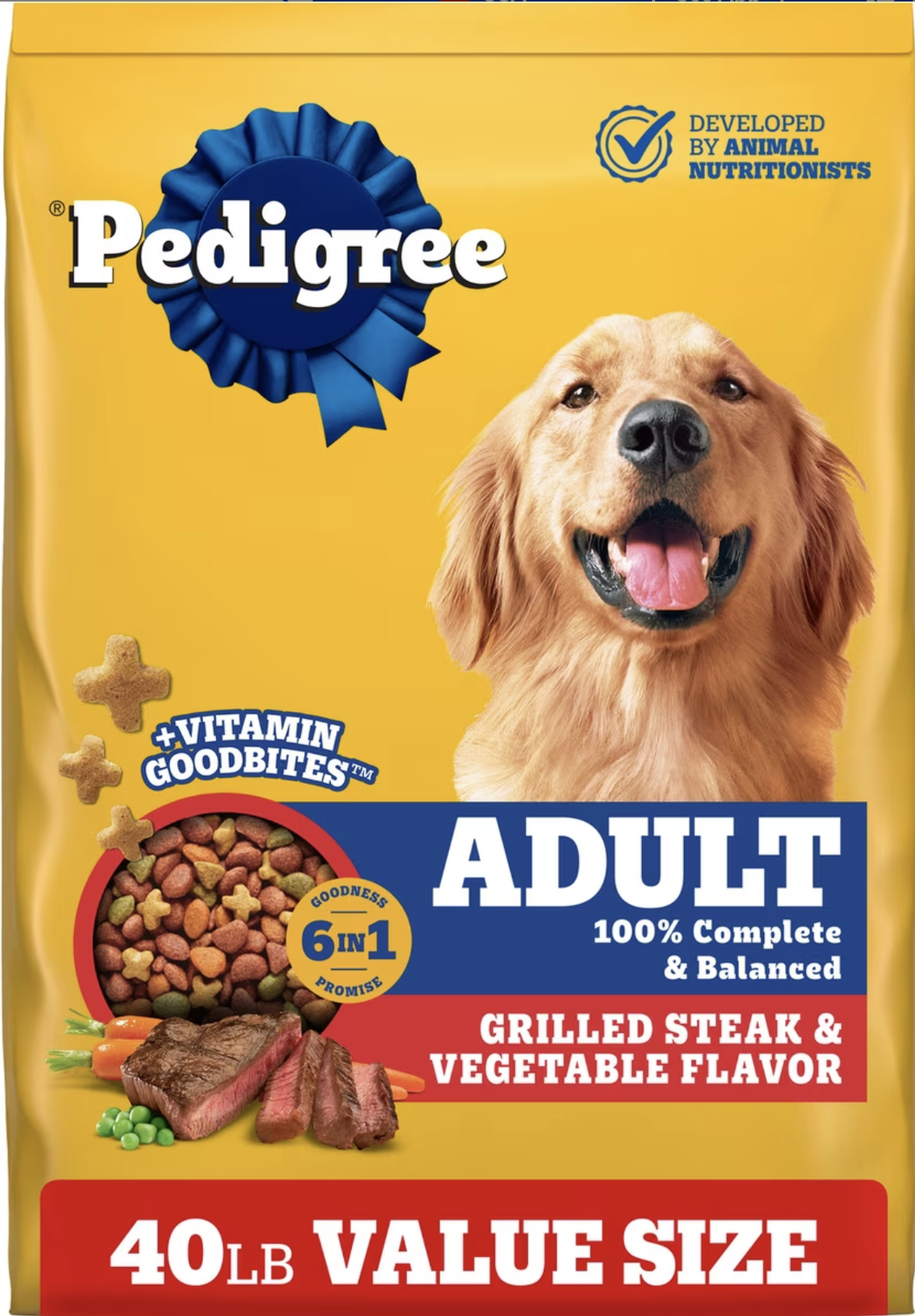
Pedigree Complete Nutrition
6.8Grilled steak and vegetable flavour, 40-lb value bag, priced below almost everything.
Recommendations are chosen by the Dr Murphies veterinary review board. Some links are affiliate links and we may earn a commission; this never affects our scoring, and brands do not see our copy before publication.
Dr Eleanor Murphy, BVSc
Founding editor and small-animal internist