Clinical Diets
Novel Proteins: Kangaroo, Insect and Beyond
Novel protein sources like kangaroo, venison, insect meal and ostrich have moved from niche curiosities to mainstream ingredients, driven partly by genuine value in food allergy management and partly by sustainability concerns, though the two motivations bring quite different evidence bases and practical considerations.
By Dr Rowan Kelly, BVSc, MVS
17 June 2026
4 min read

Medically reviewed
Reviewed by Dr Eleanor Murphy, BVSc of the Dr Murphies Veterinary Review Board. Reviewed content is checked against current consensus guidance before publication.
Novel protein sources like kangaroo, venison, insect meal and ostrich have moved from niche curiosities to mainstream ingredients, driven partly by genuine value in food allergy management and partly by sustainability concerns, though the two motivations bring quite different evidence bases and practical considerations.
Novel Proteins as Elimination Diet Tools
A protein qualifies as genuinely novel for a given pet only if that individual has never previously been exposed to it, since food allergy is an acquired immune response to a specific previously encountered protein, meaning kangaroo is a useful novel option for a dog raised entirely on chicken and beef but offers no benefit to a dog previously fed kangaroo-containing treats.
Insect protein, most commonly from black soldier fly larvae, offers a genuinely favourable environmental profile, requiring a fraction of the land, water and feed input of conventional livestock per kilogram of protein produced, while providing a reasonably complete amino acid profile that early feeding trials suggest is well digested by dogs, though long-term clinical outcome data remains more limited than for conventional proteins.
The Sustainability Case for Insect Protein
- Persistent itching or gastrointestinal upset despite a supposedly novel diet trial
- Poor coat condition or growth on an unbalanced or poorly formulated novel diet
- Reluctance to eat unfamiliar textures or flavours in insect-based formulations
- Recurrence of allergy signs after unknowingly re-exposed through cross-reactive protein
- Digestive upset during transition to any unfamiliar protein source
A failed novel protein trial often reflects either accidental prior exposure through treats and flavoured medications, or genuine cross-reactivity between related species such as different poultry types, rather than a failure of the novel protein concept itself.
Amino Acid Completeness Across Unconventional Proteins
A genuinely useful novel protein trial requires a complete dietary history covering treats, flavoured medications and previous diets over several years, since owners frequently underestimate prior exposure to common proteins included in seemingly unrelated products.
Where allergy is the primary concern, hydrolysed diets remain more reliable than novel protein diets precisely because they do not depend on accurately establishing an entirely novel exposure history, and are generally preferred when the dietary history is uncertain or incomplete.
Cross-Reactivity Risks Between Related Species
Selecting and using a novel protein diet effectively depends on the underlying reason for choosing it.
- Confirm true novelty through a complete multi-year dietary history before selecting a protein
- Choose a complete and balanced commercial novel protein diet rather than an unbalanced homemade version
- Verify AAFCO or FEDIAF adequacy statements for less conventional protein formulations
- Transition gradually over seven to ten days to assess digestive tolerance
Palatability and Practical Sourcing Challenges
For owners motivated primarily by environmental impact rather than allergy management, insect-based diets that meet full nutritional adequacy standards offer a genuine way to reduce a pet's dietary carbon footprint without compromising nutrition, provided the specific product has adequate formulation and quality control.
Sourcing and cost remain practical barriers for novel proteins like kangaroo or ostrich, and owners should verify supply consistency with a chosen brand before committing a pet with genuine dietary sensitivities to a diet that may become difficult to obtain.
When to seek help urgently
- Signs of an acute allergic reaction such as facial swelling or hives
- Severe or persistent vomiting and diarrhoea during a novel diet transition
- Failure to thrive or grow appropriately on an unbalanced novel protein diet
- Anaphylactic signs including collapse or breathing difficulty after a new protein
Novel proteins are a useful tool but not automatically superior nutrition, so discuss with your vet whether the specific product and protein genuinely suit your pet's medical or ethical goals before switching.
Vet-recommended
Products our review board rates for this
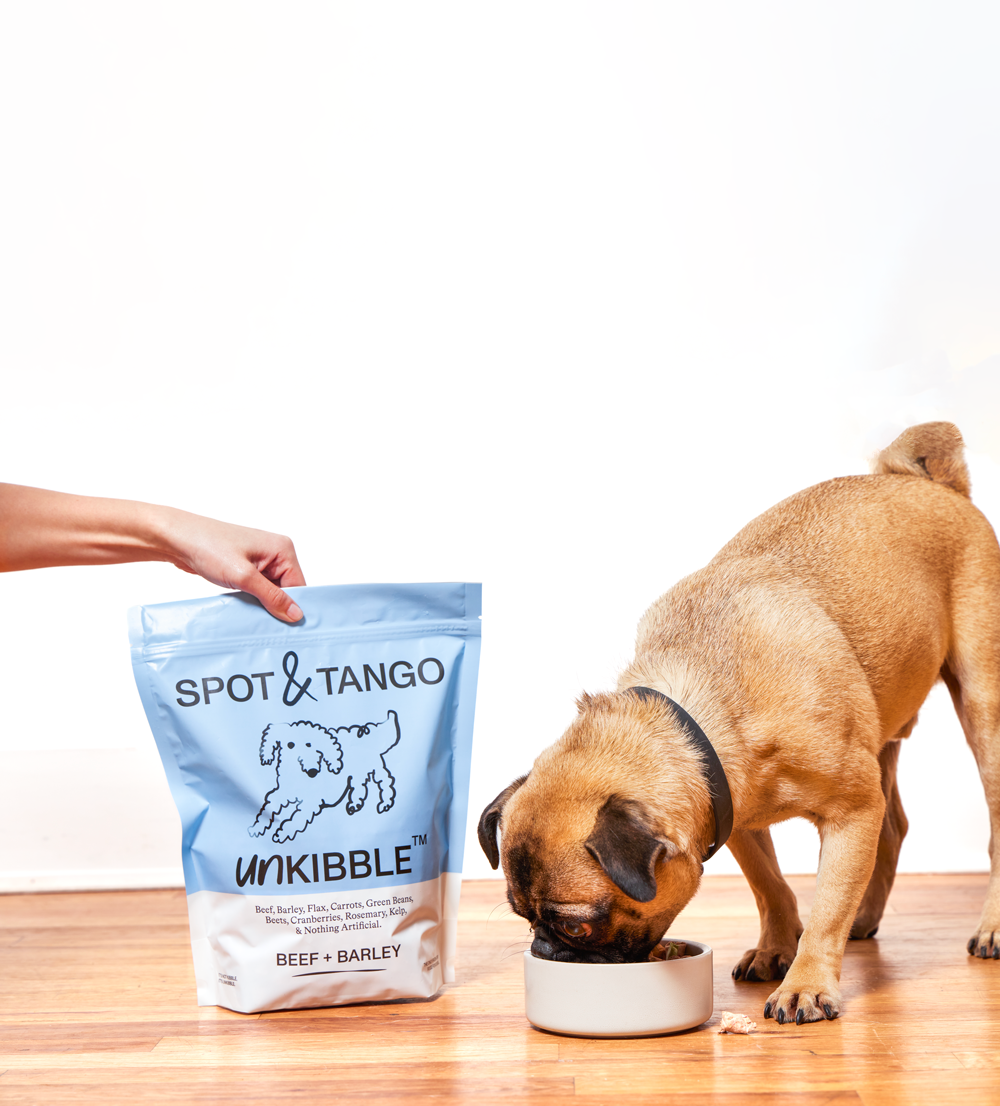
Spot & Tango
9.1Vet-formulated fresh trays and dehydrated UnKibble, portioned to the individual dog.
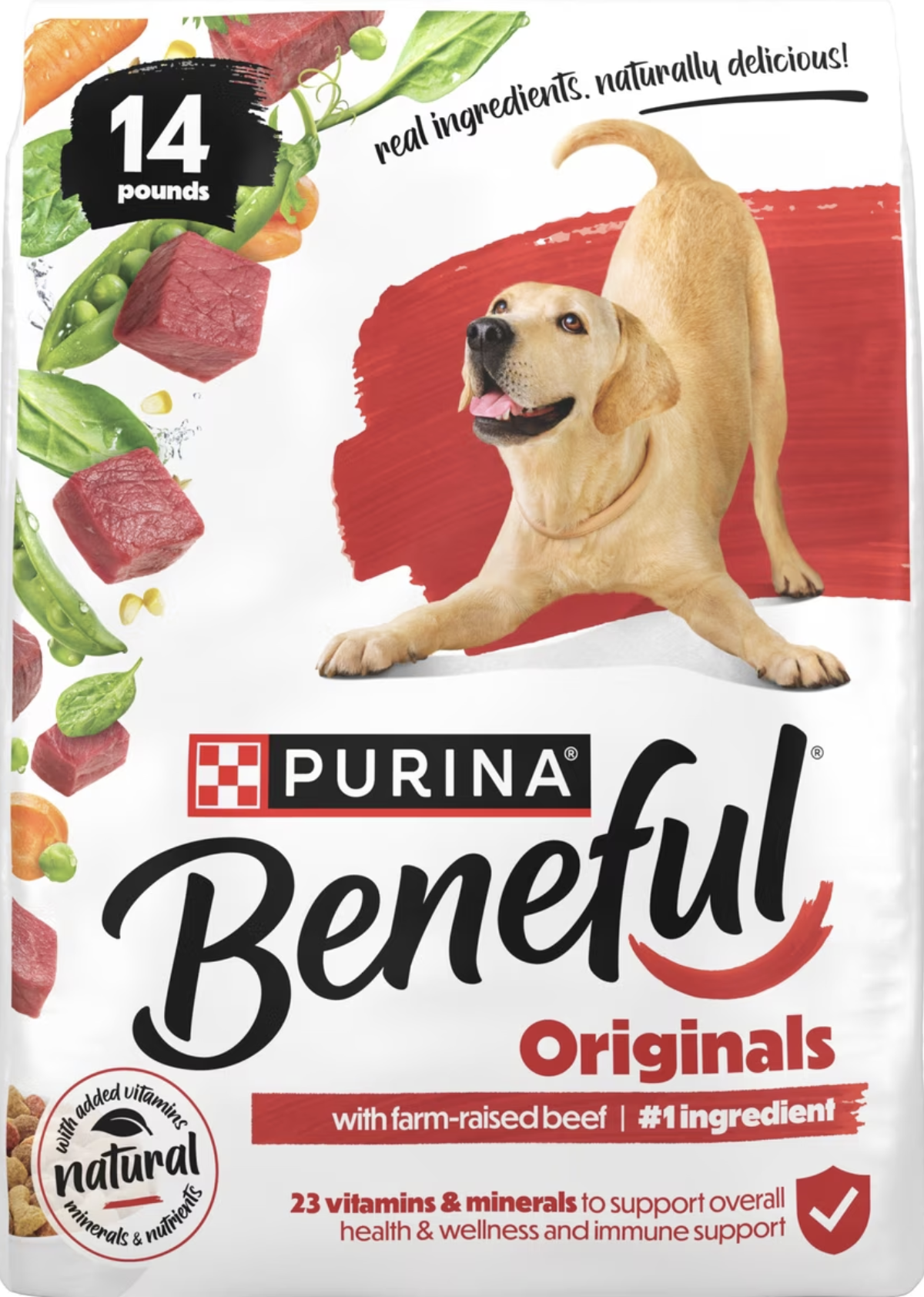
Purina Beneful Originals
7.2Farm-raised beef first, 23 added vitamins and minerals, no artificial colours.
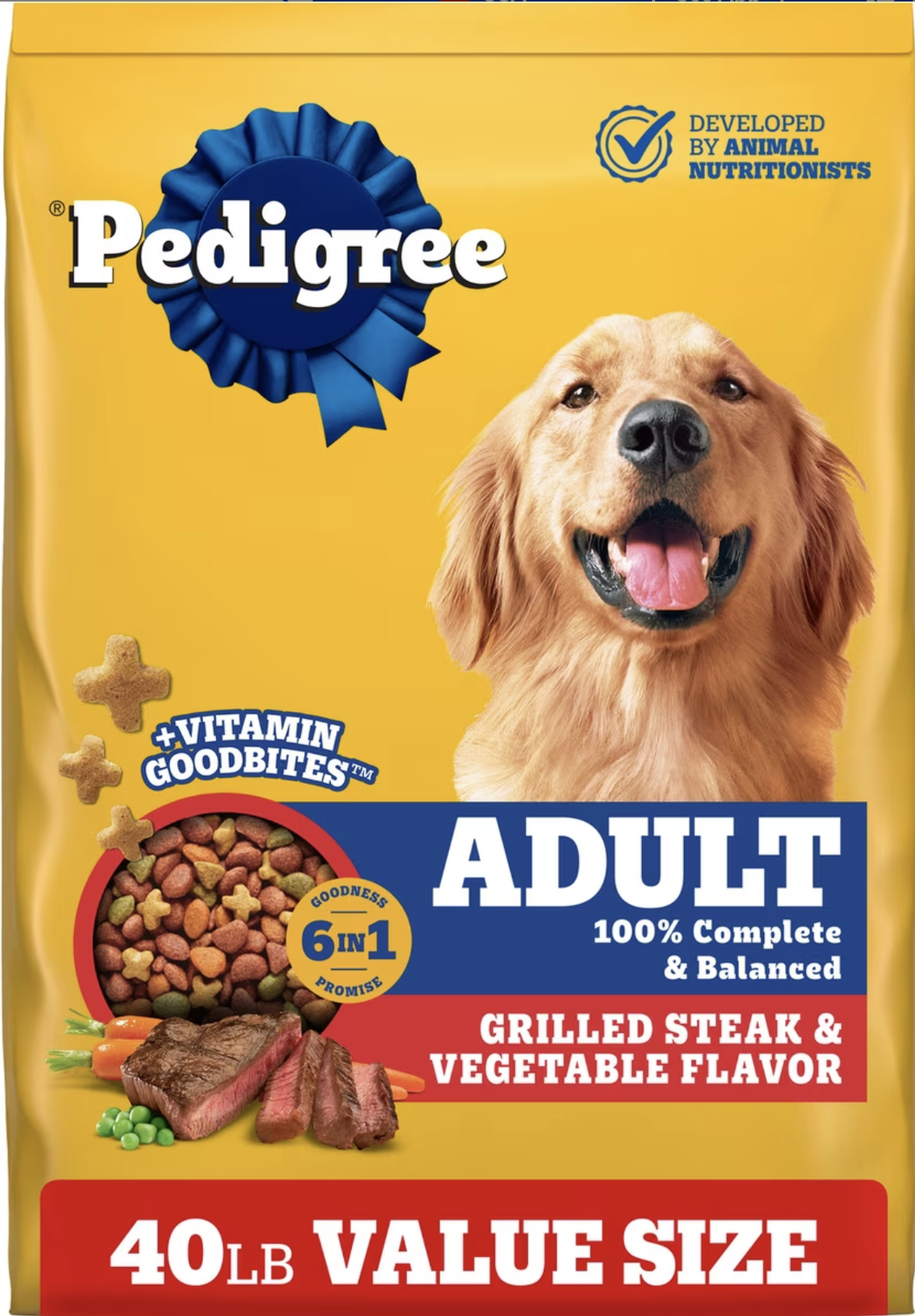
Pedigree Complete Nutrition
6.8Grilled steak and vegetable flavour, 40-lb value bag, priced below almost everything.
Recommendations are chosen by the Dr Murphies veterinary review board. Some links are affiliate links and we may earn a commission; this never affects our scoring, and brands do not see our copy before publication.
Dr Rowan Kelly, BVSc, MVS
Surgery and rehabilitation