Supplements
Omega-3s for Joints, Skin and Kidneys
Omega-3 fatty acids, specifically EPA and DHA derived from marine sources, are among the few supplements in veterinary medicine with genuinely robust evidence behind them across three seemingly unrelated systems: joints, skin and kidneys.
By Dr Thomas Nakamura, DVM
8 May 2026
4 min read

Medically reviewed
Reviewed by Dr Eleanor Murphy, BVSc of the Dr Murphies Veterinary Review Board. Reviewed content is checked against current consensus guidance before publication.
Omega-3 fatty acids, specifically EPA and DHA derived from marine sources, are among the few supplements in veterinary medicine with genuinely robust evidence behind them across three seemingly unrelated systems: joints, skin and kidneys. The common thread is their effect on inflammatory eicosanoid production throughout the body.
Eicosanoids and the Omega-6 to Omega-3 Balance
Cell membranes incorporate whatever fatty acids are dietarily available, and when EPA and DHA replace arachidonic acid within membrane phospholipids, the eicosanoids subsequently produced during inflammation, prostaglandins and leukotrienes, are of the less inflammatory series-3 and series-5 type rather than the more inflammatory series-2 and series-4 type derived from arachidonic acid.
In the kidney, this shift reduces intraglomerular pressure and inflammatory mediator production, slowing the progression of glomerular damage in chronic kidney disease, while in joints it reduces cartilage-degrading enzyme activity and inflammatory cytokine levels within the synovial fluid.
Evidence in Osteoarthritis Management
- Stiffness after rest that eases somewhat once the pet starts moving
- Reluctance to jump onto furniture or climb stairs previously managed easily
- Dull, flaky coat or excessive shedding suggesting skin barrier compromise
- Chronic low-grade itching without an identifiable allergen or parasite
- Reduced exercise tolerance consistent with early osteoarthritis or renal decline
These signs are common to numerous conditions, and while omega-3 supplementation is genuinely beneficial as adjunctive therapy, it is not a substitute for diagnosing the underlying cause, whether that is osteoarthritis, atopic dermatitis, or chronic kidney disease.
Effects on Skin Barrier Function and Allergic Skin Disease
Diagnosis of the underlying condition, rather than of omega-3 deficiency itself, guides whether supplementation is appropriate. Orthopaedic examination and radiographs confirm osteoarthritis, skin scrapes and elimination trials rule in or out allergic skin disease, and bloodwork stages chronic kidney disease.
Once a relevant condition is confirmed, the practical decision becomes one of dose, since therapeutic anti-inflammatory effects generally require considerably higher EPA and DHA doses than are present in standard maintenance pet foods, meaning a dedicated supplement is usually necessary.
Renal Blood Flow and Chronic Kidney Disease
Achieving a genuinely therapeutic omega-3 dose requires attention to product quality and combined EPA plus DHA content.
- Choose fish oil products with verified EPA and DHA content per capsule
- Dose according to combined EPA and DHA milligrams per kilogram bodyweight
- Introduce gradually to avoid gastrointestinal upset from a sudden high fat load
- Store oil products refrigerated and discard if any rancid odour develops
Dosing, Sourcing and Quality Control Issues
Benefits in osteoarthritis typically take six to eight weeks of consistent dosing to become noticeable, so owners should be counselled not to abandon supplementation prematurely while assessing whether it is helping their particular pet.
Combining omega-3 supplementation with weight management and, where indicated, other joint-support therapies produces a more meaningful functional improvement than any single intervention used alone.
When to seek help urgently
- Sudden inability to bear weight on a limb rather than gradual stiffness
- Pancreatitis signs such as vomiting and abdominal pain after starting fish oil
- Rapid worsening of kidney values despite consistent omega-3 supplementation
- Severe secondary skin infection requiring more than dietary intervention
Omega-3 supplementation is a well-supported adjunct rather than a standalone treatment, and your vet can recommend an appropriate product and dose based on your pet's specific diagnosis.
Vet-recommended
Products our review board rates for this
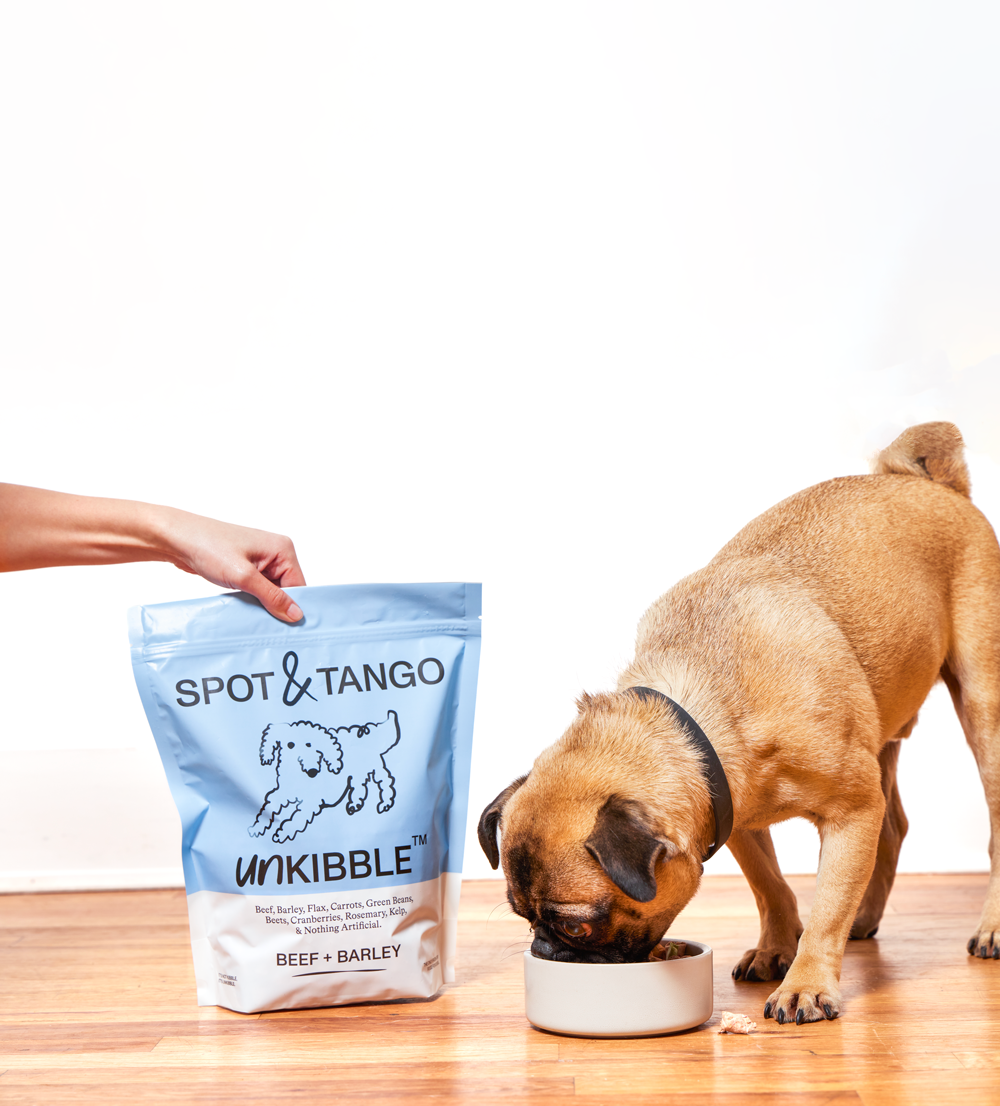
Spot & Tango
9.1Vet-formulated fresh trays and dehydrated UnKibble, portioned to the individual dog.
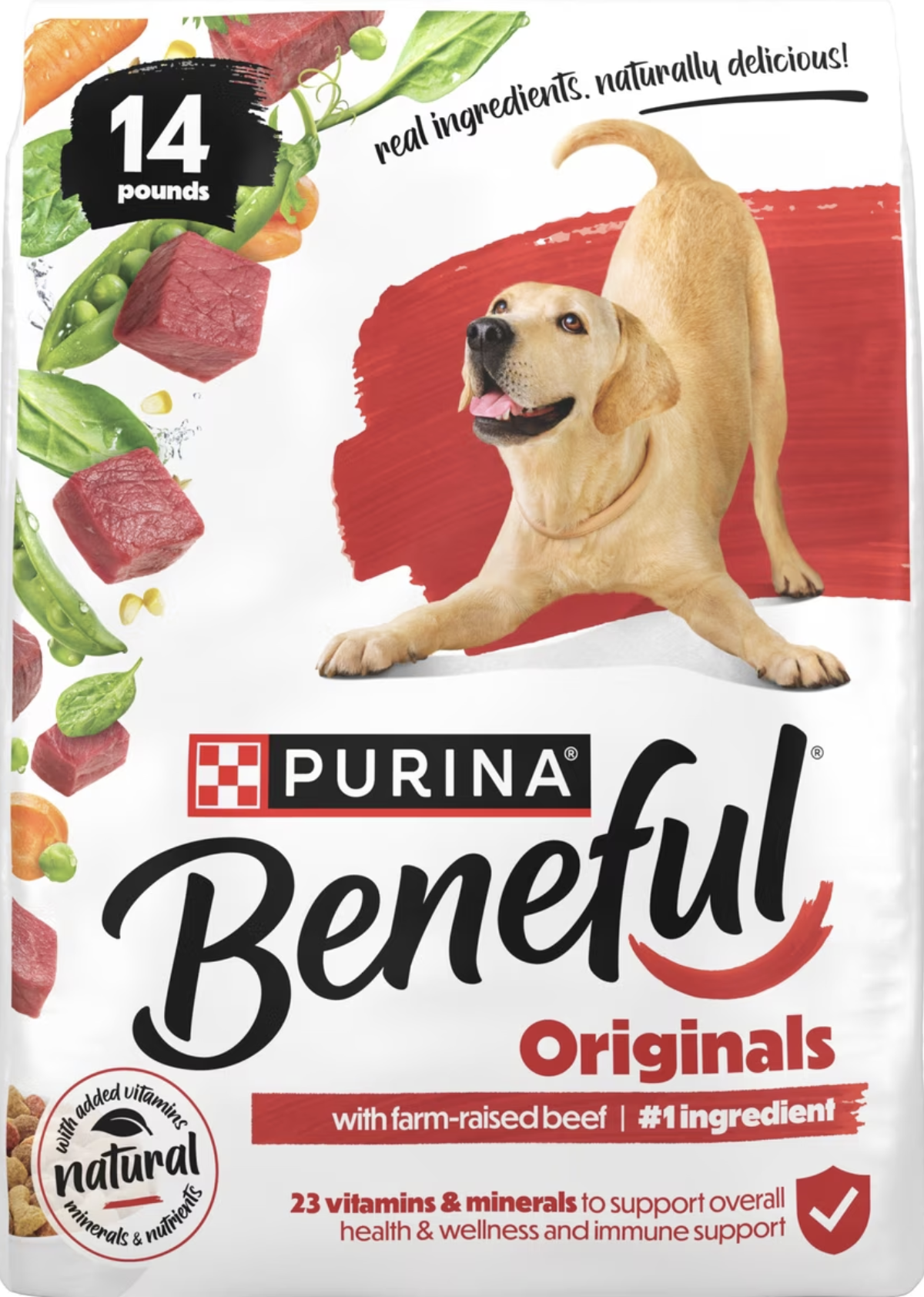
Purina Beneful Originals
7.2Farm-raised beef first, 23 added vitamins and minerals, no artificial colours.
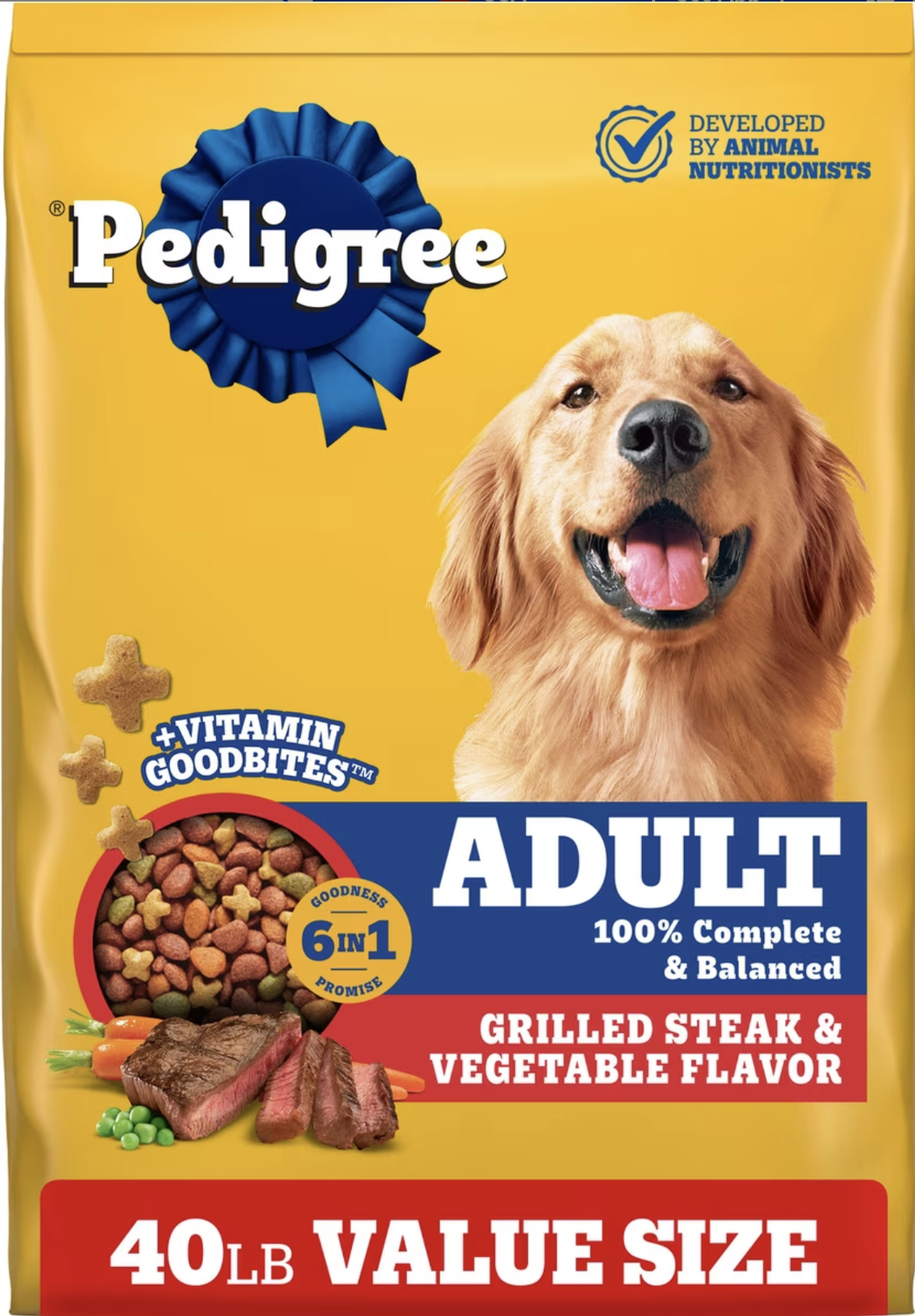
Pedigree Complete Nutrition
6.8Grilled steak and vegetable flavour, 40-lb value bag, priced below almost everything.
Recommendations are chosen by the Dr Murphies veterinary review board. Some links are affiliate links and we may earn a commission; this never affects our scoring, and brands do not see our copy before publication.
Dr Thomas Nakamura, DVM
Exotic and avian medicine