Clinical Diets
Prescription Urinary Diets and Crystal Chemistry
Prescription urinary diets work by directly manipulating the chemistry that determines whether minerals in urine remain dissolved or precipitate into crystals and stones, and the correct diet differs substantially depending on which type of crystal is involved, making an accurate diagnosis before diet selection absolutely essential.
By Dr Eleanor Murphy, BVSc
22 April 2026
4 min read
Medically reviewed
Reviewed by Dr Samuel Adeyemi, DVM, DACVIM of the Dr Murphies Veterinary Review Board. Reviewed content is checked against current consensus guidance before publication.
Prescription urinary diets work by directly manipulating the chemistry that determines whether minerals in urine remain dissolved or precipitate into crystals and stones, and the correct diet differs substantially depending on which type of crystal is involved, making an accurate diagnosis before diet selection absolutely essential.
Struvite Versus Calcium Oxalate: Two Opposite Strategies
Struvite crystals form preferentially in alkaline urine with high magnesium, ammonium and phosphate concentrations, so struvite dissolution diets restrict magnesium and phosphorus while acidifying urine to a pH around 6.0 to 6.5, actively dissolving existing struvite stones over several weeks without surgery in many cases.
Calcium oxalate crystals, by contrast, form more readily in acidic, concentrated urine, so calcium oxalate prevention diets aim for a mildly alkaline to neutral pH around 6.5 to 7.0 while restricting calcium and oxalate precursors and increasing urine volume through higher moisture content, since oxalate stones, unlike struvite, cannot be dissolved medically once formed and require surgical or lithotripsy removal.
Urinary pH Manipulation and Its Limits
- Straining to urinate with little or no urine produced
- Blood visible in the urine or frequent small urination attempts
- Excessive licking of the genital area between urination attempts
- Vocalising or apparent pain specifically during urination
- Complete inability to urinate, which is a life-threatening emergency in male cats
Male cats are at particular risk of complete urethral obstruction due to their narrower urethral diameter, and any male cat straining with minimal urine output must be treated as a same-day emergency rather than monitored at home overnight.
Water Intake and Urine Concentration
Urinalysis including pH, specific gravity and sediment examination identifies crystal type, while radiographs or ultrasound assess stone number, size and location, since struvite stones are typically radiopaque and visible on plain radiographs while some calcium oxalate stones require ultrasound for detection.
Stone analysis, when a stone is retrieved surgically or passed naturally, provides definitive confirmation of mineral composition and should always be sent for laboratory analysis rather than assumed from radiographic appearance alone, since mixed-composition stones do occur.
Feline Idiopathic Cystitis and the Multimodal Environmental Approach
Treatment is dictated entirely by confirmed stone type rather than a single generic urinary diet approach.
- Feed a struvite dissolution diet under veterinary monitoring for confirmed struvite stones
- Switch to a calcium oxalate prevention diet with increased moisture for oxalate cases
- Relieve urethral obstruction as an emergency before any dietary management begins
- Increase water intake through wet food and multiple water sources for all urinary cases
Monitoring Success With Urinalysis Over Time
For cats prone to calcium oxalate stones or idiopathic cystitis, environmental enrichment, reduced stress, multiple clean litter trays and consistent access to fresh water are as important as diet in reducing recurrence, reflecting the strong stress component in feline lower urinary tract disease.
Repeat urinalysis every three to six months, or sooner if signs recur, allows the diet to be adjusted proactively, since crystal type can occasionally change over time in an individual pet, particularly after previous dietary or medical intervention.
When to seek help urgently
- Complete inability to urinate, especially in a male cat, requiring immediate emergency care
- Visible blood in urine combined with straining or frequent attempts
- Vomiting and lethargy alongside urinary signs suggesting obstruction and toxin buildup
- Sudden collapse in a cat with known or suspected urethral obstruction
Because struvite and calcium oxalate management strategies are opposites, never start a urinary diet without a confirmed diagnosis from your vet, since the wrong diet can worsen the specific stone type actually present.
Vet-recommended
Products our review board rates for this
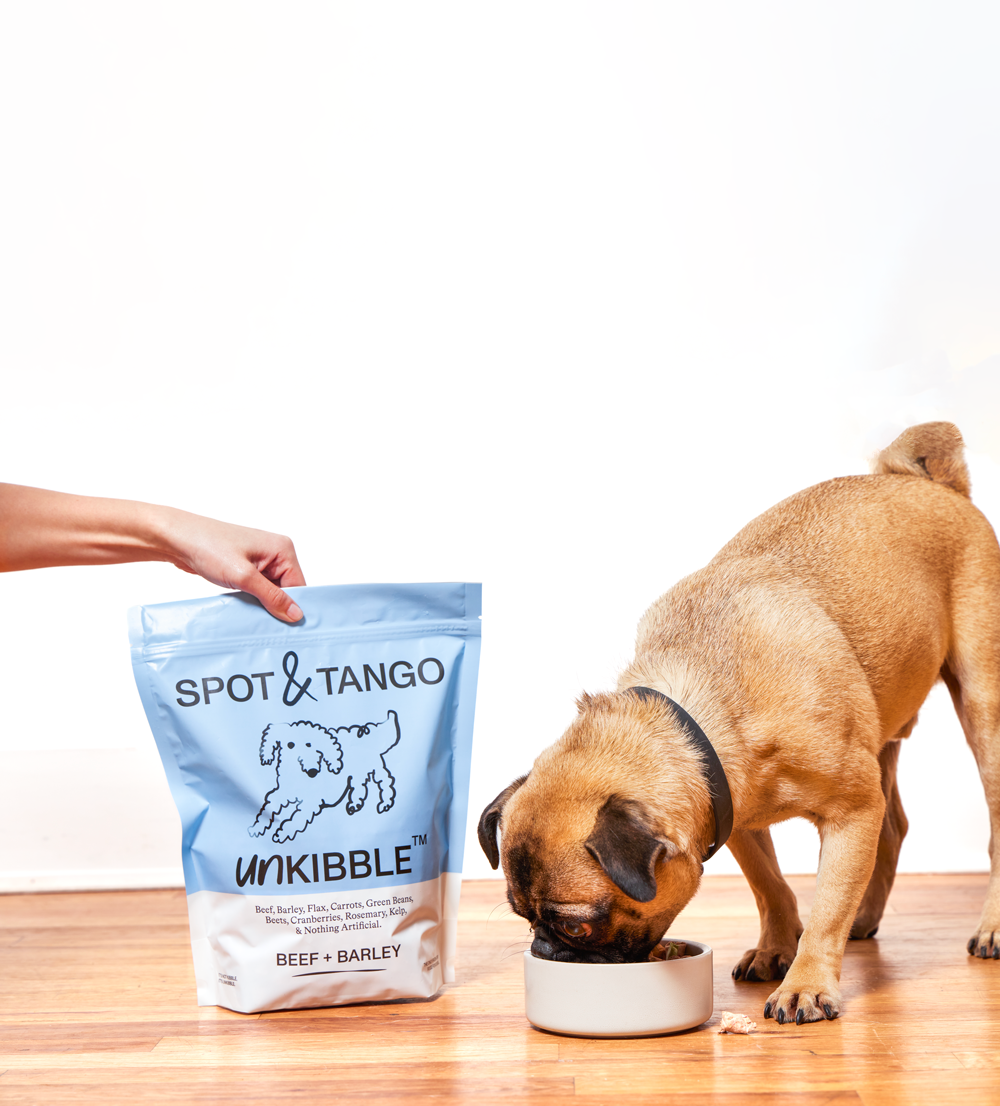
Spot & Tango
9.1Vet-formulated fresh trays and dehydrated UnKibble, portioned to the individual dog.
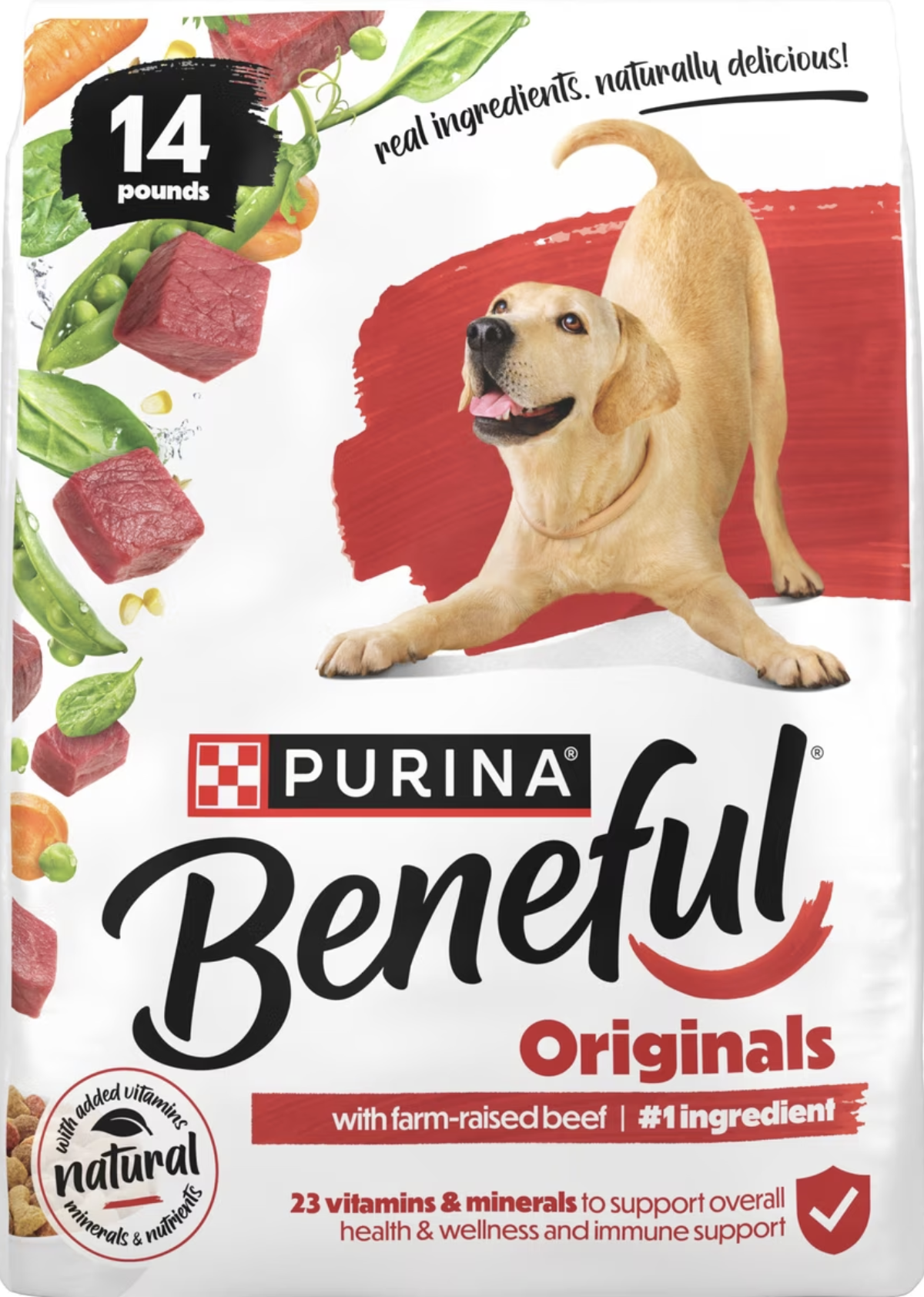
Purina Beneful Originals
7.2Farm-raised beef first, 23 added vitamins and minerals, no artificial colours.
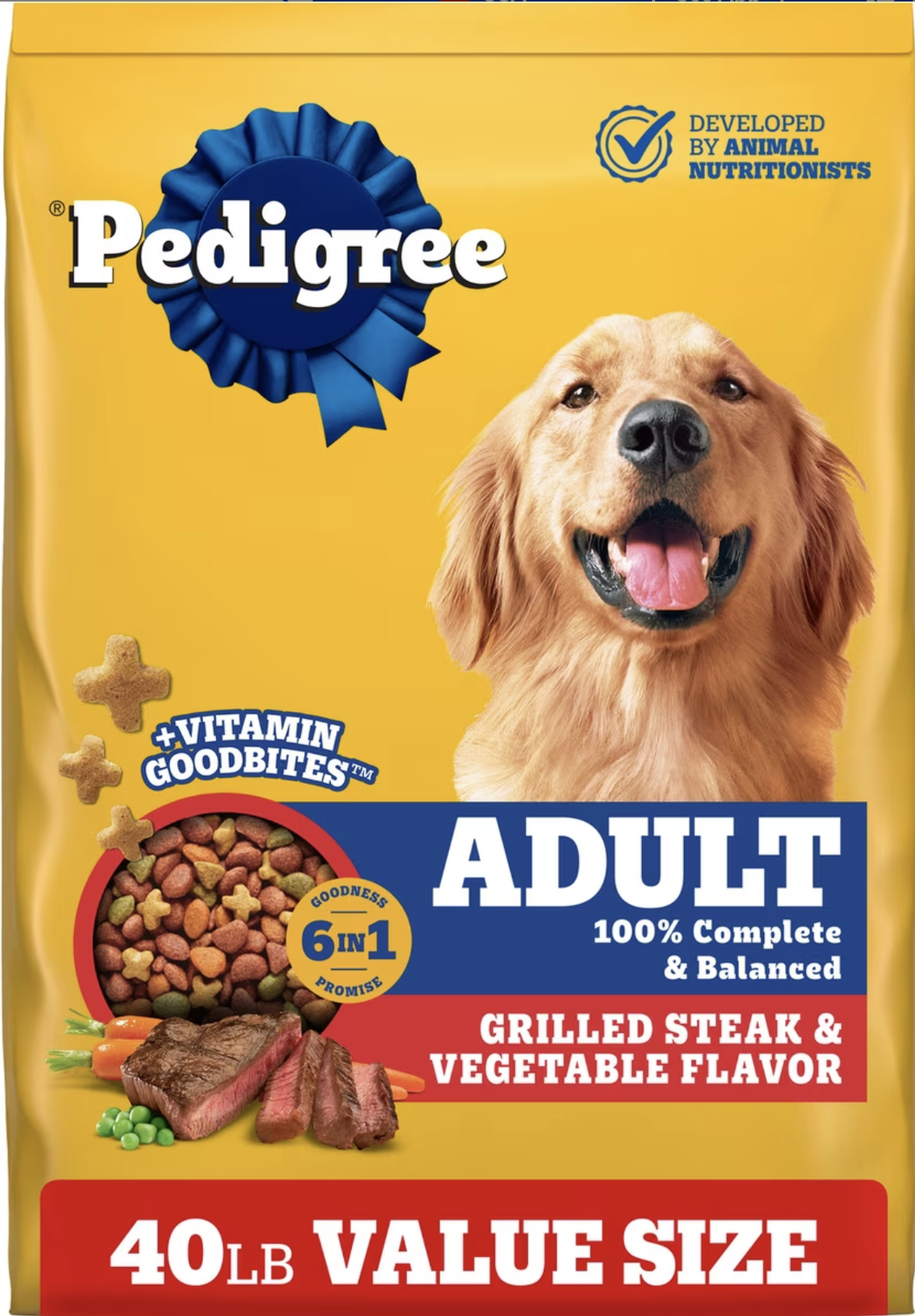
Pedigree Complete Nutrition
6.8Grilled steak and vegetable flavour, 40-lb value bag, priced below almost everything.
Recommendations are chosen by the Dr Murphies veterinary review board. Some links are affiliate links and we may earn a commission; this never affects our scoring, and brands do not see our copy before publication.
Dr Eleanor Murphy, BVSc
Founding editor and small-animal internist