Supplements
Probiotics for Pets: What Actually Survives the Stomach
The probiotic market for pets is large and largely unregulated, and independent testing has repeatedly found that many commercial products contain far fewer viable organisms than labelled, or strains that were never proven to survive gastric transit in the first place.
By Dr Samuel Adeyemi, DVM, DACVIM
6 May 2026
4 min read

Medically reviewed
Reviewed by Dr Mariana Oliveira, DVM, DACVN of the Dr Murphies Veterinary Review Board. Reviewed content is checked against current consensus guidance before publication.
The probiotic market for pets is large and largely unregulated, and independent testing has repeatedly found that many commercial products contain far fewer viable organisms than labelled, or strains that were never proven to survive gastric transit in the first place. Choosing an effective probiotic means looking past the packaging to the strain-level evidence.
Gastric Acid, Bile and the Survival Bottleneck
For a probiotic to have any effect, its organisms must survive passage through the acidic stomach environment, typically pH 1 to 3, and then tolerate bile salts in the small intestine before reaching the colon in sufficient numbers to transiently colonise or produce beneficial metabolites. Many generic Lactobacillus and Bifidobacterium strains sold in human products simply do not survive this journey in meaningful numbers when tested in dogs.
Strains specifically studied in dogs and cats, such as certain Enterococcus faecium SF68 formulations and particular Bifidobacterium animalis strains, have documented survival data and measurable effects on faecal short-chain fatty acid production and immune modulation, which is why strain designation, not just species name, is the relevant detail on a label.
Strain Specificity Versus Genus-Level Marketing
- Loose stool or diarrhoea following antibiotic courses or stress events
- Soft, inconsistent stool without a clearly identified underlying disease
- Excessive flatulence suggesting altered colonic fermentation patterns
- Recurrent mild gastrointestinal upset during kennel stays or travel
- Reduced stool quality during dietary transitions between commercial foods
Probiotics are best considered supportive rather than curative, and persistent or severe gastrointestinal signs warrant investigation for underlying causes such as parasites, inflammatory bowel disease or dietary intolerance rather than reliance on probiotics alone.
Evidence in Acute and Antibiotic-Associated Diarrhoea
There is no diagnostic test for whether a pet "needs" a probiotic, but faecal analysis to rule out parasites, and bloodwork or additional imaging for pets with chronic rather than acute signs, ensures probiotics are not masking a condition requiring specific treatment.
When evaluating a specific product, checking for third-party colony forming unit verification at the end of shelf life, rather than at time of manufacture, reveals whether the labelled dose will actually be delivered when the pet consumes it months later.
Colony Forming Units and Why the Number on the Label Lies
Selecting and using a probiotic effectively comes down to strain evidence and appropriate timing relative to antibiotics.
- Select products with named strains supported by veterinary clinical trial data
- Dose probiotics two hours apart from any concurrent antibiotic administration
- Continue for one to two weeks beyond resolution of acute diarrhoea signs
- Store products according to label instructions since many require refrigeration
Choosing a Product With Actual Clinical Data
Probiotics are most reliably useful as adjunctive therapy during and after antibiotic courses, during stressful boarding or travel periods, and in mild acute diarrhoea, rather than as a permanent daily supplement for an entirely healthy pet with normal stool quality.
For pets with chronic gastrointestinal disease, prebiotic fibre sources and a properly diagnosed therapeutic diet typically produce more durable improvement than probiotics used in isolation, since the underlying gut environment needs to support any beneficial organisms introduced.
When to seek help urgently
- Bloody diarrhoea or vomiting rather than simple loose stool
- Diarrhoea persisting beyond 48 to 72 hours despite probiotic use
- Signs of dehydration such as lethargy and reduced skin elasticity
- Weight loss accompanying chronic intermittent digestive upset
Probiotic quality varies enormously between products, so ask your vet to recommend a strain with genuine veterinary trial evidence rather than choosing based on marketing claims alone.
Vet-recommended
Products our review board rates for this
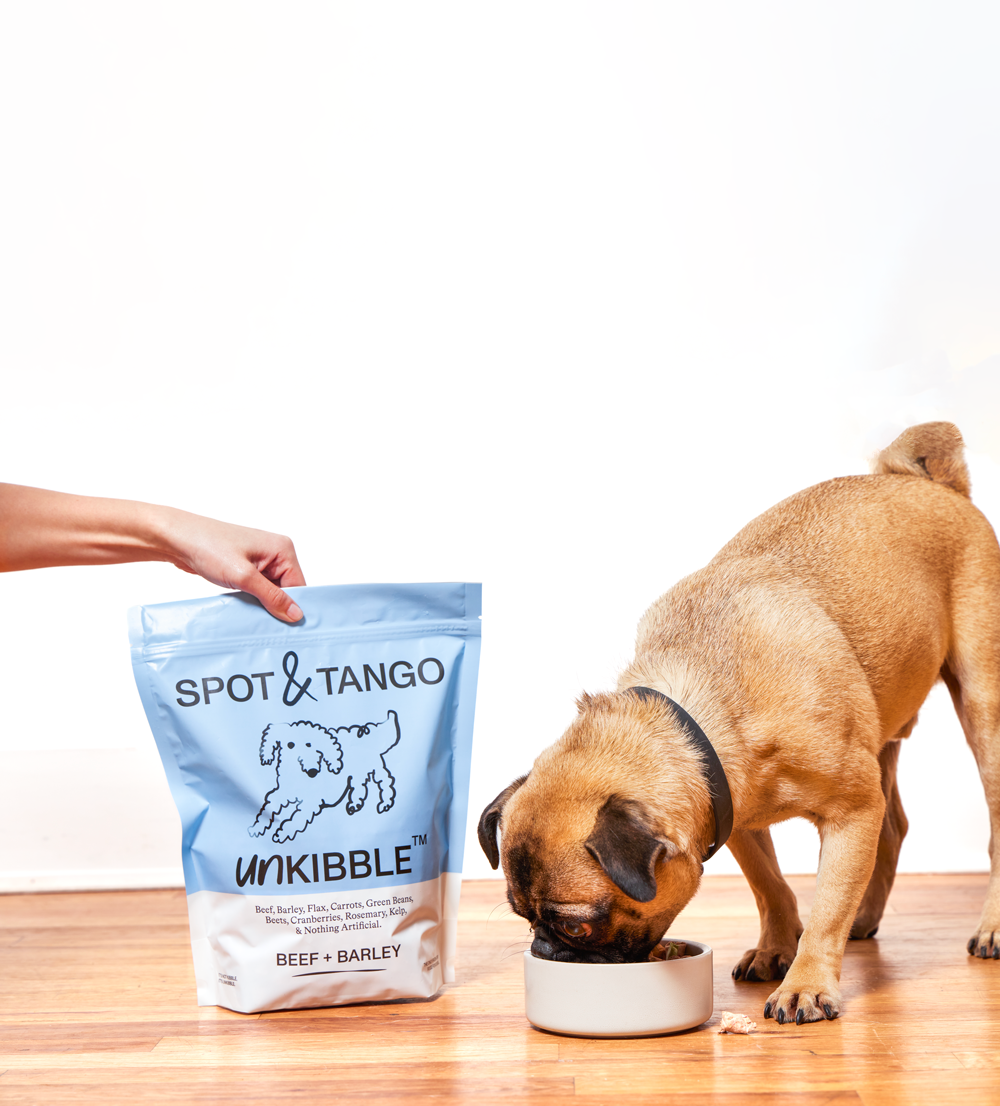
Spot & Tango
9.1Vet-formulated fresh trays and dehydrated UnKibble, portioned to the individual dog.
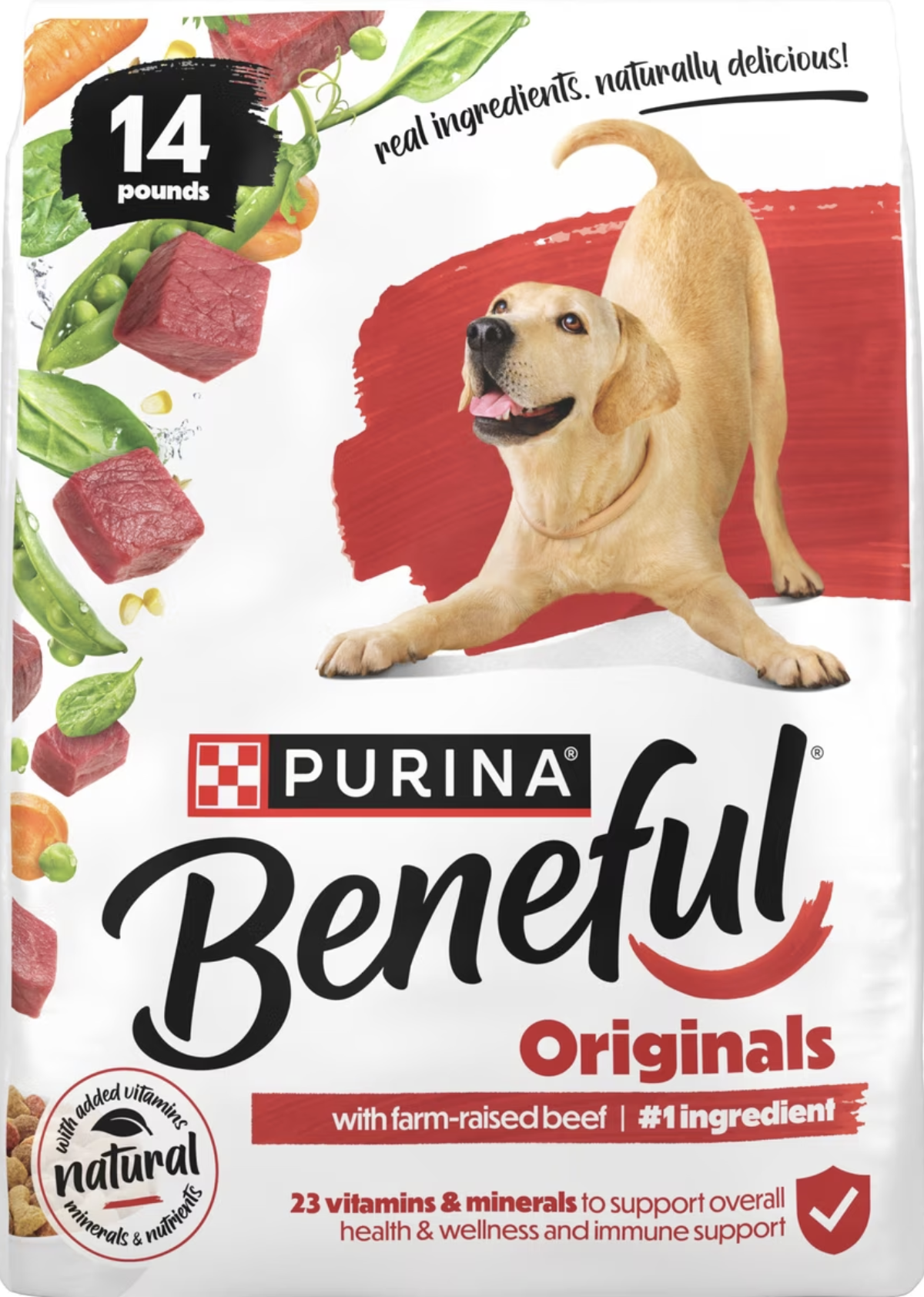
Purina Beneful Originals
7.2Farm-raised beef first, 23 added vitamins and minerals, no artificial colours.
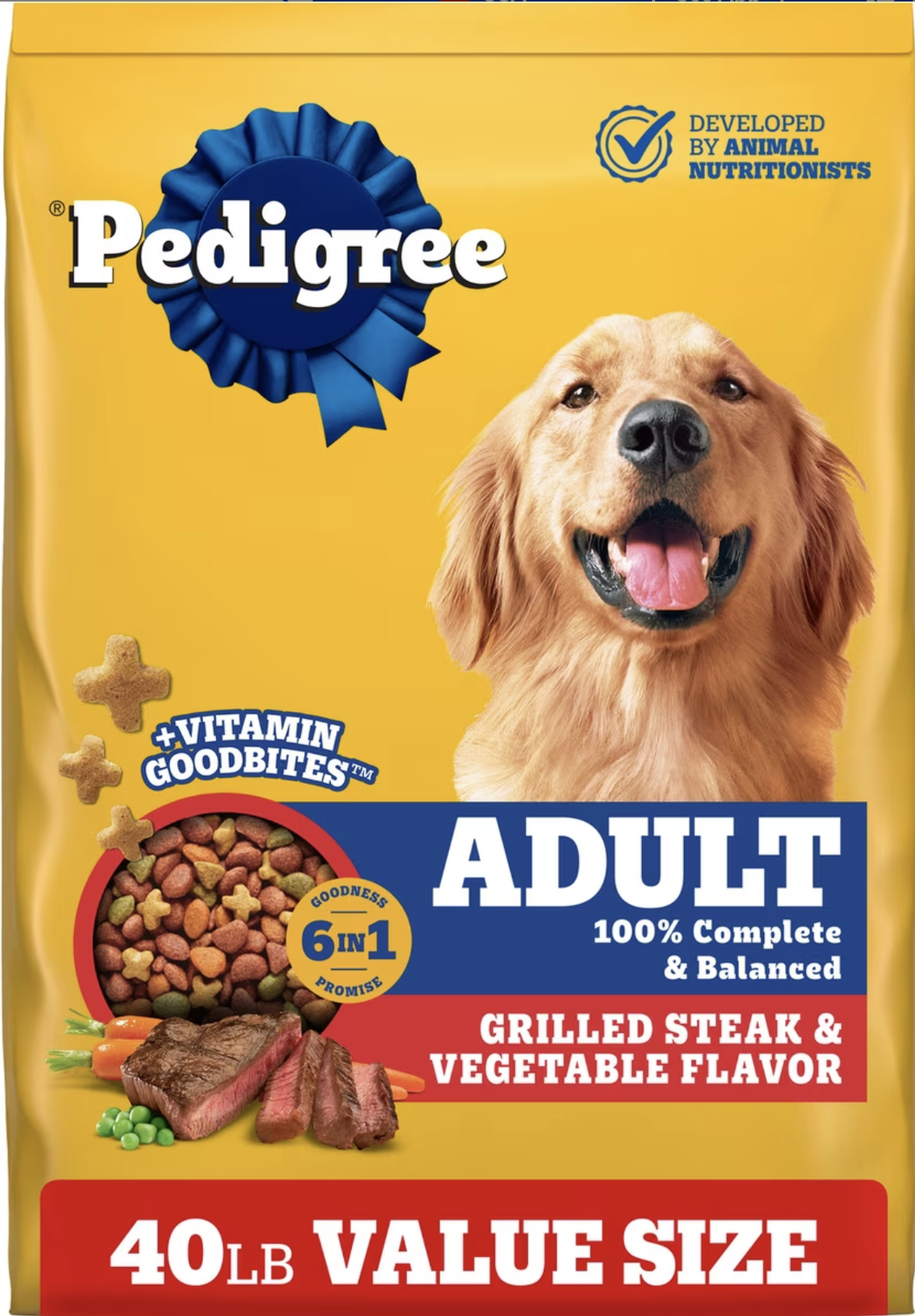
Pedigree Complete Nutrition
6.8Grilled steak and vegetable flavour, 40-lb value bag, priced below almost everything.
Recommendations are chosen by the Dr Murphies veterinary review board. Some links are affiliate links and we may earn a commission; this never affects our scoring, and brands do not see our copy before publication.
Dr Samuel Adeyemi, DVM, DACVIM
Internal medicine specialist