Life Stage
Puppy Growth Diets and Large-Breed Skeletal Health
Large and giant breed puppies are uniquely vulnerable to developmental orthopaedic disease, and the single most important nutritional factor is not protein content but calcium intake and growth rate control, a fact that overturned decades of conventional advice about restricting protein in growing dogs.
By Dr Samuel Adeyemi, DVM, DACVIM
23 June 2026
4 min read

Medically reviewed
Reviewed by Dr Mariana Oliveira, DVM, DACVN of the Dr Murphies Veterinary Review Board. Reviewed content is checked against current consensus guidance before publication.
Large and giant breed puppies are uniquely vulnerable to developmental orthopaedic disease, and the single most important nutritional factor is not protein content but calcium intake and growth rate control, a fact that overturned decades of conventional advice about restricting protein in growing dogs.
Why Large Breeds Need Different Growth Curves
Unlike small breed puppies, large and giant breed dogs cannot effectively downregulate intestinal calcium absorption when dietary calcium is high, meaning excess calcium is absorbed regardless of need and deposited in growth plates, disrupting normal endochondral ossification and contributing to conditions like osteochondrosis, hip dysplasia and angular limb deformities.
Rapid growth rate itself, driven by excess calories rather than excess protein, increases mechanical stress on immature joints and growth plates before they have fully ossified, which is why large breed puppy diets are formulated for controlled, steady growth over 18 to 24 months rather than the fastest possible growth.
Calcium Excess as the Primary Skeletal Risk
- Lameness or reluctance to exercise appearing during rapid growth phases
- Swelling around growth plates, particularly at the wrist or elbow
- Bowing or angular deformity of the front limbs during growth
- Bunny-hopping gait or hip laxity suggesting developing hip dysplasia
- Excessive growth rate compared to breed-specific growth charts
Developmental orthopaedic disease often has no single dramatic onset, appearing instead as subtle gait changes that owners attribute to normal puppy clumsiness, which is why routine veterinary checks during the rapid growth period between three and twelve months are particularly valuable.
Controlled Growth Versus Maximum Growth Rate
Regular weight and body condition tracking against breed-specific large breed growth charts identifies excessive growth rate before it causes irreversible skeletal change, and any persistent lameness during growth warrants orthopaedic examination and radiographs to assess joint conformation and growth plate status.
Radiographic evaluation of hip and elbow conformation, sometimes including PennHIP assessment in at-risk breeds, provides an objective measure of joint laxity that guides both immediate management and future breeding decisions if relevant.
Reading Large Breed Puppy Food Labels Correctly
Managing skeletal risk in a growing large breed puppy is primarily about calorie and calcium control rather than treatment of established disease.
- Feed a diet specifically formulated and labelled for large breed growth
- Avoid calcium or multivitamin supplementation beyond the complete diet
- Maintain lean body condition throughout growth rather than allowing excess weight
- Limit high-impact exercise such as repeated jumping until growth plates close
Common Mistakes: Supplements and Free Feeding
Free feeding or leaving food available at all times should be avoided in large breed puppies, since it removes the ability to control growth rate precisely, in favour of measured meals calculated against current weight and adjusted regularly through the growth period.
Owners who already own an adult dog and are tempted to feed the puppy an adult formula, or vice versa, should be aware that neither substitution provides the specific calcium and calorie balance required, making a dedicated large breed puppy diet the safer default until growth is complete.
When to seek help urgently
- Sudden non-weight-bearing lameness in a growing large breed puppy
- Visible bowing or asymmetry of the front limbs developing over weeks
- Severe pain on manipulation of a growth plate area
- Reluctance to rise or move entirely, suggesting significant joint pain
Skeletal development in large breed puppies is largely shaped in the first year of life and cannot easily be corrected afterward, so follow your vet's growth monitoring recommendations closely rather than relying on general puppy feeding advice.
Vet-recommended
Products our review board rates for this
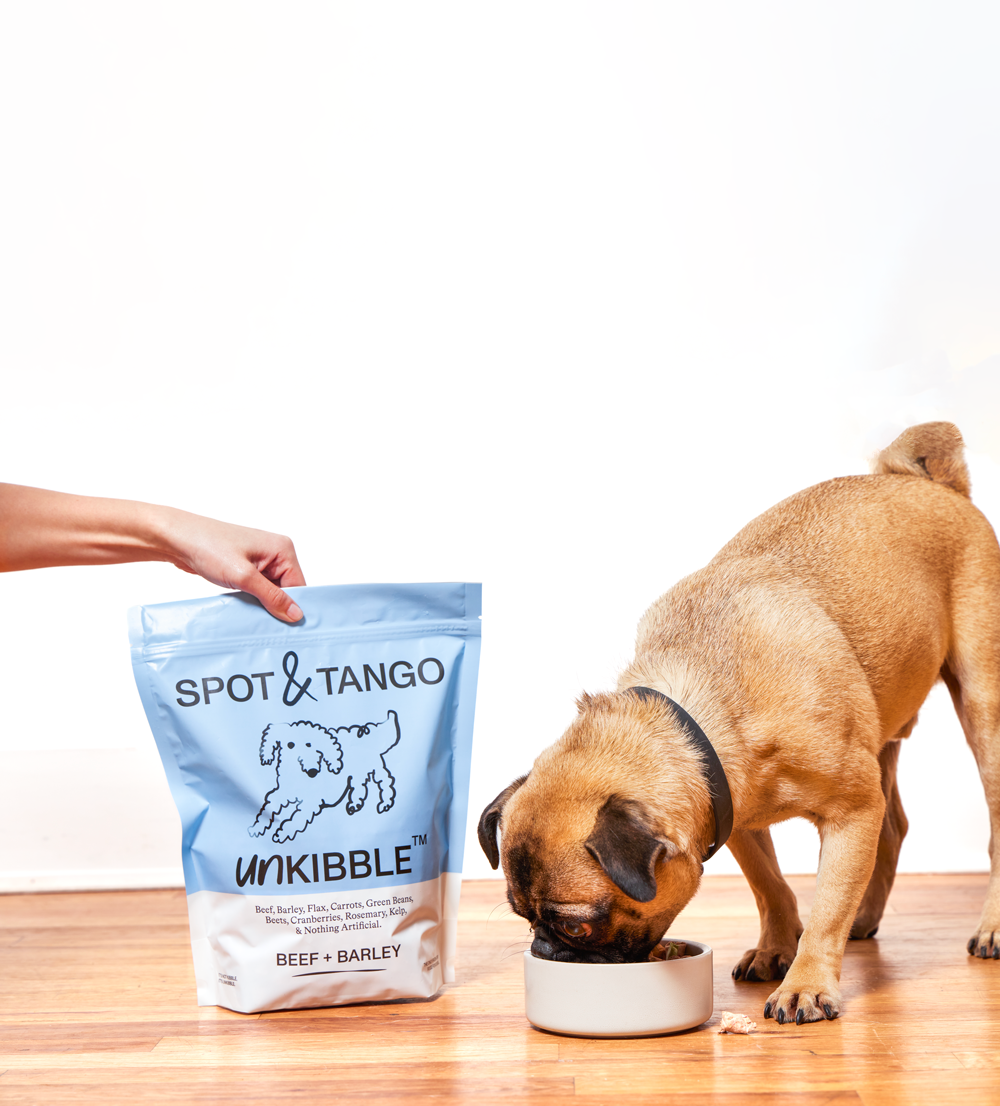
Spot & Tango
9.1Vet-formulated fresh trays and dehydrated UnKibble, portioned to the individual dog.
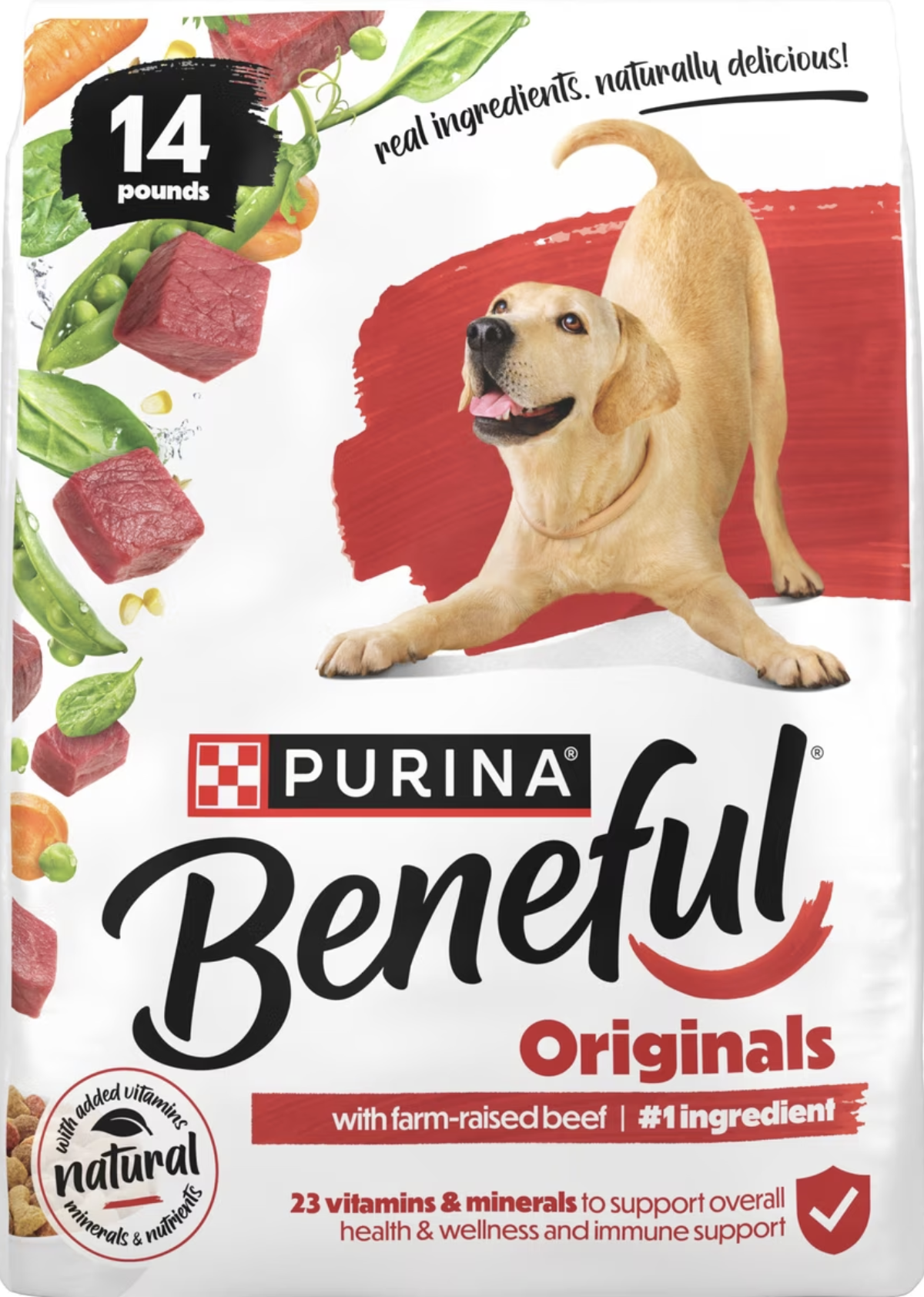
Purina Beneful Originals
7.2Farm-raised beef first, 23 added vitamins and minerals, no artificial colours.
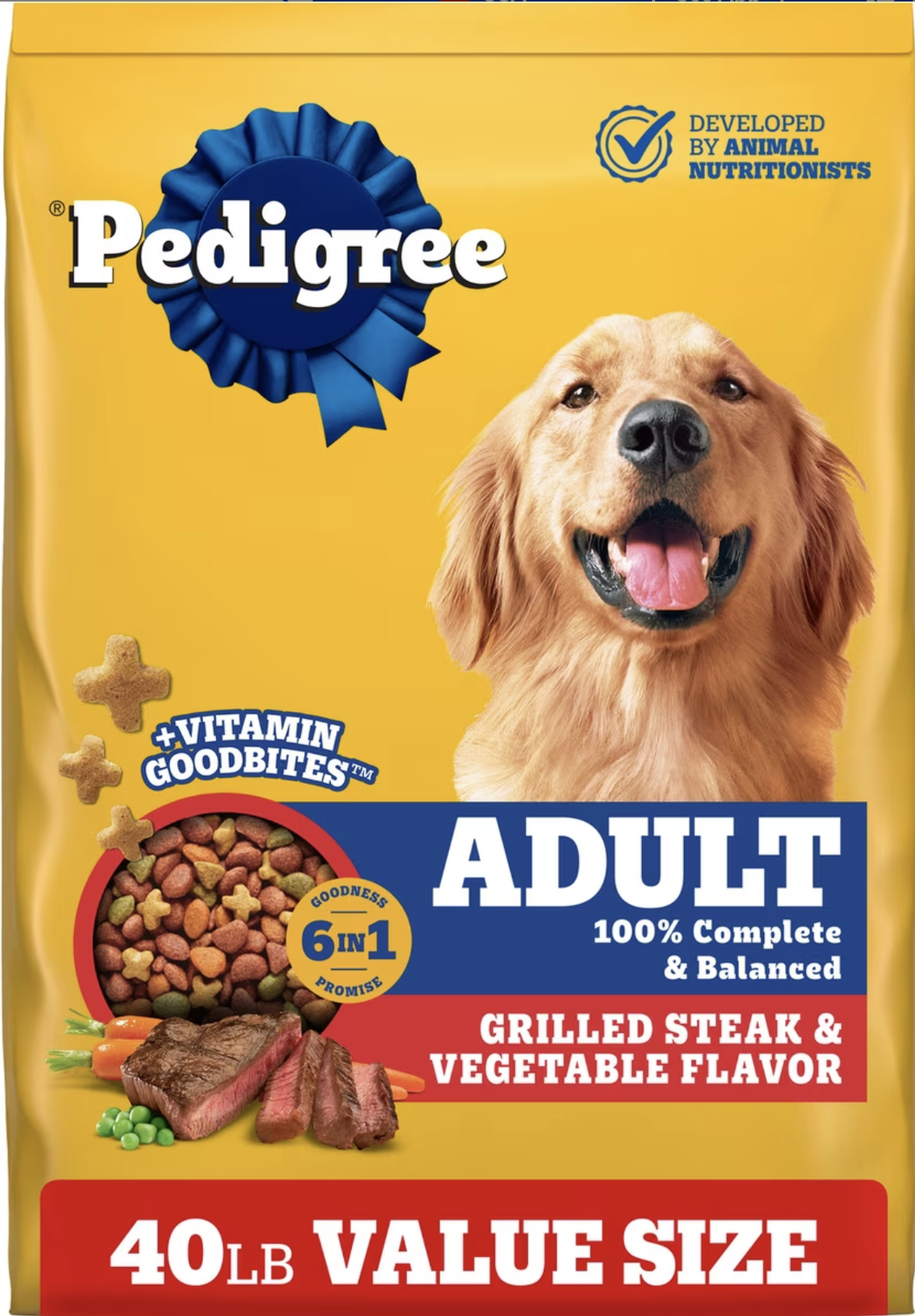
Pedigree Complete Nutrition
6.8Grilled steak and vegetable flavour, 40-lb value bag, priced below almost everything.
Recommendations are chosen by the Dr Murphies veterinary review board. Some links are affiliate links and we may earn a commission; this never affects our scoring, and brands do not see our copy before publication.
Dr Samuel Adeyemi, DVM, DACVIM
Internal medicine specialist