The Review
Rachael Ray Nutrish Soup Bones Review: What an 11-Count Bag of Chicken and Veggie Chews Actually Delivers
A bone-shaped, long-lasting chew built on a starch and gelatin matrix with a real chicken broth centre. We looked at the calories, the chew time and the digestive reality for the average adult dog.
By Dr Elise Murphy, BVSc (Hons)
24 August 2026
8 min read

Medically reviewed
Reviewed by Dr Tom Whelan, BVMS, MANZCVS of the Dr Murphies Veterinary Review Board. Reviewed content is checked against current consensus guidance before publication.
Hard chews occupy an odd place in the pet aisle. They are sold as treats, priced as treats, and used by most owners as something closer to a behavioural tool: twenty quiet minutes while dinner is cooked, or a distraction for a dog who has learned that the front door means visitors. Rachael Ray Nutrish Soup Bones are squarely in that category, and they should be judged on that job rather than on nutrition alone.
The 11-count bag holds bone-shaped chews made from a firm outer matrix wrapped around a softer savoury centre, flavoured with real chicken and vegetables. They are marketed as long-lasting and rawhide free, and both claims hold up in ordinary use with an average adult chewer.
What the chew is made of
This is a starch and gelatin chew, not a bone and not a rawhide. The matrix is built on wheat and other cereal starches, bound with gelatin and glycerin, with chicken and chicken broth providing the flavour and vegetable inclusions such as peas and carrots appearing in small, largely cosmetic quantities. Read the vegetable content as flavour and colour, not as a meaningful source of nutrients.
- Rawhide free, so it softens and breaks down rather than swelling into a leathery mass.
- Bone-shaped, firm outer layer with a softer flavoured centre that keeps most dogs working at it.
- Real chicken and chicken broth included, though the bulk of the chew is cereal starch and gelatin.
- Made in the USA, with the brand's usual sourcing statement on the pack.
- 11 chews per bag, intended as an occasional treat rather than a daily fixture.
Calories, and why they matter here
A chew of this size is not a nibble. Depending on the exact size in the bag, one sits in the range of a substantial snack for a small or medium dog, and treats of all kinds should stay under roughly ten per cent of daily calories. For a ten-kilogram dog that ceiling is small, and one of these can absorb most of it. Deduct the chew from the evening meal rather than adding it on top, particularly for a neutered dog or one already carrying condition.
For a large dog the calorie arithmetic is easier, but the chew will also last less time, which changes the value equation in the other direction. An 11-count bag consumed by a determined labrador is a short-lived purchase.
Digestive tolerance
The most common complaint we hear about starch-and-gelatin chews is loose stool a day after the treat, and the mechanism is straightforward: a large, rich, unfamiliar bolus of gelatin and fat arriving in one sitting. Dogs with a history of dietary indiscretion, pancreatitis or inflammatory bowel disease are the ones most likely to react, and they should be given a smaller, plainer chew instead.
For the average tolerant adult dog, introduce the first chew as half a chew, watch the next two stools, and only then treat it as a normal item. Wheat is present, so this is not suitable for a dog on an elimination diet or with a confirmed grain sensitivity.
Safety and supervision
Rawhide free is a genuine advantage. Rawhide's real risk is that it rehydrates into a slick strip that a dog can swallow whole, and starch-based chews avoid that failure mode by softening and crumbling. What they do not avoid is the end-of-chew hazard: the last short segment that a dog tries to gulp. Take it off them, every time.
- Supervise the whole chew, and remove the final piece from any dog that swallows rather than grinds.
- One chew at a time, and not every day; this is an occasional treat.
- Not appropriate for puppies with deciduous teeth or for dogs with a fractured or restored tooth.
- Contains wheat, so unsuitable for grain-sensitive dogs and elimination trials.
- Fresh water alongside, as with any dry chew.
Does it do anything for teeth?
Only incidentally. Any prolonged chewing produces some mechanical abrasion on the buccal surfaces of the premolars, and saliva flow rises while a dog is working. But this product carries no calculus-control agent and makes no clinical dental claim, and it should not be counted as part of a dental plan. If tartar control is the goal, use a daily chew designed for it, and brush.
Who it suits
A healthy adult dog with a settled stomach and a habit of needing something to do. It is well made for the price, dogs are consistently keen on the broth centre, and the rawhide-free construction removes the single worst risk in the hard chew category. As an occasional enrichment treat, counted into the calorie budget and supervised to the last piece, it earns its place.
It is the wrong choice for a puppy, a grain-sensitive dog, a dog with a pancreatitis history, or an owner looking for a dental product. And on cost per chewing minute, a powerful large-breed chewer will get through the bag faster than the price justifies.
Our read: an honest, well-priced enrichment chew with no clinical pretensions. Treat it as entertainment with calories attached, and it performs exactly as advertised.
Vet-recommended
Products our review board rates for this
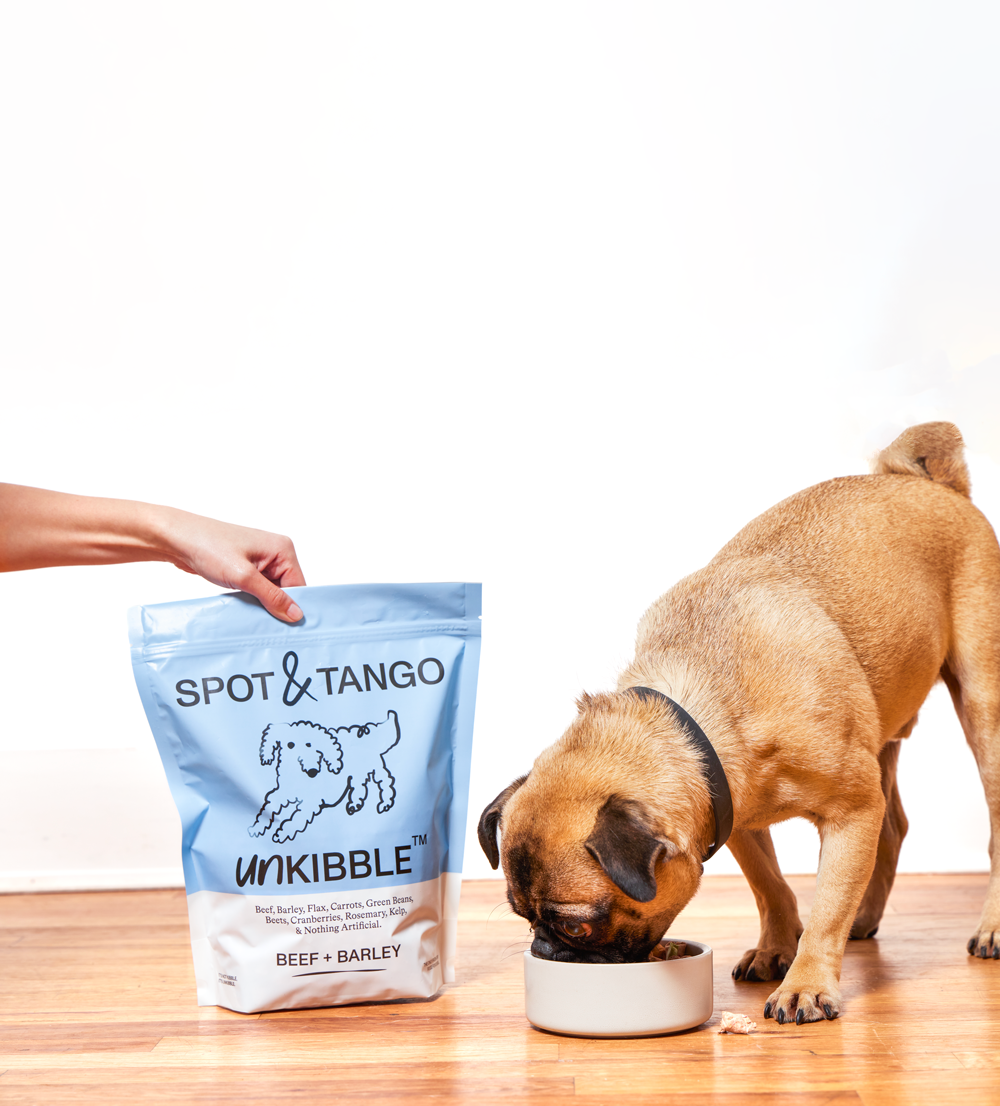
Spot & Tango
9.1Vet-formulated fresh trays and dehydrated UnKibble, portioned to the individual dog.
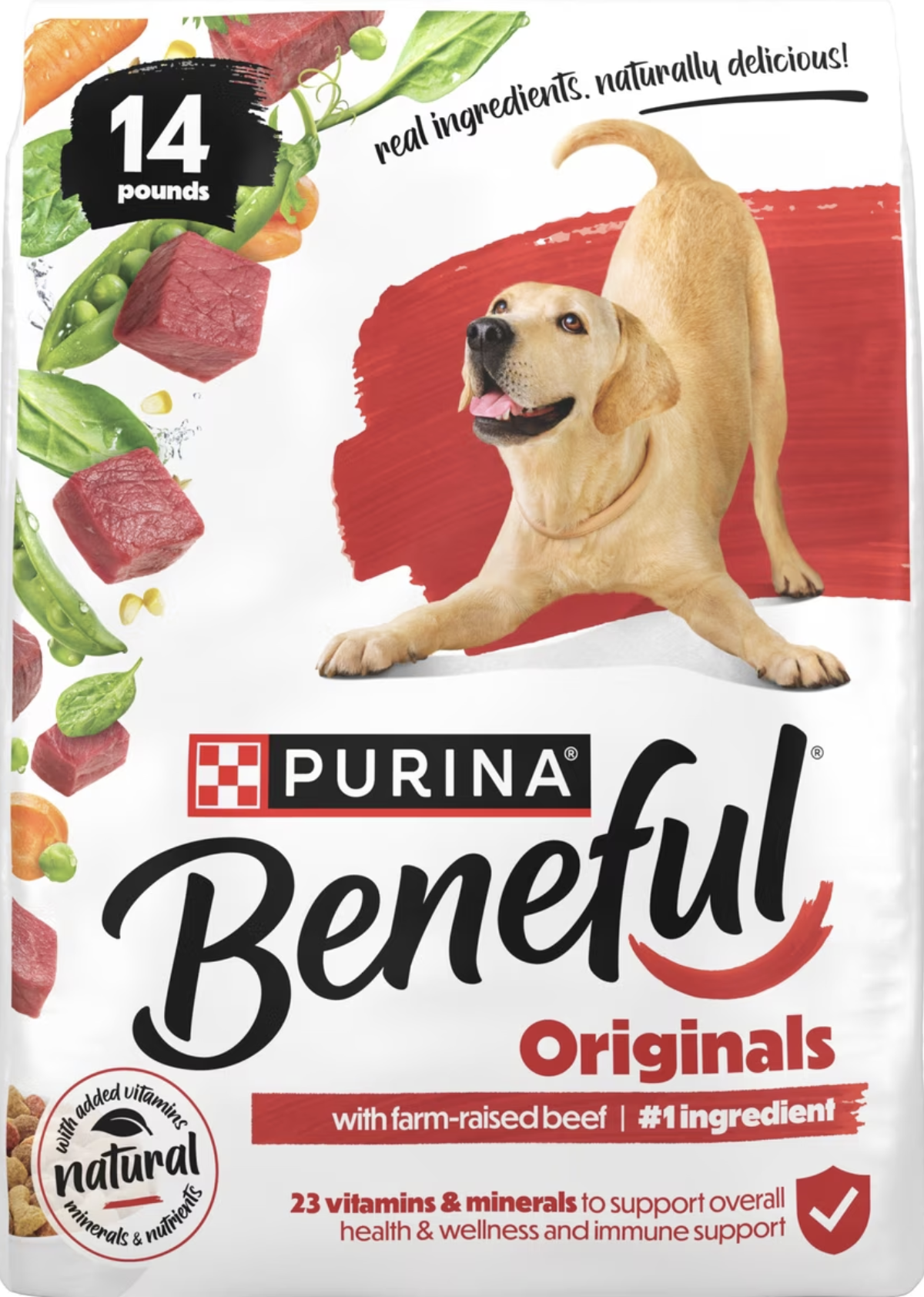
Purina Beneful Originals
7.2Farm-raised beef first, 23 added vitamins and minerals, no artificial colours.
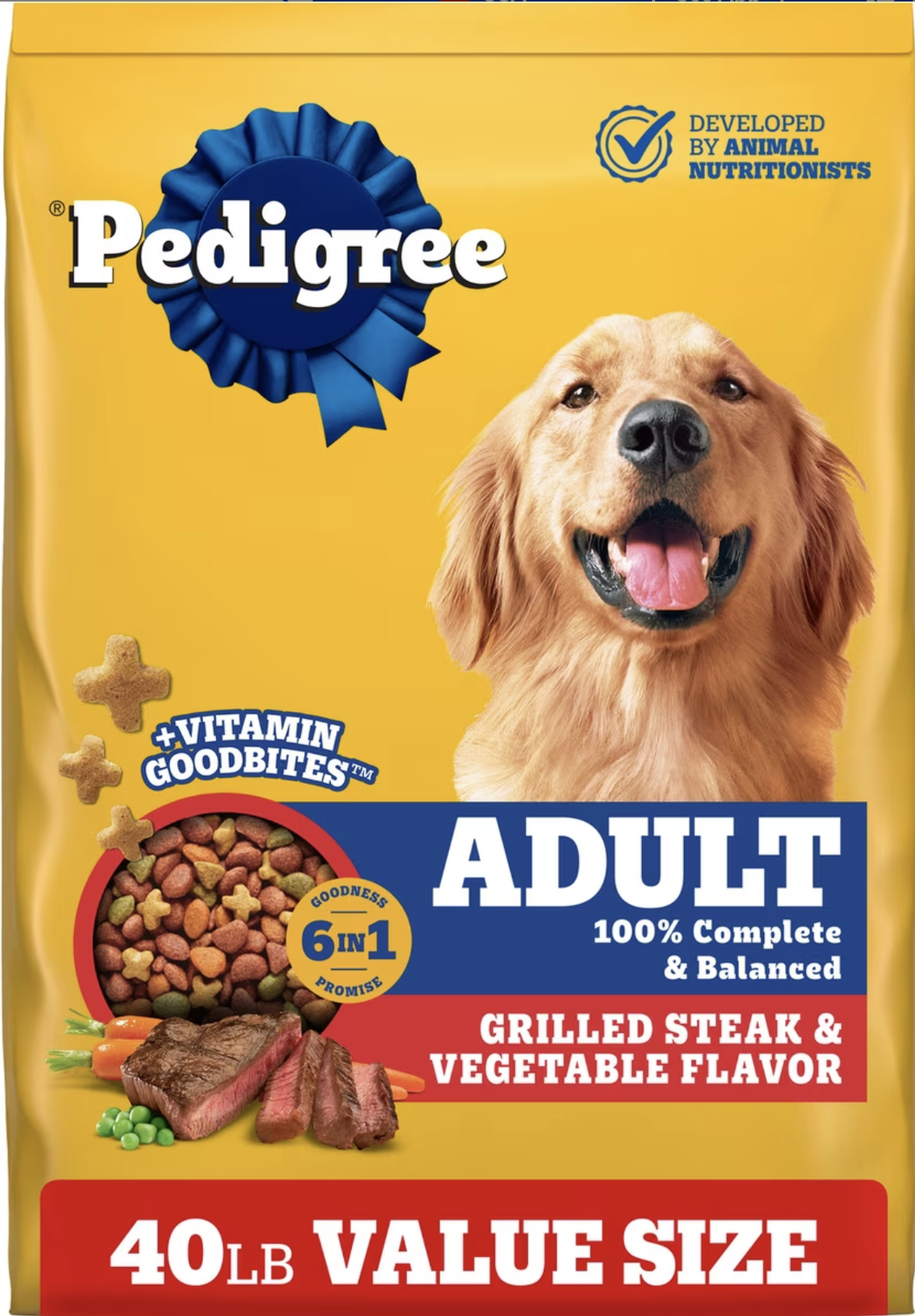
Pedigree Complete Nutrition
6.8Grilled steak and vegetable flavour, 40-lb value bag, priced below almost everything.
Recommendations are chosen by the Dr Murphies veterinary review board. Some links are affiliate links and we may earn a commission; this never affects our scoring, and brands do not see our copy before publication.
Dr Elise Murphy, BVSc (Hons)
Editor-in-chief