Toxicology
Rat Bait Ingestion: Which Generation Matters
Not all rat bait works the same way, and knowing which generation of anticoagulant, or whether the product is a non-anticoagulant type like bromethalin or cholecalciferol, changes both the urgency and the treatment entirely.
By Dr Eleanor Murphy, BVSc
21 April 2026
4 min read

Medically reviewed
Reviewed by Dr Samuel Adeyemi, DVM, DACVIM of the Dr Murphies Veterinary Review Board. Reviewed content is checked against current consensus guidance before publication.
Not all rat bait works the same way, and knowing which generation of anticoagulant, or whether the product is a non-anticoagulant type like bromethalin or cholecalciferol, changes both the urgency and the treatment entirely. Bringing the packaging to the vet is often more useful than describing the colour of the bait itself.
First- and Second-Generation Anticoagulants
Anticoagulant rodenticides, both first-generation compounds like warfarin and longer-acting second-generation ones like brodifacoum, block vitamin K epoxide reductase, depleting the vitamin K-dependent clotting factors II, VII, IX and X. Because existing clotting factors are simply used up over time, signs of bleeding typically do not appear for two to five days after ingestion.
Bromethalin, by contrast, is a neurotoxin that uncouples oxidative phosphorylation in brain cells, causing cerebral oedema and neurological signs within 12 to 24 hours, with no antidote available. Cholecalciferol (vitamin D3) bait causes a dangerous rise in blood calcium and phosphorus over 24 to 72 hours, leading to kidney failure and soft tissue mineralisation.
Bromethalin: A Different and More Acute Danger
- Lethargy, pale gums or unexplained bruising several days after exposure (anticoagulant)
- Coughing, laboured breathing or nosebleeds from internal bleeding (anticoagulant)
- Tremors, incoordination or hind-limb weakness within a day (bromethalin)
- Increased thirst, vomiting and urination over one to three days (cholecalciferol)
- Seizures or sudden collapse depending on which toxin and dose involved
The delayed onset with anticoagulant baits means a dog or cat can look completely normal for several days after eating a lethal dose, which is precisely why treatment based on known exposure, rather than waiting for symptoms, is standard practice.
Cholecalciferol Bait and Delayed Calcium Crisis
Clotting times, specifically prothrombin time (PT), are the most sensitive early indicator of anticoagulant rodenticide exposure and typically become prolonged before any visible bleeding occurs, usually within 36 to 72 hours of ingestion. For suspected bromethalin or cholecalciferol exposure, neurological examination and blood calcium and phosphorus levels guide diagnosis instead.
Identifying the active ingredient from the product packaging is the single most useful piece of information an owner can provide, since it determines whether vitamin K1 therapy, aggressive fluid diuresis, or neurological supportive care is the appropriate path.
Why the Product Label Changes Everything
Treatment differs sharply by rodenticide type, which is why prompt identification of the specific product matters as much as the timing of the call.
- Vitamin K1 therapy for two to four weeks for anticoagulant exposure, guided by PT monitoring
- Fresh frozen plasma transfusion for dogs already showing anticoagulant-related bleeding
- Aggressive decontamination and neurological supportive care for bromethalin ingestion
- Fluid diuresis and phosphate binders for cholecalciferol-induced calcium elevation
Monitoring Clotting Function After Exposure
Dogs and cats treated for anticoagulant exposure before bleeding starts, or given vitamin K1 promptly, generally recover fully once the full course is completed, with PT rechecked 48 to 72 hours after stopping treatment to confirm clearance. Bromethalin and cholecalciferol exposures carry a more guarded prognosis depending on dose and how quickly decontamination occurred.
Because rebound bleeding can occur if vitamin K1 is stopped too early, owners should complete the full prescribed course even once the animal appears completely well, rather than discontinuing medication prematurely.
When to seek help urgently
- Any known or suspected rodenticide ingestion, regardless of visible symptoms
- Unexplained bruising, pale gums or bleeding from the gums or nose
- Tremors, wobbliness or seizures after possible bait access
- Excessive thirst and urination in the days following bait exposure
Bring the bait packaging or a photo of the label to your veterinarian whenever rodenticide exposure is suspected, since the specific active ingredient determines the entire treatment plan, and your vet can advise on monitoring even if the exposure seems small.
Vet-recommended
Products our review board rates for this
Dial A Vet
9.0A global team of 250+ vets and vet techs on Zoom in under fifteen minutes, flat fee.

Lemonade Pet Insurance
9.4The lowest premiums in the category, with claims paid in minutes rather than weeks.
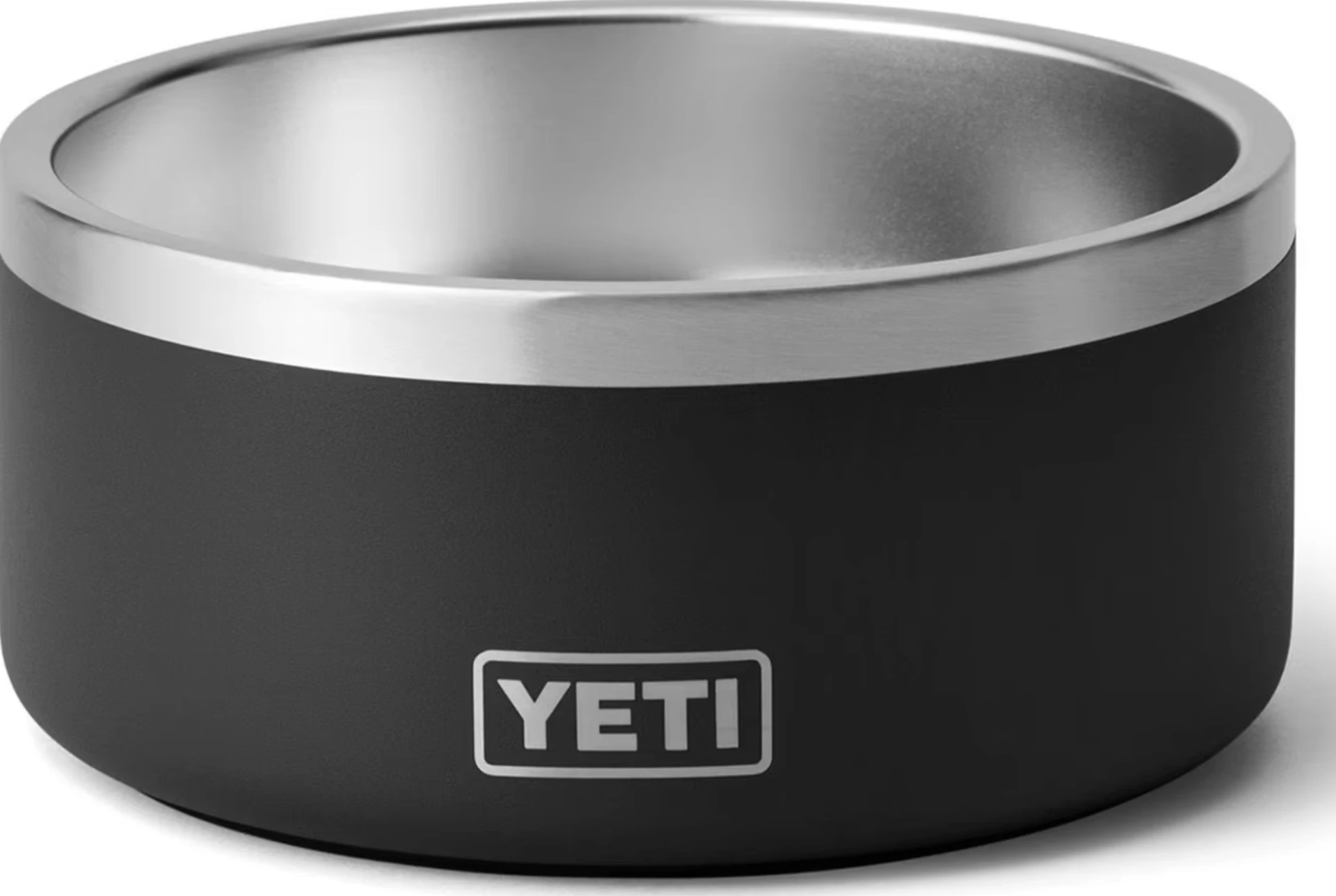
YETI Boomer 4 Dog Bowl
8.518/8 stainless, non-slip ring, dishwasher-safe — the last bowl you buy.
Recommendations are chosen by the Dr Murphies veterinary review board. Some links are affiliate links and we may earn a commission; this never affects our scoring, and brands do not see our copy before publication.
Dr Eleanor Murphy, BVSc
Founding editor and small-animal internist