Evidence Review
Raw Feeding: Risks, Benefits and Safe Handling
Raw feeding sits at the centre of one of the most polarised debates in companion animal nutrition, with genuine benefits in palatability and digestibility set against well-documented risks of bacterial contamination and nutritional imbalance.
By Dr Priya Raghunathan, BVMS
2 July 2026
4 min read
Medically reviewed
Reviewed by Dr Mariana Oliveira, DVM, DACVN of the Dr Murphies Veterinary Review Board. Reviewed content is checked against current consensus guidance before publication.
Raw feeding sits at the centre of one of the most polarised debates in companion animal nutrition, with genuine benefits in palatability and digestibility set against well-documented risks of bacterial contamination and nutritional imbalance. The evidence supports neither blanket endorsement nor blanket condemnation, but it does support careful protocol if owners choose this route.
What Raw Diets Actually Contain
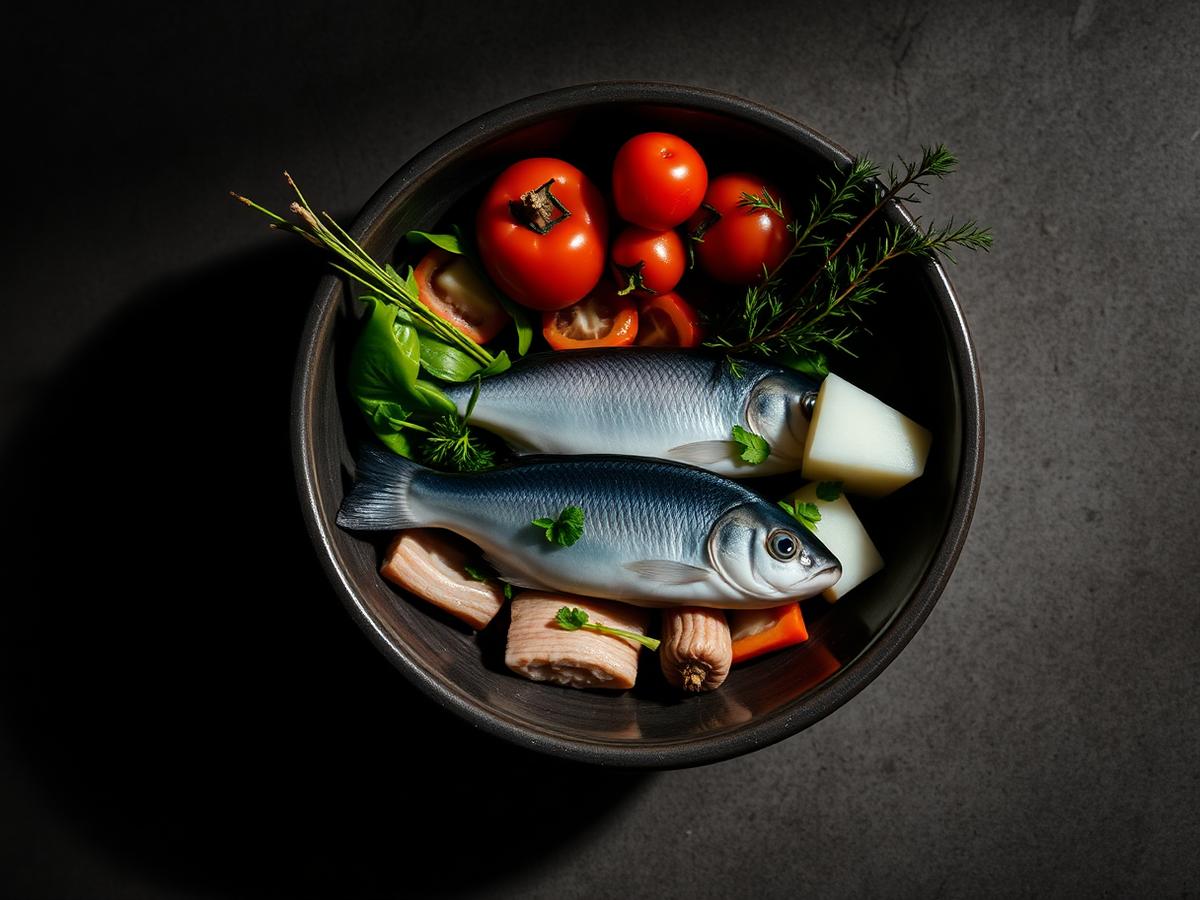
Commercial raw diets typically combine muscle meat, organ meat and ground bone to approximate a prey-model ratio, relying on higher fat and protein digestibility than heavily processed kibble. Proponents point to smaller, firmer stools and improved coat condition, both of which are real, measurable outcomes in many dogs and cats switched to appropriately balanced raw diets.
The contamination risk is equally real: multiple studies culturing commercial raw pet foods have found Salmonella, Listeria monocytogenes and pathogenic E. coli in a meaningful proportion of samples, even from established manufacturers, because freezing slows but does not eliminate these organisms.
Bacterial Contamination and Zoonotic Risk
- Vomiting or diarrhoea shortly after starting a new raw diet batch
- Blood in stool suggesting bacterial enteritis or bone fragment injury
- Cracked teeth or oral trauma from inappropriate bone size or hardness
- Lethargy and fever consistent with Salmonella or E. coli infection
- Poor growth or skeletal deformity in puppies on unbalanced raw recipes
Immunocompromised pets, very young puppies and households with young children or elderly residents carry additional risk, because pets shedding pathogenic bacteria in stool after eating raw meat can transmit infection to people even without the pet itself becoming visibly unwell.
Nutritional Balance in Homemade Raw Formulations
When gastrointestinal illness follows raw feeding, faecal culture and PCR panels identify the specific pathogen involved, which then guides whether antibiotics are appropriate or whether supportive care alone will resolve a self-limiting bacterial gastroenteritis. Abdominal radiographs are warranted if bone fragment obstruction or oesophageal injury is suspected.
For suspected nutritional imbalance in long-term homemade raw diets, blood calcium, phosphorus and vitamin D levels alongside a full recipe review against NRC or FEDIAF nutrient profiles will reveal whether the diet is meeting minimum requirements, particularly for growing animals.
Safe Handling Practices That Reduce Risk
Treatment depends entirely on whether the presenting problem is infectious, traumatic or nutritional in origin.
- Treat confirmed Salmonella or E. coli infection with targeted antibiotics if systemic
- Switch to a properly balanced commercial raw or cooked diet after imbalance found
- Manage bone-related dental fractures with extraction or restorative dentistry
- Reformulate homemade recipes with a veterinary nutritionist's calcium-phosphorus ratio
Who Should Avoid Raw Feeding Entirely
Owners who choose to continue raw feeding after an adverse event benefit from switching to high-pressure-processed commercial raw products, which reduce bacterial load without cooking the meat, or from freezing meat at commercial standards for the recommended duration before feeding.
Strict kitchen hygiene, separate utensils, and disposing of bowls and packaging away from human food preparation areas meaningfully reduce zoonotic transmission risk in the household, even if they cannot eliminate it entirely.
When to seek help urgently
- Bloody diarrhoea or vomiting with fever after a raw meal
- Suspected bone fragment causing choking, gagging or abdominal pain
- A household member becoming unwell shortly after handling raw pet food
- Sudden lameness or reluctance to grow in a raw-fed growing puppy
Raw feeding can be done responsibly, but the margin for error is smaller than with commercial cooked diets, so discuss recipe balance and hygiene protocols with your vet before committing to it long term.
Vet-recommended
Products our review board rates for this
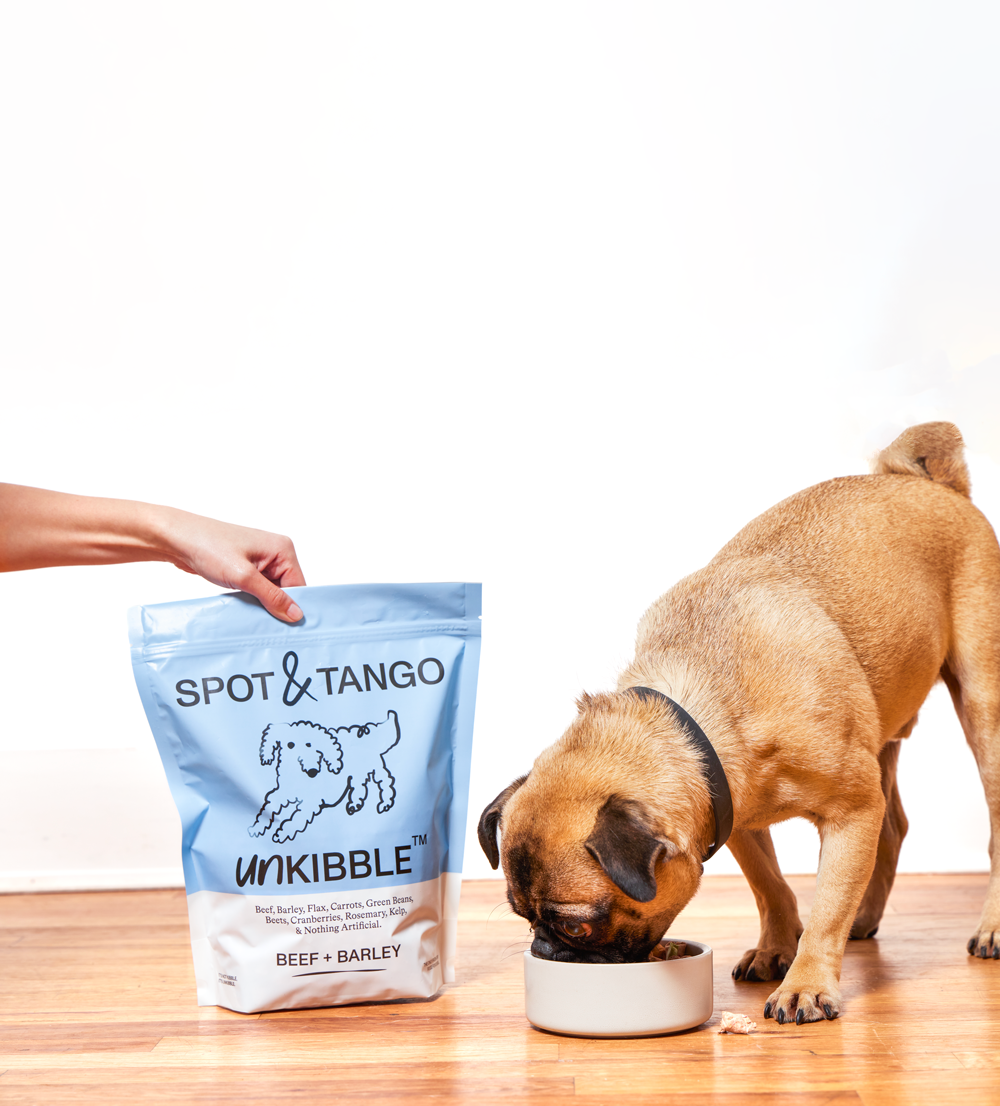
Spot & Tango
9.1Vet-formulated fresh trays and dehydrated UnKibble, portioned to the individual dog.
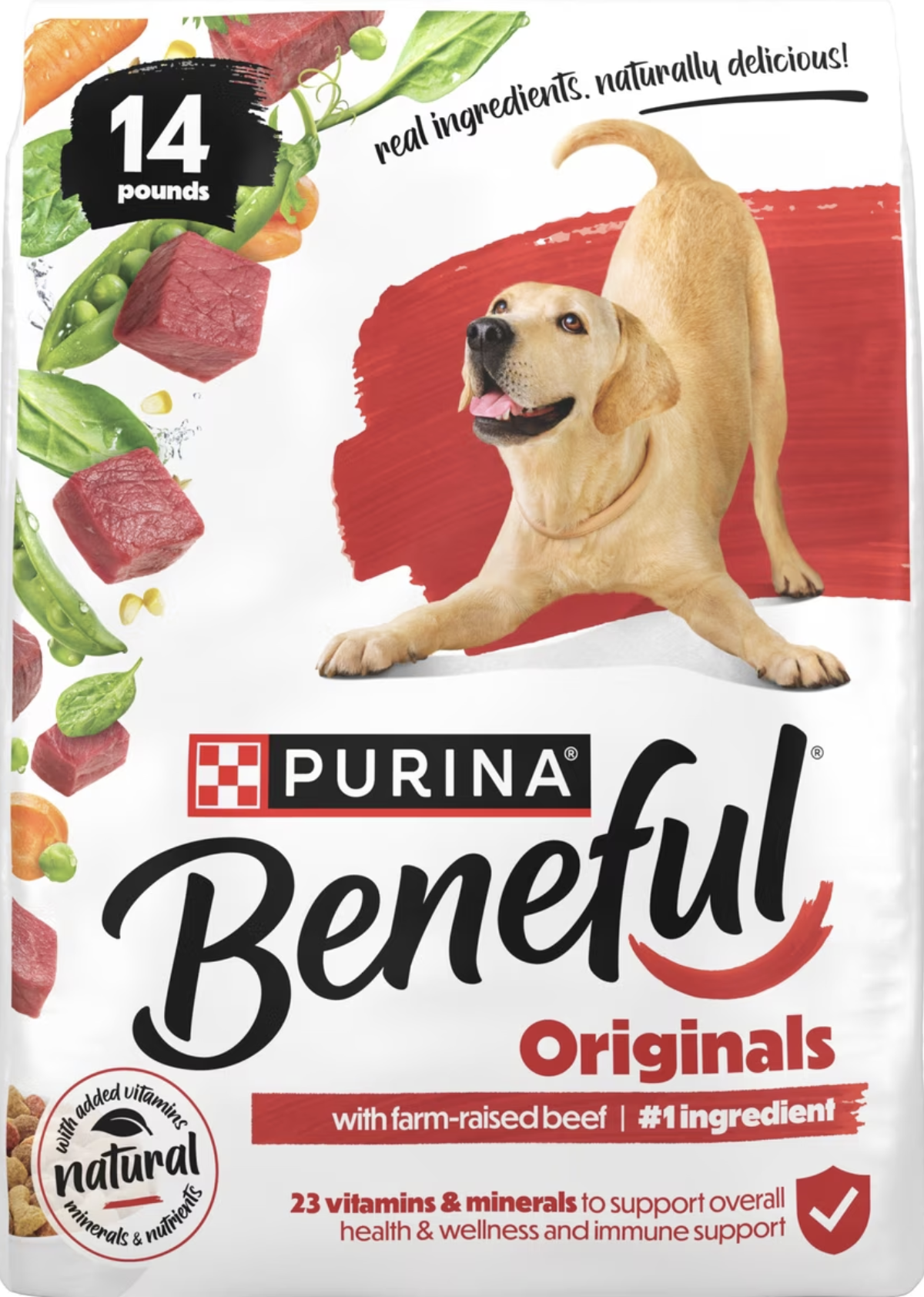
Purina Beneful Originals
7.2Farm-raised beef first, 23 added vitamins and minerals, no artificial colours.
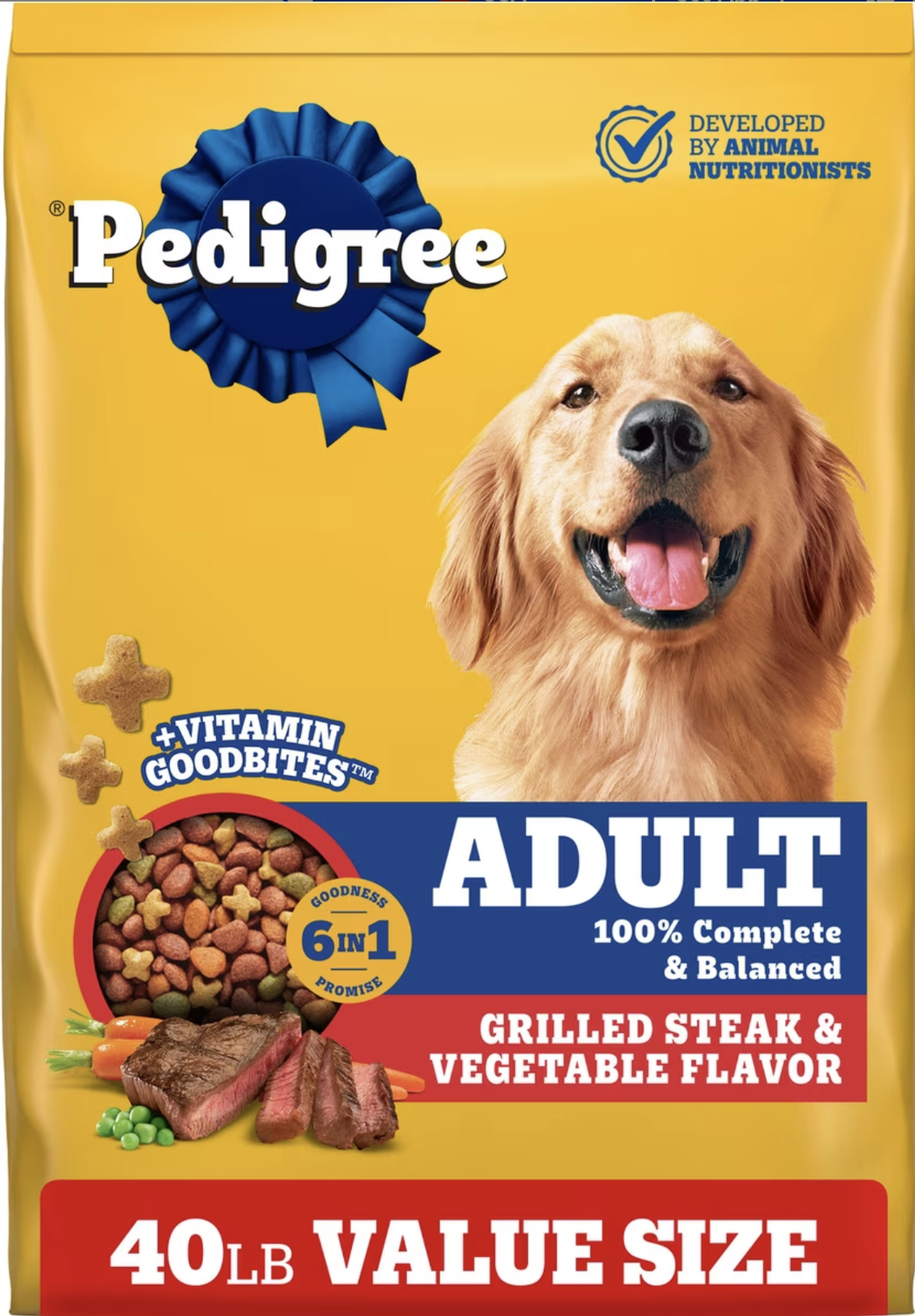
Pedigree Complete Nutrition
6.8Grilled steak and vegetable flavour, 40-lb value bag, priced below almost everything.
Recommendations are chosen by the Dr Murphies veterinary review board. Some links are affiliate links and we may earn a commission; this never affects our scoring, and brands do not see our copy before publication.
Dr Priya Raghunathan, BVMS
Emergency and critical care clinician