Fundamentals
Reading a Pet Food Label Like a Veterinary Nutritionist
Pet food labels are legal documents, not marketing brochures, and reading them properly means ignoring the front panel entirely.
By Dr Mariana Oliveira, DVM, DACVN
20 May 2026
4 min read

Medically reviewed
Reviewed by Dr Eleanor Murphy, BVSc of the Dr Murphies Veterinary Review Board. Reviewed content is checked against current consensus guidance before publication.
Pet food labels are legal documents, not marketing brochures, and reading them properly means ignoring the front panel entirely. The ingredient list, guaranteed analysis and the AAFCO or FEDIAF nutritional adequacy statement carry the real information. Once you know where to look, a bag of kibble or a tray of wet food reveals far more than the words "premium" or "natural" ever will.
The Ingredient List Is Ranked by Weight, Not Value
Ingredients are listed by pre-cooking weight, so a wet chicken listed first can still contribute less actual protein than a dried meal listed fourth, because water is removed during processing and meals concentrate protein. Comparing raw ingredient order between a kibble and a canned food is therefore not a like-for-like exercise.
The guaranteed analysis lists minimums for protein and fat and maximums for fibre and moisture, but it says nothing about digestibility or amino acid profile. Two foods with identical crude protein percentages can differ enormously in how much of that protein a dog or cat actually absorbs, which is why converting figures to a dry matter basis is essential before comparing wet and dry products.
Guaranteed Analysis Versus Dry Matter Basis
- Front-of-pack claims like grain-free or holistic carry no regulatory definition
- An AAFCO statement naming life stage testing versus formulation method matters
- Guaranteed analysis percentages must be converted to dry matter for comparison
- Named meat meals often out-perform fresh meat for concentrated protein
- Feeding guide grams are averages, not tailored to your pet's condition
None of these label quirks are dangerous on their own, but owners who rely purely on marketing language routinely overpay for foods that are nutritionally unremarkable, or underfeed a therapeutic diet because they trusted a generic feeding chart instead of their vet's calorie target.
The Adequacy Statement Is the Only Legal Promise
There is no diagnosis involved in label reading, but there is a verification process. Checking whether a diet meets AAFCO or FEDIAF standards "by formulation" or "by feeding trial" tells you whether the recipe was analysed on paper or actually tested in animals over a defined period, which is a meaningful quality signal.
Cross-referencing the manufacturer's contact details and asking whether they employ a qualified veterinary nutritionist or PhD animal nutritionist on staff is a second practical check, since smaller boutique brands frequently outsource formulation to co-packers with minimal oversight.
Feeding Guides Are Starting Points, Not Prescriptions
Building good label-reading habits takes only a few minutes per product once you know the sequence to follow.
- Find the nutritional adequacy statement before reading any ingredient names
- Convert guaranteed analysis figures to dry matter basis for fair comparison
- Confirm whether the diet was tested by AAFCO feeding trial protocol
- Contact the manufacturer directly if formulation methodology is not disclosed
Marketing Words With No Regulatory Meaning
Once a label is decoded, matching it to your pet's actual needs is the next step, and this depends heavily on life stage, body condition and any diagnosed disease. A healthy adult cat and a cat with early kidney disease need entirely different phosphorus and protein targets despite both being marketed as adult maintenance foods.
Keep a photo of the ingredient list and guaranteed analysis of whatever diet is working well for your pet, so any proposed switch can be compared side by side rather than relying on memory or brand loyalty alone.
When to seek help urgently
- Any sudden diet change causing vomiting, diarrhoea or refusal to eat
- A therapeutic diet substituted for an over-the-counter product without vet advice
- Persistent weight loss despite label-guided feeding amounts being followed
- Suspected recall-affected product still present in the home pantry
Label literacy is a genuinely useful skill, but it does not replace individualised advice, and your own veterinarian remains the best person to translate these numbers into an actual feeding plan for your particular pet.
Vet-recommended
Products our review board rates for this
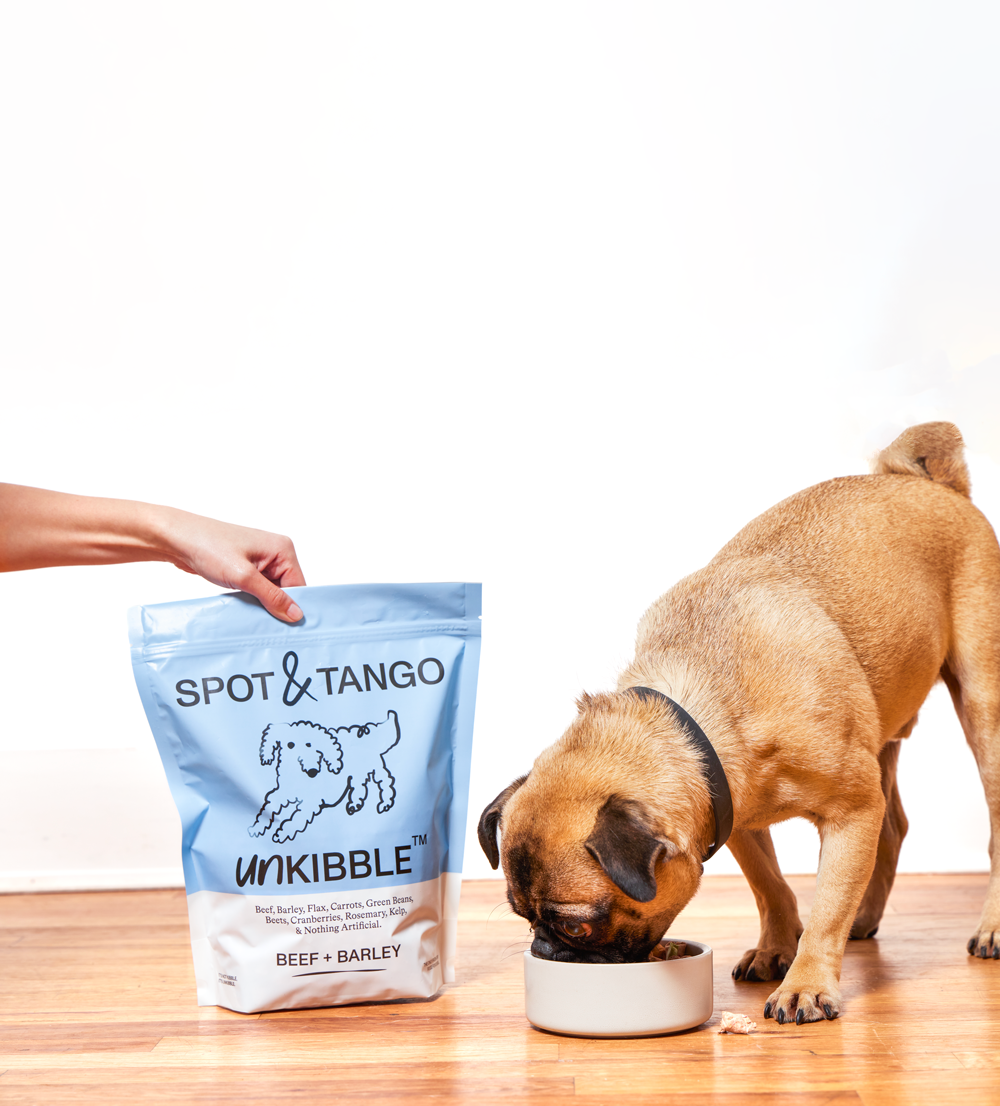
Spot & Tango
9.1Vet-formulated fresh trays and dehydrated UnKibble, portioned to the individual dog.
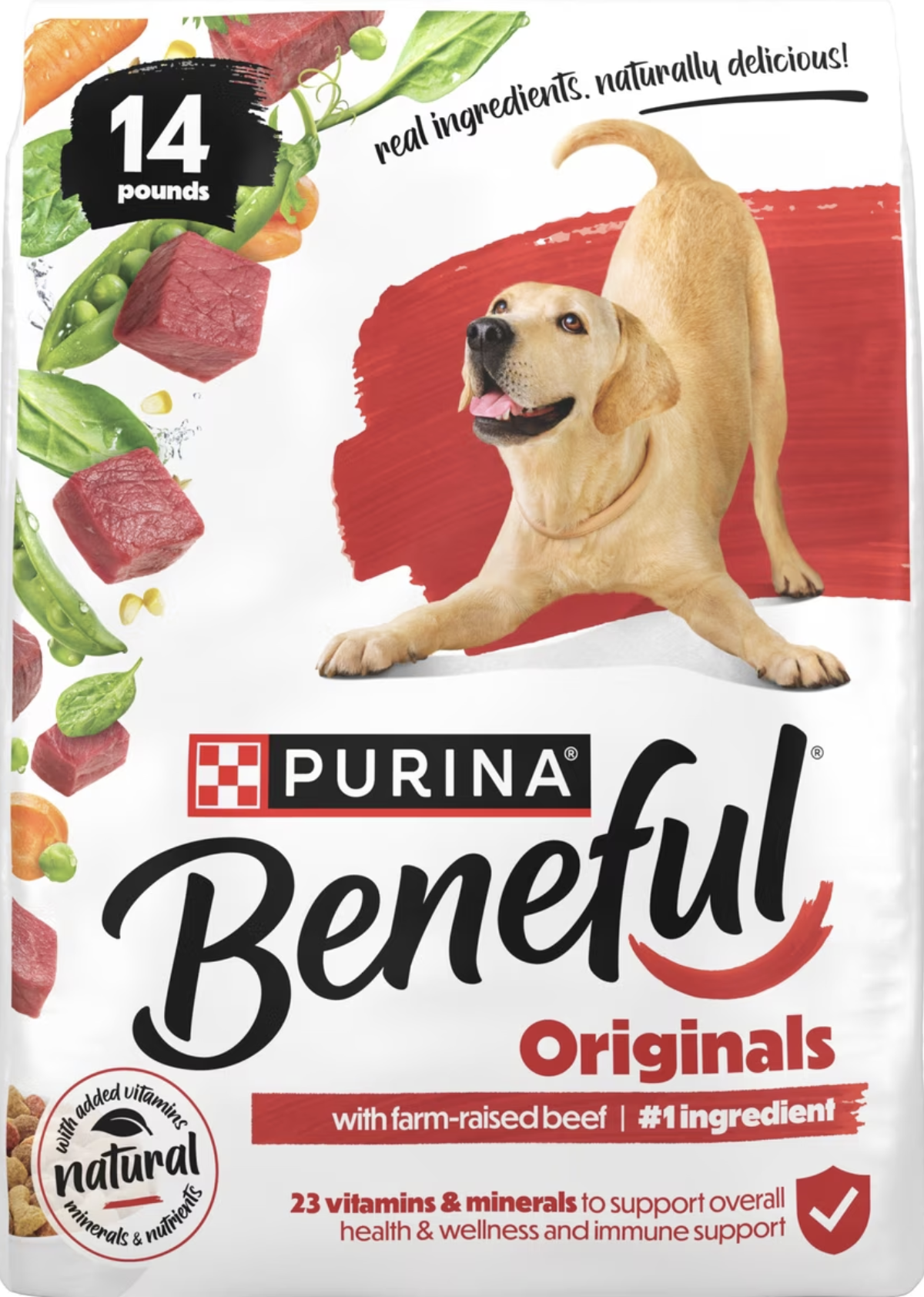
Purina Beneful Originals
7.2Farm-raised beef first, 23 added vitamins and minerals, no artificial colours.
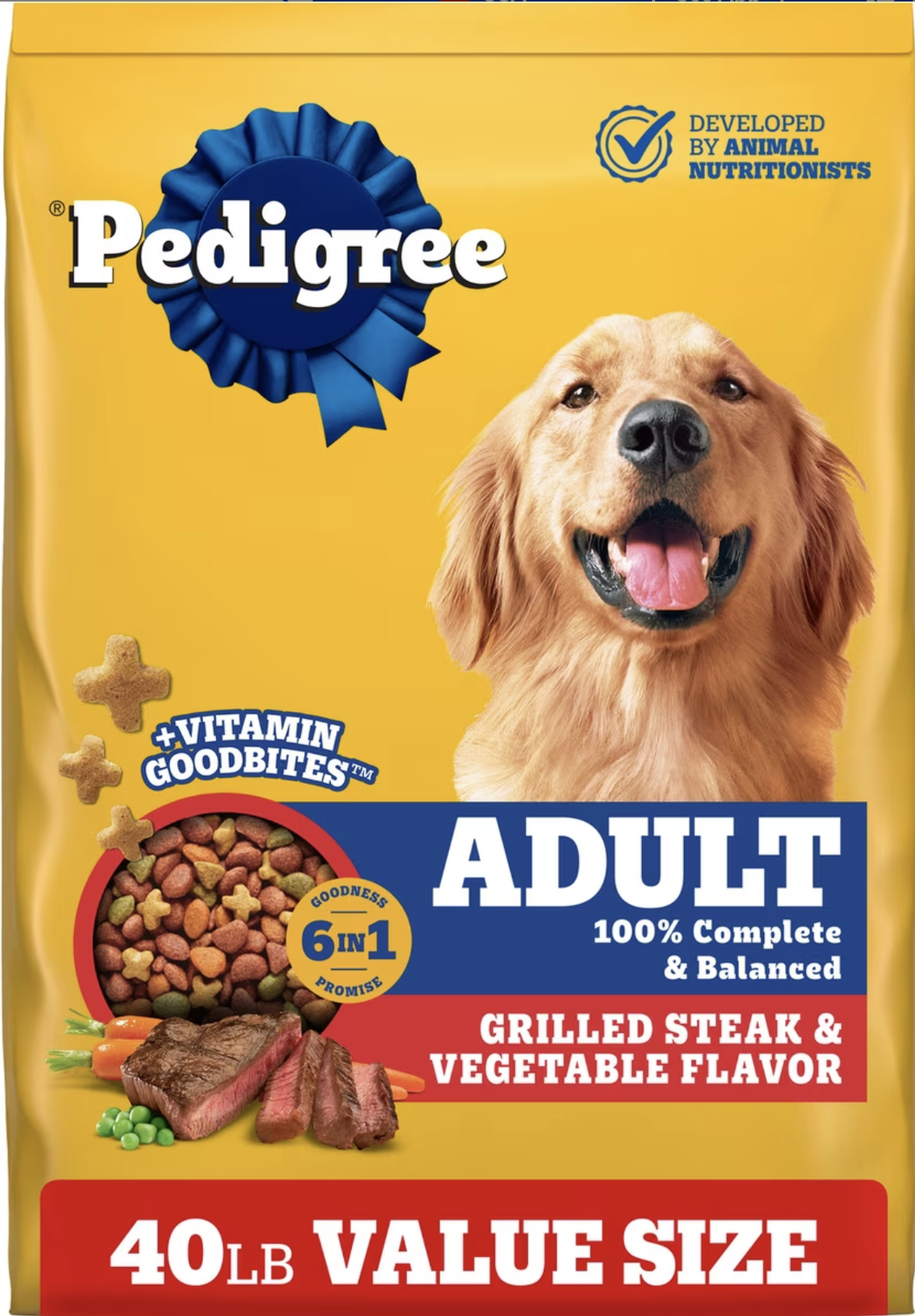
Pedigree Complete Nutrition
6.8Grilled steak and vegetable flavour, 40-lb value bag, priced below almost everything.
Recommendations are chosen by the Dr Murphies veterinary review board. Some links are affiliate links and we may earn a commission; this never affects our scoring, and brands do not see our copy before publication.
Dr Mariana Oliveira, DVM, DACVN
Veterinary nutritionist