Critical Care
Snake Bite: Recognition and Transport
Snake envenomation is a genuine race against time in regions with elapid or viperid species, where neurotoxins or haemotoxins can incapacitate a dog or cat within an hour of a bite.
By Dr Noor Haddad, DVM, DACVD
14 January 2026
4 min read

Medically reviewed
Reviewed by Dr Eleanor Murphy, BVSc of the Dr Murphies Veterinary Review Board. Reviewed content is checked against current consensus guidance before publication.
Snake envenomation is a genuine race against time in regions with elapid or viperid species, where neurotoxins or haemotoxins can incapacitate a dog or cat within an hour of a bite. Correct recognition and calm, rapid transport matter more than any home first aid technique.
Neurotoxic Versus Haemotoxic Venom
Elapid venoms, such as those from tiger snakes and brown snakes, contain presynaptic neurotoxins that block acetylcholine release at the neuromuscular junction, producing progressive flaccid paralysis that starts in the hind limbs and moves forward to the respiratory muscles.
Some venoms also contain procoagulant enzymes that trigger consumption of clotting factors, leading to a paradoxical bleeding tendency despite initial clot formation. Muscle enzyme markers such as creatine kinase often rise sharply as venom-induced myolysis damages skeletal muscle.
Early Signs That Are Easy to Miss
- Sudden weakness or wobbliness in the hind legs progressing forward
- Dilated pupils that fail to constrict in bright light
- Vomiting shortly after the bite, sometimes the first noticeable sign
- Excessive drooling or difficulty swallowing as paralysis advances
- Dark or bloody urine from muscle and red blood cell breakdown
Bite wounds themselves are frequently invisible under fur, and animals often collapse then temporarily seem to recover before venom effects intensify, so any suspected exposure warrants veterinary assessment even if the pet appears fine.
What Not to Do at the Bite Site
Vets assess neurological function, pupil response and respiratory effort, and use a snake venom detection kit on urine or bite-site swabs where available to identify the venom type and guide antivenom selection. Blood clotting times and creatine kinase are checked to gauge severity.
Serial neurological exams over several hours track progression, since paralysis can worsen even after antivenom is given, because existing bound toxin cannot be reversed, only further binding prevented.
Antivenom and Supportive Treatment
Time from bite to antivenom administration is the single biggest predictor of outcome, so transport takes priority over any attempted first aid.
- Species-specific or polyvalent antivenom administered as soon as possible
- Mechanical ventilation support if respiratory paralysis develops
- Fresh frozen plasma for venom-induced coagulopathy
- Intravenous fluids and close monitoring of urine output for myoglobin injury
Recovery Timelines and Relapse Risk
Dogs and cats that receive antivenom before severe paralysis sets in often recover within 24 to 48 hours, though muscle weakness can linger for several days. Delayed treatment can mean days on a ventilator and a much more guarded prognosis.
After recovery, owners in snake-prone areas should consider snake-avoidance training and keep pets leashed on tracks during warmer months when snakes are most active.
When to seek help urgently
- Sudden hind-limb weakness or collapse, especially in snake habitat
- Dilated, unresponsive pupils or drooping eyelids
- Vomiting immediately followed by weakness or lethargy
- Any witnessed or suspected snake encounter, even without visible wounds
Do not attempt to suck out venom, apply a tourniquet, or wait to see if symptoms progress; go straight to a veterinarian equipped with antivenom, since your own vet can advise on the nearest facility and immediate steps for the drive there.
Vet-recommended
Products our review board rates for this

Dial A Vet
9.0A global team of 250+ vets and vet techs on Zoom in under fifteen minutes, flat fee.

Lemonade Pet Insurance
9.4The lowest premiums in the category, with claims paid in minutes rather than weeks.
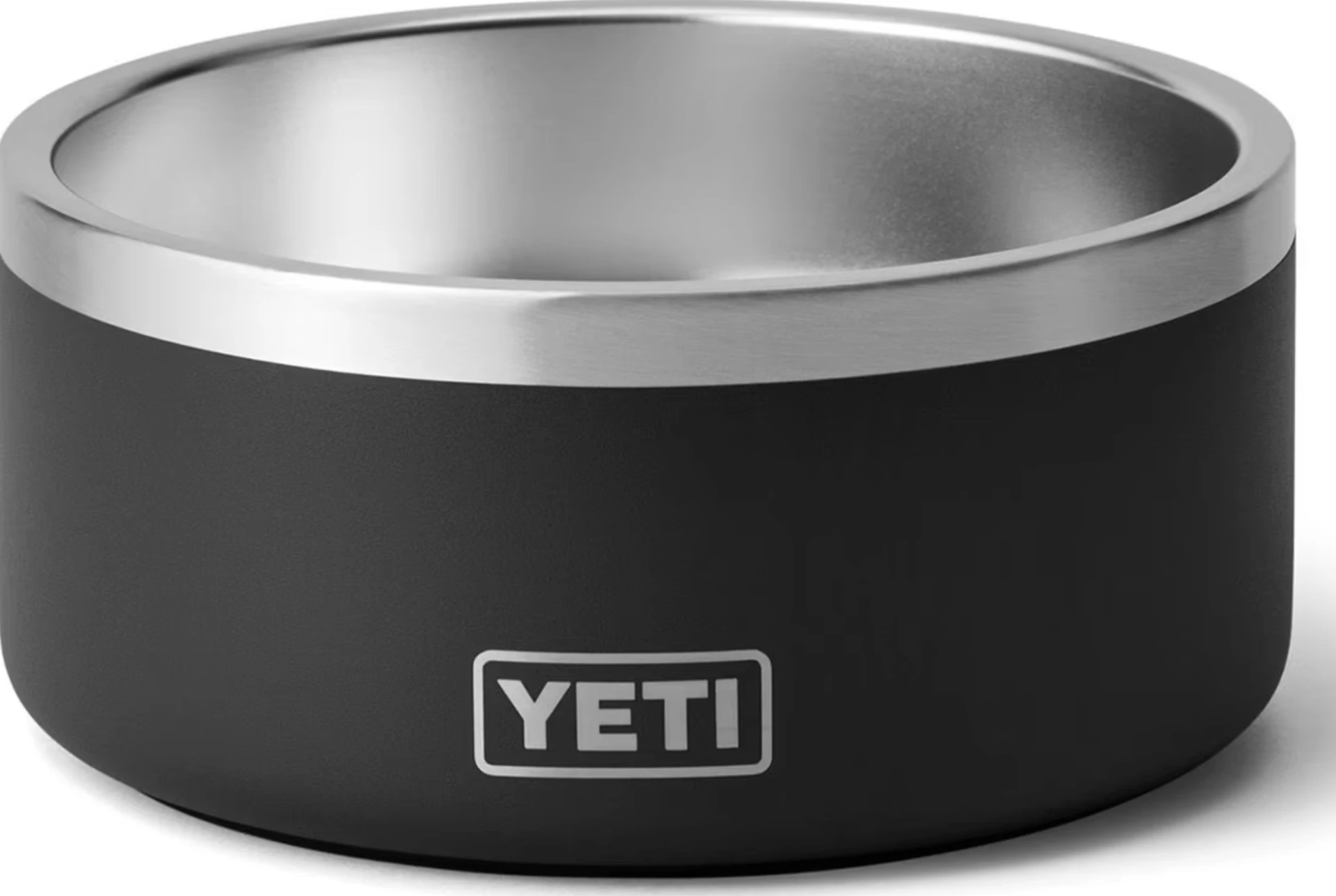
YETI Boomer 4 Dog Bowl
8.518/8 stainless, non-slip ring, dishwasher-safe — the last bowl you buy.
Recommendations are chosen by the Dr Murphies veterinary review board. Some links are affiliate links and we may earn a commission; this never affects our scoring, and brands do not see our copy before publication.
Dr Noor Haddad, DVM, DACVD
Veterinary dermatologist