Clinical Diets
Therapeutic Renal Diets: Why Phosphorus Matters Most
Chronic kidney disease cannot be reversed, but therapeutic renal diets have consistently been shown to extend survival time and quality of life in affected cats and dogs, largely through aggressive phosphorus restriction.
By Dr Thomas Nakamura, DVM
30 June 2026
4 min read

Medically reviewed
Reviewed by Dr Samuel Adeyemi, DVM, DACVIM of the Dr Murphies Veterinary Review Board. Reviewed content is checked against current consensus guidance before publication.
Chronic kidney disease cannot be reversed, but therapeutic renal diets have consistently been shown to extend survival time and quality of life in affected cats and dogs, largely through aggressive phosphorus restriction. Understanding why phosphorus takes priority over protein reshapes how owners think about feeding a kidney patient.
The Phosphorus-Retention Cycle in Failing Kidneys
As nephrons are lost to chronic kidney disease, the remaining nephrons must excrete a disproportionate phosphorus load, triggering secondary renal hyperparathyroidism as the body tries to compensate. Elevated phosphorus and parathyroid hormone accelerate further tubular and interstitial damage, creating a self-perpetuating cycle that phosphorus restriction directly interrupts.
Protein is restricted moderately rather than severely, because the goal is reducing the byproducts of protein metabolism that contribute to uraemic toxin load and phosphorus intake, while still supplying enough high-quality, highly digestible protein to prevent muscle wasting, which itself worsens outcomes and quality of life in CKD patients.
Why Protein Restriction Is More Nuanced Than It Sounds
- Increased thirst and urination as concentrating ability declines
- Reduced appetite and intermittent nausea from uraemic toxin buildup
- Weight loss and muscle wasting despite seemingly adequate food intake
- Vomiting, particularly in more advanced IRIS stage 3 or 4 disease
- Poor coat quality and lethargy reflecting general metabolic decline
These signs often overlap with normal ageing, which is why many cats and dogs are diagnosed with CKD only after significant kidney function has already been lost, making early bloodwork screening in senior pets particularly valuable.
Omega-3 Fatty Acids and Renal Blood Flow
Diagnosis and staging follow the IRIS system, using serum creatinine and the newer SDMA marker alongside urine specific gravity and the urine protein-to-creatinine ratio to assess both filtration and protein loss. Blood pressure measurement is essential, since hypertension both results from and worsens renal damage.
Serial monitoring of phosphorus, calcium and PTH allows the diet and any phosphate binder dose to be adjusted over time, since dietary needs shift as the disease progresses through IRIS stages and as appetite changes affect overall intake.
Potassium and Acid-Base Balance in Renal Diets
Renal diet therapy is combined with additional medical management tailored to the individual's staging results.
- Transition gradually onto a phosphorus-restricted therapeutic renal diet over weeks
- Add phosphate binders such as aluminium hydroxide if diet alone is insufficient
- Supplement omega-3 fatty acids to support renal blood flow and reduce inflammation
- Control blood pressure with amlodipine when hypertension is confirmed
Transitioning a Reluctant Patient Onto a Renal Diet
Palatability is the single biggest obstacle to renal diet success, so warming food slightly, trying multiple textures and brands, and introducing the new diet before the pet feels unwell all improve long-term acceptance considerably.
Regular rechecks every three to six months, including bloodwork, blood pressure and body weight, allow the diet and medication plan to be adjusted as the disease inevitably progresses, rather than waiting for a crisis to prompt reassessment.
When to seek help urgently
- Complete inappetence lasting more than a day in a diagnosed CKD patient
- Repeated vomiting suggesting worsening uraemia or a uraemic crisis
- Collapse or extreme lethargy indicating severe electrolyte disturbance
- Sudden blindness which can indicate hypertension-related retinal detachment
Renal diets are genuinely one of the best-evidenced interventions in small animal nutrition, but the right stage, binder dose and transition pace depend on your own pet's bloodwork, so work closely with your vet through every adjustment.
Vet-recommended
Products our review board rates for this
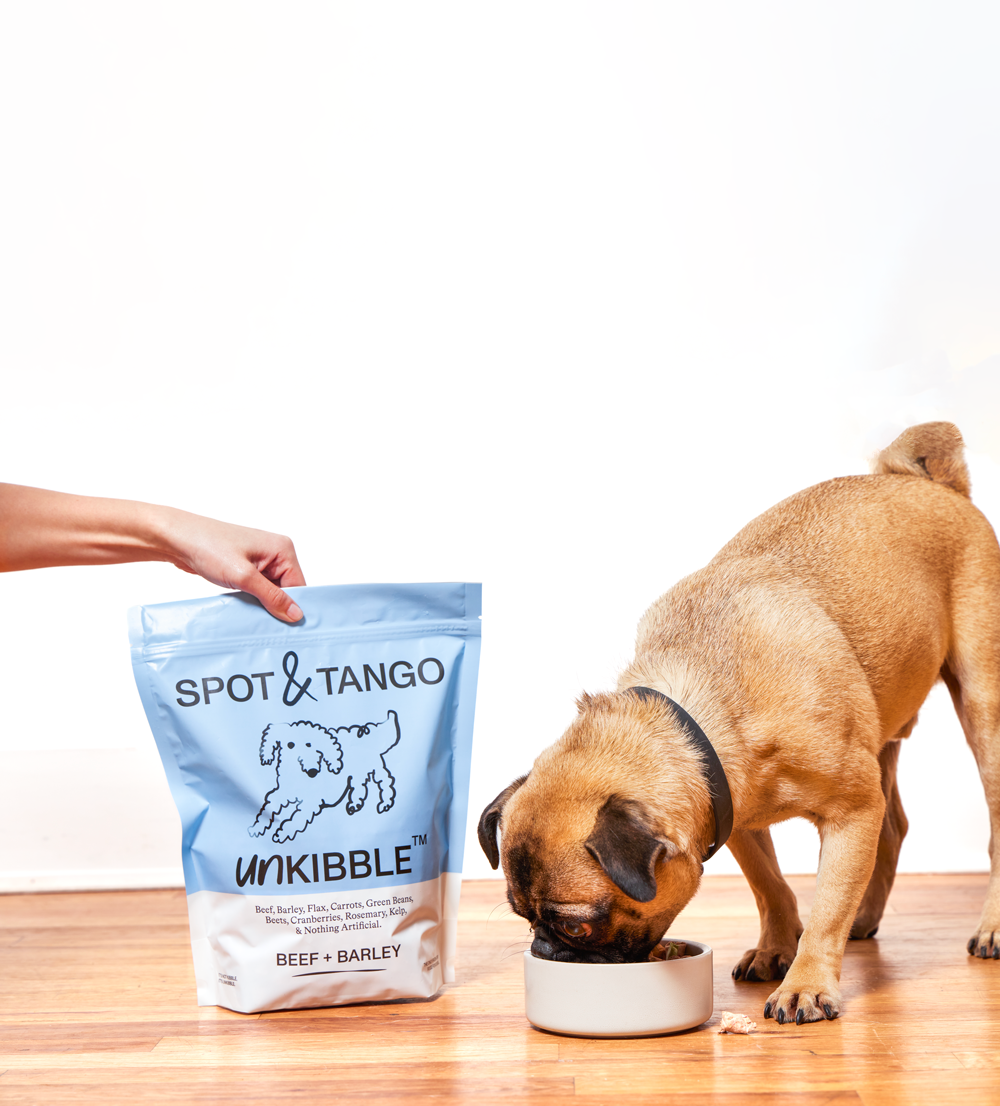
Spot & Tango
9.1Vet-formulated fresh trays and dehydrated UnKibble, portioned to the individual dog.
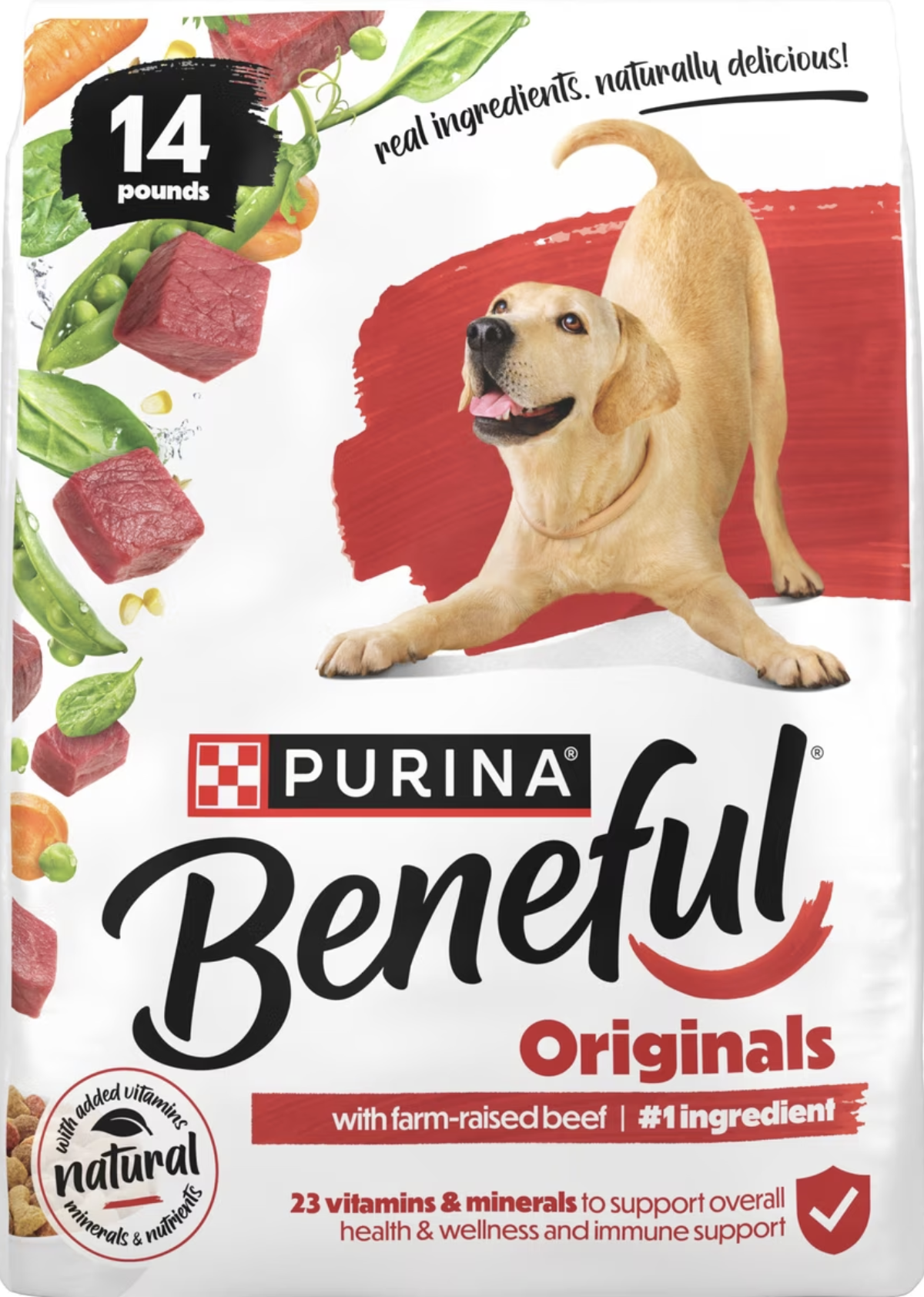
Purina Beneful Originals
7.2Farm-raised beef first, 23 added vitamins and minerals, no artificial colours.
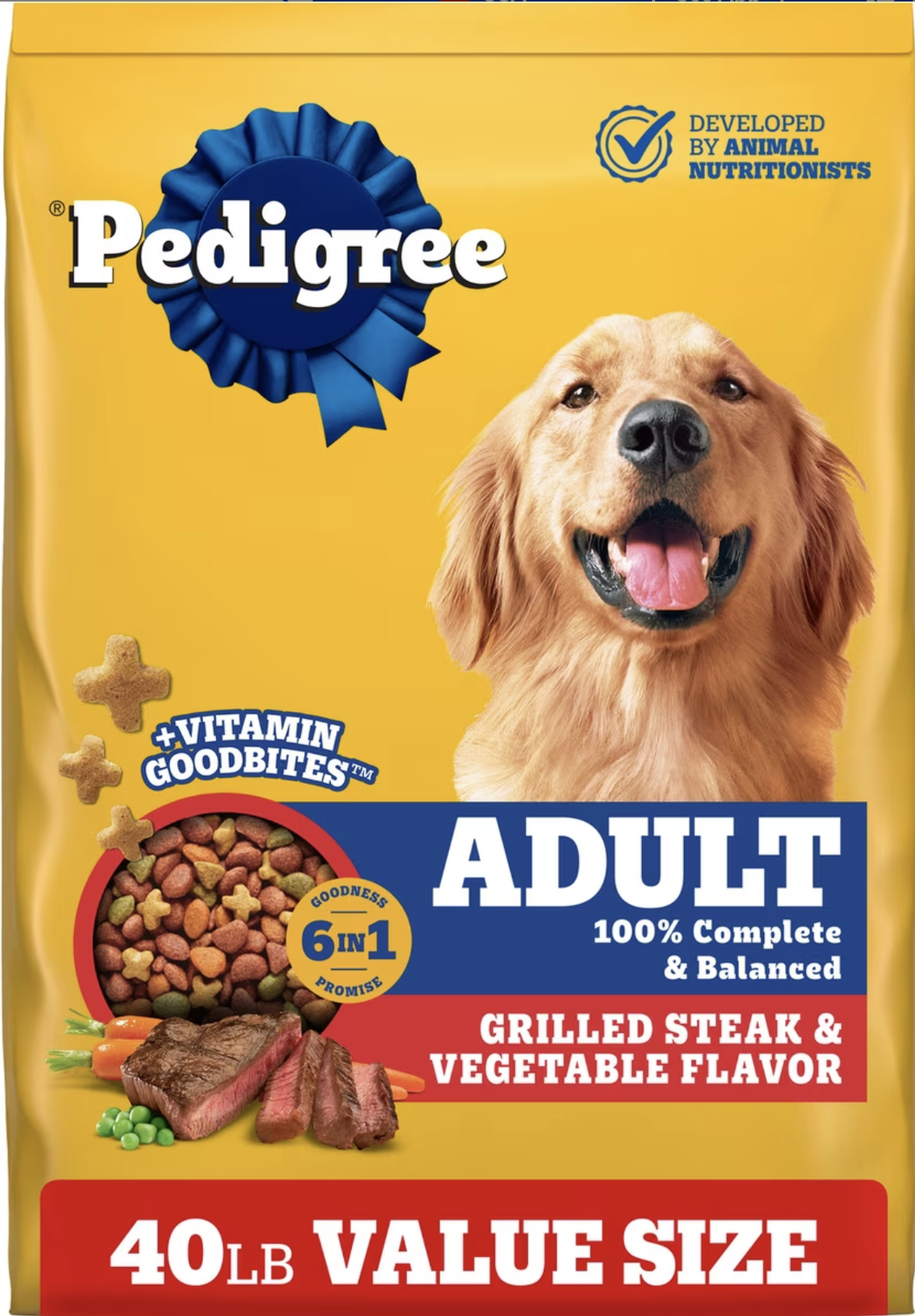
Pedigree Complete Nutrition
6.8Grilled steak and vegetable flavour, 40-lb value bag, priced below almost everything.
Recommendations are chosen by the Dr Murphies veterinary review board. Some links are affiliate links and we may earn a commission; this never affects our scoring, and brands do not see our copy before publication.
Dr Thomas Nakamura, DVM
Exotic and avian medicine