Safety
Toxic Foods: A Complete Household Audit
Household food toxicity in pets is not limited to the well-known chocolate and grapes; a genuine kitchen audit reveals a much longer list of items with distinct mechanisms of toxicity, several of which cause serious harm at surprisingly small doses relative to the pet's size.
By Dr Samuel Adeyemi, DVM, DACVIM
21 June 2026
4 min read
Medically reviewed
Reviewed by Dr Noor Haddad, DVM, DACVD of the Dr Murphies Veterinary Review Board. Reviewed content is checked against current consensus guidance before publication.
Household food toxicity in pets is not limited to the well-known chocolate and grapes; a genuine kitchen audit reveals a much longer list of items with distinct mechanisms of toxicity, several of which cause serious harm at surprisingly small doses relative to the pet's size.
Methylxanthines: Chocolate, Coffee and Theobromine Toxicity
Chocolate contains theobromine and caffeine, both methylxanthines that dogs metabolise far more slowly than humans, causing accumulation that overstimulates the cardiovascular and central nervous systems; dark and baking chocolate carry substantially more theobromine per gram than milk chocolate, meaning toxic dose is reached with a much smaller quantity.
Grape and raisin toxicity remains mechanistically unexplained despite decades of clinical recognition, with tartaric acid now the leading suspected causative compound, and toxicity is unpredictable between individual dogs, meaning even a small quantity can trigger acute kidney injury in a susceptible animal while a larger quantity is tolerated by another.
Grapes, Raisins and the Unexplained Acute Kidney Injury Risk
- Vomiting, restlessness and elevated heart rate after chocolate ingestion
- Lethargy and reduced urine output emerging one to three days after grape ingestion
- Vomiting followed by weakness and collapse from xylitol-induced hypoglycaemia
- Pale gums and lethargy days after onion or garlic ingestion from red cell damage
- Tremors, seizures or hyperthermia following ingestion of unbaked bread dough
Timing varies enormously by toxin: xylitol hypoglycaemia can appear within 30 minutes, while grape-related kidney injury may not become apparent for one to three days, which is why any known ingestion warrants a call to the vet immediately rather than waiting to see if signs develop.
Xylitol and Rapid Insulin Release in Dogs
For methylxanthine and xylitol exposures, a clear history of ingestion combined with clinical signs and, where relevant, blood glucose measurement usually guides immediate treatment without needing to await laboratory confirmation, since speed matters more than certainty in acute toxicology.
For grape or raisin exposure, baseline and repeated kidney function bloodwork over the following 48 to 72 hours is essential even in dogs showing no initial signs, since acute kidney injury can develop after a delay and early decontamination significantly improves outcome.
Onions, Garlic and Oxidative Red Blood Cell Damage
Management of food toxicity in pets depends heavily on how quickly the exposure is identified and treated.
- Induce vomiting under veterinary guidance if ingestion occurred within roughly two hours
- Administer activated charcoal to reduce further toxin absorption where appropriate
- Provide intravenous fluid therapy to support kidney function after grape ingestion
- Monitor and correct blood glucose closely following confirmed xylitol ingestion
Less Obvious Household Toxins Worth Auditing
A genuinely useful household audit includes checking sugar-free gum, peanut butter and baked goods for xylitol, since it is now used far more widely than owners realise, and reading labels rather than assuming a product is safe based on past formulations.
Storing toxic foods in cupboards rather than on countertops, briefing all household members and visitors, and being especially vigilant during holiday periods when chocolate, dried fruit and rich foods are more accessible, meaningfully reduces accidental exposure incidents.
When to seek help urgently
- Known or suspected ingestion of chocolate, grapes, raisins, xylitol or onion
- Sudden collapse, tremors or seizures after access to any human food
- Vomiting combined with lethargy in the days following any suspicious ingestion
- Pale or yellow gums suggesting red blood cell damage from allium ingestion
Toxic dose thresholds vary by individual animal and cannot be reliably estimated at home, so treat any known or suspected ingestion as an emergency and contact your vet or a pet poison hotline immediately.
Vet-recommended
Products our review board rates for this
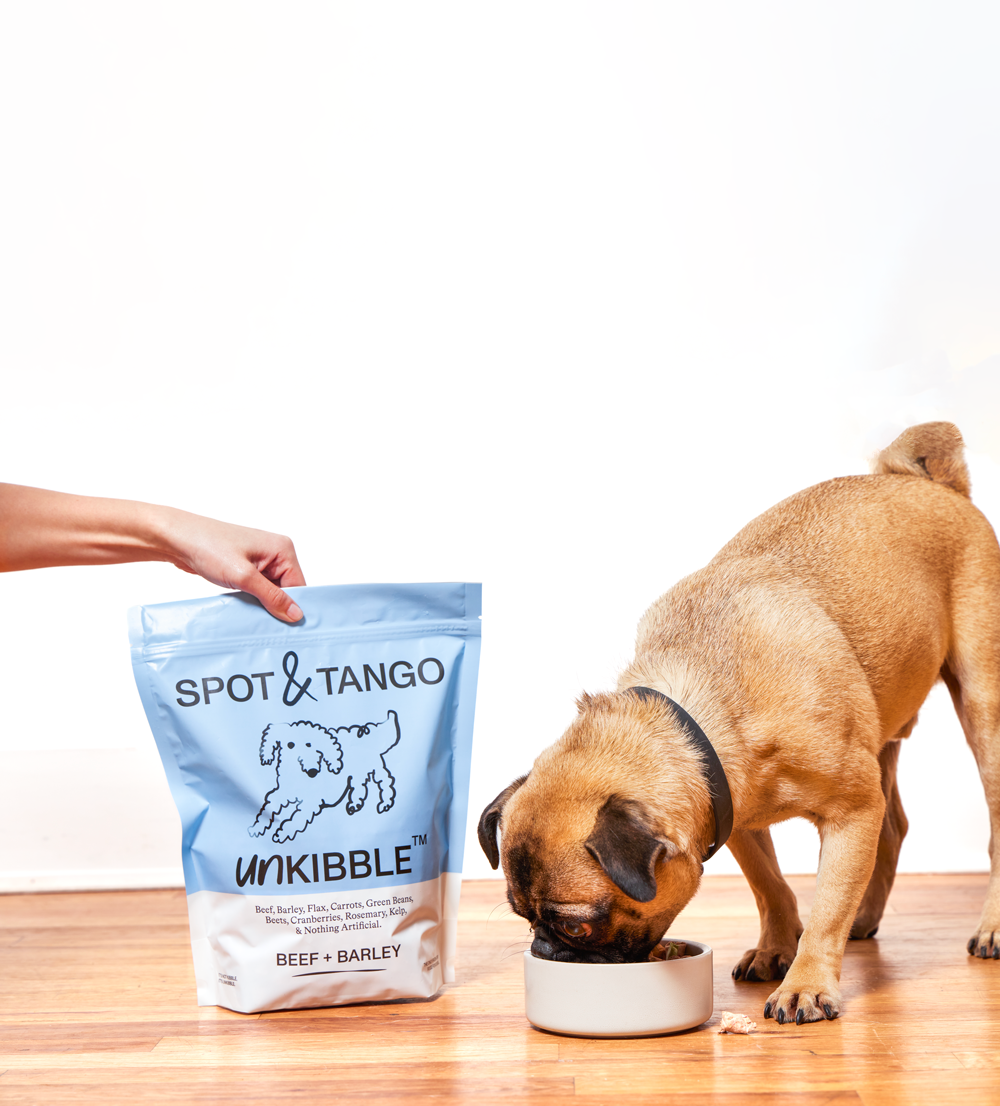
Spot & Tango
9.1Vet-formulated fresh trays and dehydrated UnKibble, portioned to the individual dog.
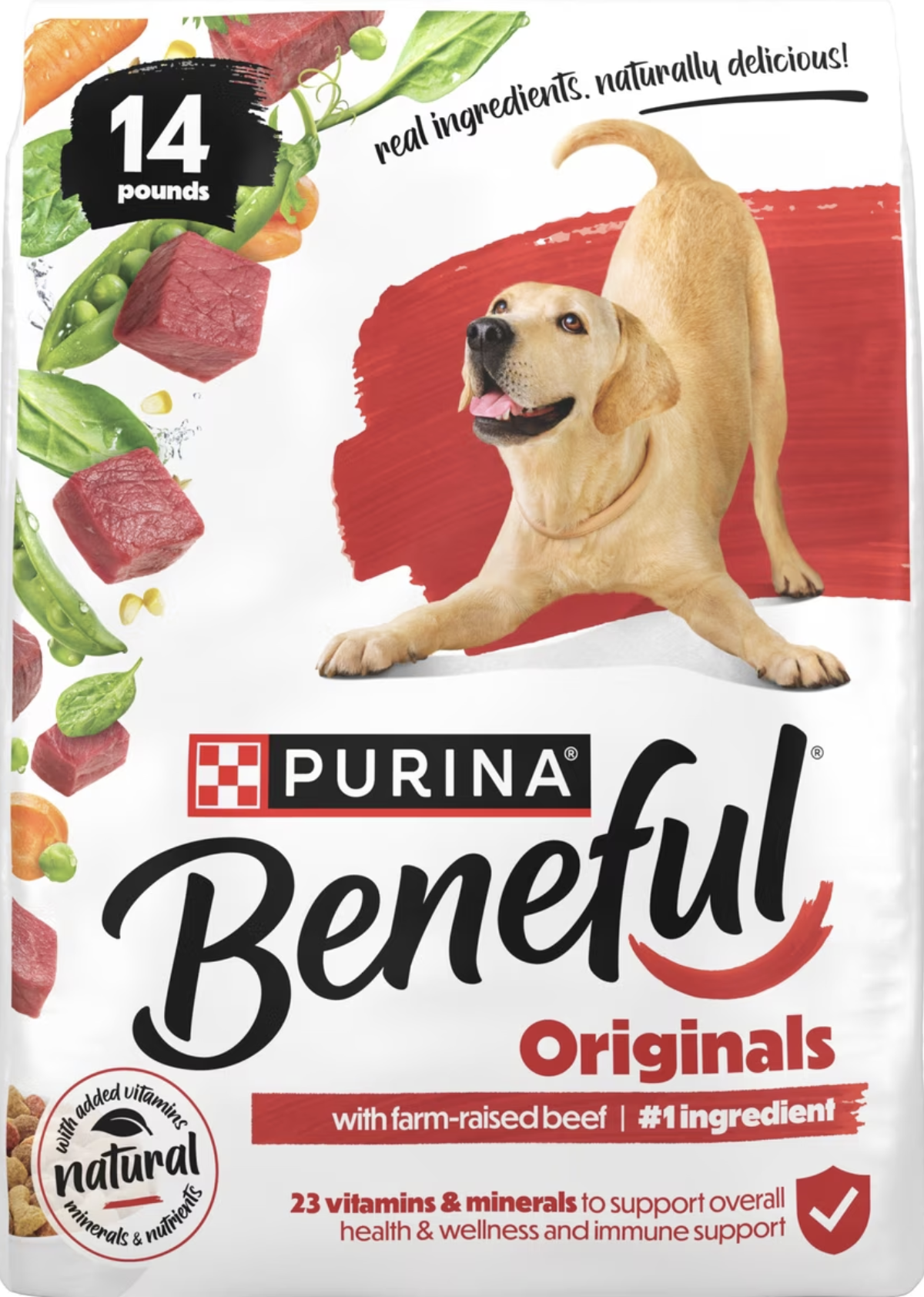
Purina Beneful Originals
7.2Farm-raised beef first, 23 added vitamins and minerals, no artificial colours.
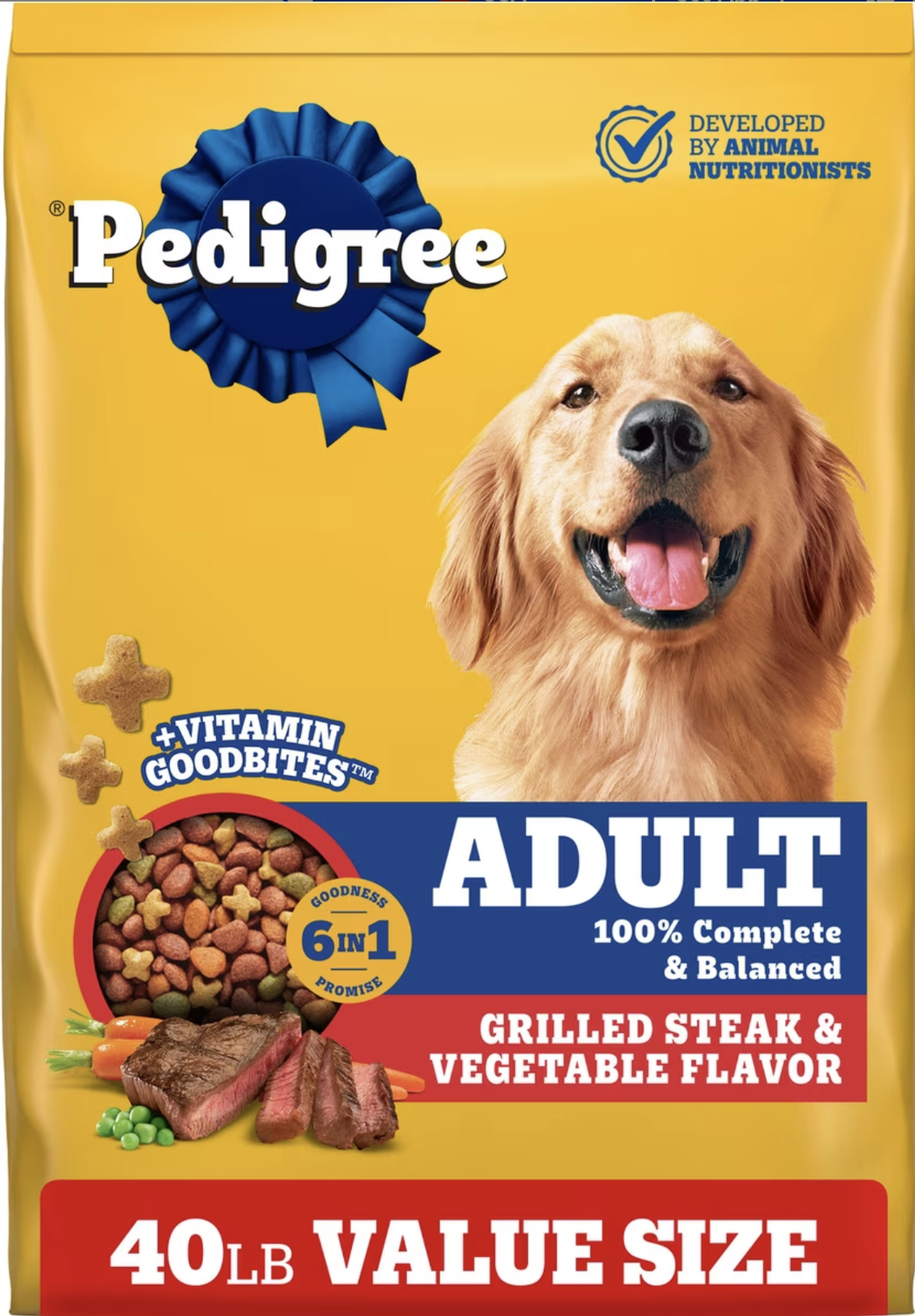
Pedigree Complete Nutrition
6.8Grilled steak and vegetable flavour, 40-lb value bag, priced below almost everything.
Recommendations are chosen by the Dr Murphies veterinary review board. Some links are affiliate links and we may earn a commission; this never affects our scoring, and brands do not see our copy before publication.
Dr Samuel Adeyemi, DVM, DACVIM
Internal medicine specialist