Weight Management
Treats Without the Tax: Ten Per Cent Rule in Practice
The commonly cited rule that treats should make up no more than ten percent of a pet's daily calorie intake is sound in principle but frequently misapplied in practice, since owners rarely calculate it against an actual calorie budget, making treats one of the most common hidden contributors to weight gain.
By Dr Thomas Nakamura, DVM
12 April 2026
4 min read

Medically reviewed
Reviewed by Dr Mariana Oliveira, DVM, DACVN of the Dr Murphies Veterinary Review Board. Reviewed content is checked against current consensus guidance before publication.
The commonly cited rule that treats should make up no more than ten percent of a pet's daily calorie intake is sound in principle but frequently misapplied in practice, since owners rarely calculate it against an actual calorie budget, making treats one of the most common hidden contributors to weight gain.
Where the Ten Percent Rule Comes From
The ten percent guideline exists because commercial treats are rarely formulated to the same complete and balanced nutrient profile as the main diet, so keeping non-diet items to a small proportion of total calories minimises the risk of diluting overall nutrient adequacy while still allowing genuine behavioural and bonding benefits from treat-giving.
In practice this means calculating ten percent of the pet's total daily calorie requirement, not ten percent of the volume of food offered, and then subtracting that treat calorie allowance from the main meal portion so that total daily intake remains correctly balanced rather than simply adding treats on top of a full meal allowance.
Calculating Ten Percent of an Actual Calorie Budget
- Gradual weight gain despite the main diet portion appearing unchanged
- Reduced interest in regular meals from excessive treat-based calorie intake
- Difficulty identifying which specific treat is contributing the most calories
- Owner uncertainty about how many calories a typical training session uses
- Multiple household members each independently giving treats unknowingly
A single standard-size dog biscuit or a few pieces of cheese can represent a surprisingly large proportion of a small dog's entire daily calorie allowance, which is why calculating actual figures rather than estimating by eye is worthwhile, particularly for dogs under 10 kilograms.
Common Treats and Their Surprising Calorie Density
Reviewing recorded weight trends alongside an honest inventory of all treats, chews and table scraps given over a typical week, cross-referenced against treat packaging calorie information, usually identifies the source of unexplained weight gain in an otherwise correctly fed pet.
For pets in active training programmes, calculating calories used specifically during training sessions separately from casual treat-giving throughout the day gives a clearer picture of total treat-related intake, since training treats are often given in far higher frequency than owners realise.
Using Treats Within Training Without Exceeding the Budget
Bringing treat-giving back within a sensible calorie budget requires precise calculation rather than a vague reduction.
- Calculate ten percent of total daily calorie requirement as the treat allowance
- Subtract treat calories from the main meal portion to maintain total balance
- Use a portion of the daily kibble ration itself as low-calorie training rewards
- Choose single-ingredient, low-calorie treats such as small vegetable pieces
Low-Calorie Alternatives That Still Reward Effectively
Breaking treats into smaller pieces for training purposes allows more individual rewards from the same total calorie allowance, which is particularly useful for high-frequency training sessions with puppies or working dogs learning new commands.
Communicating the calculated treat allowance clearly to every household member, including visitors and children, prevents the common scenario where a pet receives several people's individual treat allowances stacked on top of each other throughout the day.
When to seek help urgently
- Rapid weight gain traced specifically to a change in treat-giving habits
- Signs of pancreatitis such as vomiting and abdominal pain after fatty treats
- Gastrointestinal upset following excessive consumption of a new treat type
- Choking or gagging on inappropriately sized or hard treat items
Treats remain a valuable training and bonding tool when calculated properly, so ask your vet to help set an accurate daily calorie budget that includes treats rather than treating them as separate from the main diet.
Vet-recommended
Products our review board rates for this
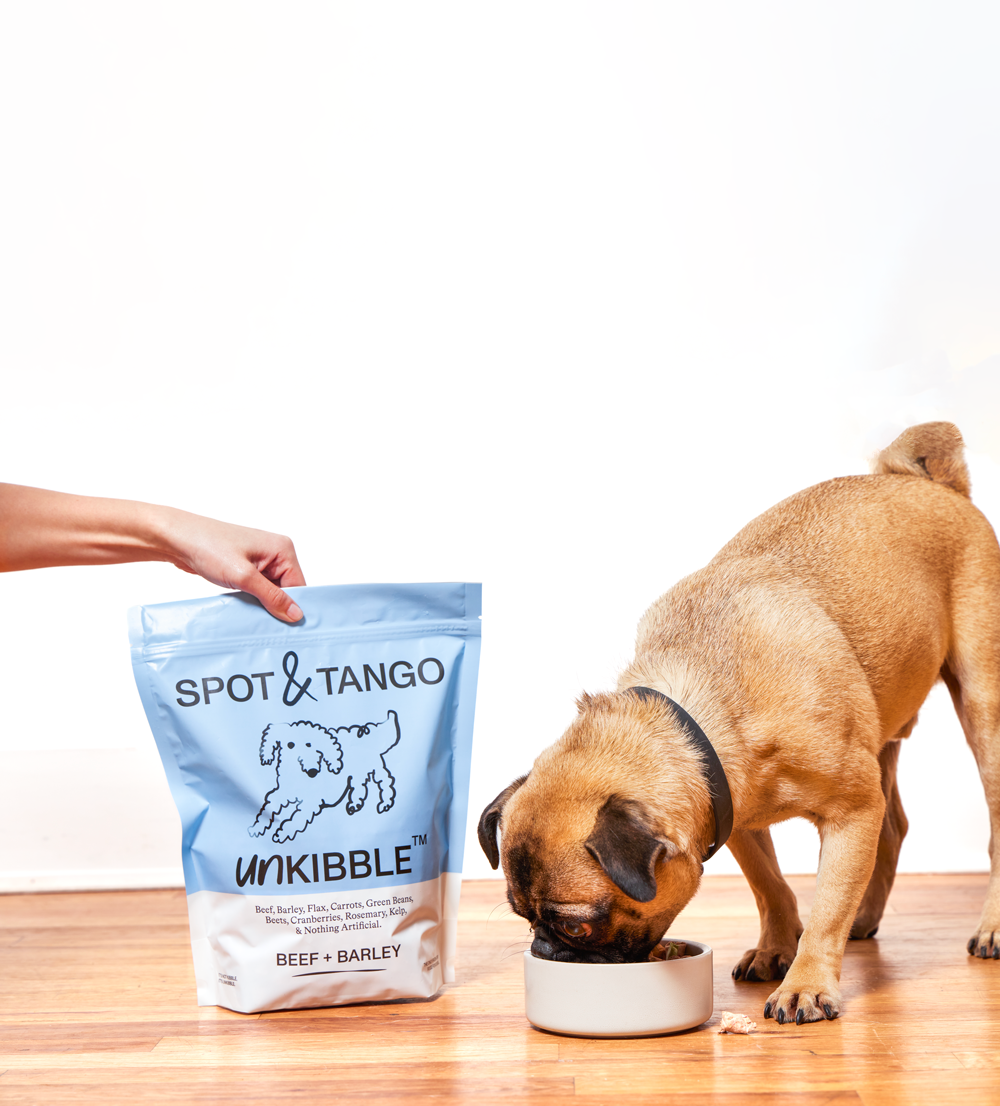
Spot & Tango
9.1Vet-formulated fresh trays and dehydrated UnKibble, portioned to the individual dog.
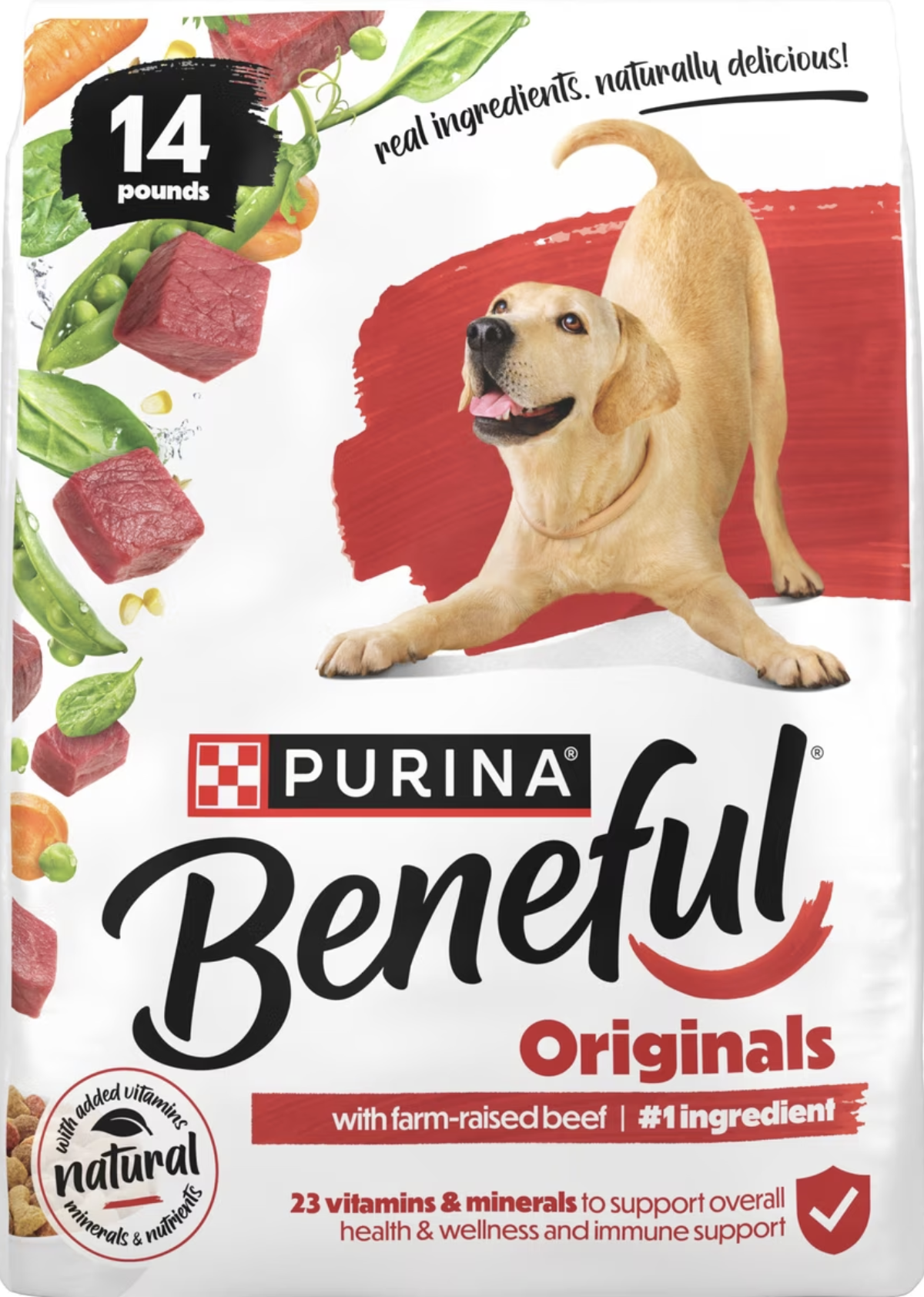
Purina Beneful Originals
7.2Farm-raised beef first, 23 added vitamins and minerals, no artificial colours.
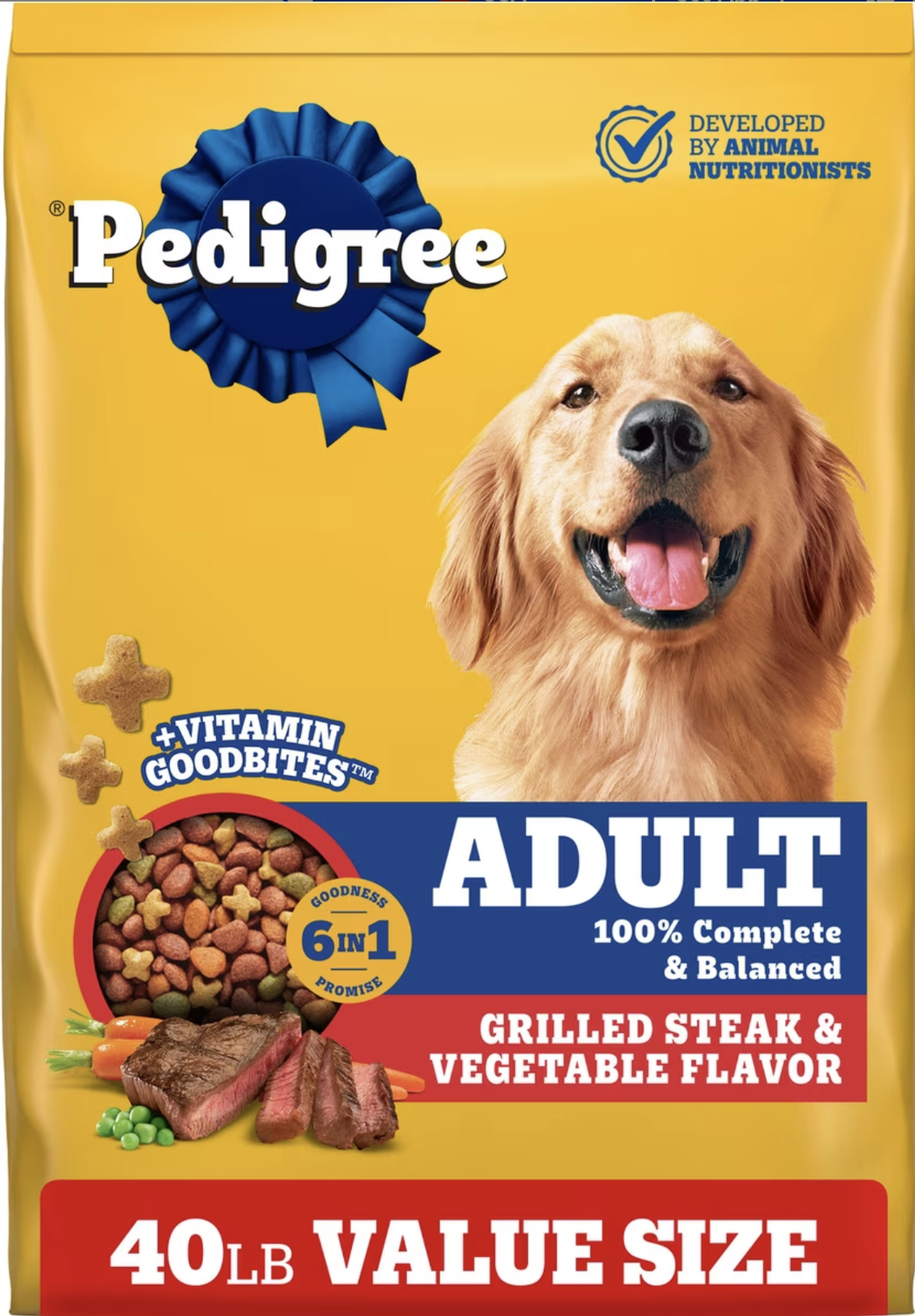
Pedigree Complete Nutrition
6.8Grilled steak and vegetable flavour, 40-lb value bag, priced below almost everything.
Recommendations are chosen by the Dr Murphies veterinary review board. Some links are affiliate links and we may earn a commission; this never affects our scoring, and brands do not see our copy before publication.
Dr Thomas Nakamura, DVM
Exotic and avian medicine