Weight Management
Weight Loss Plans That Work Beyond Month Three
Most pets that start a weight loss plan lose some weight in the first eight to twelve weeks, and most then plateau or regain it, because the initial calorie deficit was never adjusted as metabolism adapted to the new lower bodyweight.
By Dr Samuel Adeyemi, DVM, DACVIM
2 May 2026
4 min read

Medically reviewed
Reviewed by Dr Samuel Adeyemi, DVM, DACVIM of the Dr Murphies Veterinary Review Board. Reviewed content is checked against current consensus guidance before publication.
Most pets that start a weight loss plan lose some weight in the first eight to twelve weeks, and most then plateau or regain it, because the initial calorie deficit was never adjusted as metabolism adapted to the new lower bodyweight. Durable weight loss requires ongoing recalculation, not a single fixed diet plan.
Why Metabolic Rate Falls as Weight Is Lost
Resting energy requirement scales with metabolically active lean tissue, so as a pet loses weight, its absolute calorie needs decrease even before accounting for reduced movement effort at a lower bodyweight. A calorie allowance calculated correctly at the start of a weight loss programme will therefore overfeed the same pet by month three or four unless it is recalculated against the current, not the starting, weight.
Aggressive calorie restriction without adequate high-quality protein causes disproportionate loss of lean muscle mass alongside fat, which further lowers metabolic rate and makes long-term weight maintenance harder, which is why veterinary weight loss diets are formulated with increased protein density relative to calories rather than simply being calorie-restricted versions of maintenance food.
Setting a Realistic Weekly Loss Target
- Weight loss stalling for two or more consecutive weigh-ins
- Persistent begging behaviour despite apparently adequate calorie intake
- Muscle loss over the spine and hips rather than fat loss specifically
- Low energy or reluctance to engage in previously tolerated exercise
- Weight regain within weeks of returning to a standard maintenance diet
A plateau after initial progress is not a sign of owner failure but an expected physiological response to reduced lean mass and lower energy expenditure, and it specifically calls for recalculation rather than further blanket restriction of the same amount.
The Role of Protein Preservation During Calorie Restriction
Regular veterinary weigh-ins with body condition and, where available, muscle condition scoring track progress more accurately than home bathroom scales, since even small absolute weight changes matter proportionally more in cats and small dogs.
When a plateau occurs despite apparently correct calorie intake, ruling out hypothyroidism in dogs or underlying osteoarthritis limiting exercise capacity in either species identifies medical contributors that diet adjustment alone will not resolve.
Exercise as an Adjunct, Not the Primary Driver
Breaking a plateau and sustaining loss requires structured recalculation at each stage of the programme.
- Recalculate calorie allowance against current weight every two to four weeks
- Prioritise a high-protein, high-fibre veterinary weight loss diet formulation
- Introduce low-impact structured exercise appropriate to joint health
- Weigh all food precisely and eliminate unaccounted treats or scraps
Why Plateaus Happen and How to Break Them
Once target weight is reached, transitioning to a maintenance calorie level calculated for the new, lower weight, rather than reverting to old feeding habits, is essential, since the single biggest predictor of long-term success is what happens after the diet phase ends.
Involving every household member in the plan, including agreeing on treat limits and who feeds the pet, prevents the common scenario where inconsistent feeding between family members undermines an otherwise well-designed programme.
When to seek help urgently
- Rapid weight loss exceeding roughly 2 percent of bodyweight per week
- Complete loss of appetite during an active weight loss programme
- Signs of hepatic lipidosis in cats losing weight too quickly, including jaundice
- Lethargy or weakness suggesting excessive calorie restriction
Sustainable weight loss is a moving target that needs periodic reassessment, so keep your vet involved throughout the process rather than treating the initial plan as fixed for the entire journey.
Vet-recommended
Products our review board rates for this
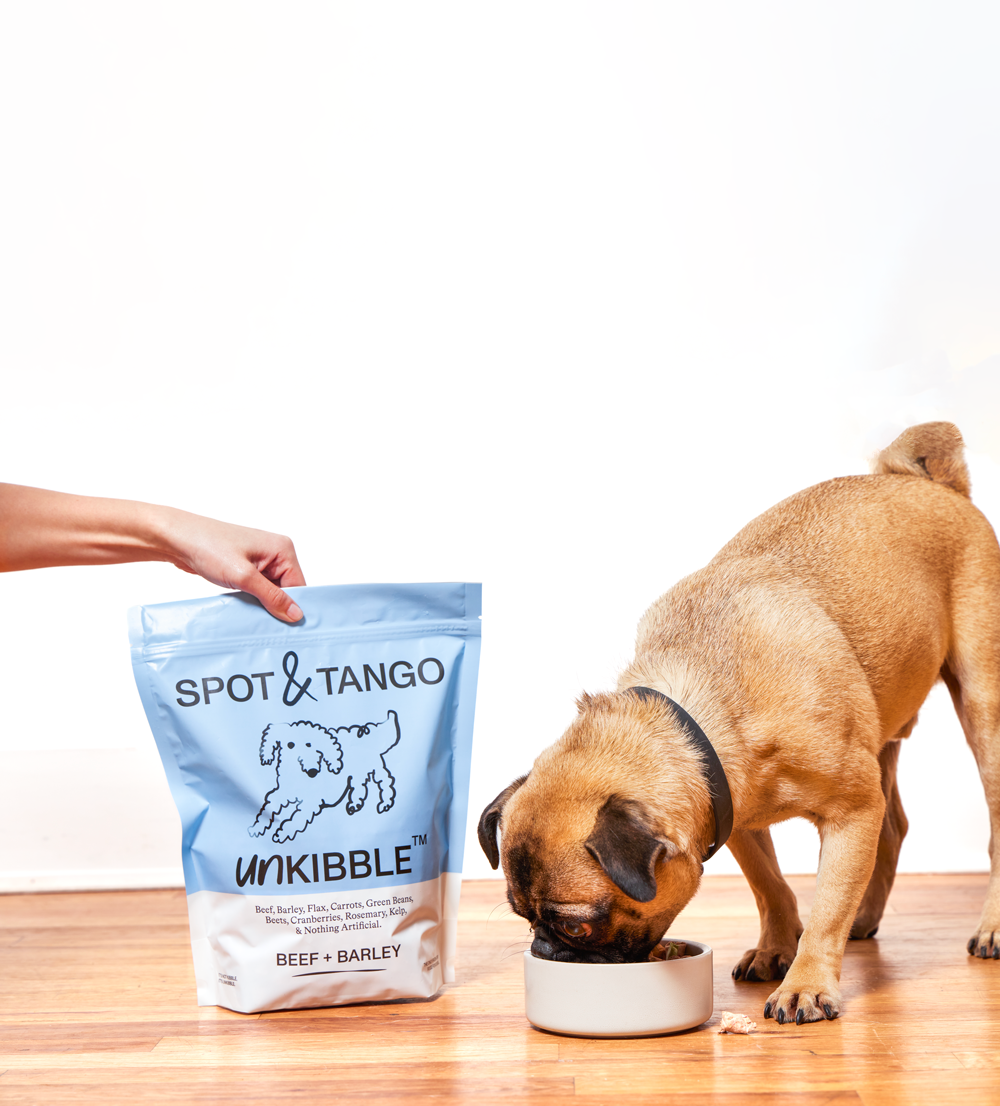
Spot & Tango
9.1Vet-formulated fresh trays and dehydrated UnKibble, portioned to the individual dog.
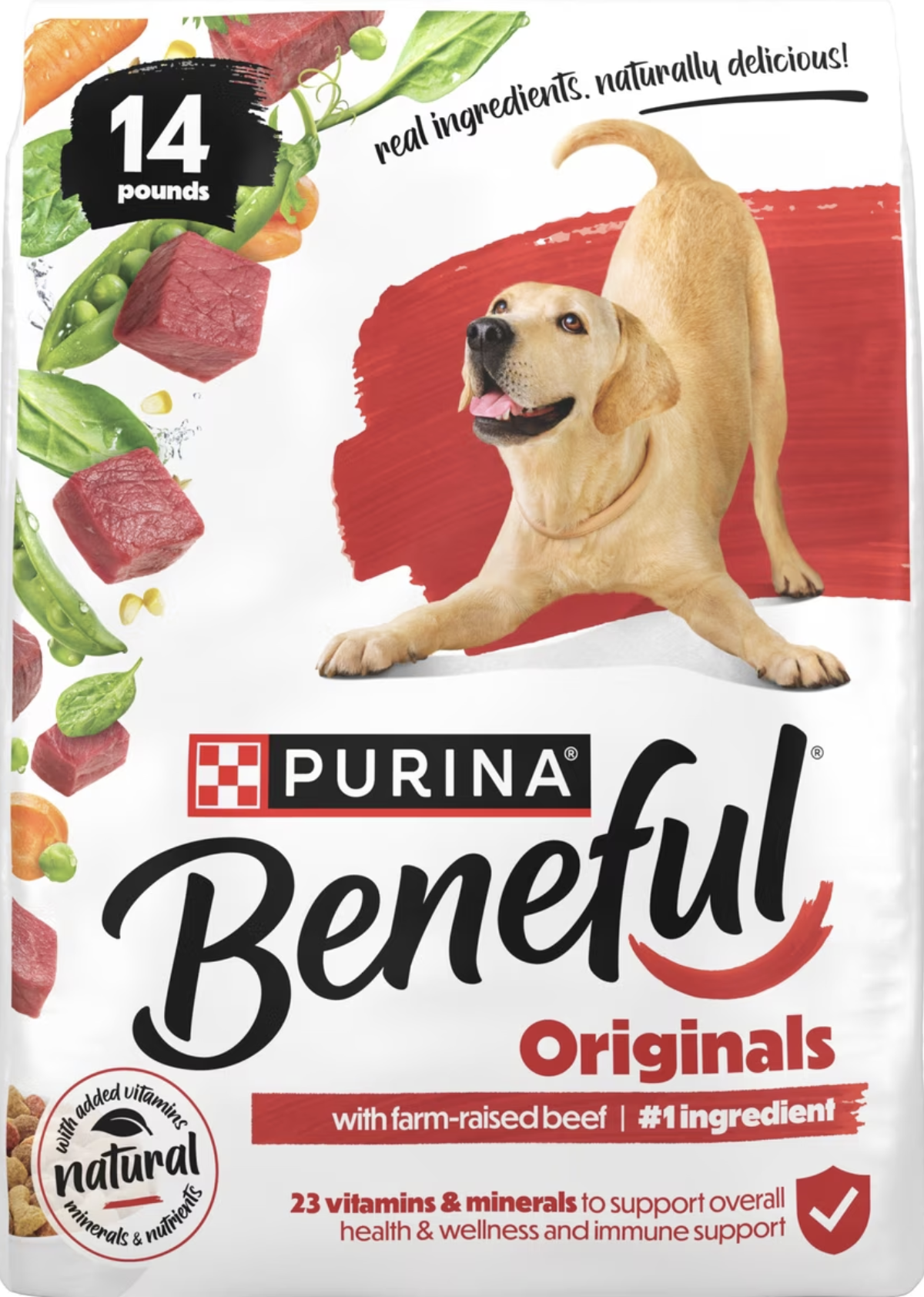
Purina Beneful Originals
7.2Farm-raised beef first, 23 added vitamins and minerals, no artificial colours.
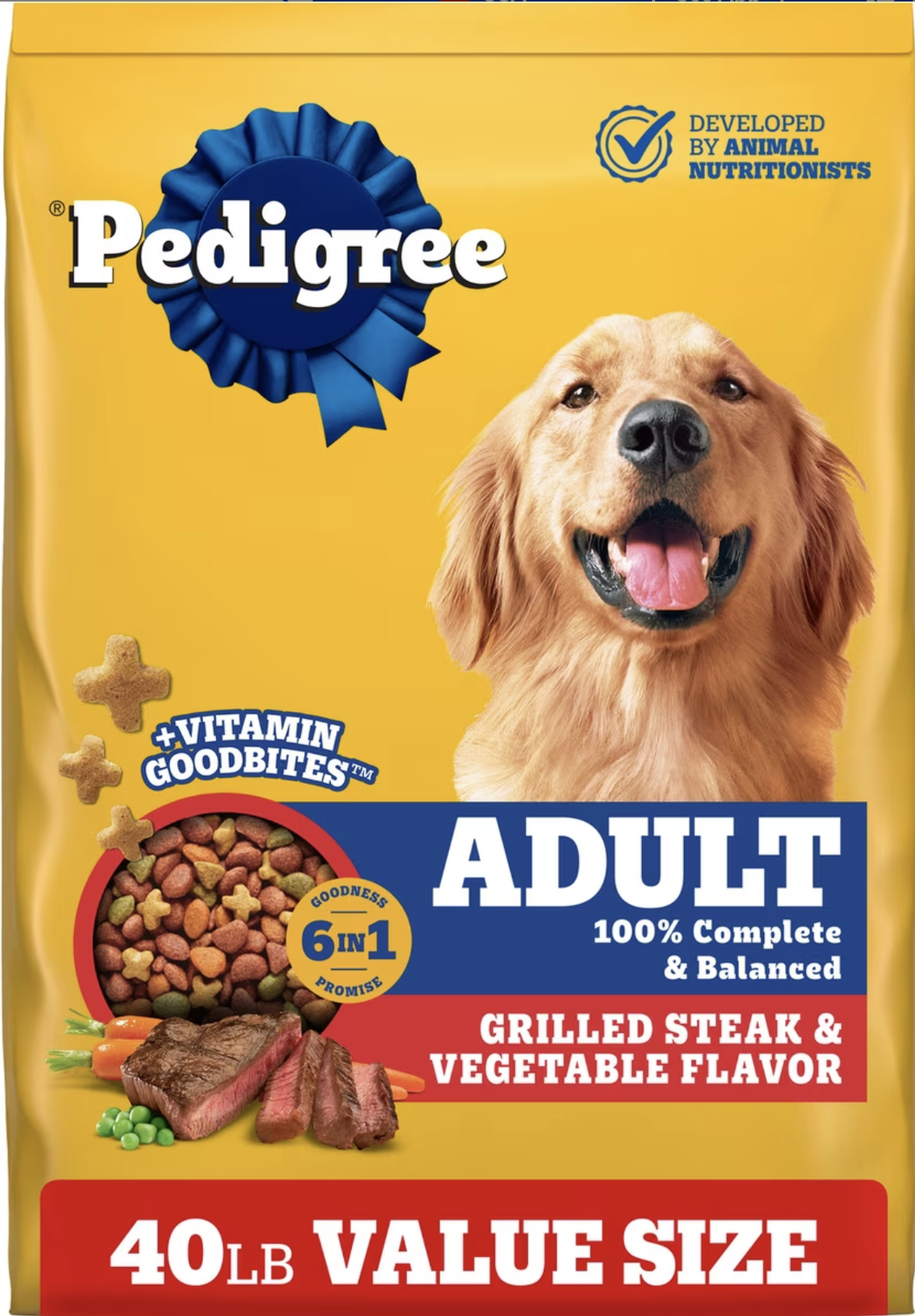
Pedigree Complete Nutrition
6.8Grilled steak and vegetable flavour, 40-lb value bag, priced below almost everything.
Recommendations are chosen by the Dr Murphies veterinary review board. Some links are affiliate links and we may earn a commission; this never affects our scoring, and brands do not see our copy before publication.
Dr Samuel Adeyemi, DVM, DACVIM
Internal medicine specialist