First Aid
Wound Care Before You Reach the Clinic
How a wound is handled in the first few minutes at home can influence infection risk, blood loss and healing time just as much as the eventual veterinary repair.
By Dr Eleanor Murphy, BVSc
2 January 2026
4 min read
Medically reviewed
Reviewed by Dr Eleanor Murphy, BVSc of the Dr Murphies Veterinary Review Board. Reviewed content is checked against current consensus guidance before publication.
How a wound is handled in the first few minutes at home can influence infection risk, blood loss and healing time just as much as the eventual veterinary repair. The goal of home first aid is simple: control bleeding, protect the wound from contamination, and avoid actions that cause more tissue damage.
Controlling Bleeding Safely
Fresh wounds bleed because damaged vessels lose their normal constrictive tone, and direct pressure works by physically opposing vessel walls until platelets and clotting factors form a stable plug, usually within five to ten minutes of sustained, even pressure. Repeatedly lifting a dressing to check the wound disrupts this forming clot and restarts bleeding.
Contaminated wounds left uncleaned develop bacterial colonisation within hours, and by 6 to 8 hours a wound is generally considered too contaminated for simple closure without thorough debridement, which is why timing of veterinary presentation affects whether a wound can be stitched or must be left to heal open.
Cleaning Without Causing Harm
- Steady or pulsing blood flow that soaks through gauze quickly
- Visible gaping of skin edges exposing underlying tissue
- Swelling, heat or discharge developing over the following day
- Limping or reluctance to bear weight near the wound site
- Pale gums or lethargy suggesting significant blood loss
A wound that seems minor on the surface can conceal deeper puncture tracks, particularly from bite wounds, where the skin closes over damaged muscle and creates a pocket for infection that is not apparent without veterinary probing.
Bandaging Pitfalls That Worsen Outcomes
At the clinic, the wound is clipped and thoroughly explored, often under sedation, to assess depth, identify any foreign material, and check for involvement of underlying structures such as tendons, joints or body cavities. Bite wounds in particular are probed carefully because the puncture point often underestimates the extent of tissue damage beneath.
Wounds older than 6 to 8 hours or heavily contaminated ones are typically classified for delayed closure or left to heal by second intention, while fresh, clean wounds may be closed primarily, a decision made based on timing and contamination at first assessment.
What the Vet Will Do Differently
Home first aid should focus on the two things that genuinely help before professional care takes over: pressure and protection.
- Firm, continuous direct pressure with clean gauze or cloth for bleeding control
- Rinsing visible debris with saline or clean water, never hydrogen peroxide
- A loose, non-constrictive covering to keep the wound clean in transit
- Preventing licking with a cone or shirt until veterinary assessment
Healing Timeframes by Wound Type
Clean, promptly closed wounds typically heal within 10 to 14 days with sutures removed at that point, while wounds left open to heal by second intention can take three to six weeks depending on size and location. Bite wounds require closer monitoring for delayed abscess formation even after initial treatment.
Owners should keep the area dry, follow prescribed antibiotic courses fully, and return promptly if swelling, discharge or odour develops, since these signal infection that can otherwise progress to more serious systemic illness.
When to seek help urgently
- Bleeding that does not slow with ten minutes of firm direct pressure
- Any wound involving the chest, abdomen, eye or a joint
- Deep puncture wounds from an animal bite or fall
- Pale gums, weakness or collapse alongside a wound
Apply firm pressure and a clean covering, avoid home antiseptics and ointments unless directed, and have your veterinarian assess the wound promptly, since they can determine whether closure, drainage or open healing gives the best result.
Vet-recommended
Products our review board rates for this
Dial A Vet
9.0A global team of 250+ vets and vet techs on Zoom in under fifteen minutes, flat fee.

Lemonade Pet Insurance
9.4The lowest premiums in the category, with claims paid in minutes rather than weeks.
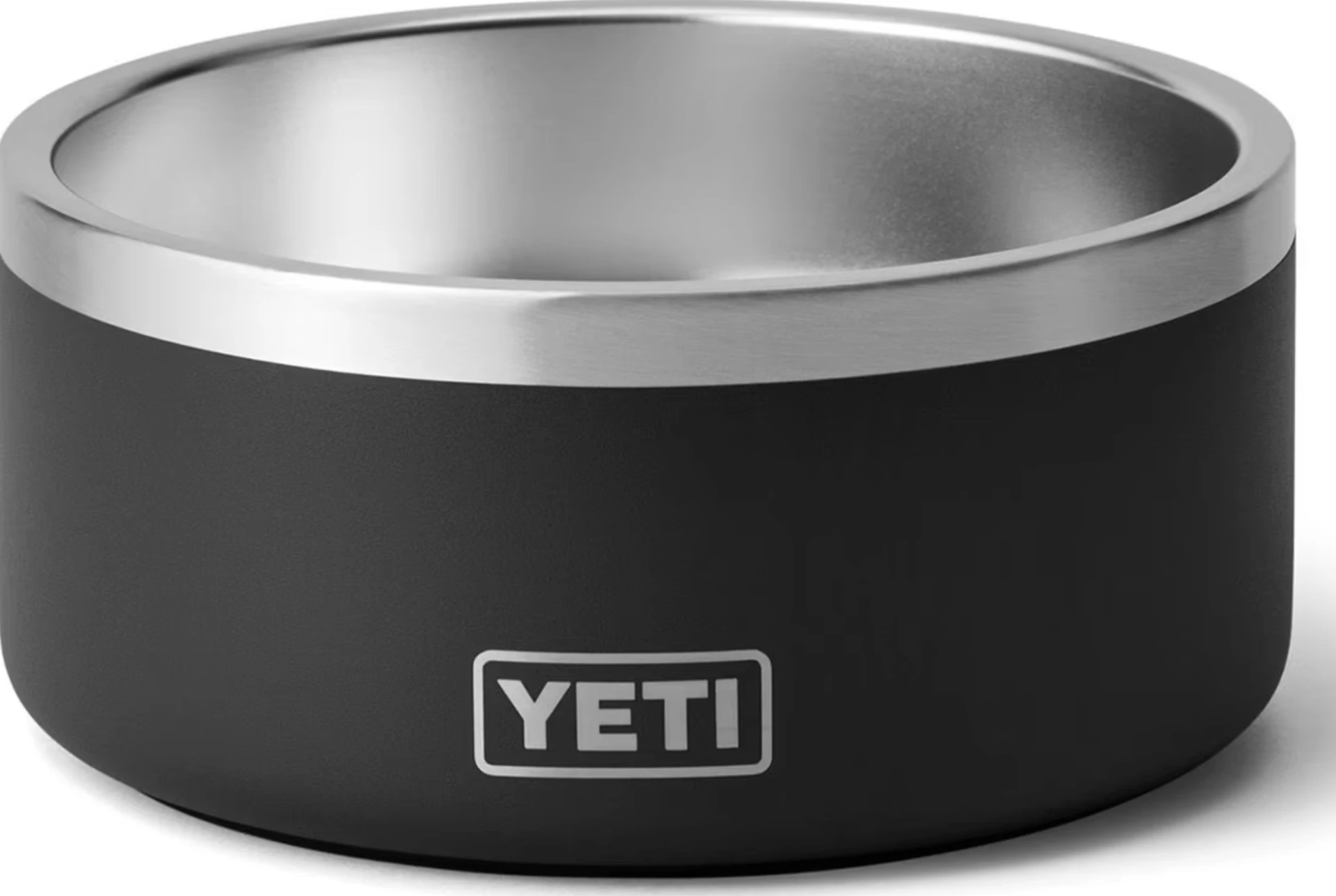
YETI Boomer 4 Dog Bowl
8.518/8 stainless, non-slip ring, dishwasher-safe — the last bowl you buy.
Recommendations are chosen by the Dr Murphies veterinary review board. Some links are affiliate links and we may earn a commission; this never affects our scoring, and brands do not see our copy before publication.
Dr Eleanor Murphy, BVSc
Founding editor and small-animal internist