Dentistry
Anaesthesia-Free Dentals: Why Vets Object
Anaesthesia-free dental cleaning, often marketed as a gentler alternative, is opposed by veterinary dental specialists not out of caution alone but because it cannot address the disease that actually threatens teeth.
By Dr Ingrid Sorensen, BVSc, DipACVB
2 April 2026
4 min read
Medically reviewed
Reviewed by Dr Samuel Adeyemi, DVM, DACVIM of the Dr Murphies Veterinary Review Board. Reviewed content is checked against current consensus guidance before publication.
Anaesthesia-free dental cleaning, often marketed as a gentler alternative, is opposed by veterinary dental specialists not out of caution alone but because it cannot address the disease that actually threatens teeth. The visible tartar it removes is the least clinically important part of the problem.
What Anaesthesia-Free Cleaning Actually Removes
Periodontal disease progresses beneath the gumline, in the periodontal pocket where bacteria and inflammatory mediators erode the ligament and bone anchoring each tooth. Scraping visible tartar from the crown, which is what anaesthesia-free procedures do, has no effect on this subgingival process and can leave owners with a false impression that the mouth is healthy.
Full assessment requires probing each tooth's pocket depth and dental radiographs to see root and bone changes invisible to the eye; both require a still, cooperative patient, which is only reliably achieved under general anaesthesia.
Why Subgingival Disease Cannot Be Assessed Awake
- Clean-looking front teeth despite ongoing bad breath
- Gum recession or a pocket detectable only by gentle probing
- A tooth that appears normal but is loose when gently moved
- Reluctance to chew on one side despite visibly clean teeth
- Recurrence of visible tartar within weeks of a non-anaesthetic clean
A mouth can look cosmetically clean immediately after an awake scaling procedure while active periodontal disease continues untreated below the gumline, which is precisely the gap veterinary dentists are warning owners about.
The Stress and Injury Risk of Restraint
A proper dental work-up under anaesthesia includes full-mouth periodontal probing at multiple points per tooth and intraoral radiographs, since up to two-thirds of each tooth's structure, the root, is never visible without imaging.
Awake restraint for scaling does not allow probing or radiographs, meaning disease already present below the gumline is neither diagnosed nor treated, only masked by removal of surface tartar.
What a Proper Anaesthetic Dental Includes
Where periodontal disease is confirmed, treatment requires tools and access that an awake, moving patient cannot safely permit.
- Full-mouth dental radiographs to assess root and bone health under every tooth
- Subgingival scaling and polishing performed with the airway protected by intubation
- Extraction of teeth with unrecoverable attachment loss identified on radiographs
- Pain relief planned around the procedure, which awake restraint cannot provide
Questions to Ask Before Booking Any Dental Service
Modern anaesthetic protocols include pre-anaesthetic bloodwork, individualised drug selection and continuous monitoring, which substantially reduces the risks owners associate with older anaesthesia and makes the safety comparison with awake restraint less favourable than marketing suggests.
Restraint for an awake procedure carries its own risks, including stress-related injury, aspiration if water or debris enters the airway, and the psychological cost of repeated forceful handling for an animal already anxious about its mouth being touched.
When to seek help urgently
- Facial swelling or a draining tract near the jaw after any dental procedure
- Persistent bad breath returning within weeks of an anaesthesia-free clean
- A tooth found loose or fractured that was not addressed by non-anaesthetic scaling
- Signs of oral pain, such as pawing at the face, following any dental service
If a dental service does not include radiographs, periodontal probing and anaesthesia, it cannot diagnose or treat the disease that actually threatens your pet's teeth, and this should be discussed directly with your own veterinarian before booking any alternative.
Vet-recommended
Products our review board rates for this
Lemonade Pet Insurance
9.4The lowest premiums in the category, with claims paid in minutes rather than weeks.
Dial A Vet
9.0A global team of 250+ vets and vet techs on Zoom in under fifteen minutes, flat fee.
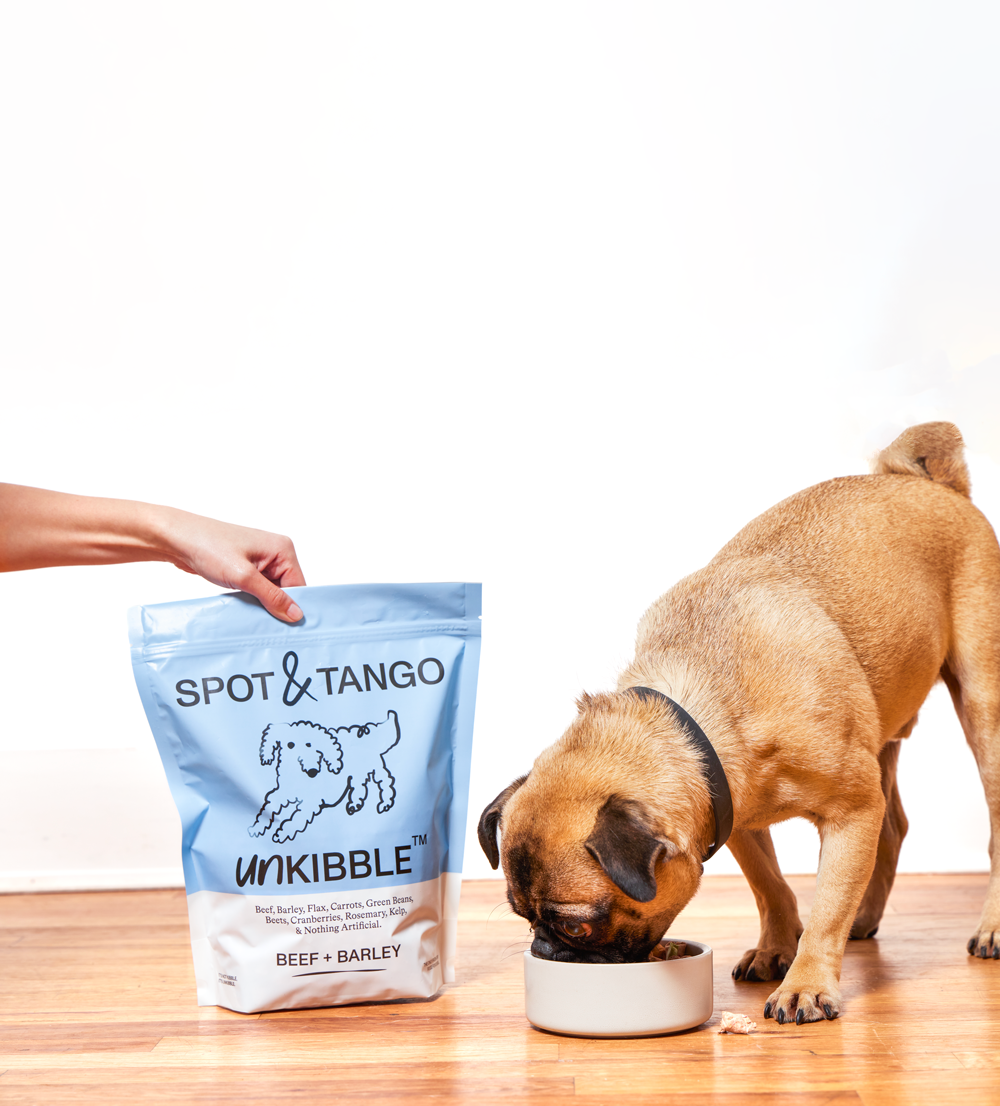
Spot & Tango
9.1Vet-formulated fresh trays and dehydrated UnKibble, portioned to the individual dog.
Recommendations are chosen by the Dr Murphies veterinary review board. Some links are affiliate links and we may earn a commission; this never affects our scoring, and brands do not see our copy before publication.
Dr Ingrid Sorensen, BVSc, DipACVB
Veterinary behaviourist