The Review
Embark Breed + Health Dog DNA Test Review: Genuinely Useful, or Expensive Trivia?
A cheek swab that screens for 250+ hereditary conditions, resolves ancestry across 350+ breeds and links your dog to relatives. We assess what a veterinarian can actually do with the results.
By Dr Elise Murphy, BVSc (Hons)
20 August 2026
9 min read
Medically reviewed
Reviewed by Dr Noor Haddad, DVM, DACVD of the Dr Murphies Veterinary Review Board. Reviewed content is checked against current consensus guidance before publication.
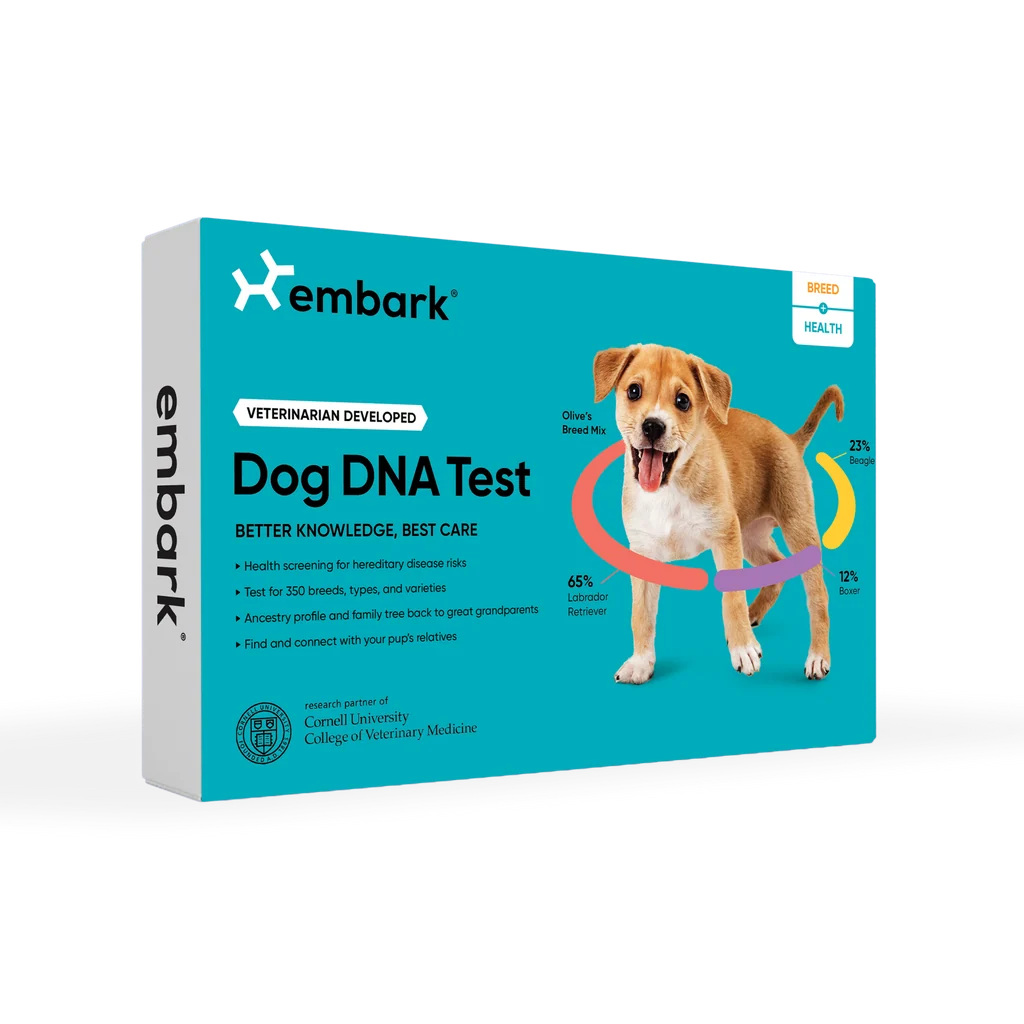
Most dog DNA tests are sold as entertainment: a pie chart of breeds to screenshot and post. Embark's Breed + Health kit is sold as something else — a veterinary screening tool developed with research partners at Cornell University's College of Veterinary Medicine, returning both an ancestry breakdown and a genetic health panel covering more than 250 hereditary conditions. That is a meaningfully different claim, and it deserves a meaningfully different assessment.
We have no commercial relationship with Embark beyond the affiliate link disclosed at the end of this article. The question we set out to answer is narrow: does the report change anything a vet does with the dog in front of them?
What you actually get
- A genetic health screen for 250+ known hereditary variants, including MDR1 drug sensitivity, degenerative myelopathy, exercise-induced collapse, progressive retinal atrophy and a long tail of breed-specific conditions.
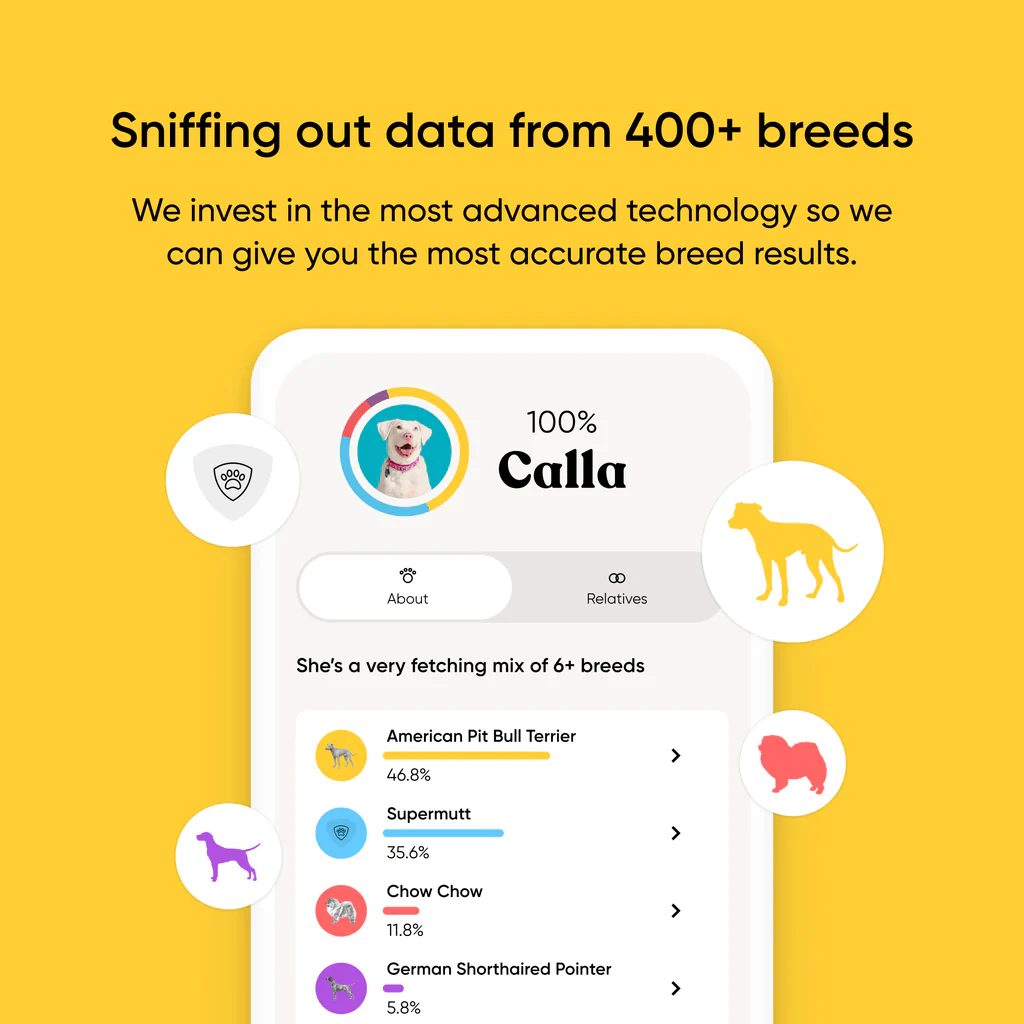
- Breed ancestry resolved against a reference panel of 350+ breeds, types and varieties, reported to the percentage.
- A family tree back to great-grandparents, plus estimated adult weight, coat traits and a genetic diversity (COI) figure.
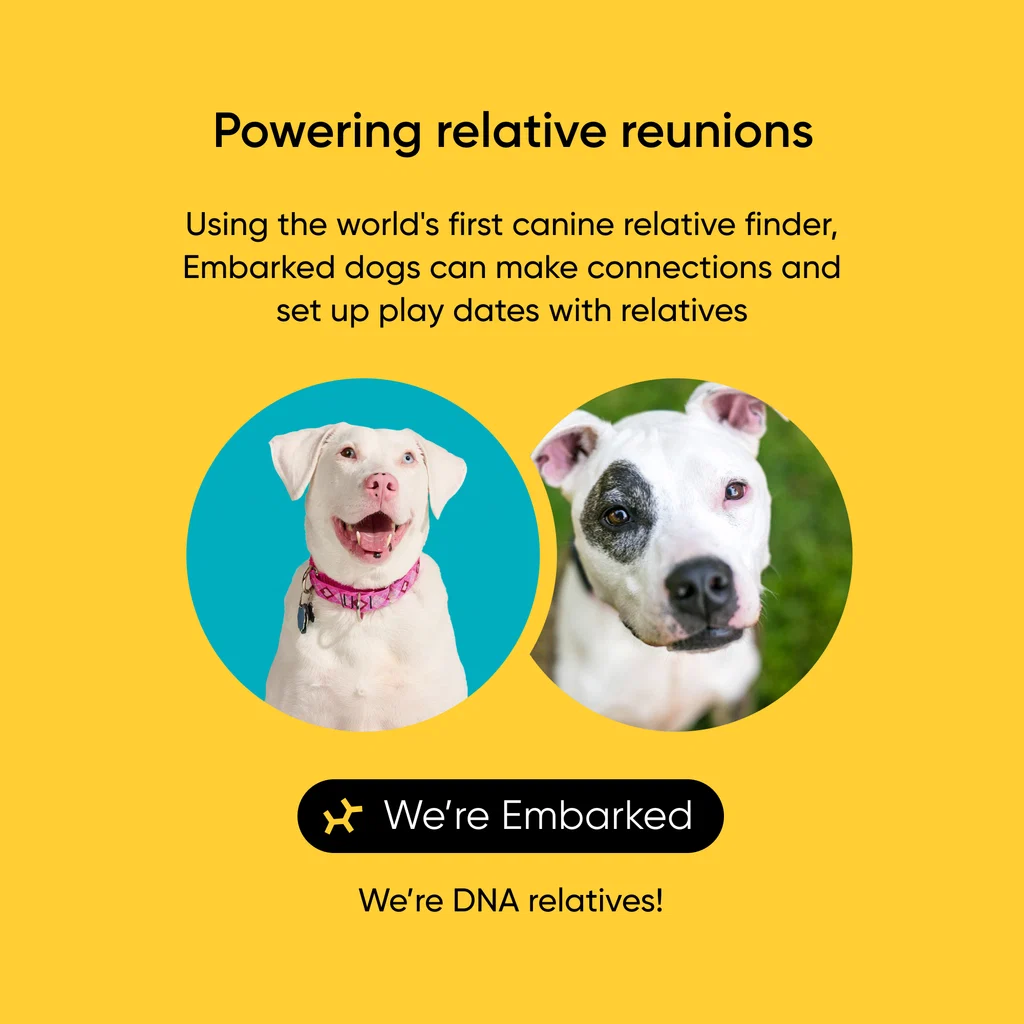
- Access to the relative finder, which matches your dog against other tested dogs sharing DNA.
- A downloadable report you can hand to your veterinarian — the part that matters most.
The clinical case for testing
Two results change practice on the day they arrive. The first is MDR1 (ABCB1) drug sensitivity, common in herding breeds and their mixes. A dog carrying two copies can have a severe, occasionally fatal neurological reaction to ordinary doses of ivermectin, some anaesthetic and sedative agents, and several chemotherapy drugs. Knowing the status before a routine parasite treatment or a dental anaesthetic is a genuine safety intervention, not a curiosity.
The second is any late-onset condition with a monitoring pathway — degenerative myelopathy, dilated cardiomyopathy variants, progressive retinal atrophy, certain nephropathies. An at-risk result does not mean the dog will develop disease, but it justifies earlier baseline imaging, more frequent screening, and a conversation about what early signs look like. For breeders, the same panel is the difference between guessing and planning a mating.
Ancestry has quieter clinical value too. A rescue dog of unknown origin who turns out to be a third Shar-Pei gets watched for skin-fold and ocular problems; a mostly-Boxer mix gets a cardiac auscultation taken more seriously; a substantial sighthound fraction changes how we interpret a normal-looking haematocrit and how we dose sedation.
The relative finder
Embark's relative finder is the feature owners talk about most and the one with the least medical weight. It matches your dog against the company's tested population and surfaces shared-DNA relationships, which for shelter dogs occasionally reunites littermates. It is delightful. It will not change a treatment plan, and it should not carry any weight in the buying decision.
Accuracy and limitations
Embark genotypes well over 200,000 markers, an order of magnitude more than most consumer competitors, and that density is why its breed calls are generally stable and its health panel usable. But the panel tests for known variants only. A clear result across 250+ conditions is not a clean bill of health: it means your dog does not carry those specific mutations. Polygenic problems — hip dysplasia, most cancers, most behaviour — are not on the list and are not predicted by any consumer test currently sold.
- An 'at risk' result is a probability, not a diagnosis. Confirm clinically before acting, and never euthanise or rehome on a genotype alone.
- Carrier status matters for breeding decisions, rarely for the individual pet.
- Turnaround is two to four weeks; this is not a tool for an acute problem.
- The swab must be a proper cheek scrape — feed nothing for an hour beforehand, or you risk a resample.
- Results are not a substitute for breed-specific orthopaedic or cardiac screening where those are indicated.
Price and who it suits
Breed + Health sits at the premium end of the category, and the cheaper Breed-only kit exists for people who only want the pie chart. The health panel is where the money goes, and it is worth it for three groups: owners of rescue or unknown-origin dogs, owners of herding breeds and their mixes who need MDR1 status on file, and anyone breeding. For a papered dog from a breeder who already health-tests the line, the marginal value is lower.
Our verdict: this is the rare consumer pet product with real clinical utility, provided you read the report as a screening tool rather than a prophecy. Buy it once, email the PDF to your veterinary clinic so it lives in the file, and let it inform anaesthetic protocols and screening schedules for the rest of the dog's life. Buy it for the relative finder and you will still get your money's worth — you will just be getting it for the wrong reason.
Vet-recommended
Products our review board rates for this

Lemonade Pet Insurance
9.4The lowest premiums in the category, with claims paid in minutes rather than weeks.

Dial A Vet
9.0A global team of 250+ vets and vet techs on Zoom in under fifteen minutes, flat fee.
Spot & Tango
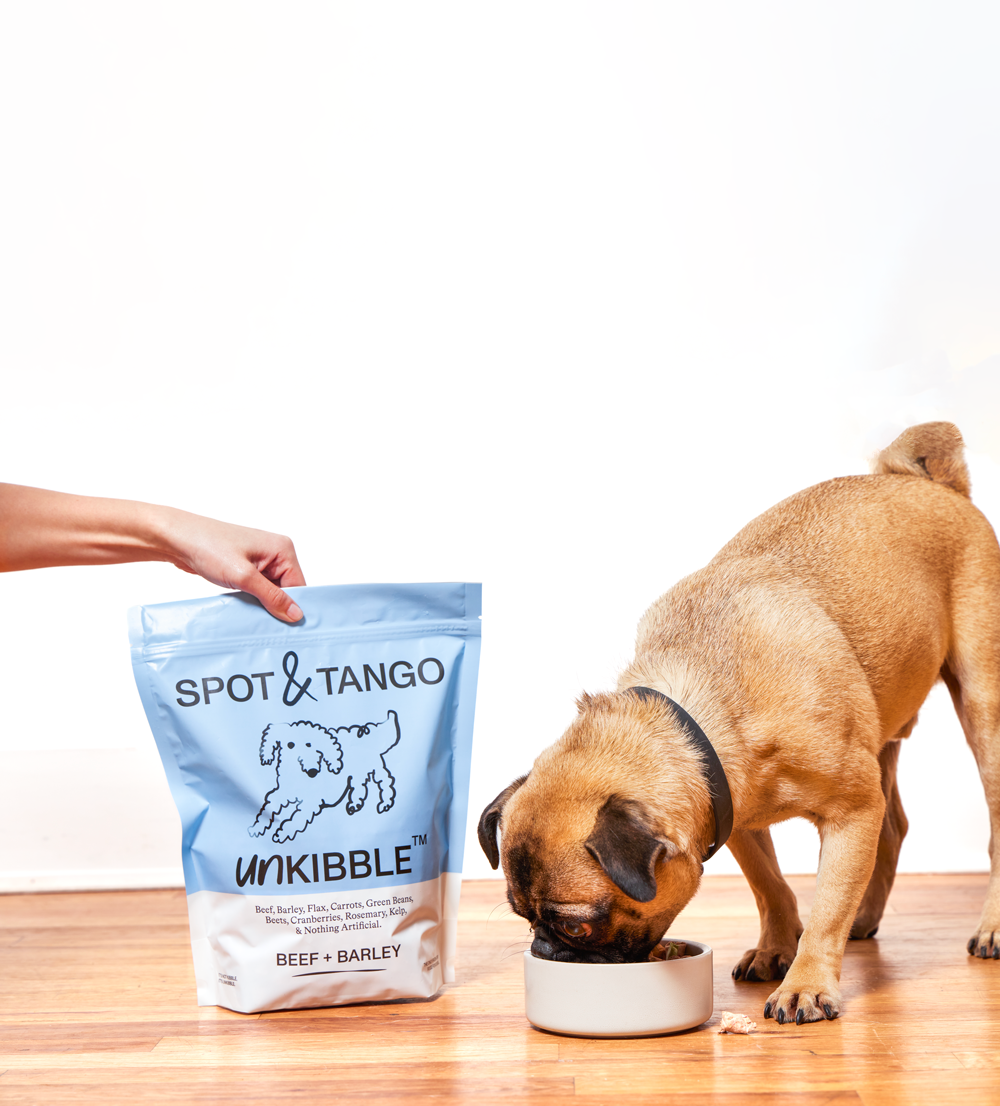
9.1Vet-formulated fresh trays and dehydrated UnKibble, portioned to the individual dog.
Recommendations are chosen by the Dr Murphies veterinary review board. Some links are affiliate links and we may earn a commission; this never affects our scoring, and brands do not see our copy before publication.
Dr Elise Murphy, BVSc (Hons)
Editor-in-chief