Screening
Annual Bloodwork: What Each Value Is Telling You
A standard wellness blood panel combines a complete blood count and a serum biochemistry profile, together screening organ function long before clinical signs appear.
By Dr Noor Haddad, DVM, DACVD
6 April 2026
4 min read

Medically reviewed
Reviewed by Dr Mariana Oliveira, DVM, DACVN of the Dr Murphies Veterinary Review Board. Reviewed content is checked against current consensus guidance before publication.
A standard wellness blood panel combines a complete blood count and a serum biochemistry profile, together screening organ function long before clinical signs appear. Reading the report in isolation from trends over previous years, however, misses much of its value.
The Complete Blood Count Explained
The complete blood count reports red cell counts, haemoglobin and haematocrit to assess anaemia, alongside white cell counts and differentials that can indicate infection, inflammation or, in some patterns, bone marrow disease. Platelet counts flag clotting risk before a bleeding episode occurs.
The biochemistry panel measures substances released or cleared by specific organs: ALT and ALP for liver, creatinine and SDMA for kidney function, and albumin and globulin ratios that can suggest chronic inflammation or protein loss. SDMA in particular can rise before creatinine in early chronic kidney disease in cats and dogs.
Kidney and Liver Values on the Biochemistry Panel
- Increased thirst and urination that may reflect early kidney or endocrine change
- Unexplained weight loss despite a normal or increased appetite
- Pale gums suggesting anaemia not yet obvious on physical exam
- Lethargy or exercise intolerance with no other apparent cause
- Yellowing of the gums or eyes indicating possible liver dysfunction
None of these signs confirm a specific diagnosis on their own, which is exactly why annual bloodwork matters: many organ changes described above produce vague signs, or none at all, until seventy per cent or more of kidney function is already lost.
Electrolytes, Glucose and Thyroid
Interpretation depends on comparing the current result against the reference range for species, age and breed, since sighthounds and some other breeds have naturally different baseline red cell counts, and juvenile animals show different alkaline phosphatase levels than adults.
A single abnormal value is often less meaningful than a trend across two or three annual panels; a creatinine climbing within the normal range year on year can indicate early kidney decline well before a single result would be flagged as abnormal.
Why Trends Matter More Than One Result
Bloodwork itself is not a treatment, but it directs what happens next.
- Repeat concerning values within two to four weeks to confirm rather than react to one panel
- Pair biochemistry with a urinalysis when kidney values are borderline or rising
- Request breed-specific or age-specific reference ranges where relevant, such as in sighthounds
- Keep prior years' results for direct comparison rather than isolated annual snapshots
When Follow-Up Testing Is Needed
For middle-aged and senior pets, twice-yearly bloodwork is increasingly recommended over once yearly, since disease progression in an eight- or nine-year-old animal can outpace a twelve-month testing interval.
Fasting for eight to twelve hours before the blood draw improves accuracy for glucose and lipid values; water should still be available, and this should be confirmed with the clinic beforehand for any pet on medication.
When to seek help urgently
- Sudden marked increase in thirst and urination alongside lethargy
- Yellow tinge to gums, skin or the whites of the eyes
- Pale or white gums at any age
- A bloodwork result flagged as critical by the laboratory rather than simply abnormal
This is a general guide to what routine panels assess; only your own veterinarian, who has your pet's history and reference ranges, can properly interpret an individual result.
Vet-recommended
Products our review board rates for this

Lemonade Pet Insurance
9.4The lowest premiums in the category, with claims paid in minutes rather than weeks.
Dial A Vet
9.0A global team of 250+ vets and vet techs on Zoom in under fifteen minutes, flat fee.
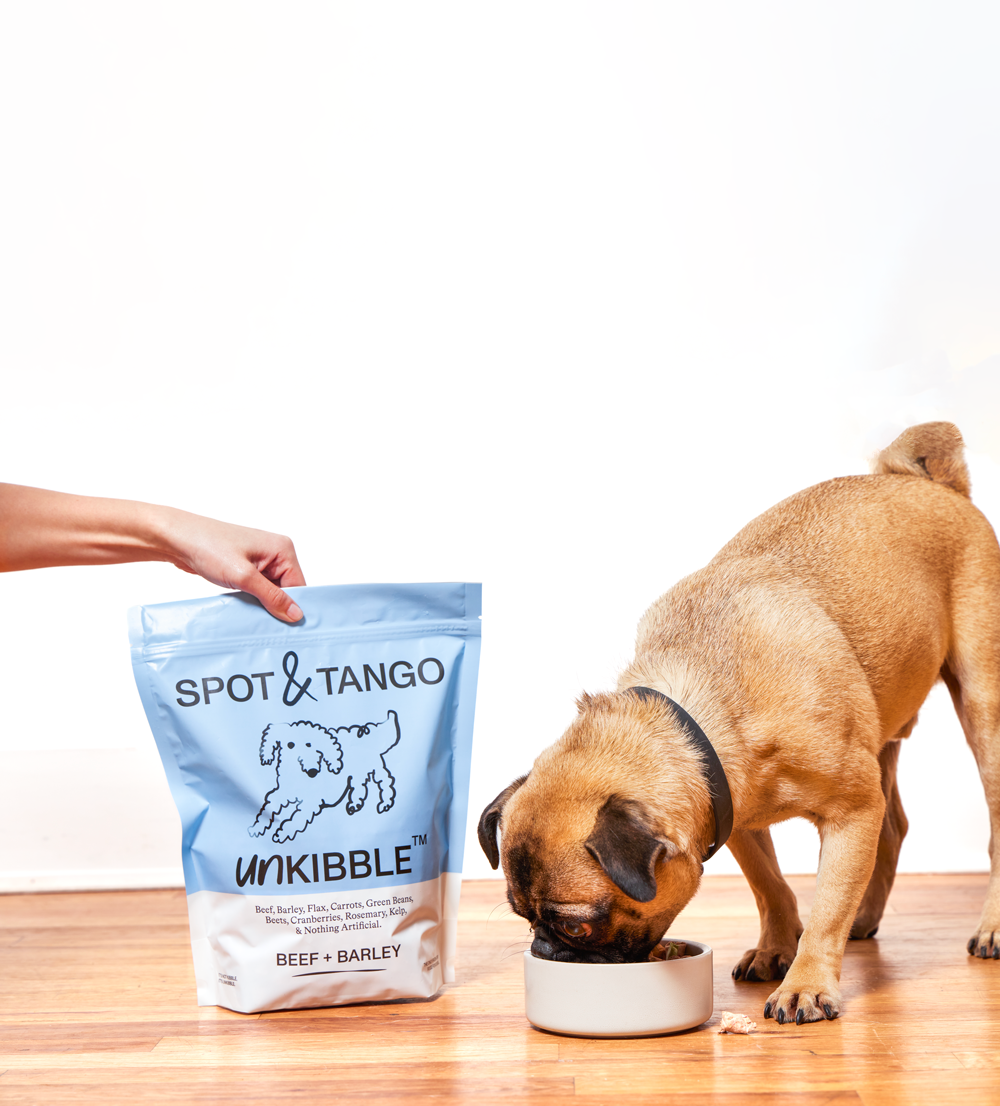
Spot & Tango
9.1Vet-formulated fresh trays and dehydrated UnKibble, portioned to the individual dog.
Recommendations are chosen by the Dr Murphies veterinary review board. Some links are affiliate links and we may earn a commission; this never affects our scoring, and brands do not see our copy before publication.
Dr Noor Haddad, DVM, DACVD
Veterinary dermatologist