The 2026 List
The 15 Best Cat Breeds of 2026
From the unbeatable domestic shorthair to the breeds worth thinking twice about, fifteen cats assessed on temperament and health.
By Dr Elise Murphy, BVSc (Hons)
20 August 2026
14 min read
Medically reviewed
Reviewed by Dr Noor Haddad, DVM, DACVD of the Dr Murphies Veterinary Review Board. Reviewed content is checked against current consensus guidance before publication.
Cats are not small dogs, and choosing one is not the same exercise. Coat length and colour matter far less than tolerance for handling, sociability with other animals and how well the breed copes with being left alone during a working day.
The fifteen below span the placid to the frankly demanding, and one appears specifically so we can explain why our review board does not recommend it. Where a breed carries a well-characterised inherited disease, we have said so and named the screening test to ask about.
How we ranked them
Each breed was assessed for temperament and handling tolerance, suitability for indoor or contained living, grooming demand, and inherited disease burden as documented in breed health schemes and feline cardiology literature. Availability of genetic screening counted in a breed's favour. Where a defining physical trait causes lifelong pain, that outweighed every other quality.
Domestic Shorthair
The moggy remains the healthiest cat you can bring home. Without a closed gene pool, the domestic shorthair avoids most of the inherited conditions that shadow pedigree breeds, and shelters can usually tell you how an adult behaves around children, dogs and handling. Coat care is a weekly brush. The only real variable is personality, and that is observable before you adopt.
Breed Overview
- Origin
- Everywhere
- Weight
- 3.5 to 5.5 kg
- Temperament
- Varies widely; assess the individual
- Energy level
- Moderate
- Coat
- Short; every colour and pattern
- Grooming
- Weekly brushing
- Life span
- 13 to 17 years
- Watch for
- Obesity, dental disease, chronic kidney disease with age
Ragdoll
Named for the tendency to go limp when lifted, the Ragdoll is the archetypal indoor companion: large, placid and unusually tolerant of being carried. The semi-long coat lacks a heavy undercoat, so twice-weekly combing is generally enough. Responsible breeders screen for the two HCM mutations known in the breed, and echocardiography every one to two years is worth the cost.
Breed Overview
- Origin
- United States
- Weight
- 4.5 to 9 kg
- Temperament
- Docile, affectionate, people-oriented
- Energy level
- Low to moderate
- Coat
- Semi-long, silky; colourpoint, mitted, bicolour
- Grooming
- Twice weekly
- Life span
- 12 to 17 years
- Watch for
- Hypertrophic cardiomyopathy, urinary tract disease
Maine Coon
The gentle giant of the cat world, slow to mature and slower still to lose its kittenish play. A Maine Coon will use vertical space seriously, so tall furniture is not decoration but housing. Ask breeders for MyBPC3 HCM testing, hip scores and SMA status — this is a breed where paperwork genuinely predicts outcomes.
Breed Overview
- Origin
- United States
- Weight
- 5 to 11 kg
- Temperament
- Sociable, chirpy, unhurried
- Energy level
- Moderate
- Coat
- Long, shaggy, water-resistant
- Grooming
- Two to three times weekly
- Life span
- 10 to 15 years
- Watch for
- Hypertrophic cardiomyopathy, hip dysplasia, spinal muscular atrophy
Siamese
Loud, opinionated and closely bonded to one or two people. Siamese cats form genuine attachments and protest absence vocally, which makes them poor choices for households empty twelve hours a day. Modern breeding has moderated the extreme wedge head in many lines. Expect a talkative shadow, and provide a second cat if you work away.
Breed Overview
- Origin
- Thailand
- Weight
- 3 to 5.5 kg
- Temperament
- Vocal, demanding, deeply attached
- Energy level
- High
- Coat
- Short and fine; seal, chocolate, blue, lilac point
- Grooming
- Weekly
- Life span
- 12 to 20 years
- Watch for
- Asthma, amyloidosis, progressive retinal atrophy, separation distress
British Shorthair
Dense, round and undemonstrative in the best way. The British Shorthair tolerates solitude better than most pedigree cats and rarely climbs curtains. The plush coat needs weekly work during moult. Because the breed gains weight quietly under all that fur, measure food by weight rather than by eye and score body condition monthly.
Breed Overview
- Origin
- United Kingdom
- Weight
- 4 to 8 kg
- Temperament
- Calm, undemanding, dignified
- Energy level
- Low
- Coat
- Short and plush; blue most iconic
- Grooming
- Weekly, more during moult
- Life span
- 12 to 17 years
- Watch for
- Obesity, hypertrophic cardiomyopathy, polycystic kidney disease
Burmese
Solid, warm and startlingly interactive — Burmese cats behave more like small dogs than like typical felines, following owners between rooms and greeting visitors. They stay playful into old age. Diabetes mellitus is over-represented, particularly in Australian and European lines, so lean body condition and a low-carbohydrate diet are genuinely preventive here.
Breed Overview
- Origin
- Burma / Thailand
- Weight
- 3.5 to 6 kg
- Temperament
- Outgoing, affectionate, playful
- Energy level
- High
- Coat
- Short, satin; sable, champagne, blue, platinum
- Grooming
- Weekly
- Life span
- 14 to 18 years
- Watch for
- Diabetes mellitus, hypokalaemia, flat-chested kitten syndrome
Norwegian Forest Cat
A working farm cat from Scandinavia with a waterproof topcoat and a temperament to match — independent, unbothered, quietly affectionate. Wegies enjoy outdoor access or a secure catio more than most breeds. The undercoat sheds heavily in spring; a slicker comb twice weekly through that period prevents the mats that otherwise need clipping.
Breed Overview
- Origin
- Norway
- Weight
- 4 to 9 kg
- Temperament
- Independent, gentle, adventurous
- Energy level
- Moderate to high
- Coat
- Long, double, water-resistant
- Grooming
- Twice weekly; daily in moult
- Life span
- 12 to 16 years
- Watch for
- Glycogen storage disease IV, HCM, hip dysplasia
Abyssinian
Lean, ticked and perpetually in motion. Abyssinians investigate everything, open cupboards and rarely sit still long enough to be a lap cat. They suit households that want to watch a cat be a cat. Provide climbing height and puzzle feeders; a bored Aby redecorates. Screen breeding lines for pyruvate kinase deficiency and retinal degeneration.
Breed Overview
- Origin
- Ethiopia / Southeast Asia
- Weight
- 3 to 5 kg
- Temperament
- Curious, busy, athletic
- Energy level
- Very high
- Coat
- Short, ticked; ruddy, red, blue, fawn
- Grooming
- Weekly
- Life span
- 12 to 15 years
- Watch for
- Pyruvate kinase deficiency, progressive retinal atrophy, gingivitis
Russian Blue
Reserved with strangers, devoted at home. The Russian Blue is a quiet, routine-loving cat that dislikes household upheaval and thrives with predictable feeding and handling. The dense double coat is easy to maintain and sheds modestly. Often recommended to allergy-prone households — anecdotally better tolerated, though no cat is truly hypoallergenic.
Breed Overview
- Origin
- Russia
- Weight
- 3 to 5.5 kg
- Temperament
- Reserved, loyal, gentle
- Energy level
- Moderate
- Coat
- Short, dense, blue with silver tipping
- Grooming
- Weekly
- Life span
- 15 to 20 years
- Watch for
- Obesity, urinary tract disease, stress sensitivity
Bengal
The most demanding cat on this list. Bengals are athletic, water-loving and relentlessly intelligent, and they need training, leash walks or a large catio to stay civil indoors. They are not a beginner's cat and are restricted or licensed in some jurisdictions — check local law before enquiring. Buy from breeders at least four generations from the Asian leopard cat.
Breed Overview
- Origin
- United States
- Weight
- 4 to 7 kg
- Temperament
- Energetic, vocal, highly intelligent
- Energy level
- Very high
- Coat
- Short, spotted or marbled rosettes
- Grooming
- Weekly
- Life span
- 12 to 16 years
- Watch for
- HCM, PRA-b, pyruvate kinase deficiency, legal restrictions
Scottish Fold
We include the Fold to advise against it. The folded ear is caused by a dominant cartilage mutation that also affects cartilage throughout the skeleton; osteochondrodysplasia produces painful arthritis in affected cats, sometimes from a young age. Several veterinary bodies oppose continued breeding. If you already share your home with one, discuss long-term analgesia early rather than late.
Breed Overview
- Origin
- Scotland
- Weight
- 3 to 6 kg
- Temperament
- Sweet, placid, quiet
- Energy level
- Low to moderate
- Coat
- Short or long; many colours
- Grooming
- Weekly
- Life span
- 11 to 15 years
- Watch for
- Osteochondrodysplasia — a welfare concern in all folded-ear cats
Sphynx
Hairless does not mean maintenance-free. Without a coat to wick sebum, Sphynx cats need weekly bathing, regular ear cleaning and nail-fold care, plus jumpers and warm bedding in cool climates. In exchange you get one of the most affectionate, attention-seeking cats alive. HCM screening by echocardiogram should be annual, not occasional.
Breed Overview
- Origin
- Canada
- Weight
- 3 to 5.5 kg
- Temperament
- Extroverted, cuddly, mischievous
- Energy level
- High
- Coat
- Hairless with fine down; skin in all colours
- Grooming
- Weekly bathing and ear cleaning
- Life span
- 9 to 15 years
- Watch for
- HCM, skin oil build-up, cold intolerance, sunburn
Devon Rex
A pixie-faced cat with soft wavy fur and a genius for finding the warmest spot in any room — usually a shoulder. Devons are people-obsessed and remain playful for life. The sparse coat sheds little but is fragile, so brushing should be light and infrequent; over-grooming causes bald patches rather than shine.
Breed Overview
- Origin
- United Kingdom
- Weight
- 2.5 to 4.5 kg
- Temperament
- Impish, sociable, heat-seeking
- Energy level
- High
- Coat
- Short, soft, wavy
- Grooming
- Occasional gentle wiping
- Life span
- 12 to 16 years
- Watch for
- Hereditary myopathy, patellar luxation, HCM
Tonkinese
The Siamese-Burmese cross that inherited the best of both: talkative but not shrill, affectionate but not clingy. Tonkinese cats fetch, learn names and use height enthusiastically. They do poorly alone, so many breeders will only rehome in pairs — sensible advice worth following even when it is not enforced.
Breed Overview
- Origin
- Canada / United States
- Weight
- 3 to 5.5 kg
- Temperament
- Chatty, warm, engaged
- Energy level
- High
- Coat
- Short, close-lying; mink, solid, point
- Grooming
- Weekly
- Life span
- 13 to 18 years
- Watch for
- Gingivitis, asthma, separation distress
Senior Rescue Cat
The category shelters struggle hardest to place, and the one that most often suits a quiet household. Cats over eight are typically litter-trained, socially settled and content with a warm bed and a window. Expect an established medical picture rather than an unknown one: baseline bloods, blood pressure and a dental assessment in the first month, then six-monthly checks.
Breed Overview
- Origin
- Your local shelter
- Weight
- Varies
- Temperament
- Settled and already known
- Energy level
- Low
- Coat
- Varies
- Grooming
- Assist with grooming as arthritis limits flexibility
- Life span
- Often five to eight further years
- Watch for
- Chronic kidney disease, hyperthyroidism, arthritis, dental disease
The last word
The best cat for most homes is still the adult shorthair already sitting in a shelter pen with a known personality and no closed gene pool behind it. If a pedigree is the plan, buy the health testing rather than the look — the paperwork is the part you will still care about in ten years.
Vet-recommended
Products our review board rates for this
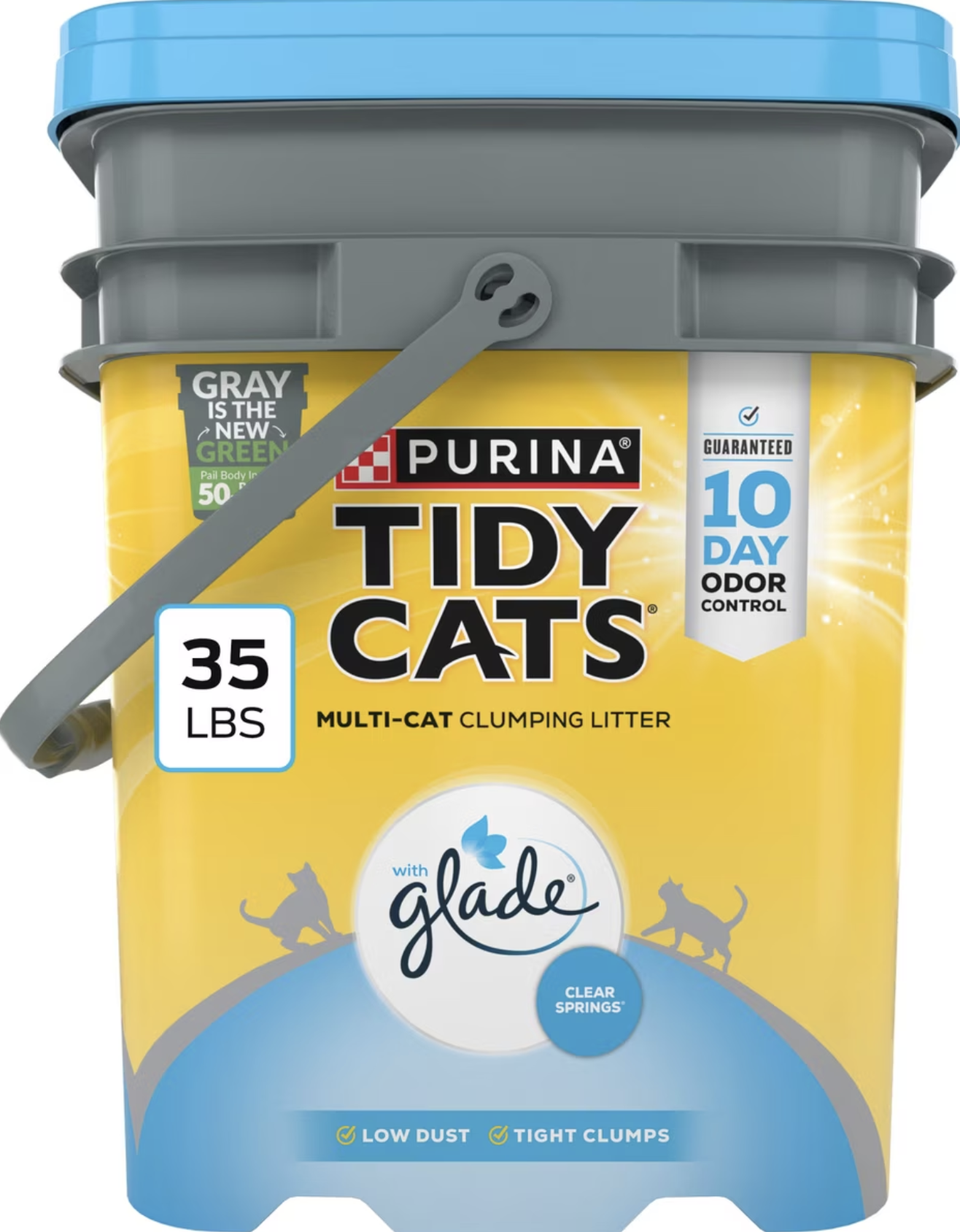
Tidy Cats Glade Clear Springs
7.9Tight clumps, low dust and a ten-day odour guarantee in a 35-lb multi-cat pail.

Lemonade Pet Insurance
9.4The lowest premiums in the category, with claims paid in minutes rather than weeks.
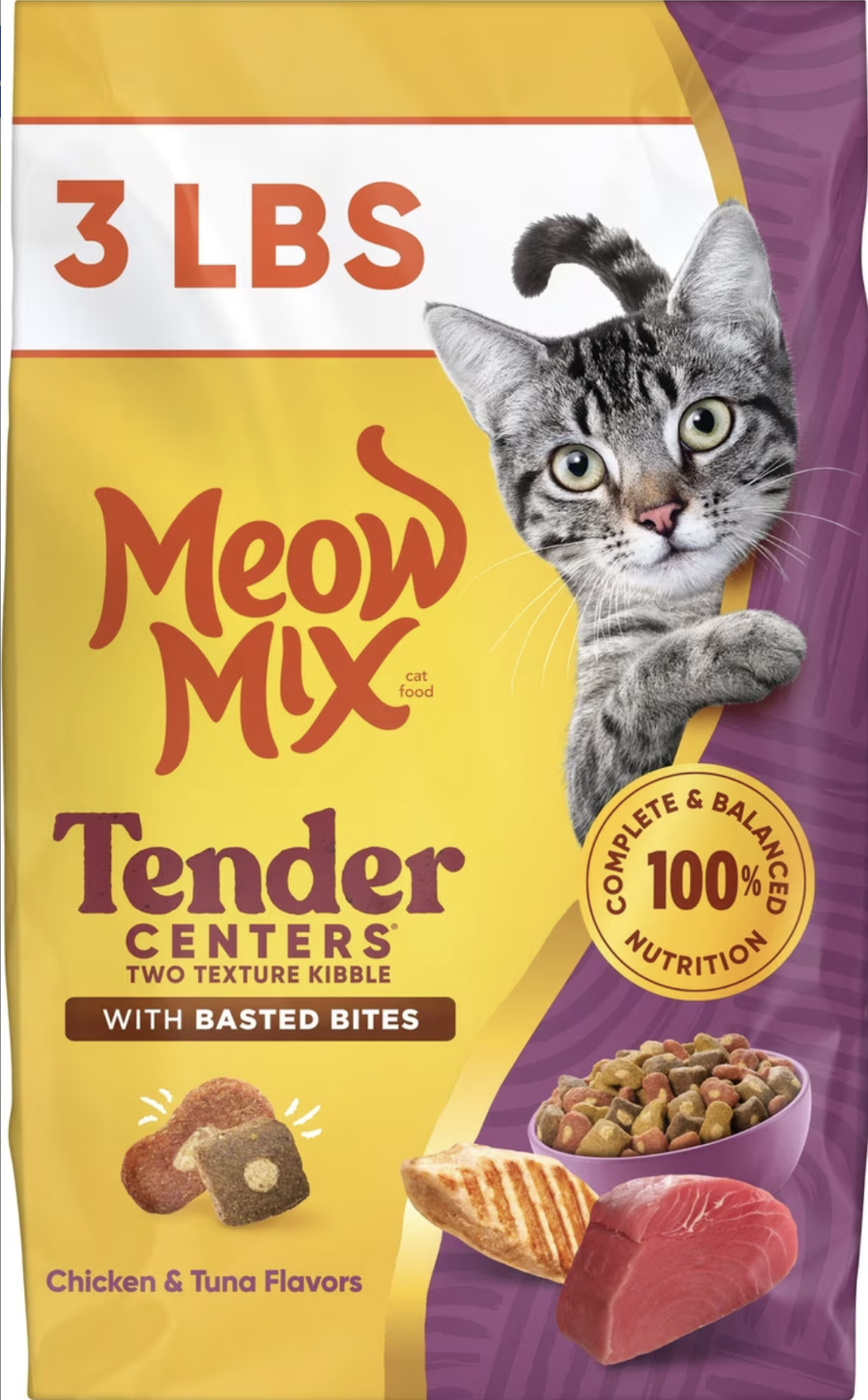
Meow Mix Tender Centers
6.4Crunchy outside, soft centre, chicken and tuna flavoured — the palatability play.
Recommendations are chosen by the Dr Murphies veterinary review board. Some links are affiliate links and we may earn a commission; this never affects our scoring, and brands do not see our copy before publication.
Dr Elise Murphy, BVSc (Hons)
Editor-in-chief