Urology
Feline Lower Urinary Tract Disease: A Blocked Cat Is an Emergency
Feline lower urinary tract disease (FLUTD) is an umbrella term covering idiopathic cystitis, bladder stones and, most dangerously, urethral obstruction in male cats.
By Dr Callum Wright, BVSc, MANZCVS
29 June 2026
4 min read
Medically reviewed
Reviewed by Dr Noor Haddad, DVM, DACVD of the Dr Murphies Veterinary Review Board. Reviewed content is checked against current consensus guidance before publication.
Feline lower urinary tract disease (FLUTD) is an umbrella term covering idiopathic cystitis, bladder stones and, most dangerously, urethral obstruction in male cats. A tomcat straining unproductively in the litter tray is not constipated — he is likely blocked, and this is one of the few true feline emergencies. Untreated, it kills within 24 to 72 hours through hyperkalaemia and bladder rupture.
Why Male Anatomy Matters
The male cat's urethra narrows dramatically as it passes through the os penis, turning a small plug of struvite crystals, mucus and inflammatory debris into a complete obstruction. Female cats have a shorter, wider urethra and almost never block, though they suffer the same underlying cystitis.
Once urine cannot exit, the bladder distends and back-pressure rises through the ureters to the kidneys within hours. Potassium that would normally be excreted accumulates in the blood, slowing the heart and eventually causing fatal arrhythmias — the reason a blocked cat can die before the bladder itself ruptures.
The Chemistry of a Blocked Bladder
- Repeated trips to the litter tray with little or no urine produced
- Vocalising or crying while attempting to urinate
- Licking excessively at the genital area
- Lethargy progressing to collapse within a day of onset
- A hard, painful, grapefruit-sized bladder felt on the abdomen
Owners frequently mistake straining for constipation and wait, which is the single most dangerous delay in feline medicine; any male cat straining without producing urine needs same-day veterinary assessment, not a wait-and-see approach.
Recognising the Emergency
Vets confirm obstruction by palpating a firm, non-expressible bladder and attempting to pass a urinary catheter. Blood work measuring potassium and creatinine determines how critical the case is before anaesthesia is attempted, since a heart already slowed by hyperkalaemia tolerates sedation poorly.
An ECG may be run in severe cases to check for the tented T-waves and flattened P-waves characteristic of dangerous potassium levels. Abdominal radiographs or ultrasound help identify radiopaque struvite stones versus urethral plugs of matrix and crystals as the cause.
Confirming the Diagnosis
Emergency management centres on relieving the obstruction, stabilising the heart, and then addressing whatever combination of stress, diet and stones caused it.
- IV fluids and, if needed, calcium gluconate or insulin/dextrose to protect the heart from potassium
- Sedation and urinary catheterisation to relieve the obstruction and flush the bladder
- An indwelling catheter for 24 to 48 hours while bladder wall inflammation settles
- Transition to a therapeutic urinary diet formulated to reduce crystal formation and dilute urine
Unblocking and Preventing Recurrence
Cats who have blocked once face a real risk of recurrence, so long-term management matters as much as the crisis itself. A wet, therapeutic urinary diet, multiple clean water sources, and reduced litter-tray competition in multi-cat households all lower the odds of another episode of idiopathic cystitis.
In cats that reblock despite management, perineal urethrostomy surgery widens the urethral opening permanently and is genuinely curative for the obstruction risk, though it does not treat underlying bladder inflammation.
When to seek help urgently
- No urine produced despite repeated attempts to urinate for over six hours
- Vocalising in pain, hiding, or collapsing suddenly
- A visibly swollen, hard lower abdomen
- Vomiting combined with straining, suggesting advanced toxin build-up
FLUTD ranges from a manageable inflammatory condition to a same-day surgical emergency, and only your own vet can tell which one they are looking at, so treat any straining tomcat as urgent until proven otherwise.
Vet-recommended
Products our review board rates for this
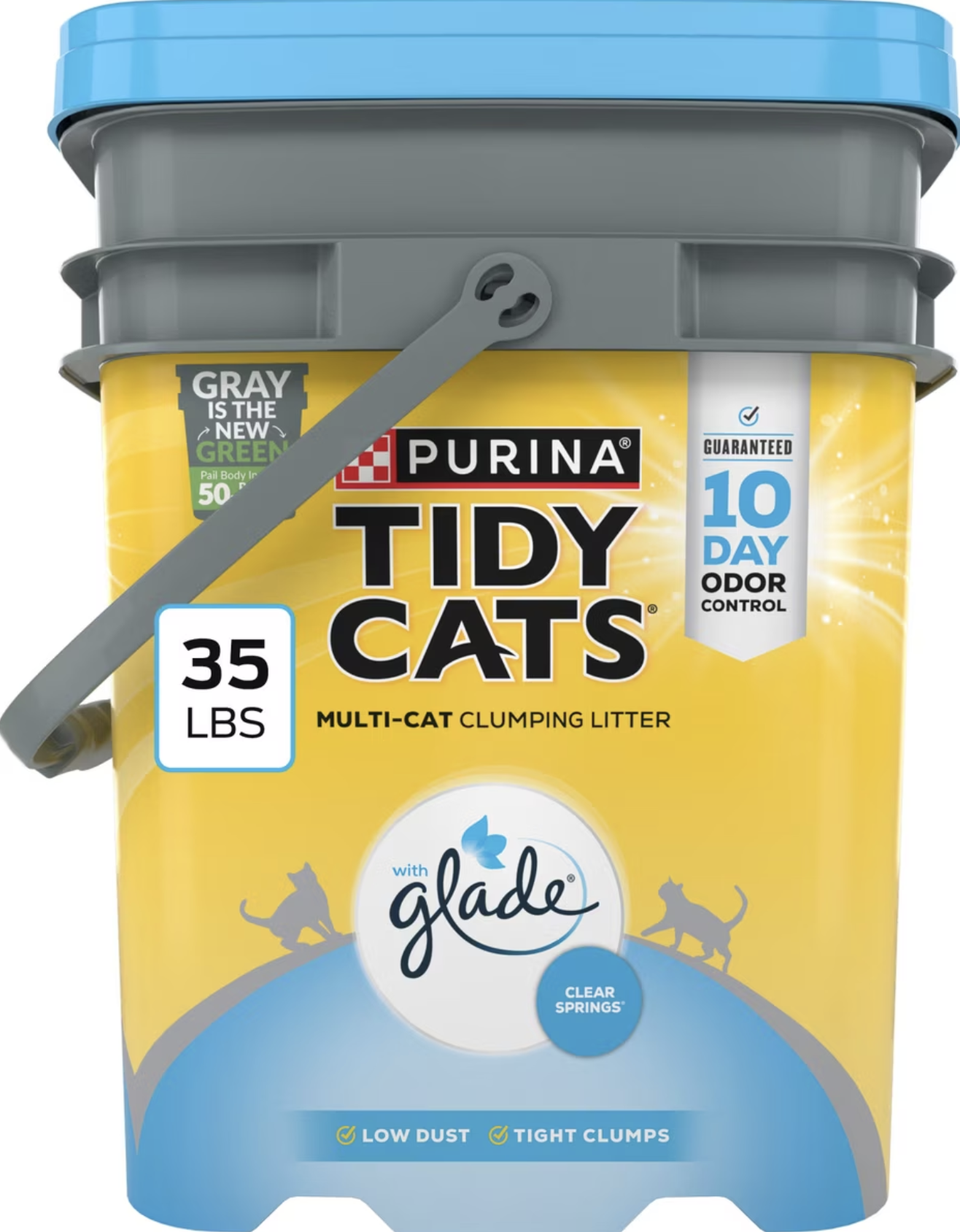
Tidy Cats Glade Clear Springs
7.9Tight clumps, low dust and a ten-day odour guarantee in a 35-lb multi-cat pail.

Lemonade Pet Insurance
9.4The lowest premiums in the category, with claims paid in minutes rather than weeks.
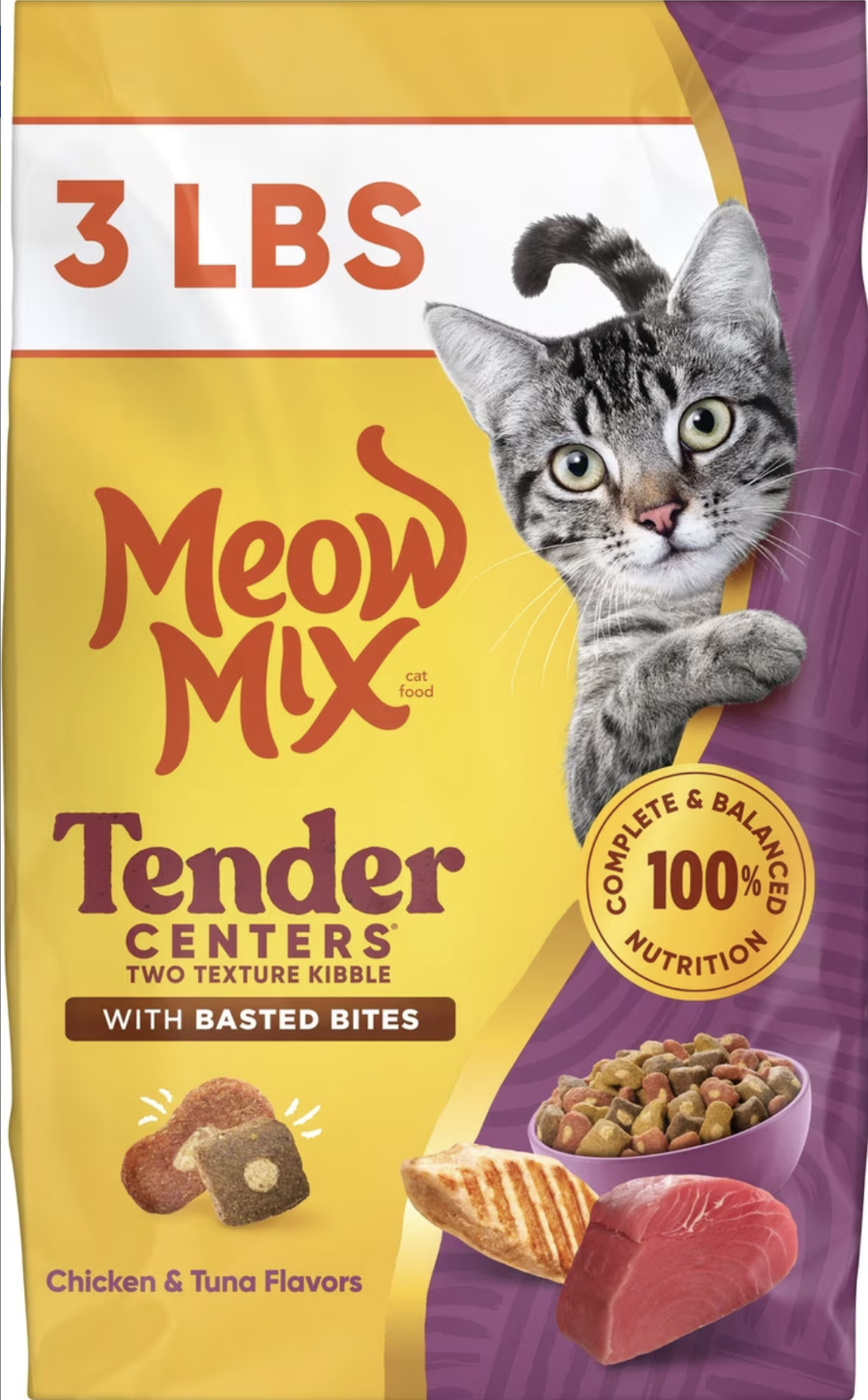
Meow Mix Tender Centers
6.4Crunchy outside, soft centre, chicken and tuna flavoured — the palatability play.
Recommendations are chosen by the Dr Murphies veterinary review board. Some links are affiliate links and we may earn a commission; this never affects our scoring, and brands do not see our copy before publication.
Dr Callum Wright, BVSc, MANZCVS
Feline medicine practitioner