Nephrology
Chronic Kidney Disease in Cats: The Long Game
Chronic kidney disease (CKD) affects a large proportion of cats over the age of ten as nephrons gradually and irreversibly scar.
By Dr Aisha Bello, BVetMed
23 July 2026
4 min read

Medically reviewed
Reviewed by Dr Samuel Adeyemi, DVM, DACVIM of the Dr Murphies Veterinary Review Board. Reviewed content is checked against current consensus guidance before publication.
Chronic kidney disease (CKD) affects a large proportion of cats over the age of ten as nephrons gradually and irreversibly scar. Because cats can lose roughly two-thirds of kidney function before blood tests show obvious abnormality, the disease is usually well established by the time it is diagnosed. Managed well, though, many cats live comfortably for years afterward.
The Slow Loss of Nephrons
Each kidney contains roughly 200,000 nephrons, and CKD is a story of their gradual replacement by scar tissue, often triggered by age-related degeneration, chronic hypertension or earlier bouts of acute injury. As functioning nephrons decline, the remaining ones compensate by filtering more, a strategy that works until it doesn't.
Once compensation fails, the kidneys can no longer concentrate urine or clear waste products such as urea and phosphate efficiently. This drives the classic triad of increased thirst, dilute urine and rising blood toxins, alongside secondary problems like hypertension and low potassium that further stress the remaining tissue.
Why Thirst and Weight Loss Come Late
- Increased water consumption and correspondingly larger, more dilute urine output
- Gradual weight loss despite an unchanged or increased appetite
- A dull, unkempt coat from reduced grooming
- Intermittent vomiting, particularly in more advanced stages
- Bad breath with a distinct ammonia-like odour
Because these signs creep in over months, owners often attribute them to normal ageing; a simple annual blood and urine screen from age seven catches the disease at IRIS Stage 1 or 2, long before symptoms like weight loss appear.
Staging the Disease with SDMA and Creatinine
Diagnosis combines blood creatinine and the newer SDMA marker, which rises earlier and more reliably reflects kidney function, with a urinalysis to check specific gravity and screen for protein loss. The International Renal Interest Society (IRIS) staging system uses these values to classify severity from Stage 1 through Stage 4.
Blood pressure measurement is essential, since hypertension is both a cause and consequence of CKD and, if missed, silently damages the retina and heart. Urine protein-to-creatinine ratio further refines prognosis, as proteinuric cats generally progress faster.
Blood and Urine Testing in Practice
There is no cure for established CKD, so treatment focuses on slowing progression, correcting complications and preserving quality of life for as long as possible.
- A renal therapeutic diet restricted in phosphate and moderate in high-quality protein
- Phosphate binders such as aluminium hydroxide added to food if diet alone is insufficient
- Amlodipine for cats with confirmed hypertension to protect eyes, heart and kidneys
- Subcutaneous fluids given at home for cats in more advanced stages
Diet, Phosphate Binders and Monitoring
Cats in earlier stages often need little beyond diet change and six-monthly re-checks of bloods, blood pressure and body weight, since weight trends are one of the most sensitive indicators of change. Fresh water should be available in multiple locations, and wet food helps boost overall fluid intake.
As disease advances, appetite stimulants such as mirtazapine and anti-nausea medication like maropitant materially improve day-to-day comfort. Many cats tolerate at-home subcutaneous fluid administration well once owners are shown the technique, extending good-quality time considerably.
When to seek help urgently
- Sudden collapse, profound lethargy or repeated vomiting that prevents eating or drinking
- Rapid, unexplained weight loss over one to two weeks
- Signs of sudden blindness, which can indicate a hypertensive retinal event
- Complete loss of appetite lasting more than 24 hours
CKD is a marathon rather than a sprint, and the pace at which it progresses varies enormously between individual cats, so ongoing monitoring and dose adjustments with your own veterinary team make the real difference to outcome.
Vet-recommended
Products our review board rates for this
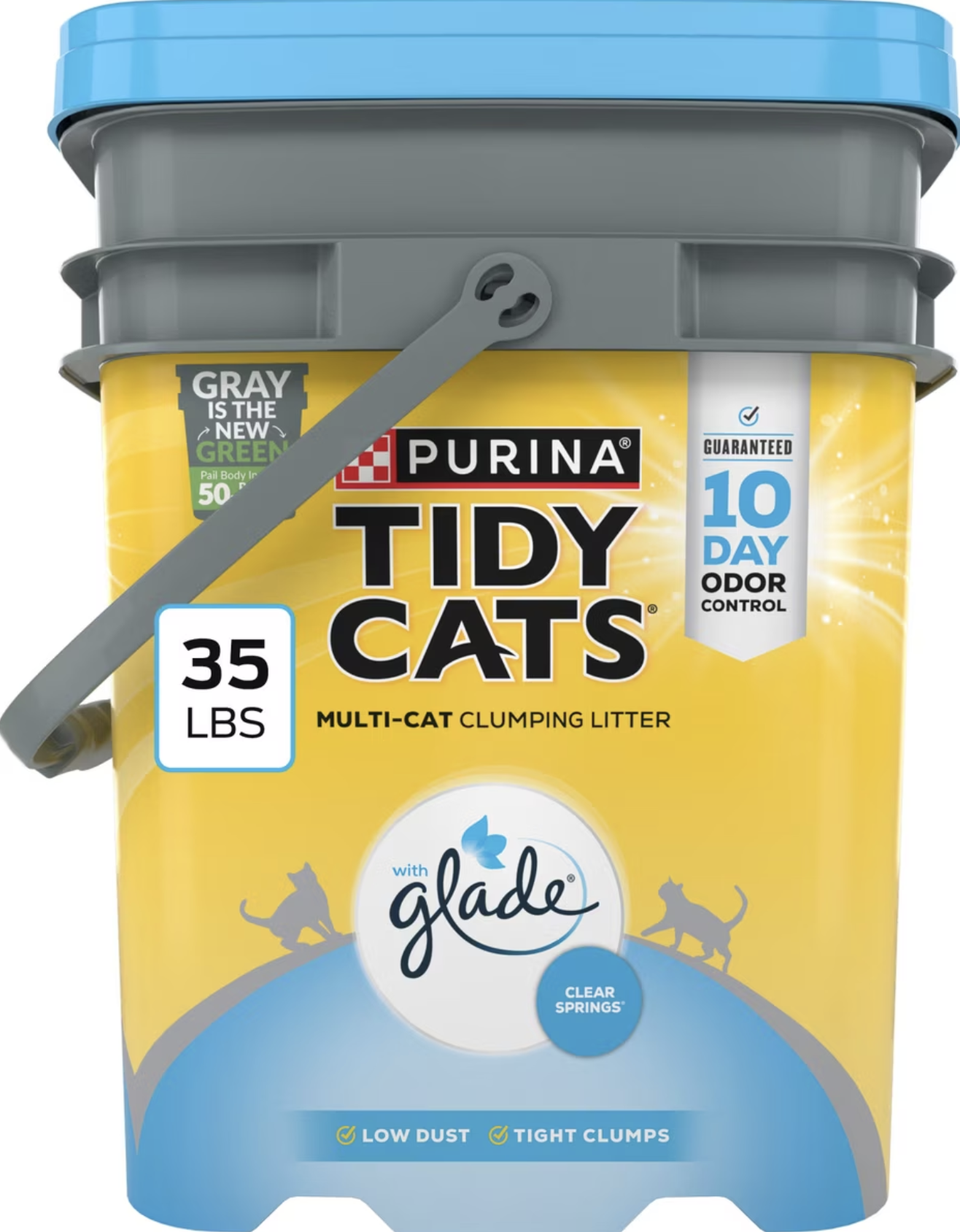
Tidy Cats Glade Clear Springs
7.9Tight clumps, low dust and a ten-day odour guarantee in a 35-lb multi-cat pail.

Lemonade Pet Insurance
9.4The lowest premiums in the category, with claims paid in minutes rather than weeks.
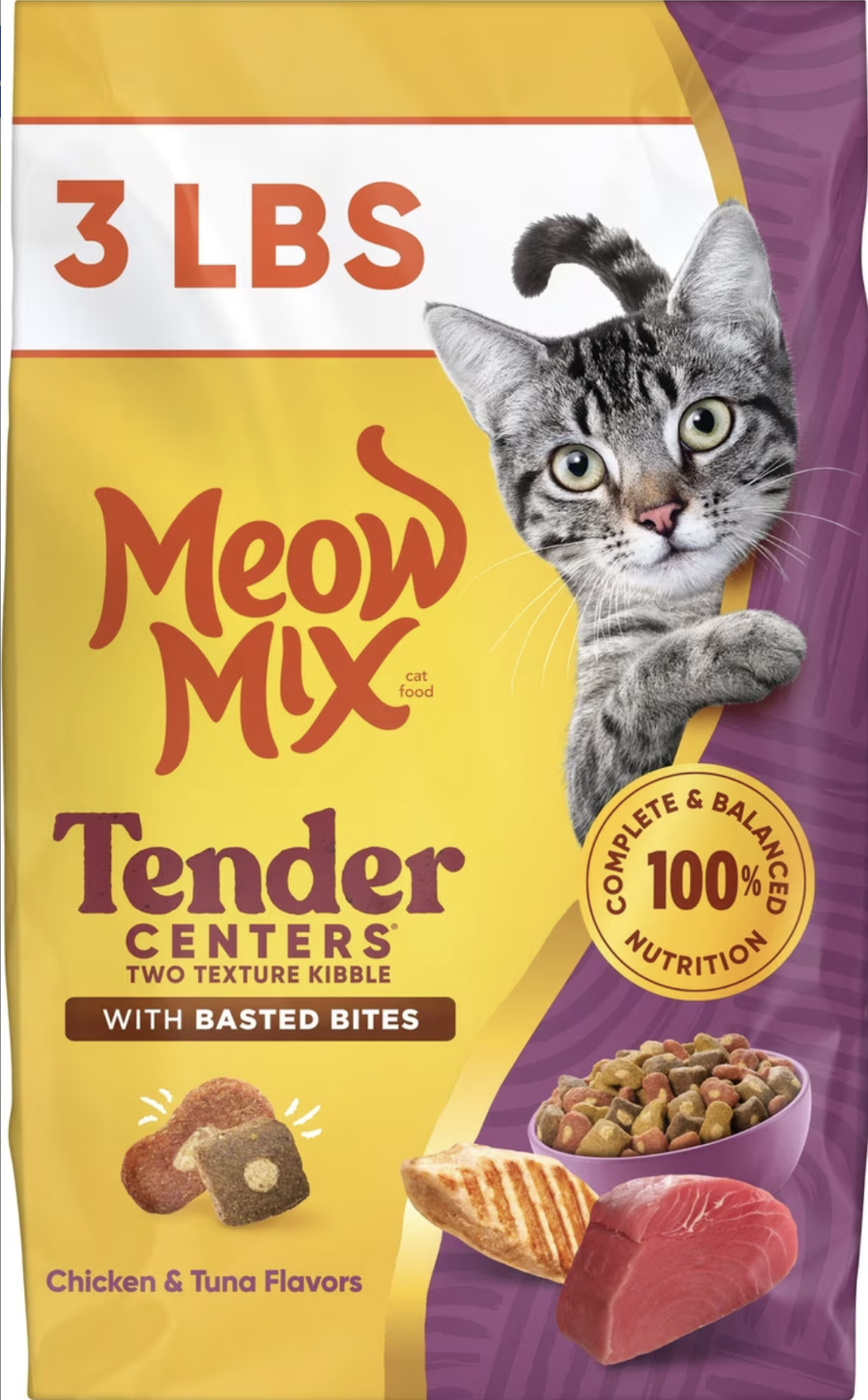
Meow Mix Tender Centers
6.4Crunchy outside, soft centre, chicken and tuna flavoured — the palatability play.
Recommendations are chosen by the Dr Murphies veterinary review board. Some links are affiliate links and we may earn a commission; this never affects our scoring, and brands do not see our copy before publication.
Dr Aisha Bello, BVetMed
Preventive care and shelter medicine