The Review
Tidy Cats with Glade Clear Springs Review: A Clinical Look at the 35-lb Multi-Cat Pail
Tight clumps, low dust and a ten-day odour guarantee — but a fragranced clay litter is one of the few household products a cat can genuinely object to. Our neutral assessment of the multi-cat pail.
By Dr Elise Murphy, BVSc (Hons)
20 August 2026
9 min read
Medically reviewed
Reviewed by Dr Noor Haddad, DVM, DACVD of the Dr Murphies Veterinary Review Board. Reviewed content is checked against current consensus guidance before publication.
Litter is the single most underrated variable in feline medicine. We see more house-soiling referrals caused by a litter change than by any behavioural pathology, and substrate preference is one of the few things a cat will tell you about clearly — by using the box, or not. So a scented clay clumping litter deserves a careful, unsentimental read rather than a star rating.
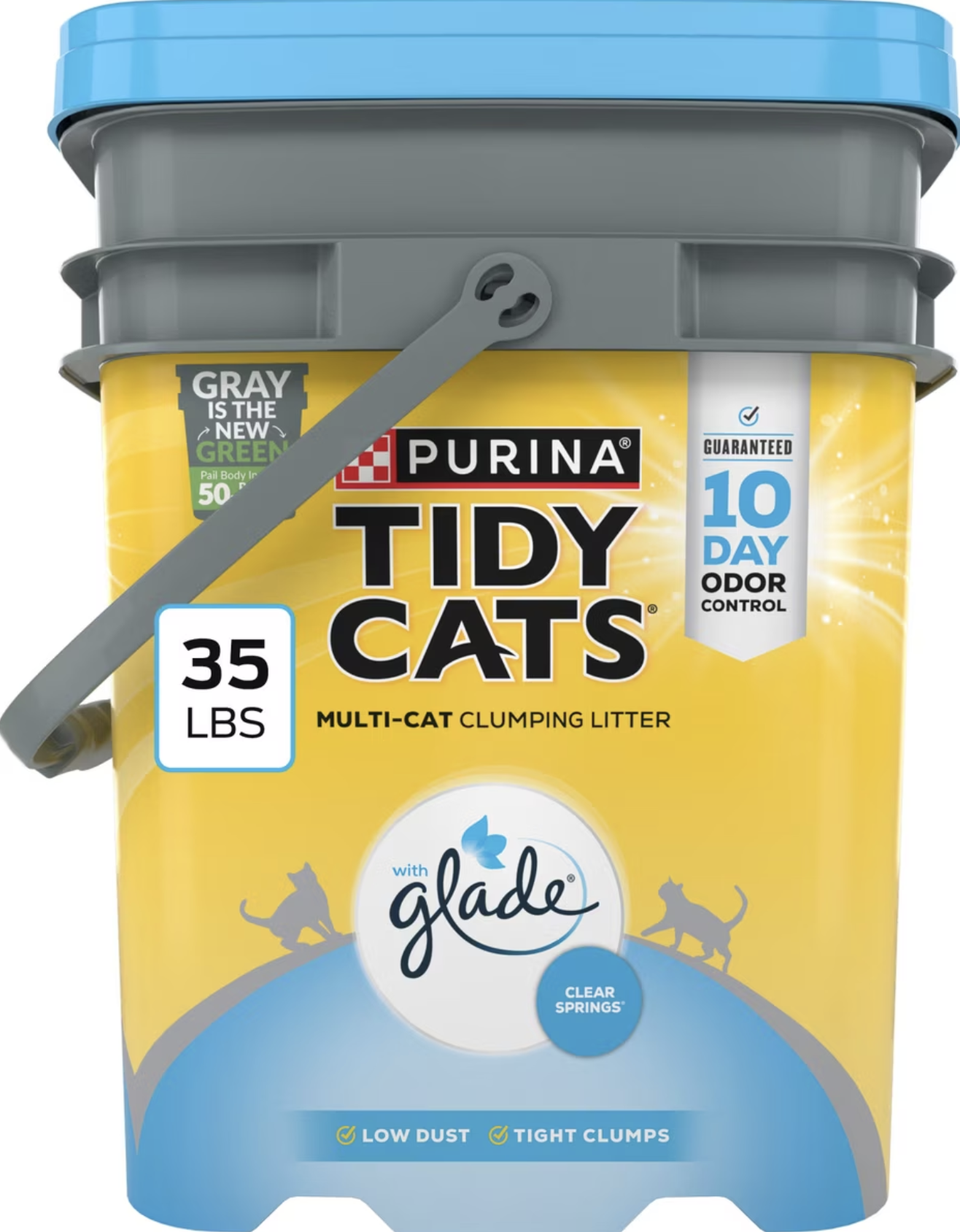
Purina's Tidy Cats with Glade Clear Springs is a multi-cat clumping clay litter sold in a 35-lb resealable pail. It promises guaranteed ten-day odour control, low dust and tight clumps, with the Glade fragrance system layered over a natural clay base.
What it is
- Sodium bentonite clumping clay litter with an added deodorising system.
- Formulated and marketed for multi-cat households, where ammonia load is highest.
- Guaranteed ten-day odour control when used as directed.
- Glade Clear Springs fragrance; low-dust and tight-clumping claims on pack.
- 35-lb resealable pail with a carry handle; pail body made with 50% recycled plastic.
- Not flushable, not compostable, not recommended for garden use.
Clumping and odour performance
Clay clumping litters work by mechanical encapsulation: sodium bentonite swells on contact with urine and binds it into a discrete mass you can lift out whole. Clump integrity is the metric that matters, because a clump that shatters on the scoop leaves saturated litter behind and the box smells regardless of what fragrance sits on top of it. This formula clumps firmly and lifts cleanly, which is the mechanically important part of the odour claim.
The ten-day guarantee is conditional on the phrase 'when used as directed' — meaning solids removed daily and depth maintained. In practice, odour control in any box is roughly ninety per cent scooping frequency and ten per cent product. A fragranced litter that is scooped every second day will smell worse than an unscented one scooped twice daily, every time.
Dust is the second performance axis, and it matters clinically. Respirable clay dust is an airway irritant for cats with asthma or chronic bronchitis, and for people with reactive airways. This litter is meaningfully lower in dust than bargain clay, but no clay litter is dust-free. Pour slowly and low into the box rather than tipping from height.
The fragrance question
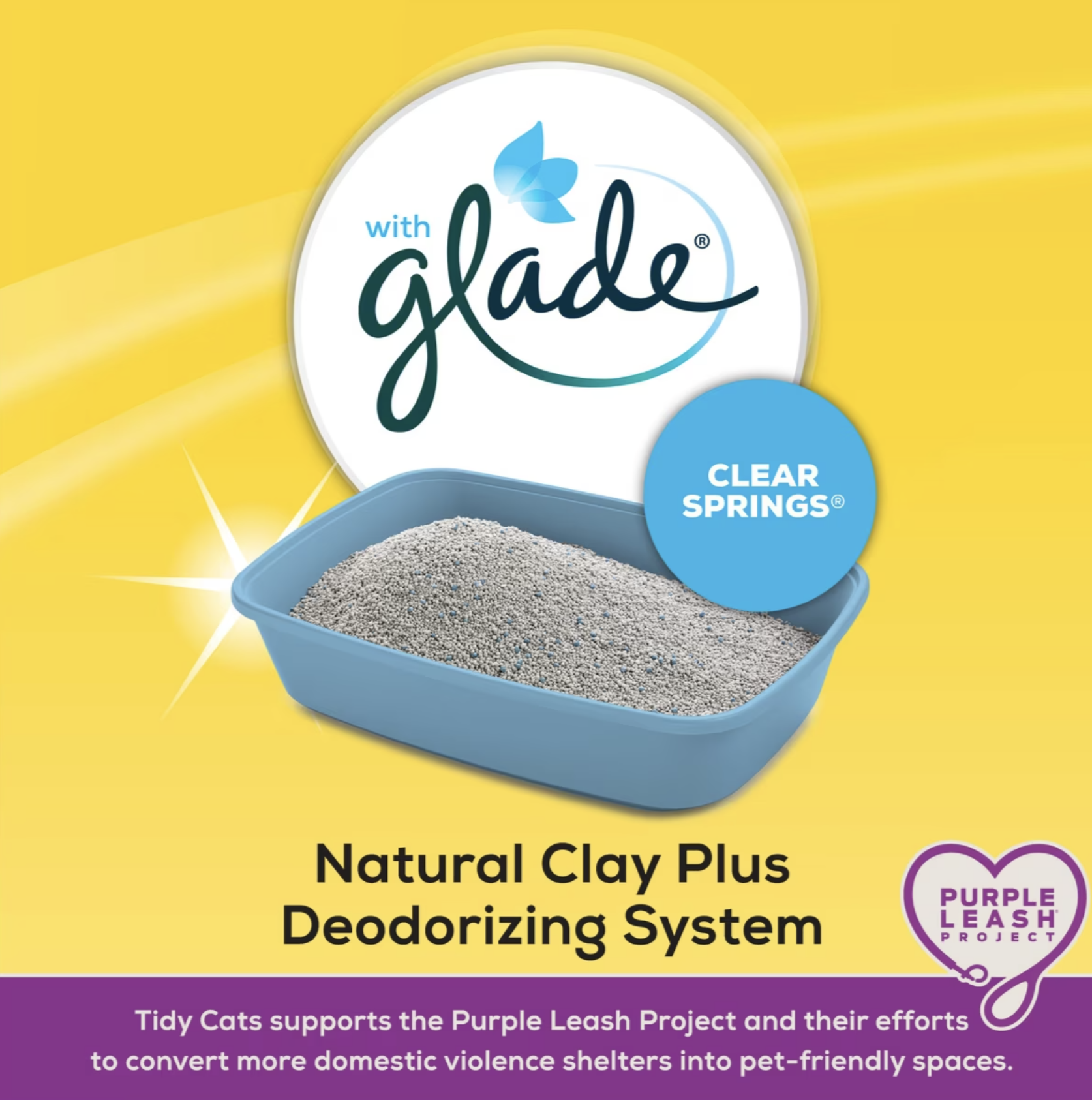
This is where we would ask owners to think hardest. A cat's olfactory sensitivity vastly exceeds ours, and the toileting substrate sits directly under the nose in an enclosed, repeatedly visited space. Most cats accept a scented clumping clay without comment. A meaningful minority do not, and their objection appears not as protest but as latency at the box, perching on the rim, failing to cover, or urinating on soft surfaces nearby.
Cats with feline idiopathic cystitis, a history of house-soiling, respiratory disease, or a strong existing substrate preference are the ones we would keep away from fragranced litter altogether. Fragrance is designed for the human standing in the doorway; the cat has no interest in Clear Springs.
If you are switching to it, do not swap the box over in one go. Run a second box with the new litter alongside the existing one for a week and let the cat vote. Sudden substrate change in a single-box household is a classic trigger for inappropriate elimination, and it is entirely avoidable.
Using it properly
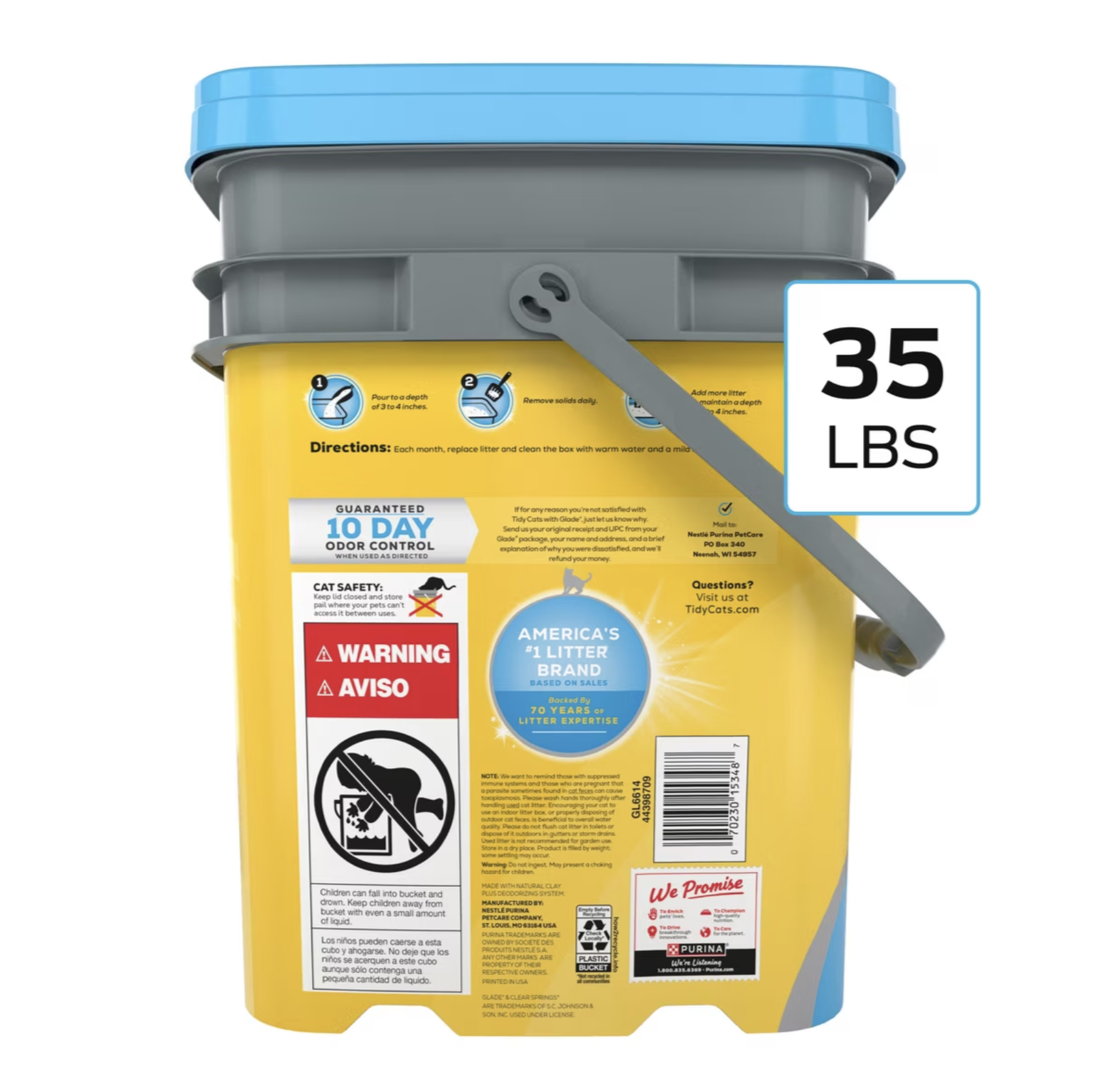
Fill to a depth of three to four inches. Shallow litter is the most common reason a clumping product appears to fail — clumps form against the pan floor, stick, and break up on removal. Scoop solids and urine clumps at least daily, top up to maintain depth, and replace the litter completely each month with a warm water and mild detergent wash of the pan. Avoid strong disinfectants, particularly phenolics, which are toxic to cats.
Provide one box per cat plus one, in separate, quiet locations rather than lined up in a single room. In multi-cat households this does more for odour and for urinary health than any litter formulation. Keep the pail lid closed and stored away from pets, and note the label warnings: do not ingest, and keep children away from the bucket, which can hold enough liquid to be a drowning hazard.
Toxoplasma advice on the pack is worth repeating — anyone pregnant or immunosuppressed should wear gloves and wash hands thoroughly after handling used litter, or delegate the job entirely. Do not flush clay litter; it does not break down and will block plumbing.
What we would watch in the box
One underrated benefit of a good clumping litter is diagnostic. Clumps are measurable, and change in urine clump size or number is often the earliest sign of diabetes mellitus, chronic kidney disease or hyperthyroidism. Very small, frequent clumps in a straining cat point toward cystitis or, in a male cat, urethral obstruction — an emergency. Get into the habit of noticing what you scoop.
The honest limitations
- Fragranced — a real deterrent for a minority of cats, and for any cat with a soiling history.
- Clay dust is reduced but not eliminated; imperfect for asthmatic cats or owners.
- Heavy: a 35-lb pail is awkward for anyone with limited lifting capacity or stairs.
- Not flushable, not biodegradable; bentonite clay is strip-mined and lands in general waste.
- The odour guarantee depends on daily maintenance — the product cannot rescue a neglected box.
- Tracks like all fine-grain clumping clay; budget for a mat and a small vacuum.
Who it suits
A multi-cat household with cats that have no history of house-soiling, no respiratory disease, and an established tolerance for scented clay — plus a person who scoops daily. Used that way, this is a firm-clumping, low-dust, widely available litter in genuinely practical packaging, and the pail solves the storage problem that paper sacks create.
It is not what we would recommend for a cat with feline idiopathic cystitis, feline asthma, a history of inappropriate elimination, or a documented preference for fine unscented substrate. For those cats, an unscented fine-grain clumping litter remains the safer default, and there is no meaningful downside to starting there.
Our neutral read: a competent mainstream clumping clay whose fragrance is simultaneously its main selling point and its only real clinical liability. Let the cat decide.
Vet-recommended
Products our review board rates for this

Lemonade Pet Insurance
9.4The lowest premiums in the category, with claims paid in minutes rather than weeks.
Meow Mix Tender Centers
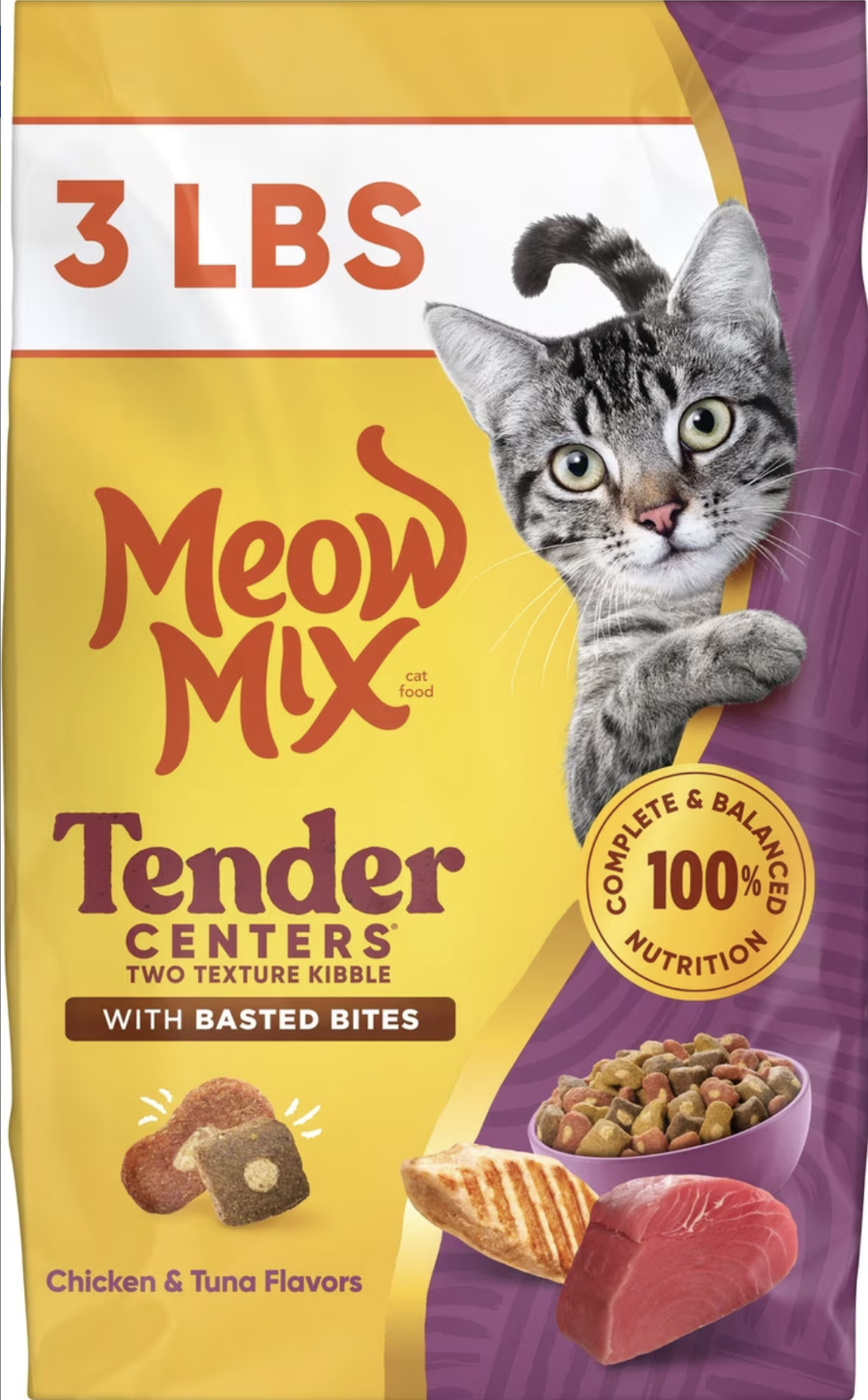
6.4Crunchy outside, soft centre, chicken and tuna flavoured — the palatability play.
Recommendations are chosen by the Dr Murphies veterinary review board. Some links are affiliate links and we may earn a commission; this never affects our scoring, and brands do not see our copy before publication.
Dr Elise Murphy, BVSc (Hons)
Editor-in-chief