Screening
Body Condition Scoring at Home
Body condition scoring gives owners a hands-on, weight-independent way to judge whether a pet carries too much or too little fat, correcting for the fact that breed standards and frame size make a single ideal weight meaningless across individuals.
By Dr Ingrid Sorensen, BVSc, DipACVB
21 March 2026
4 min read

Medically reviewed
Reviewed by Dr Eleanor Murphy, BVSc of the Dr Murphies Veterinary Review Board. Reviewed content is checked against current consensus guidance before publication.
Body condition scoring gives owners a hands-on, weight-independent way to judge whether a pet carries too much or too little fat, correcting for the fact that breed standards and frame size make a single ideal weight meaningless across individuals. It takes under a minute and needs no equipment.
The Nine-Point Scoring System Explained
The nine-point body condition score assesses fat cover over the ribs, the presence of a visible waist when viewed from above, and abdominal tuck when viewed from the side, with a score of four to five out of nine considered ideal for most dogs and cats.
At an ideal score, ribs are easily felt with light pressure and a thin layer of fat, a waist is visible behind the ribs, and the abdomen tucks upward behind the ribcage; scores of six or above indicate excess fat obscuring these landmarks, while scores of three or below indicate ribs, spine or pelvic bones visible or prominent.
Ribs, Waist and Abdominal Tuck: What to Feel For
- Ribs not palpable even with firm pressure, suggesting overweight or obese
- No visible waist when viewed from directly above in good light
- Ribs, spine or hip bones visibly prominent, suggesting underweight
- Reduced stamina or reluctance to jump in a pet scoring above ideal
- Loss of muscle mass over the spine and hips despite normal or increased appetite
Muscle condition scoring should be assessed alongside body condition scoring, since a senior pet can carry adequate or excess fat while losing significant muscle mass, a pattern easily missed if only overall weight is tracked.
Common Scoring Mistakes Owners Make
Body condition scoring is a physical, hands-on assessment rather than a laboratory test, ideally performed monthly by running flat hands along the ribs and viewing the pet from above and the side in good light.
Because coat length and thickness can visually mask or exaggerate body shape, breeds with dense or long coats should be assessed primarily by feel over the ribs and spine rather than by visual impression alone.
Why Body Condition Matters More Than Bathroom-Scale Weight
A body condition score outside the ideal range should prompt a specific, measured change rather than a vague resolution to feed less or more.
- Weigh food using kitchen scales rather than a cup, since cup measures vary widely
- Recalculate daily calorie needs based on current body condition, not label defaults
- Reassess body condition score every four weeks when actively adjusting diet
- Increase structured exercise gradually alongside dietary changes for overweight pets
Reassessing Score as Diet or Activity Changes
Weight loss or gain in pets should generally target a rate of around one to two per cent of body weight per week, since more rapid change, particularly in cats, can carry health risks including hepatic lipidosis from excessively fast weight loss.
Multi-pet households should score each animal individually and feed accordingly, since free-feeding a shared bowl often results in one pet becoming overweight while another remains underweight without an owner noticing.
When to seek help urgently
- Rapid, unexplained weight loss despite normal or increased food intake
- A previously overweight cat that stops eating, risking hepatic lipidosis
- Visible spine and hip bones in a young or previously healthy adult pet
- Sudden reluctance to move or jump in a pet with a rising body condition score
Body condition scoring is a useful home monitoring tool but does not replace a full veterinary assessment, so bring your scoring observations to your vet, who can confirm the finding and advise on any necessary dietary change.
Vet-recommended
Products our review board rates for this

Lemonade Pet Insurance
9.4The lowest premiums in the category, with claims paid in minutes rather than weeks.

Dial A Vet
9.0A global team of 250+ vets and vet techs on Zoom in under fifteen minutes, flat fee.
Spot & Tango
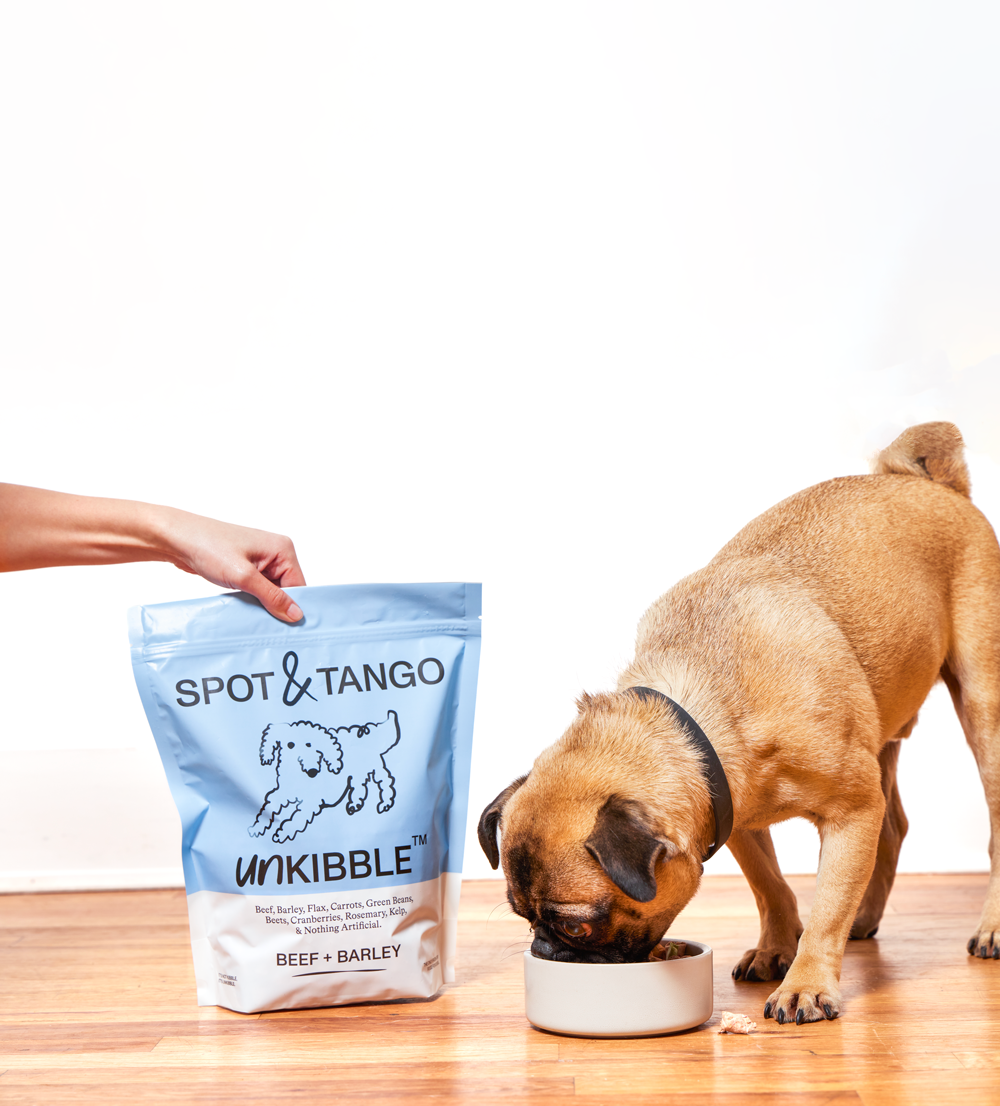
9.1Vet-formulated fresh trays and dehydrated UnKibble, portioned to the individual dog.
Recommendations are chosen by the Dr Murphies veterinary review board. Some links are affiliate links and we may earn a commission; this never affects our scoring, and brands do not see our copy before publication.
Dr Ingrid Sorensen, BVSc, DipACVB
Veterinary behaviourist