Emergency Prep
Building a Pet First-Aid Kit
A well-stocked pet first-aid kit will not replace emergency veterinary care, but it can stabilise a pet or manage a minor injury in the critical minutes before you can reach a clinic.
By Dr Priya Raghunathan, BVMS
15 March 2026
4 min read
Medically reviewed
Reviewed by Dr Noor Haddad, DVM, DACVD of the Dr Murphies Veterinary Review Board. Reviewed content is checked against current consensus guidance before publication.
A well-stocked pet first-aid kit will not replace emergency veterinary care, but it can stabilise a pet or manage a minor injury in the critical minutes before you can reach a clinic. Most kits sold pre-packaged omit items experienced owners find they need most.
Core Wound Care Supplies
Bleeding control relies on direct pressure with sterile gauze rather than powders or home remedies, since most external bleeding in cats and dogs responds to firm, sustained pressure for several minutes, and premature checking to see if bleeding has stopped often restarts it.
An injured, frightened animal in pain may bite even a normally gentle pet, so restraint tools such as a soft muzzle sized correctly for the animal and a secure carrier or towel for cats are as important to a first-aid kit as any wound dressing, since a bite injury delays care for both animal and handler.
Tools for Restraint and Safe Transport
- Active bleeding that soaks through a gauze pad within a few minutes
- Suspected fracture with visible deformity or non-weight-bearing lameness
- Signs of shock, including pale gums, rapid breathing and weakness
- A suspected toxin ingestion with the packaging or plant available for identification
- Heatstroke signs including heavy panting, drooling and collapse in hot weather
First aid buys time; it is not a substitute for veterinary treatment, and any of the situations above should be followed immediately by a call to your vet or an emergency clinic, ideally made while first aid is being administered rather than afterward.
Medications to Include Only With Veterinary Guidance
A first-aid kit does not diagnose anything, but having your regular vet's number, the nearest emergency clinic's address and a poisons hotline number written on paper inside the kit removes a critical delay when phones are hard to use during an emergency.
Include your pet's normal resting heart rate, gum colour and temperature range on a card in the kit, since knowing baseline values makes it much faster to recognise an abnormal finding when checking a distressed animal.
Species-Specific Additions for Cats, Dogs and Small Pets
The kit should be built around the actions an owner can safely take, not medications requiring veterinary judgement to use correctly.
- Include sterile gauze, non-stick pads, self-adhesive bandage and blunt-tipped scissors
- Pack a properly fitted muzzle, a spare leash and a lightweight towel for small pets
- Add saline solution for flushing wounds and eyes, and a digital thermometer
- Store your vet's number, the nearest emergency clinic's details and a poisons hotline
Keeping the Kit Current and Accessible
Check the kit every six months to replace expired saline, exhausted bandage rolls and any medication your vet has advised keeping on hand, since a first-aid kit left untouched for years is often missing exactly what is needed in an actual emergency.
Avoid stocking human medications such as ibuprofen or paracetamol, both of which are toxic to dogs and cats even in small doses; keep only medication specifically dispensed and instructed by your own vet for emergency use.
When to seek help urgently
- Heavy bleeding not controlled after ten minutes of firm direct pressure
- Suspected poisoning, with or without visible symptoms, from any unknown substance
- Difficulty breathing, collapse or pale or blue-tinged gums
- Suspected heatstroke with body temperature not falling despite cooling measures
A first-aid kit is for stabilisation only; always contact your vet or an emergency clinic as the next step for anything beyond a very minor injury, and ask your own vet what they recommend keeping on hand for your specific pet.
Vet-recommended
Products our review board rates for this

Lemonade Pet Insurance
9.4The lowest premiums in the category, with claims paid in minutes rather than weeks.
Dial A Vet
9.0A global team of 250+ vets and vet techs on Zoom in under fifteen minutes, flat fee.
Spot & Tango
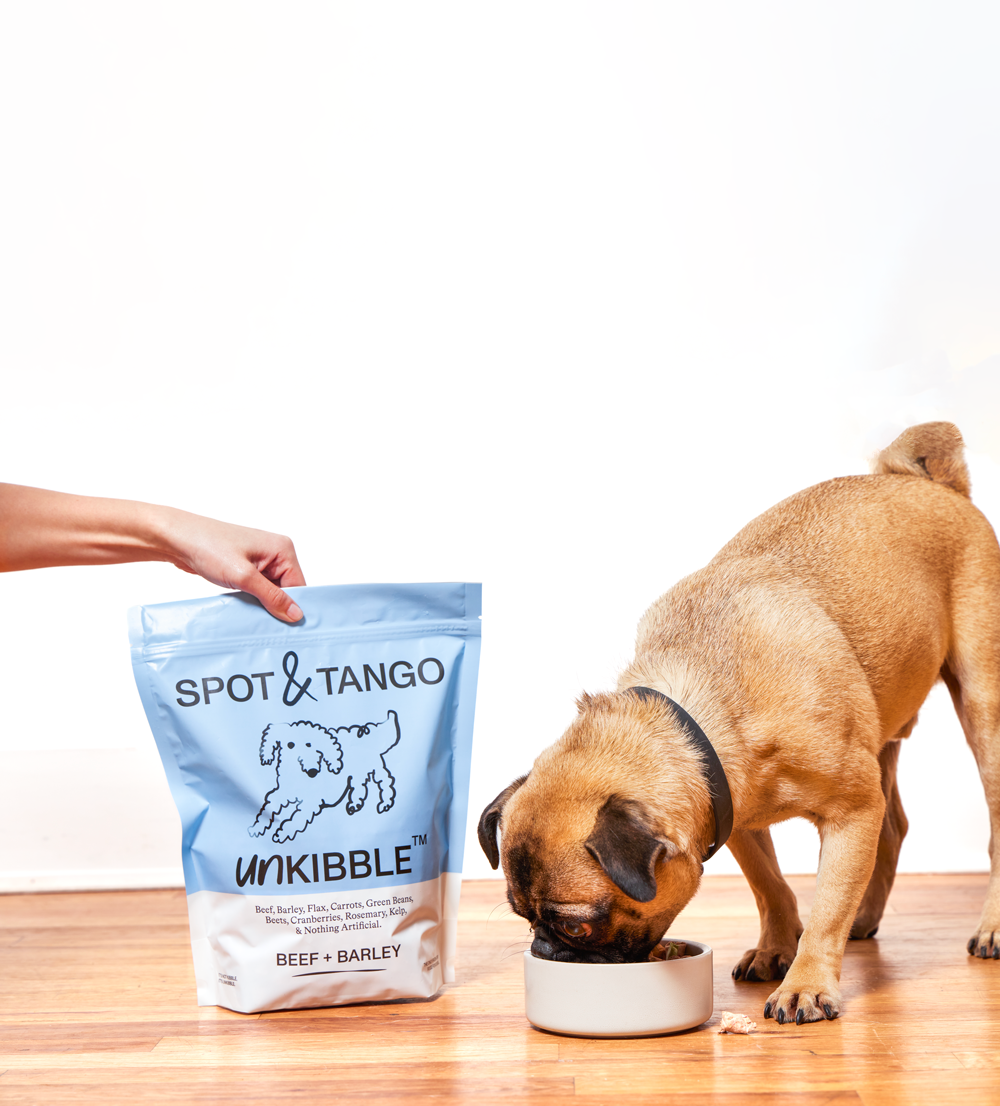
9.1Vet-formulated fresh trays and dehydrated UnKibble, portioned to the individual dog.
Recommendations are chosen by the Dr Murphies veterinary review board. Some links are affiliate links and we may earn a commission; this never affects our scoring, and brands do not see our copy before publication.
Dr Priya Raghunathan, BVMS
Emergency and critical care clinician