Surgery
Desexing Timing: The Evidence Has Changed
The long-standing advice to desex all dogs and cats at six months has been revised as breed- and size-specific research has emerged linking early desexing in some large breeds to increased joint disease and certain cancers.
By Dr Priya Raghunathan, BVMS
25 March 2026
4 min read

Medically reviewed
Reviewed by Dr Eleanor Murphy, BVSc of the Dr Murphies Veterinary Review Board. Reviewed content is checked against current consensus guidance before publication.
The long-standing advice to desex all dogs and cats at six months has been revised as breed- and size-specific research has emerged linking early desexing in some large breeds to increased joint disease and certain cancers. Timing is now a more individualised decision than it once was.
What the Older Blanket Recommendation Was Based On
Sex hormones, particularly oestrogen and testosterone, contribute to growth plate closure timing; removing their influence before puberty in large-breed dogs can delay growth plate closure in long bones, altering joint angles and loading in ways studies have associated with increased cranial cruciate ligament rupture and hip dysplasia.
Recent multi-year studies in breeds such as Golden Retrievers, Labradors and German Shepherds found higher rates of certain joint disorders and, in some breeds, specific cancers when desexing occurred before one year of age, though these associations have not been consistently shown across all breeds studied.
New Evidence in Large and Giant Breed Dogs
- Unspayed females showing three-week seasons involving swelling and bleeding twice yearly
- Roaming, marking or mounting behaviour associated with intact male hormones
- Mammary lumps in older unspayed females, a risk sharply reduced by early spaying
- Testicular enlargement or asymmetry in intact older male dogs
- Signs of pyometra, including lethargy, increased thirst and vaginal discharge, in intact females
None of these signs indicate an emergency by themselves except pyometra, but they inform the discussion an owner should have with their vet about whether and when to desex a specific animal, since behavioural and disease risks differ by sex and breed.
Why Cats and Small Dogs Remain a Different Case
There is no diagnostic test to determine the ideal desexing age; the decision is based on breed, projected adult size, individual health history and the owner's ability to manage an intact animal responsibly until an agreed later age.
For cats and small-breed dogs, where the joint disease evidence is weaker, the original recommendation of desexing around five to six months generally still holds, since mammary cancer and pyometra risk reduction remain strongly time-dependent benefits of earlier spaying.
Weighing Cancer, Behaviour and Population Control Together
Current guidance from veterinary bodies increasingly recommends breed-specific timing rather than a universal age.
- Discuss breed-specific studies with your vet before desexing a large or giant breed puppy
- Consider desexing at twelve to eighteen months for large breeds prone to joint disease
- Retain the five- to six-month guideline for cats and most small-breed dogs
- Manage intact animals responsibly with secure containment to prevent unplanned litters
Talking Timing Through With Your Vet
Owners choosing to delay desexing in a large-breed puppy need a realistic plan for managing an intact adolescent, including secure fencing, supervised outings during female seasons, and awareness of increased roaming risk in males.
Pyometra risk in intact females rises with each unmated season, particularly from middle age onward, meaning delayed desexing is not risk-free and should be reassessed as the animal ages rather than postponed indefinitely without review.
When to seek help urgently
- Lethargy, vomiting and vaginal discharge in an intact female, suggesting pyometra
- A rapidly swelling abdomen in an intact female of any age
- A hard, growing testicular mass in an intact male dog
- Prolonged, heavy bleeding during a season lasting beyond three weeks
The right desexing age now depends on species, breed and individual circumstances rather than a single fixed rule, so this decision should be made together with your veterinarian, who can weigh the current breed-specific evidence for your pet.
Vet-recommended
Products our review board rates for this

Lemonade Pet Insurance
9.4The lowest premiums in the category, with claims paid in minutes rather than weeks.

Dial A Vet
9.0A global team of 250+ vets and vet techs on Zoom in under fifteen minutes, flat fee.
Spot & Tango
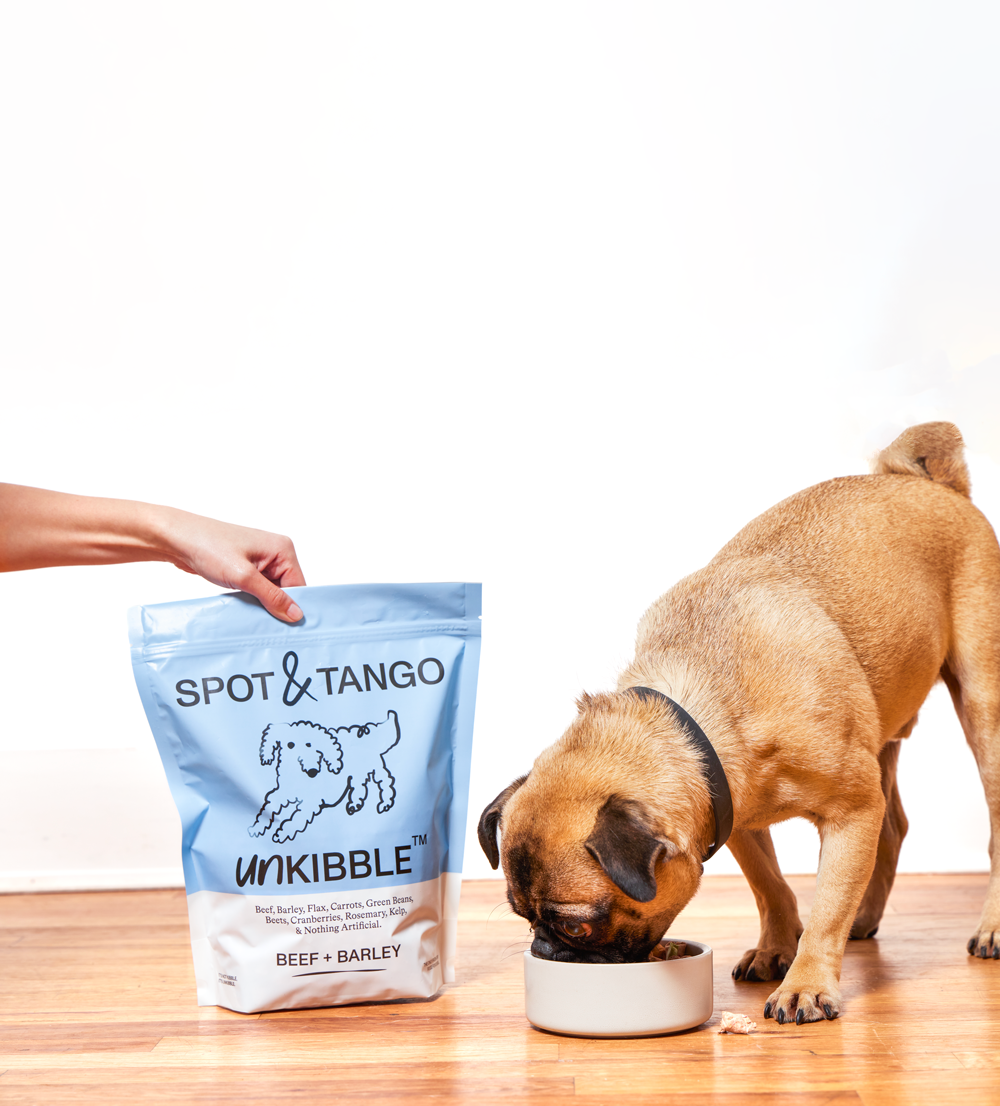
9.1Vet-formulated fresh trays and dehydrated UnKibble, portioned to the individual dog.
Recommendations are chosen by the Dr Murphies veterinary review board. Some links are affiliate links and we may earn a commission; this never affects our scoring, and brands do not see our copy before publication.
Dr Priya Raghunathan, BVMS
Emergency and critical care clinician