Parasites
Intestinal Worming Schedules for Multi-Pet Homes
Households with multiple dogs and cats face compounded parasite risk, since one untreated animal can continually re-infect the others through shared litter trays, yards and grooming behaviour.
By Dr Thomas Nakamura, DVM
27 March 2026
4 min read

Medically reviewed
Reviewed by Dr Noor Haddad, DVM, DACVD of the Dr Murphies Veterinary Review Board. Reviewed content is checked against current consensus guidance before publication.
Households with multiple dogs and cats face compounded parasite risk, since one untreated animal can continually re-infect the others through shared litter trays, yards and grooming behaviour. A schedule built for a single pet often under-treats a multi-pet home.
Common Intestinal Worms and Their Transmission Routes
Roundworms, hookworms and whipworms are spread through faecal-oral contact and larval skin penetration, with eggs surviving in soil for months to years in the case of Toxocara species, meaning a contaminated yard can reinfect newly wormed pets within days.
Tapeworm species differ in that Dipylidium caninum requires an intermediate flea host, so effective flea control is inseparable from tapeworm prevention, while Echinococcus species can be acquired from raw offal or rodent hunting, relevant for pets with outdoor access.
Why Reinfection Is the Main Challenge in Multi-Pet Homes
- A pot-bellied appearance in puppies or kittens with normal or increased appetite
- Visible rice-grain segments near the anus or in bedding, indicating tapeworm
- Chronic soft stool or diarrhoea affecting more than one pet in the household
- Weight loss despite normal eating in one or more animals sharing a yard
- Visible worms in vomit or stool, particularly roundworms in young animals
In a multi-pet home, one animal showing signs while others appear healthy does not mean the others are worm-free, since parasite burden and symptom severity vary by individual immunity and age, and untreated carriers continue shedding eggs into the shared environment.
Choosing a Broad-Spectrum Product for Mixed Households
Faecal egg counts or antigen tests identify the specific parasite present and its burden, which is useful in multi-pet homes to confirm whether a broad-spectrum product is adequately controlling all species present rather than assuming coverage.
Because egg shedding can be intermittent, a single negative faecal test does not fully exclude infection, and repeat testing or empirical treatment with a product covering the locally relevant worm species is often the practical approach recommended by vets.
Faecal Testing as a Complement to Routine Worming
In multi-pet homes, synchronising treatment across all animals matters as much as the product chosen.
- Worm all pets in the household on the same day to prevent cross-reinfection cycles
- Use a broad-spectrum product covering roundworm, hookworm, whipworm and tapeworm
- Worm puppies and kittens every two weeks until twelve weeks, then monthly to six months
- Pick up faeces from the yard daily to reduce environmental egg and larval load
Zoonotic Risk and Hygiene Measures
Adult dogs and cats in multi-pet homes are generally recommended to be wormed every one to three months depending on lifestyle, with hunting cats, raw-fed animals or those with frequent flea exposure needing the more frequent end of that range.
Shared litter trays should be scooped at least daily and fully cleaned weekly, since Toxocara eggs need one to four weeks in the environment to become infective, meaning prompt removal genuinely reduces transmission risk between cats.
When to seek help urgently
- A young puppy or kitten with a swollen abdomen and repeated vomiting
- Visible worms in vomit, particularly a mass of roundworms in a small animal
- Persistent diarrhoea with weight loss affecting multiple pets simultaneously
- Pale gums in a heavily parasitised puppy or kitten, suggesting significant blood loss
Worming frequency and product choice should reflect each household's specific mix of species, ages and outdoor exposure, so discuss a tailored schedule with your veterinarian rather than applying a single-pet routine across a multi-pet home.
Vet-recommended
Products our review board rates for this

Lemonade Pet Insurance
9.4The lowest premiums in the category, with claims paid in minutes rather than weeks.
Dial A Vet
9.0A global team of 250+ vets and vet techs on Zoom in under fifteen minutes, flat fee.
Spot & Tango
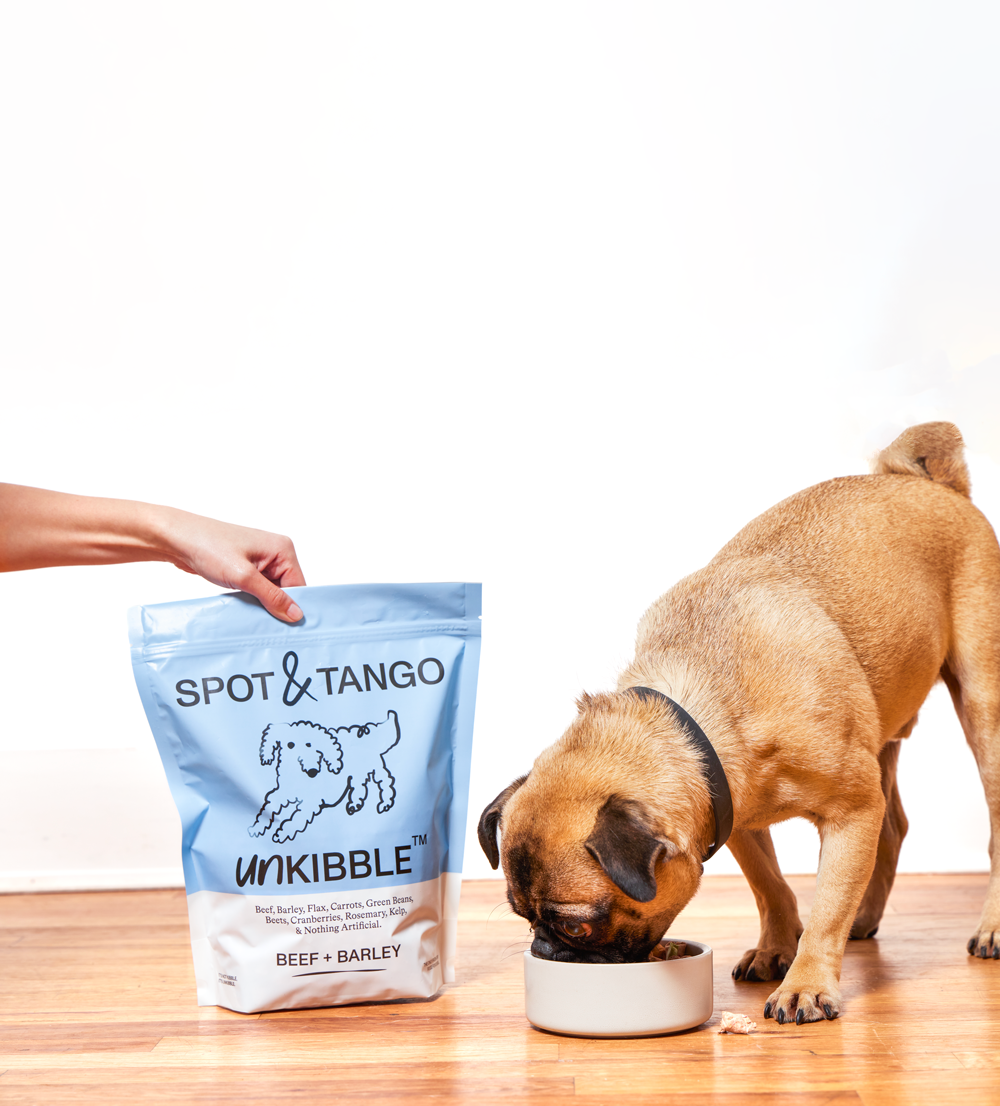
9.1Vet-formulated fresh trays and dehydrated UnKibble, portioned to the individual dog.
Recommendations are chosen by the Dr Murphies veterinary review board. Some links are affiliate links and we may earn a commission; this never affects our scoring, and brands do not see our copy before publication.
Dr Thomas Nakamura, DVM
Exotic and avian medicine