Planning
Pet Insurance: Reading the Exclusions First
Pet insurance policies vary enormously in what they exclude, and the exclusions, more than the headline premium or payout percentage, usually determine whether a policy actually pays out when it matters.
By Dr Ingrid Sorensen, BVSc, DipACVB
2 June 2026
4 min read

Medically reviewed
Reviewed by Dr Noor Haddad, DVM, DACVD of the Dr Murphies Veterinary Review Board. Reviewed content is checked against current consensus guidance before publication.
Pet insurance policies vary enormously in what they exclude, and the exclusions, more than the headline premium or payout percentage, usually determine whether a policy actually pays out when it matters. Reading the product disclosure statement before signing prevents the most common source of owner frustration.
Pre-Existing Conditions and How Insurers Define Them
Insurers define pre-existing conditions broadly, often including any sign or symptom noted in veterinary records before the policy start date, even if it was never formally diagnosed, which means a single vet visit for a limp as a puppy can permanently exclude cover for that joint even years later.
Breed-predisposed conditions such as hip dysplasia in large breeds, brachycephalic airway syndrome in flat-faced breeds, or luxating patella in small dogs are frequently excluded outright or offered only with a loading, since insurers price risk based on known breed prevalence data.
Breed-Specific and Hereditary Condition Exclusions
- A claim rejected for a condition traced to symptoms noted before the policy start
- Ongoing treatment costs for a breed-typical condition excluded from the policy
- A waiting period still active when an accident or illness first occurs
- An annual benefit limit reached partway through treatment for a chronic condition
- A per-condition sub-limit lower than the actual cost of a major surgery
These are not medical signs but the practical scenarios where owners discover a policy gap, usually at the worst possible time, which is why the exclusions section deserves more attention before signing than the marketed reimbursement percentage.
Waiting Periods for Illness Versus Accident Cover
There is no way to test whether a policy is adequate other than reading its full product disclosure statement, specifically the sections on pre-existing conditions, exclusions, sub-limits and waiting periods, before any claim is needed.
Comparing insurers on premium alone is unreliable; two policies at a similar price can differ substantially in annual payout caps, per-condition limits and whether conditions once claimed are excluded from future renewal.
Annual, Per-Condition and Lifetime Payout Limits
There is no way to retroactively fix a poorly chosen policy once a condition has emerged, so the only effective intervention is due diligence beforehand.
- Insure a puppy or kitten before any symptoms are recorded to avoid pre-existing exclusions
- Check whether the policy covers breed-predisposed conditions relevant to your pet
- Confirm the length of illness and accident waiting periods before assuming cover starts
- Compare annual, per-condition and lifetime limits, not just the premium and excess
Reading a Policy Document Before You Need It
Some policies exclude a condition from future cover once it has been claimed on, effectively capping lifetime benefit for chronic illnesses such as diabetes or allergic skin disease, which matters considerably more over a pet's lifetime than a slightly lower monthly premium.
Keeping veterinary records organised and reviewing the policy annually at renewal helps owners catch changes to exclusions or limits before they are needed, rather than discovering them during a stressful and costly claim.
When to seek help urgently
- An unexpected diagnosis requiring immediate surgery with an unclear coverage status
- A claim denial you believe is based on a misclassified pre-existing condition
- Reaching an annual payout limit partway through ongoing chronic disease treatment
- A policy renewal letter listing new exclusions for a condition already diagnosed
Insurance terms are legal and financial rather than medical, so while your vet can help document conditions accurately for claims, decisions about policy suitability should also involve reading the insurer's product disclosure statement carefully yourself.
Vet-recommended
Products our review board rates for this
Lemonade Pet Insurance
9.4The lowest premiums in the category, with claims paid in minutes rather than weeks.
Dial A Vet
9.0A global team of 250+ vets and vet techs on Zoom in under fifteen minutes, flat fee.
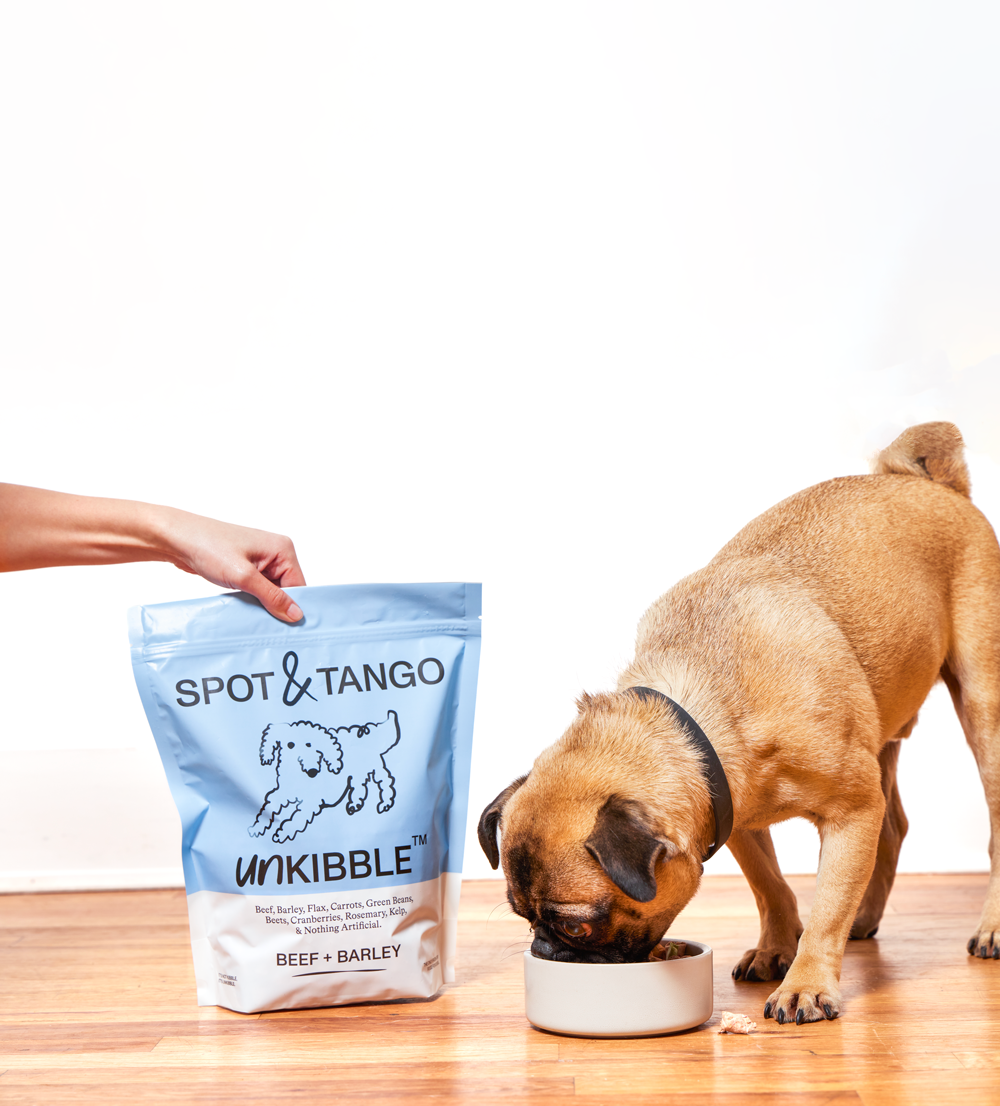
Spot & Tango
9.1Vet-formulated fresh trays and dehydrated UnKibble, portioned to the individual dog.
Recommendations are chosen by the Dr Murphies veterinary review board. Some links are affiliate links and we may earn a commission; this never affects our scoring, and brands do not see our copy before publication.
Dr Ingrid Sorensen, BVSc, DipACVB
Veterinary behaviourist