Behaviour
Puppy Socialisation Windows and Vaccine Risk
The socialisation window, roughly three to fourteen weeks of age, is when puppies most readily form positive associations with new people, animals and environments, yet it overlaps almost entirely with the period before the vaccination series is complete.
By Dr Rowan Kelly, BVSc, MVS
7 March 2026
4 min read

Medically reviewed
Reviewed by Dr Mariana Oliveira, DVM, DACVN of the Dr Murphies Veterinary Review Board. Reviewed content is checked against current consensus guidance before publication.
The socialisation window, roughly three to fourteen weeks of age, is when puppies most readily form positive associations with new people, animals and environments, yet it overlaps almost entirely with the period before the vaccination series is complete. Balancing infection risk against missed socialisation is one of the more nuanced calls in early puppy care.
Why the Three-to-Fourteen-Week Window Cannot Be Delayed
Behavioural research consistently shows that the fear response in dogs sharpens rapidly after around fourteen weeks, meaning novel experiences introduced after this window are far more likely to be perceived as threatening rather than simply new, a pattern that can persist for the dog's lifetime and contribute to fear-based aggression or anxiety.
Meanwhile, maternal antibody still partially protects most puppies through much of this window but wanes unpredictably between litters, and a puppy exposed to unvaccinated dogs or contaminated ground before their final vaccine dose at around sixteen weeks remains genuinely vulnerable to parvovirus and distemper.
Infection Risk Before the Vaccine Series Is Finished
- Fearfulness or freezing when encountering new people, surfaces or sounds after fourteen weeks
- Reluctance to enter new environments not previously experienced as a young puppy
- Reactivity toward unfamiliar dogs first introduced well after the socialisation window
- Signs of parvovirus, including vomiting, bloody diarrhoea and lethargy, after high-risk exposure
- Excessive startle response to everyday stimuli such as vacuum cleaners or traffic noise
Under-socialisation does not usually present as a single dramatic event but as a gradually narrowing comfort zone, often not obvious to owners until adolescence, when a previously calm puppy becomes reactive to situations it was never safely exposed to earlier.
Low-Risk Socialisation Strategies During This Period
There is no test for socialisation adequacy; it is assessed behaviourally by how a puppy responds to novel people, animals, surfaces and sounds, ideally tracked informally by owners through a simple checklist during the first four months.
Veterinary behaviourists increasingly recommend structured puppy classes that require proof of at least the first vaccination and a health check before enrolment, balancing exposure benefit against infection risk in a controlled setting rather than an uncontrolled public dog park.
What Puppy Classes Should Require Before Enrolment
The practical approach most vets now recommend is not to withhold socialisation until vaccination is complete, but to manage the type and setting of exposure carefully.
- Carry puppies in arms or a bag to experience busy environments without ground contact
- Enrol in puppy classes requiring a first vaccination and health check, held on cleaned surfaces
- Invite fully vaccinated, healthy adult dogs and vaccinated puppies for supervised play
- Avoid dog parks, pet store floors and areas of unknown dog traffic until the series is complete
Consequences of Under-Socialisation Later in Life
A well-run puppy class exposes puppies to handling, mild restraint, unfamiliar people of different appearances, and calm, vaccinated dogs, all under supervision, achieving much of the socialisation benefit without the infection risk of unrestricted public exposure.
Sound and object exposure, such as recordings of thunderstorms or introducing a wheelchair or umbrella, can be safely done entirely at home during the vaccination series, since this form of socialisation carries no infectious disease risk at all.
When to seek help urgently
- Vomiting and bloody diarrhoea in an incompletely vaccinated puppy after known exposure risk
- Sudden onset severe fearfulness or aggression in a puppy after a frightening encounter
- Lethargy and fever in a puppy who has had contact with an unvaccinated or unwell dog
- A puppy showing extreme, generalised fear response persisting beyond a single incident
Balancing socialisation timing against infection risk should be tailored to your puppy's vaccination progress and local disease prevalence, so plan this window in consultation with your own veterinarian rather than a fixed generic timeline.
Vet-recommended
Products our review board rates for this
Lemonade Pet Insurance
9.4The lowest premiums in the category, with claims paid in minutes rather than weeks.
Dial A Vet
9.0A global team of 250+ vets and vet techs on Zoom in under fifteen minutes, flat fee.
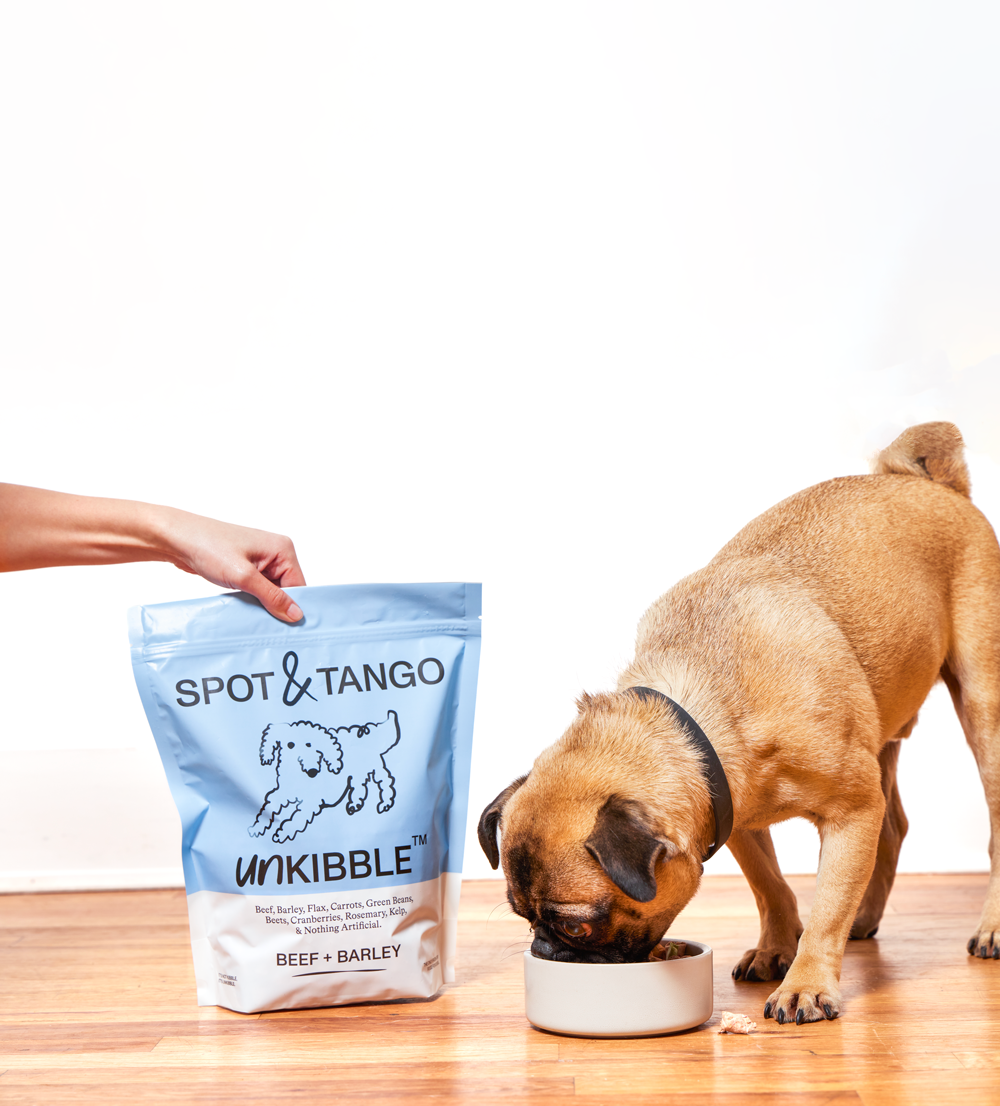
Spot & Tango
9.1Vet-formulated fresh trays and dehydrated UnKibble, portioned to the individual dog.
Recommendations are chosen by the Dr Murphies veterinary review board. Some links are affiliate links and we may earn a commission; this never affects our scoring, and brands do not see our copy before publication.
Dr Rowan Kelly, BVSc, MVS
Surgery and rehabilitation