Vaccination
The Modern Vaccination Schedule, Decoded
Vaccination protocols have shifted away from blanket annual boosters toward risk-based, duration-of-immunity-guided schedules.
By Dr Ingrid Sorensen, BVSc, DipACVB
10 April 2026
4 min read

Medically reviewed
Reviewed by Dr Mariana Oliveira, DVM, DACVN of the Dr Murphies Veterinary Review Board. Reviewed content is checked against current consensus guidance before publication.
Vaccination protocols have shifted away from blanket annual boosters toward risk-based, duration-of-immunity-guided schedules. Understanding why a puppy needs three core doses but an adult dog may need one every three years helps owners avoid both under- and over-vaccination.
Core Versus Non-Core Vaccines
Maternal antibodies absorbed from colostrum protect newborn puppies and kittens for weeks but also neutralise vaccine antigen, creating a window where a single dose may fail. This is why core vaccines such as canine parvovirus, distemper and adenovirus, or feline panleukopenia and herpesvirus, are given as a series every three to four weeks until sixteen weeks of age.
Once maternal antibody has waned and the final dose is given after twelve weeks, most modified-live core vaccines produce immunity lasting three years or longer, which is why triennial boosters are now standard for adult dogs and cats rather than annual repeats for these specific antigens.
Why Puppies Need a Series, Not One Shot
- Vaccine reaction: facial swelling or hives within an hour of injection
- Lethargy or mild fever for 24-48 hours after a booster
- Small firm lump at the injection site that persists beyond three weeks
- Vomiting or diarrhoea shortly after a combination vaccine
- Repeated parvovirus infection despite an incomplete puppy series
Most reactions are mild and self-limiting, but any swelling around the muzzle, collapse, or repeated vomiting after a vaccine warrants same-day veterinary attention, since anaphylaxis in dogs and cats can progress within thirty minutes of the injection.
Duration of Immunity and the Three-Year Shift
There is no diagnostic test required before routine vaccination, but a pre-vaccination health check should assess temperature, heart and lung sounds, and any signs of intercurrent illness that would justify deferring the dose.
For animals with a history of reaction, titre testing or fractionated dosing under veterinary supervision can confirm existing immunity or allow safer re-exposure, discussed separately from the standard schedule.
Reading a Vaccination Certificate
A well-structured schedule balances protection against fatal diseases with minimising unnecessary antigen exposure.
- Core series at eight, twelve and sixteen weeks for puppies and kittens
- Booster twelve months after the puppy series, then triennial for core antigens
- Annual non-core vaccines such as leptospirosis or feline leukaemia where risk warrants
- Record batch numbers and dates on a certificate kept with travel and boarding documents
Adjusting Schedules for Lifestyle Risk
Non-core vaccines are chosen by lifestyle rather than by default: leptospirosis for dogs with access to stagnant water or wildlife, kennel cough for dogs boarding or attending dog parks, and feline leukaemia for cats with outdoor access, particularly under one year old.
Boarding kennels and daycare facilities often require proof of vaccination within the last twelve months even for triennial core vaccines, so owners should keep both the original certificate and any interim non-core boosters accessible.
When to seek help urgently
- Facial swelling, hives or difficulty breathing within an hour of vaccination
- Collapse or pale gums shortly after an injection
- Persistent vomiting or bloody diarrhoea in the days after vaccination
- A firm injection-site mass that grows or ulcerates over several weeks
This overview describes general timing principles; the right schedule for an individual animal depends on species, breed, health status and regional disease prevalence, so it should be planned with your own veterinarian rather than followed generically.
Vet-recommended
Products our review board rates for this

Lemonade Pet Insurance
9.4The lowest premiums in the category, with claims paid in minutes rather than weeks.
Dial A Vet
9.0A global team of 250+ vets and vet techs on Zoom in under fifteen minutes, flat fee.
Spot & Tango
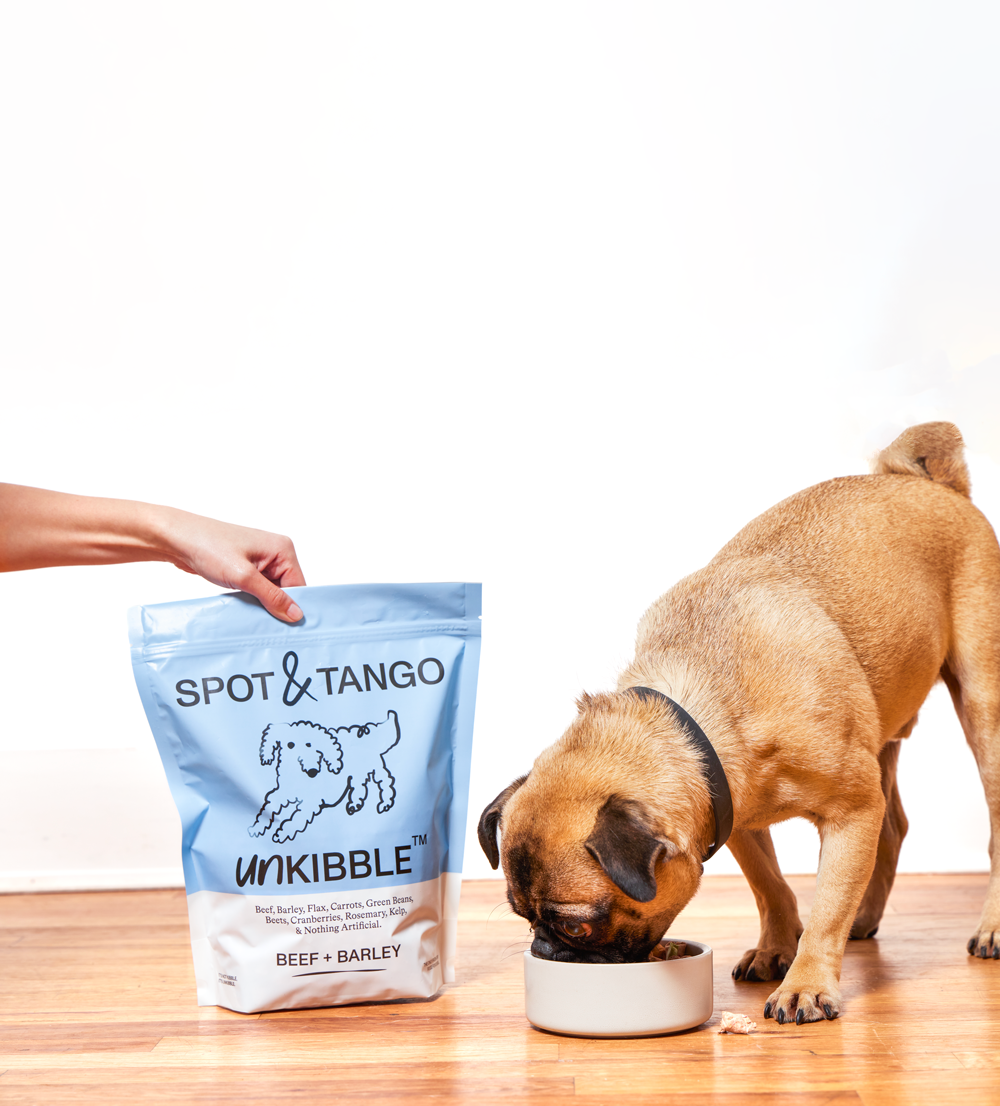
9.1Vet-formulated fresh trays and dehydrated UnKibble, portioned to the individual dog.
Recommendations are chosen by the Dr Murphies veterinary review board. Some links are affiliate links and we may earn a commission; this never affects our scoring, and brands do not see our copy before publication.
Dr Ingrid Sorensen, BVSc, DipACVB
Veterinary behaviourist