Parasites
Tick Prevention by Region and Season
Tick species vary markedly by region, and so does the disease risk they carry, from paralysis ticks along Australia's eastern coast to Ixodes species transmitting Lyme disease across parts of the northern hemisphere.
By Dr Rowan Kelly, BVSc, MVS
8 June 2026
4 min read

Medically reviewed
Reviewed by Dr Noor Haddad, DVM, DACVD of the Dr Murphies Veterinary Review Board. Reviewed content is checked against current consensus guidance before publication.
Tick species vary markedly by region, and so does the disease risk they carry, from paralysis ticks along Australia's eastern coast to Ixodes species transmitting Lyme disease across parts of the northern hemisphere. A prevention plan built for one region can leave a pet unprotected in another.
Regional Tick Species and the Diseases They Carry
Paralysis ticks inject a neurotoxin in their saliva that blocks neuromuscular transmission, causing progressive weakness in dogs and cats that can become fatal within twenty-four to seventy-two hours if untreated; this is a distinct mechanism from the infectious diseases spread by other tick species.
Ixodes ticks and related species transmit bacteria and protozoa, including Borrelia causing Lyme disease and Ehrlichia and Babesia species, through prolonged attachment, typically requiring twenty-four to forty-eight hours of feeding before transmission occurs, which is why prompt removal reduces infection risk even without preventive medication.
Seasonal Activity and Why Prevention Cannot Be Occasional
- Wobbly hind-limb gait progressing to inability to stand, suggesting tick paralysis
- A change in bark or meow, or retching, in a paralysis tick region
- A firm, engorged tick attached to skin, often around the head, ears or neck
- Lameness, fever or swollen joints weeks after a tick bite in Lyme-endemic areas
- Lethargy and pale or yellow gums, which can suggest tick-borne haemolytic disease
In paralysis tick regions, any change in voice, breathing effort or gait is a same-day emergency rather than a wait-and-see situation, since the neurotoxin's effects can progress from mild wobbliness to respiratory failure within hours.
Comparing Repellent and Acaricidal Products
Tick paralysis is diagnosed clinically from the finding of an attached or recently removed tick alongside a compatible progressive weakness, since no blood test confirms it quickly enough to guide emergency treatment.
Tick-borne infections such as Lyme disease, ehrlichiosis and babesiosis are diagnosed by specific blood antibody or PCR testing, usually pursued when a pet from an endemic area shows fever, lameness or lethargy weeks after potential exposure.
Manual Tick Checks Done Properly
Prevention needs to match both the ticks present in your region and their active season, which in warmer climates can now extend nearly year-round.
- Use a veterinary-prescribed isoxazoline or amitraz-based product matched to regional tick species
- Maintain treatment through the full local tick season, not just the warmest months
- Check the coat daily by hand during peak season, focusing on ears, neck and between toes
- Remove attached ticks promptly with fine-tipped tweezers, grasping close to the skin
What to Do After a Confirmed Bite
Owners in paralysis tick regions such as coastal New South Wales and Queensland should keep an antiserum-equipped emergency vet's number accessible and avoid relying on repellents alone, since no product offers complete protection against attachment.
Climate change has extended tick activity seasons in many temperate regions, meaning year-round prevention is increasingly recommended even in areas that previously had a defined tick-free winter.
When to seek help urgently
- Sudden hind-limb weakness or wobbliness, especially in a known paralysis tick region
- Change in voice, coughing or laboured breathing after a tick bite
- Fever, joint swelling or lameness appearing weeks after tick exposure
- An engorged tick found on a very young, elderly or unwell pet
Tick species and disease risk differ enough by postcode and season that the right product and monitoring plan for your pet should be confirmed with a local veterinarian familiar with your specific region.
Vet-recommended
Products our review board rates for this

Lemonade Pet Insurance
9.4The lowest premiums in the category, with claims paid in minutes rather than weeks.

Dial A Vet
9.0A global team of 250+ vets and vet techs on Zoom in under fifteen minutes, flat fee.
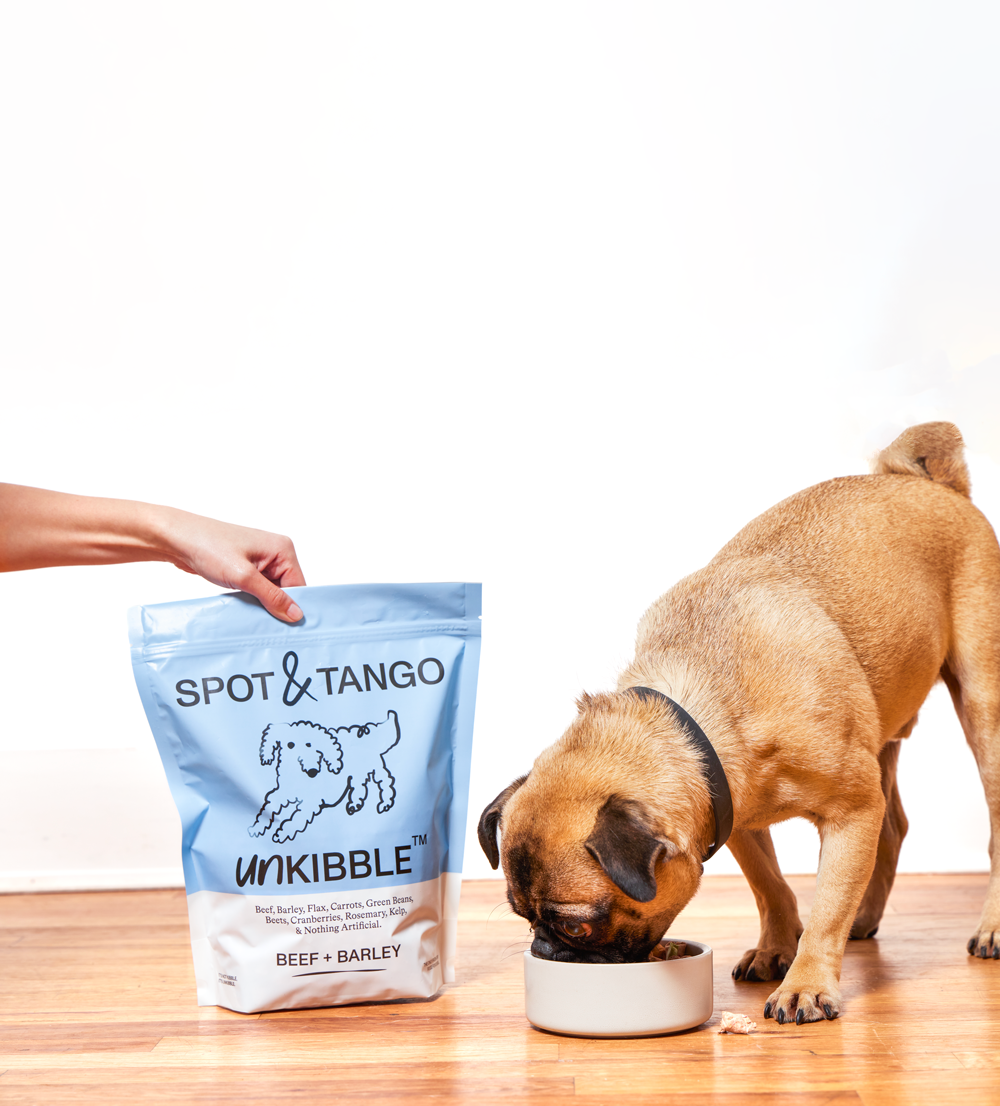
Spot & Tango
9.1Vet-formulated fresh trays and dehydrated UnKibble, portioned to the individual dog.
Recommendations are chosen by the Dr Murphies veterinary review board. Some links are affiliate links and we may earn a commission; this never affects our scoring, and brands do not see our copy before publication.
Dr Rowan Kelly, BVSc, MVS
Surgery and rehabilitation