Vaccination
Titre Testing: When Bloodwork Replaces the Booster
Titre testing measures circulating antibody levels against specific viruses, offering an alternative to reflexive re-vaccination for animals with known health risks or prior reactions.
By Dr Samuel Adeyemi, DVM, DACVIM
13 June 2026
4 min read

Medically reviewed
Reviewed by Dr Noor Haddad, DVM, DACVD of the Dr Murphies Veterinary Review Board. Reviewed content is checked against current consensus guidance before publication.
Titre testing measures circulating antibody levels against specific viruses, offering an alternative to reflexive re-vaccination for animals with known health risks or prior reactions. It answers a narrower question than most owners expect: whether protective antibody is present, not the full picture of immune memory.
What a Titre Actually Measures
A titre test quantifies antibody concentration in serum using methods such as ELISA or virus neutralisation, comparing the result against a threshold known to correlate with protection for that specific disease. For canine parvovirus and distemper, and feline panleukopenia, validated thresholds exist and correlate well with resistance to challenge.
Cell-mediated immunity, which also contributes to disease resistance, is not captured by a titre test, so a low antibody titre does not always mean an animal is unprotected, and a positive titre does not guarantee protection against every viral variant in circulation.
Which Vaccines Have Validated Titre Tests
- Prior anaphylactic or severe allergic reaction to a previous vaccine
- Immune-mediated disease history where further antigen exposure carries risk
- Senior pets with concurrent illness where vaccine timing needs individual judgement
- Rescue animals with unknown vaccination history entering a new household
- Breeding animals where owners want documented immunity before mating
Titre testing is most valuable for animals in these specific circumstances rather than as a routine substitute for every pet, since it adds cost and does not have a validated threshold for every non-core vaccine such as leptospirosis or kennel cough.
When Titres Are Useful
A blood sample is drawn as for any routine panel and sent to a laboratory offering quantitative titre assays; in-clinic point-of-care kits exist for parvovirus and distemper but are qualitative and less precise than laboratory ELISA.
Results typically return as a numeric antibody concentration or a positive/negative call against a validated cut-off; your vet interprets this alongside the animal's age, prior vaccination history and current health status.
Limitations Owners Should Understand
Where titres show adequate protection, revaccination can reasonably be deferred; where they do not, the decision to booster still rests on clinical judgement.
- Test for parvovirus, distemper and panleukopenia titres where validated assays exist
- Repeat testing at intervals agreed with your vet rather than a fixed annual default
- Document results alongside vaccination certificates for boarding or travel requirements
- Reserve titres for animals with a specific medical reason, not as a routine cost saving
Interpreting Results With Your Vet
Some boarding facilities and countries do not accept titre results in place of a current vaccination certificate, so owners of animals managed this way should check requirements well ahead of travel or kennel bookings.
For most healthy pets without a reaction history, the standard triennial booster schedule remains simpler, cheaper and equally protective, and titre testing is reserved for the specific situations above rather than routine use.
When to seek help urgently
- Any prior facial swelling or collapse after vaccination before considering revaccination
- Unexplained illness in an animal with an unknown or lapsed vaccination history
- Exposure to a confirmed parvovirus or distemper case in an unvaccinated animal
- A low titre result in a young or immunocompromised animal facing high exposure risk
Titre testing is a useful but specialised tool, and whether it is appropriate for your animal, and what a given result should mean for future vaccination, is best decided in conversation with your own veterinarian.
Vet-recommended
Products our review board rates for this

Lemonade Pet Insurance
9.4The lowest premiums in the category, with claims paid in minutes rather than weeks.
Dial A Vet
9.0A global team of 250+ vets and vet techs on Zoom in under fifteen minutes, flat fee.
Spot & Tango
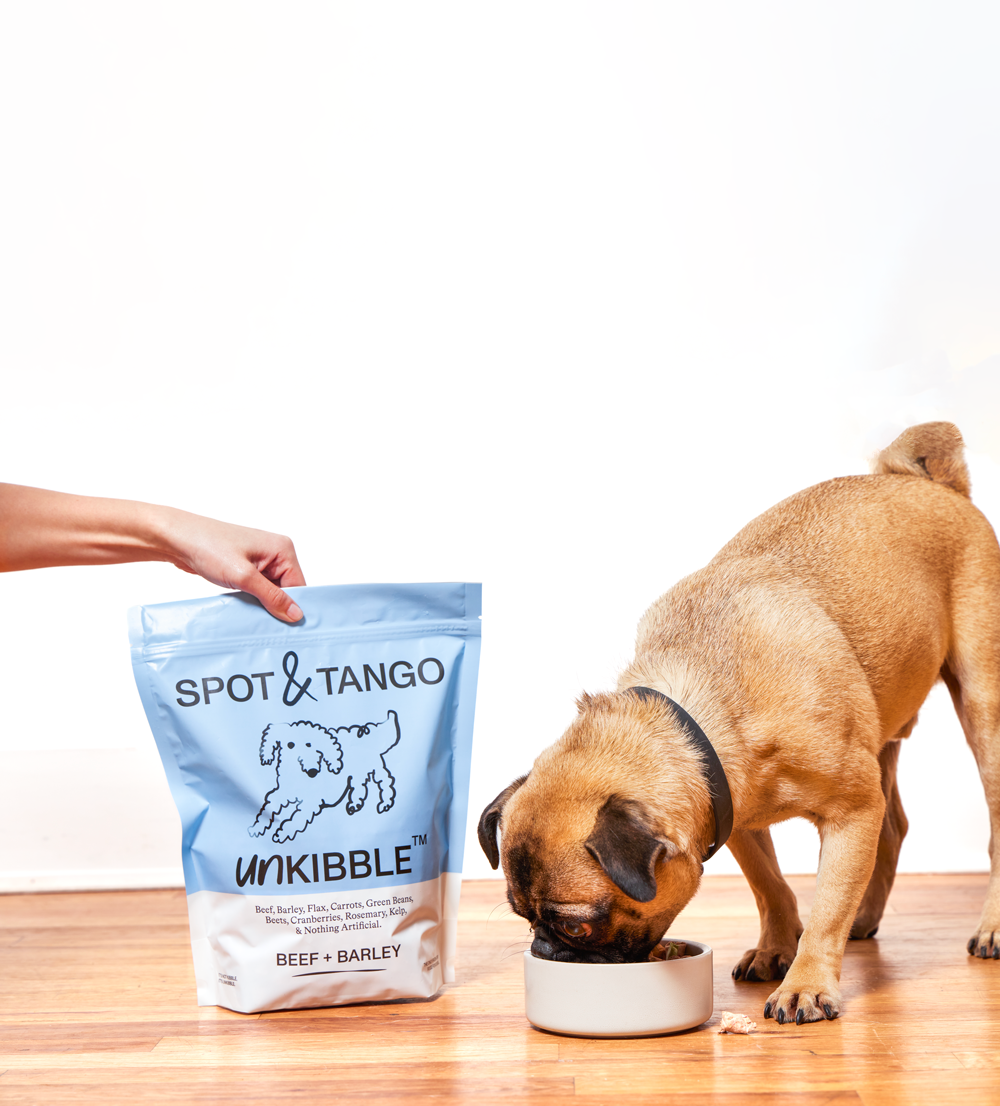
9.1Vet-formulated fresh trays and dehydrated UnKibble, portioned to the individual dog.
Recommendations are chosen by the Dr Murphies veterinary review board. Some links are affiliate links and we may earn a commission; this never affects our scoring, and brands do not see our copy before publication.
Dr Samuel Adeyemi, DVM, DACVIM
Internal medicine specialist