Endocrinology
Addison's Disease: The Diagnosis That Hides in Plain Sight
Hypoadrenocorticism, commonly known as Addison's disease, results from inadequate production of cortisol and often aldosterone by the adrenal cortex, most frequently due to immune-mediated destruction of adrenal tissue.
By Dr Mariana Oliveira, DVM, DACVN
27 July 2026
4 min read

Medically reviewed
Reviewed by Dr Mariana Oliveira, DVM, DACVN of the Dr Murphies Veterinary Review Board. Reviewed content is checked against current consensus guidance before publication.
Hypoadrenocorticism, commonly known as Addison's disease, results from inadequate production of cortisol and often aldosterone by the adrenal cortex, most frequently due to immune-mediated destruction of adrenal tissue. It is notorious among veterinarians as 'the great pretender' because its vague, waxing-and-waning signs, intermittent vomiting, lethargy and poor appetite, closely mimic gastrointestinal disease, kidney problems and countless other more common conditions, often delaying diagnosis until a dog presents in an acute Addisonian crisis.
Why Adrenal Destruction Mimics Everything Else
The adrenal cortex normally produces both glucocorticoids like cortisol, which regulate stress response and metabolism, and mineralocorticoids like aldosterone, which control sodium and potassium balance and thus blood pressure and fluid volume. Immune-mediated destruction of the adrenal cortex progressively eliminates production of both hormone classes, though clinical signs typically do not appear until at least 90 percent of adrenal tissue has been destroyed, similar to the delayed presentation seen with hypothyroidism.
Without aldosterone, the kidneys lose sodium and retain potassium inappropriately, and dangerously high potassium levels can trigger life-threatening cardiac arrhythmias, which is what makes an Addisonian crisis so acutely dangerous compared with the disease's otherwise subtle chronic presentation.
The Waxing-Waning Trap That Delays Diagnosis
- Intermittent vomiting and diarrhoea that comes and goes
- Waxing and waning lethargy that seems to improve with rest
- Reduced appetite without a clearly identifiable cause
- Increased thirst and urination in some affected dogs
- Collapse or profound weakness during an acute crisis
The waxing-waning nature of early Addison's disease is precisely what makes it so easy to miss, since a dog that seems markedly improved after a bout of supportive care at home often relapses days or weeks later with the same vague signs, sometimes progressing straight to a crisis without warning.
Electrolyte Clues That Raise Suspicion
Baseline bloodwork often shows the classic sodium-to-potassium ratio below 27:1 alongside mild anaemia and a lack of the expected stress leukogram, findings that should raise suspicion of Addison's disease particularly in young to middle-aged female dogs with a compatible history. Confirmation requires an ACTH stimulation test, measuring cortisol before and after synthetic ACTH administration, since a minimal or absent cortisol response confirms inadequate adrenal reserve regardless of how normal the dog may otherwise appear on a given day.
Atypical Addison's disease, where mineralocorticoid production remains initially intact and only cortisol is deficient, can present with normal electrolytes and is more easily missed, underscoring why a low index of suspicion combined with ACTH testing is important in dogs with unexplained chronic gastrointestinal signs.
The ACTH Stimulation Test That Confirms It
Treatment involves lifelong hormone replacement tailored to whichever hormone classes are deficient, alongside emergency stabilisation for any dog presenting in crisis.
- Desoxycorticosterone pivalate (DOCP) injections to replace mineralocorticoid function
- Oral prednisolone to replace glucocorticoid function, especially during stress
- Intravenous fluids and dextrose for dogs presenting in an acute crisis
- Regular electrolyte monitoring to fine-tune the DOCP dosing interval
Lifelong Hormone Replacement and Crisis Planning
Dogs stabilised on DOCP injections given every 25 to 30 days combined with a low daily dose of prednisolone typically return to a completely normal quality of life, though electrolyte monitoring seven to fourteen days after each injection during the initial months is essential to fine-tune both dose and interval for each individual dog. Because cortisol needs rise during physical or emotional stress, owners are taught to increase the prednisolone dose temporarily during travel, boarding, surgery or other stressful events to prevent a crisis being triggered by an otherwise manageable situation.
Once stabilised, most Addisonian dogs need surprisingly infrequent monitoring, often just twice-yearly electrolyte checks, making this one of the more rewarding chronic conditions to manage despite its dramatic and dangerous initial presentation.
When to seek help urgently
- Collapse or profound weakness, especially with a slow heart rate
- Severe vomiting and diarrhoea unresponsive to usual supportive care
- Known Addisonian dog missing a scheduled DOCP or prednisolone dose
- Any acute illness or major stress event in a diagnosed Addisonian dog
Addison's disease can be genuinely difficult to catch early because it hides behind such vague, intermittent signs, so persistent unexplained gastrointestinal upset or lethargy is worth discussing with your vet, including the possibility of adrenal testing.
Vet-recommended
Products our review board rates for this
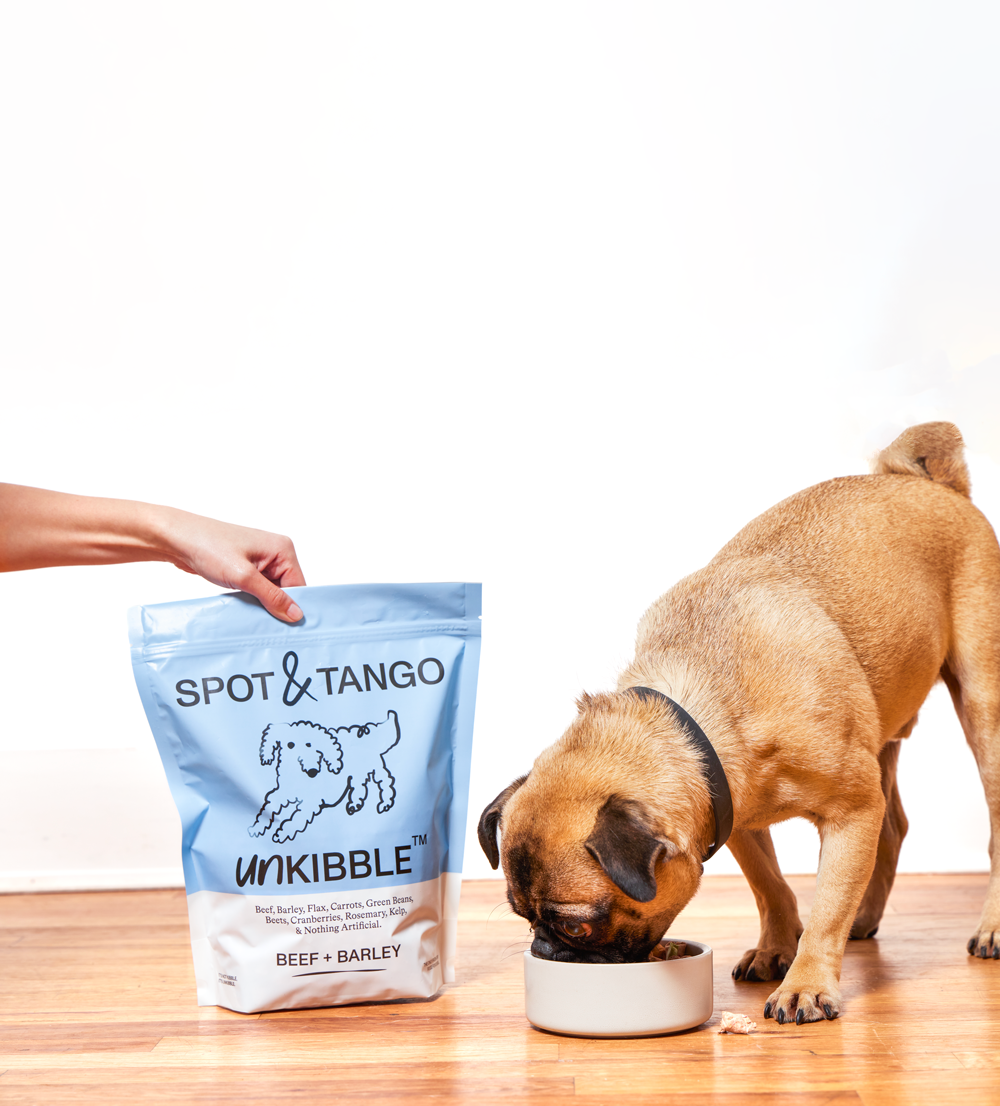
Spot & Tango
9.1Vet-formulated fresh trays and dehydrated UnKibble, portioned to the individual dog.

Lemonade Pet Insurance
9.4The lowest premiums in the category, with claims paid in minutes rather than weeks.

YETI Boomer 4 Dog Bowl
8.518/8 stainless, non-slip ring, dishwasher-safe — the last bowl you buy.
Recommendations are chosen by the Dr Murphies veterinary review board. Some links are affiliate links and we may earn a commission; this never affects our scoring, and brands do not see our copy before publication.
Dr Mariana Oliveira, DVM, DACVN
Veterinary nutritionist